
Ticket presales represent a fascinating and increasingly vital component of the event industry, fundamentally shaping its financial landscape. Far more than just an early bird opportunity, presales are sophisticated financial instruments and strategic marketing tools that influence everything from revenue generation and cash flow to market demand assessment and customer loyalty. For both event organizers and consumers, understanding the mechanics and implications of presales is crucial for navigating the economics of live entertainment, sports, and cultural events.
At its core, a presale is a limited-time opportunity for a select group of individuals to purchase tickets to an event before they become available to the general public. This exclusive window serves multiple purposes, primarily financial. It allows organizers to gauge initial demand, secure early revenue, and reward specific customer segments. For consumers, it offers the distinct advantage of guaranteed access to high-demand events, often mitigating the stress and uncertainty associated with general public sales. In the realm of money, presales are about value exchange, risk management, and the strategic distribution of a valuable commodity – access to an experience.
The Financial Mechanics Behind Presales
The financial underpinnings of ticket presales are robust, offering significant benefits to event organizers and, indirectly, to the broader financial ecosystem surrounding live events. These mechanisms are designed to optimize revenue, manage risk, and leverage consumer behavior for greater financial stability.
Early Revenue Generation and Cash Flow
One of the most immediate and impactful financial benefits of presales is the acceleration of revenue generation. By selling a portion of tickets weeks or even months before an event, organizers secure crucial upfront capital. This early cash flow can be instrumental in covering initial operational costs, marketing expenses, artist deposits, and venue rentals, significantly reducing the financial strain and reliance on external financing. For smaller organizations, this can mean the difference between green-lighting an event and shelving it due to lack of capital. It transforms potential future income into immediate working capital, fostering greater financial agility and reducing the need for high-interest loans. From a business finance perspective, it’s a proactive strategy for optimizing liquidity and strengthening the balance sheet.
Dynamic Pricing and Market Valuation
Presales offer an unparalleled opportunity for dynamic pricing strategies and real-time market valuation. Organizers can strategically price presale tickets, often slightly above or below what they anticipate the general sale price to be, to test market sensitivity and demand elasticity. If presale tickets sell out rapidly, it signals robust demand, potentially justifying higher prices for the general sale. Conversely, slower presale uptake might prompt a re-evaluation of pricing or an intensification of marketing efforts. This data-driven approach allows for fine-tuning revenue models, ensuring that tickets are priced optimally to maximize both sales volume and profit margins. It’s an iterative process of supply-and-demand analysis, directly impacting an event’s overall financial success and demonstrating sophisticated business finance principles in action.
Mitigating Financial Risk for Event Organizers
Hosting any large-scale event carries inherent financial risks, from lower-than-expected attendance to unforeseen operational challenges. Presales act as a powerful risk mitigation tool. By securing a significant portion of ticket sales early, organizers significantly reduce the uncertainty surrounding an event’s viability. A strong presale performance provides a financial safety net, assuring organizers that a minimum revenue threshold will be met, covering fixed costs and minimizing potential losses. This early commitment from buyers reduces the financial gamble, making it easier to secure further investments, sponsorships, or even insurance policies. It’s a core component of prudent financial planning in the volatile event industry, transforming speculative ventures into more predictable financial outcomes.
Financial Benefits for Loyal Consumers
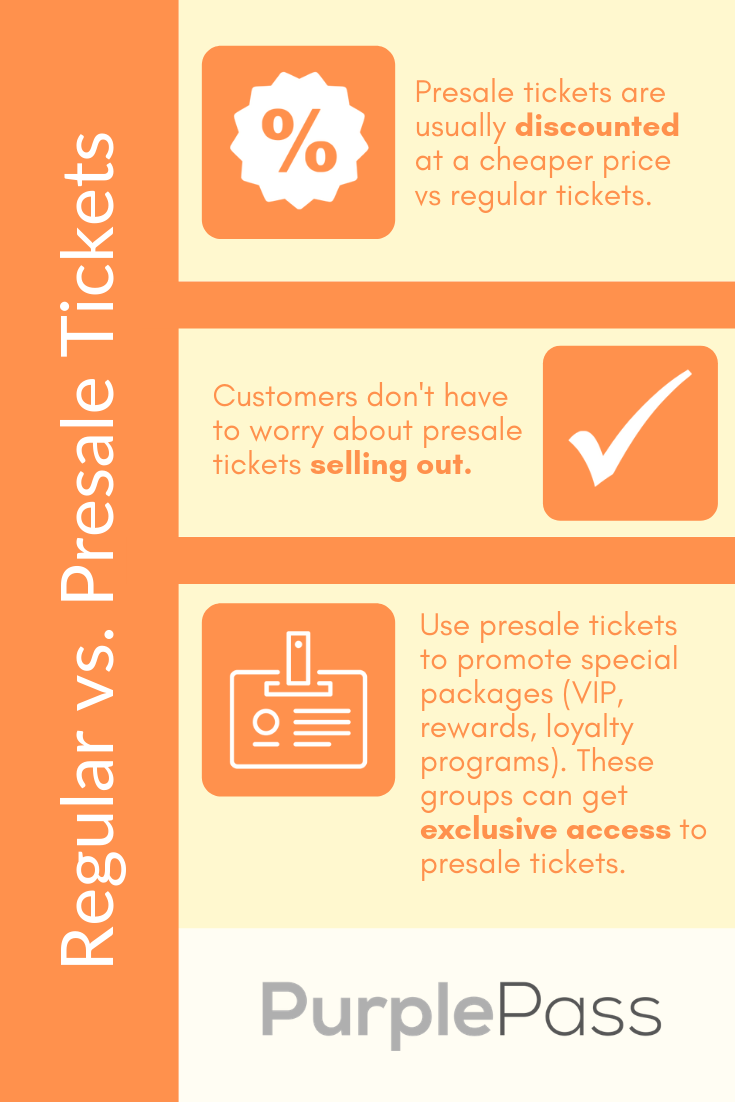
While often framed from the organizer’s perspective, presales also offer distinct financial and value-based benefits to consumers. For highly anticipated events, securing a ticket during a presale guarantees access, which itself holds significant financial value, especially when general sales are competitive and often lead to quick sell-outs. This value isn’t always in a lower price, but in the assurance of participation. Moreover, some presales do offer slightly discounted rates as an incentive for early commitment or as a perk for loyalty, providing direct financial savings. Even without a discount, avoiding the secondary market, where prices can skyrocket due to demand, represents a substantial financial advantage. The peace of mind and guaranteed attendance often outweigh any minor price differences, representing an investment in an experience that might otherwise be unobtainable or far more expensive.
Types of Presales and Their Financial Underpinnings
The landscape of ticket presales is diverse, with various types tailored to different strategic and financial objectives. Each method targets specific consumer segments and leverages distinct financial relationships or incentives.
Artist/Fan Club Presales
Artist or fan club presales are a cornerstone of direct-to-consumer engagement and revenue. Fans often pay an annual membership fee to join an official fan club, with early access to tickets being a primary, tangible benefit of this financial commitment. For artists, this creates a consistent, recurring revenue stream outside of direct ticket or merchandise sales, fostering a more direct financial relationship with their most loyal followers. It’s a testament to the power of loyalty programs, turning fan devotion into predictable income and building a sustainable financial model for artists.
Venue Presales
Venues frequently host their own presales, often rewarding loyal patrons or subscribers to their newsletters. Signing up for a venue’s email list might not involve a direct financial payment, but it represents a “data exchange” — consumers provide their contact information, which the venue can then monetize through targeted marketing for future events. This also builds a direct relationship, encouraging repeat business and fostering a sense of community around the venue. Over time, these loyal customers represent a significant portion of the venue’s consistent revenue, driven by early access perks.
Credit Card Presales
Credit card presales are a prime example of financial partnerships driving exclusive access. Major credit card companies (like American Express or Chase) forge lucrative agreements with event promoters and artists, granting their cardholders exclusive presale windows. For the card companies, this is a powerful incentive to attract new cardholders and encourage increased usage among existing ones, translating directly into transaction fees and interest income. For event organizers, these partnerships often come with financial guarantees or promotional support, expanding their marketing reach and contributing to early sales targets. It’s a win-win financial arrangement that leverages brand loyalty to a financial institution for early access to entertainment.

Promoter/Sponsor Presales
Promoter or sponsor presales involve strategic alliances designed to amplify reach and secure initial sales. Companies sponsoring an event, tour, or artist are often granted a block of tickets for their customers or employees as part of their sponsorship agreement. This can be a significant financial investment for the sponsor, who views it as a marketing expense that generates goodwill and brand exposure. For the event, it ensures a foundational level of ticket sales, often before other public-facing presales begin, contributing to overall financial stability and mitigating risk.
Radio/Media Presales
Radio and media outlets frequently host presales as part of their promotional efforts. These typically require listeners to tune in or visit a website to obtain a special code. While there’s no direct financial transaction for the code, it drives engagement with the media platform, increasing listenership, website traffic, and advertising revenue for the outlet. For the event, it’s a powerful and often cost-effective way to generate buzz and initial sales, leveraging the media’s existing audience base. It’s an indirect financial benefit, where promotional effort is exchanged for sales volume.
Platinum/VIP Presales
Platinum or VIP presales represent a premium segment of the ticket market, designed to maximize revenue per attendee. These tickets are sold at a significantly higher price point during the presale phase, offering exclusive benefits such as preferred seating, meet-and-greets, backstage access, or premium hospitality packages. For organizers, this is a crucial strategy for tapping into a market willing to pay a premium for an enhanced experience, thereby increasing the average ticket price and overall event profitability. It’s a clear example of segmented pricing and value-based selling, directly contributing to higher financial returns.
The Financial Impact on Buyers and the Secondary Market
For consumers, navigating the presale landscape involves a nuanced understanding of financial decisions, weighing the benefits of early access against potential costs and market dynamics.
Guaranteed Access vs. Financial Savings
The core dilemma for many buyers is balancing the desire for guaranteed access with the potential for financial savings. Presales offer assurance: knowing you have a ticket to a sold-out show provides immense value. However, this guarantee might come at a slightly higher price than some general sale tickets, or conversely, it might prevent you from waiting for last-minute deals if the event doesn’t sell out completely (a rare occurrence for high-demand events). Consumers must perform a personal cost-benefit analysis, evaluating the financial value of certainty against the speculative possibility of a better deal or the risk of missing out entirely. This decision is a personal finance calculation, prioritizing peace of mind and experience over potential monetary savings.
Understanding Resale Value and Scalping
Presales profoundly influence the secondary ticket market. When tickets for a highly anticipated event sell out during presales, their resale value can skyrocket. This creates opportunities for legitimate resellers (who may have purchased tickets at face value during a presale) and less scrupulous scalpers. While many platforms have rules against speculative buying or bot activity, the sheer demand often pushes prices well above face value on secondary markets, highlighting the implicit financial value of early access. Consumers who secure presale tickets might unknowingly (or knowingly) hold an asset with significant arbitrage potential. Understanding these market dynamics is crucial for both buyers (to avoid overpaying) and potential sellers (to understand their ticket’s true market worth). This introduces elements of market economics and investment decisions into personal finance.
Protecting Your Investment: Avoiding Scams
The high financial stakes in the ticket market, particularly for presales where demand outstrips supply, unfortunately attract scammers. Counterfeit tickets, misleading offers, or fraudulent resale sites pose significant financial risks to buyers. Protecting your investment means exercising due diligence: purchasing only from authorized vendors, being wary of unofficial presale codes, and verifying the authenticity of tickets on the secondary market. Financial security is paramount; consumers should use secure payment methods and understand refund policies to safeguard their money against fraudulent practices. This reinforces the importance of informed financial decision-making and consumer protection in the digital age.
Leveraging Presales for Business Finance and Marketing ROI
Beyond immediate sales, presales serve as powerful tools for long-term business strategy, influencing financial planning, customer relationship management, and overall return on investment.
Data Analytics and Future Financial Planning
Every presale transaction generates valuable data: who bought tickets, when they bought them, which presale type they used, and their demographic information. This data is a goldmine for future financial planning and strategic decision-making. By analyzing presale patterns, organizers can forecast demand more accurately for subsequent events, optimize venue selection, refine pricing strategies, and allocate marketing budgets more efficiently. Understanding which presale channels are most effective helps direct future marketing spend, maximizing return on investment (ROI). This analytical approach transforms raw sales figures into actionable financial intelligence, enabling more sophisticated business finance decisions and minimizing speculative risks.
Building Customer Loyalty and Lifetime Value
Presales are exceptional tools for cultivating customer loyalty and enhancing customer lifetime value (CLV). By offering early access to specific groups – fan club members, loyal venue patrons, or credit cardholders – organizers are not just selling tickets; they are building relationships. These exclusive opportunities make customers feel valued and appreciated, encouraging repeat purchases and fostering a deeper connection with the artist, team, or brand. A loyal customer is a financially valuable asset, more likely to attend multiple events, purchase merchandise, and spread positive word-of-mouth, all contributing to long-term revenue growth and a higher CLV. This strategy transforms transactional sales into enduring financial relationships.

Strategic Pricing Models for Maximum Profit
The multi-phase nature of presales allows for the implementation of sophisticated strategic pricing models. Organizers can start with a limited, high-priced platinum presale for premium buyers, followed by a slightly lower-priced fan club presale, and then a general presale before the public on-sale. Each phase acts as a distinct market segment, allowing for differential pricing that extracts maximum value from each customer group. This layered approach ensures that every ticket is sold at its optimal price point, catering to different levels of urgency and willingness to pay. This meticulous pricing strategy, informed by real-time demand signals from each presale phase, is crucial for maximizing overall profitability and achieving superior financial outcomes for an event.
In conclusion, ticket presales are far more than a mere convenience; they are intricate financial instruments that underpin the economics of the event industry. From accelerating cash flow and mitigating risk for organizers to providing valued access and influencing the secondary market for consumers, their financial impact is profound and multifaceted. Understanding presales requires a grasp of business finance, personal investment strategies, and market dynamics. As the event industry continues to evolve, the strategic utilization and comprehension of ticket presales will remain critical for financial success and sustainable growth for all stakeholders involved.
aViewFromTheCave is a participant in the Amazon Services LLC Associates Program, an affiliate advertising program designed to provide a means for sites to earn advertising fees by advertising and linking to Amazon.com. Amazon, the Amazon logo, AmazonSupply, and the AmazonSupply logo are trademarks of Amazon.com, Inc. or its affiliates. As an Amazon Associate we earn affiliate commissions from qualifying purchases.