
Hawaii, a jewel of the Pacific, beckons with its breathtaking landscapes, vibrant culture, and unparalleled natural beauty. For many, a trip to the Aloha State is a dream vacation, a chance to escape the everyday and immerse oneself in paradise. However, the allure of Hawaii also comes with a significant financial commitment. Understanding the costs associated with travel, accommodation, activities, and sustenance is paramount to enjoying this tropical haven without financial strain. This guide delves into the essential financial considerations for planning a memorable and financially responsible Hawaiian vacation, transforming your dream trip into an achievable reality.
Budgeting for Your Hawaiian Adventure: The Foundation of Financial Freedom
The cornerstone of any successful and stress-free trip, especially to a destination as sought-after as Hawaii, is a well-defined budget. Without a clear financial roadmap, the temptation to overspend can quickly derail even the most meticulously planned itinerary. Budgeting for Hawaii requires a comprehensive understanding of its unique cost structures and a realistic assessment of your personal financial capacity.
Estimating Flight Costs: Navigating the Skies to Paradise
Flights are often the single largest upfront expense when traveling to Hawaii, particularly for those originating from the continental United States or international locations. The price of airfare is subject to a multitude of variables, including the time of year, the day of the week, the airline, the departure city, and how far in advance you book.
Peak vs. Off-Peak Travel: The most significant factor influencing flight prices is seasonality. The peak tourist seasons in Hawaii typically align with major holidays and school breaks, such as December through April (winter season, attracting those seeking warmer climates) and June through August (summer vacation). During these periods, expect flight prices to be substantially higher. Conversely, the shoulder seasons – typically April to May and September to November – offer a more temperate climate and fewer crowds, often translating into more affordable airfare.
Advance Booking Strategies: Booking your flights several months in advance, ideally 3-6 months out, can significantly reduce costs. Airlines often release their cheapest seats first, and prices tend to climb as the departure date approaches and availability dwindles. Setting up flight alerts through various travel websites can help you track price fluctuations and snag a good deal when one appears.
Airline Choice and Flexibility: Different airlines will offer varying price points. While budget carriers may seem appealing, consider the total cost, including baggage fees and potential seat selection charges. If your travel dates are flexible, even by a day or two, you can often find cheaper flight options. Experimenting with different departure and arrival airports on the Hawaiian islands can also yield savings, as some airports may have more competitive pricing than others.
Accommodation Options: Balancing Comfort and Cost
Once you’ve secured your flights, the next major financial consideration is where you’ll stay. Hawaii offers a diverse range of accommodation options, from luxurious beachfront resorts to budget-friendly vacation rentals and hostels, each with a distinct price point and set of amenities.
Resorts and Hotels: These typically represent the higher end of the accommodation spectrum. Prices can range from a few hundred dollars to over a thousand dollars per night, depending on the island, location, and the resort’s star rating. Factors like oceanfront views, included amenities (pools, spas, restaurants), and resort fees can further inflate the cost. To manage expenses, consider booking a room that includes breakfast or looking for packages that bundle accommodation with other services.
Vacation Rentals (e.g., Airbnb, VRBO): For longer stays or for families and groups, vacation rentals can offer a more cost-effective and immersive experience. Renting a condo or a house allows for self-catering, which can significantly reduce food expenses. Prices vary widely based on size, location, and amenities. It’s crucial to factor in cleaning fees, service fees, and potential local taxes when comparing prices.
Budget-Friendly Alternatives: For the truly budget-conscious traveler, hostels and guesthouses can provide affordable lodging. These options often involve shared rooms or basic private accommodations, ideal for solo travelers or those prioritizing experiences over luxurious amenities. Some smaller, locally owned inns or bed and breakfasts can also offer competitive rates.
Island-Specific Cost Variations: It’s important to note that accommodation costs can vary significantly between the Hawaiian Islands. Oahu, particularly Waikiki, tends to be the most expensive due to its high demand and density of hotels. Islands like Kauai and Maui can also command premium prices, while islands like the Big Island (Hawaii Island) or Lanai may offer a wider range of price points.
Experiencing the Aloha Spirit: Financial Planning for Activities and Excursions
Hawaii’s allure lies in its abundant natural wonders and rich cultural heritage, offering a plethora of activities designed to create lasting memories. However, many of these experiences come with a price tag, and careful financial planning is essential to ensure you can partake in the activities that matter most to you without exceeding your budget.
Island Exploration and Transportation: Getting Around Hawaii
The cost of getting around each island is a crucial element of your travel budget. Public transportation is available on some islands, particularly Oahu, but it may not offer the flexibility or convenience for extensive exploration.
Car Rentals: For many, renting a car is the most practical way to experience the diverse landscapes and attractions of each island. Rental car prices can fluctuate significantly based on demand, the type of vehicle, and the duration of your rental. Booking in advance is highly recommended, especially during peak seasons. Remember to factor in the cost of gasoline, which can be higher in Hawaii than on the mainland, and potential parking fees at hotels and popular attractions.
Ride-Sharing Services and Taxis: On islands with larger urban centers like Honolulu, ride-sharing services and taxis are available. While convenient for short trips or when parking is scarce, these options can become expensive for frequent or long-distance travel.
Public Transportation: Oahu boasts a relatively comprehensive bus system (TheBus) that can be a cost-effective way to navigate Honolulu and surrounding areas. However, its reach is limited, and it may not be suitable for accessing more remote attractions. Other islands have more limited public transport options.
Inter-Island Travel: If you plan to visit multiple islands, you’ll need to budget for inter-island flights. These flights, typically operated by Hawaiian Airlines or Southwest Airlines, can add a substantial cost to your trip. Booking these flights in conjunction with your main flights can sometimes offer package deals.
Paid Attractions and Excursions: Investing in Experiences
Hawaii offers a wealth of unique experiences, from guided tours and adventure activities to cultural performances and historical sites. Assessing the cost of these activities and prioritizing them within your budget is key.
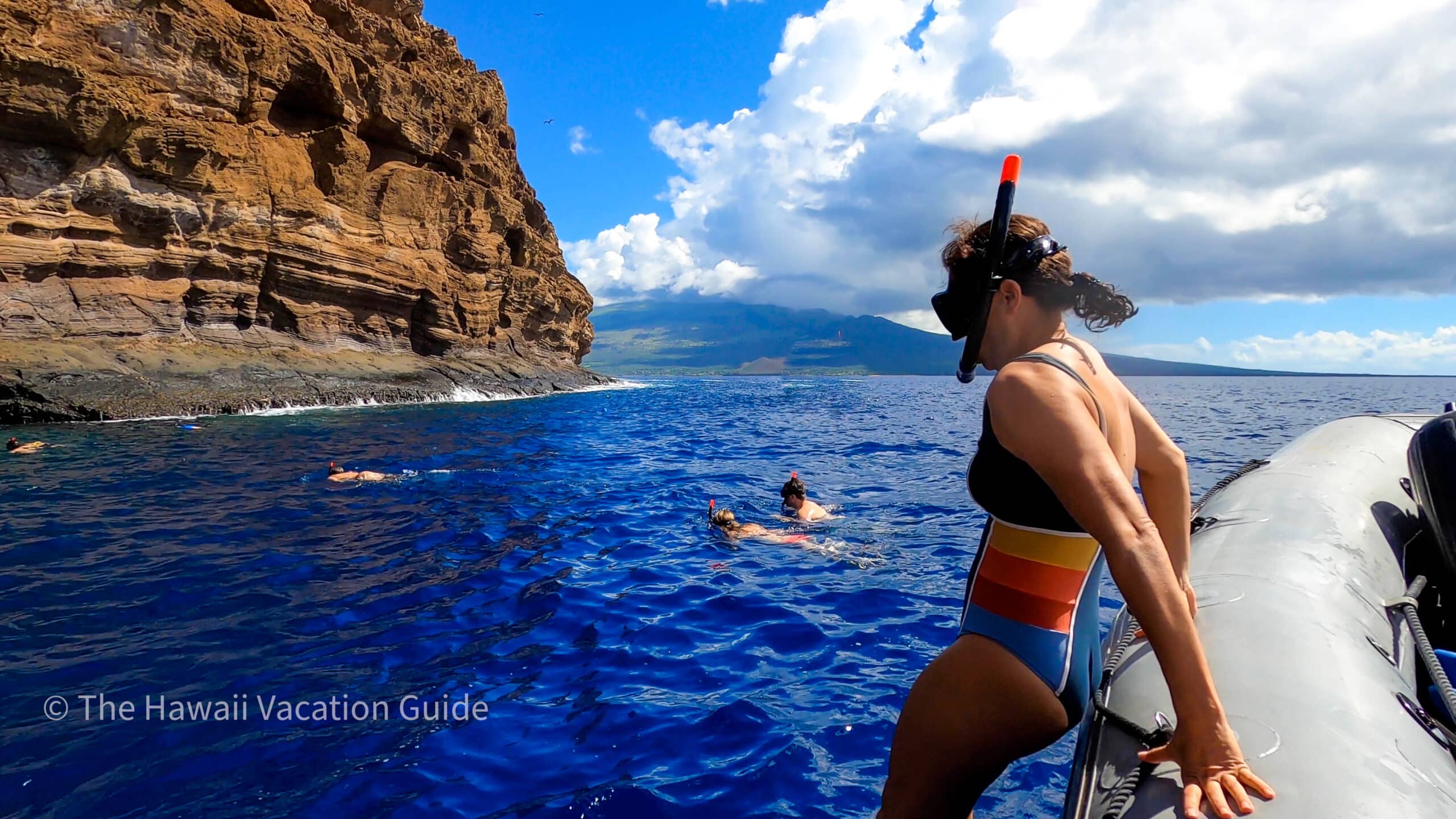
Guided Tours and Adventure Activities: Activities like snorkeling or diving tours, boat excursions to see whales or dolphins, helicopter tours of volcanic landscapes or waterfalls, zip-lining, and surfing lessons can range from $100 to several hundred dollars per person. Research reputable tour operators, read reviews, and compare prices. Consider opting for group tours over private excursions to save money.

Cultural and Historical Sites: Entrance fees for historical sites such as Pearl Harbor, Iolani Palace, or Polynesian Cultural Center, as well as admission to botanical gardens and museums, are generally more affordable but can add up if you plan to visit many. Many of these sites offer valuable insights into Hawaiian history and culture, making them worthwhile investments.
Lu’aus and Cultural Performances: Attending a traditional lu’au is a quintessential Hawaiian experience, offering a glimpse into Polynesian culture with food, music, and dance. Prices for lu’aus typically range from $100 to $200 per person, depending on the venue and the included amenities. Some venues offer just the show without the full dinner, which can be a slightly more budget-friendly option.
Dining and Food Costs: Savoring the Flavors of Hawaii
Food is another significant expense during a Hawaiian vacation. While indulging in the local cuisine is a must, managing your dining budget is essential.
Restaurant Dining: Dining out in Hawaii can be expensive, particularly at upscale restaurants or those with ocean views. A typical sit-down meal can cost anywhere from $30 to $100+ per person, depending on the establishment.
Local Eateries and Food Trucks: To control costs, explore local eateries, food trucks, and casual restaurants. These often offer delicious and authentic Hawaiian fare at more reasonable prices. Farmers’ markets are also a great way to sample local produce and prepared foods.
Self-Catering: As mentioned earlier, if you opt for a vacation rental with a kitchen, preparing some of your own meals can lead to substantial savings. Grocery shopping at local supermarkets can be more affordable than eating out for every meal.
Happy Hour and Lunch Specials: Take advantage of happy hour deals at restaurants for discounted drinks and appetizers. Many establishments also offer more affordable lunch menus that can be a great way to sample their offerings without the full dinner price.
Smart Financial Strategies for Maximizing Your Hawaiian Experience
Beyond simply budgeting, employing smart financial strategies can significantly enhance your ability to enjoy Hawaii while remaining fiscally responsible. These tactics focus on maximizing value, minimizing unnecessary expenses, and making informed financial decisions throughout your trip.
Leveraging Loyalty Programs and Travel Rewards
For frequent travelers, accumulating and utilizing loyalty points and travel rewards can drastically reduce the cost of a Hawaiian vacation.
Airline Miles and Hotel Points: If you have airline miles or hotel points from credit cards or other loyalty programs, consider redeeming them for flights to Hawaii or for your accommodation. Many travel credit cards offer sign-up bonuses that can be substantial enough to cover a significant portion of your airfare. Research which airlines and hotel chains have the strongest presence and reward programs in Hawaii.
Travel Credit Cards: Consider using a travel-focused credit card for your travel expenses. These cards often offer bonus points on travel purchases, travel insurance benefits, and access to airport lounges, which can enhance your overall travel experience. Be sure to understand the terms and conditions of any credit card, especially regarding interest rates and annual fees.
Finding Deals and Discounts: The Savvy Traveler’s Approach
The internet has made it easier than ever to find deals and discounts for almost anything, and a trip to Hawaii is no exception.
Online Deal Websites and Apps: Many websites and apps specialize in offering discounted tours, activities, and even accommodation packages for Hawaii. Websites like Groupon, LivingSocial, and dedicated travel deal sites can be excellent resources. Regularly check these platforms for limited-time offers.
Local Coupons and Promotions: Upon arrival, keep an eye out for local coupon books and promotional flyers that are often available at tourist information centers, hotels, and rental car agencies. These can offer discounts on restaurants, attractions, and even merchandise.
Student and Senior Discounts: If you qualify, always inquire about student or senior discounts at attractions, museums, and even on some tours. Many places offer reduced rates for these demographics.
Free Activities: Don’t underestimate the value of free activities. Hawaii boasts an abundance of stunning beaches, scenic hiking trails, and opportunities to witness breathtaking sunsets that cost absolutely nothing. Prioritize these natural wonders to enhance your experience without impacting your budget.

Managing On-Island Finances: Practical Tips for Spending
Once you’re in Hawaii, practical money management is crucial to avoid impulse spending and stay within your budget.
Using Cash vs. Credit: While credit cards are widely accepted, carrying some cash can be useful for smaller purchases, tipping at local markets, or at establishments that may not accept cards. However, for larger purchases, using a credit card can offer better protection and rewards.
Setting Daily Spending Limits: Before you embark on your daily excursions, set a realistic daily spending limit for yourself. This helps to curb impulsive purchases and ensures you are mindful of your overall budget.
Tracking Your Expenses: Use a travel expense tracking app or a small notebook to record your spending. This provides a clear overview of where your money is going and allows you to make adjustments if necessary.
Being Mindful of Souvenirs: Souvenirs can be a wonderful reminder of your trip, but they can also become a significant expense. Set a budget for souvenirs and focus on purchasing items that are meaningful and locally made, rather than generic trinkets.
By approaching your Hawaiian vacation with a financially savvy mindset, you can transform a dream trip into an accessible reality. The key lies in thorough planning, diligent research, and a commitment to smart spending. Hawaii offers an unparalleled experience, and with careful financial management, you can savor every moment without the lingering worry of financial strain, truly embracing the spirit of aloha.
aViewFromTheCave is a participant in the Amazon Services LLC Associates Program, an affiliate advertising program designed to provide a means for sites to earn advertising fees by advertising and linking to Amazon.com. Amazon, the Amazon logo, AmazonSupply, and the AmazonSupply logo are trademarks of Amazon.com, Inc. or its affiliates. As an Amazon Associate we earn affiliate commissions from qualifying purchases.