
The iconic image of a chess player meticulously noting moves on a scoresheet during a high-stakes match is deeply ingrained in the sport’s tradition. However, what was once a manual, analog process has been profoundly transformed by technology, shifting from simple record-keeping to a sophisticated system of data capture, analysis, and real-time dissemination. Far from just “writing down,” players, organizers, and analysts are leveraging advanced tech to enhance every facet of the game.
The Evolution of Chess Notation: From Pen and Paper to Pixels
For centuries, the primary method of recording a chess game involved pen and paper, utilizing specific notation systems. This tradition, while enduring, has been significantly augmented, and in many professional contexts, replaced by digital solutions that offer unparalleled accuracy, efficiency, and analytical potential.
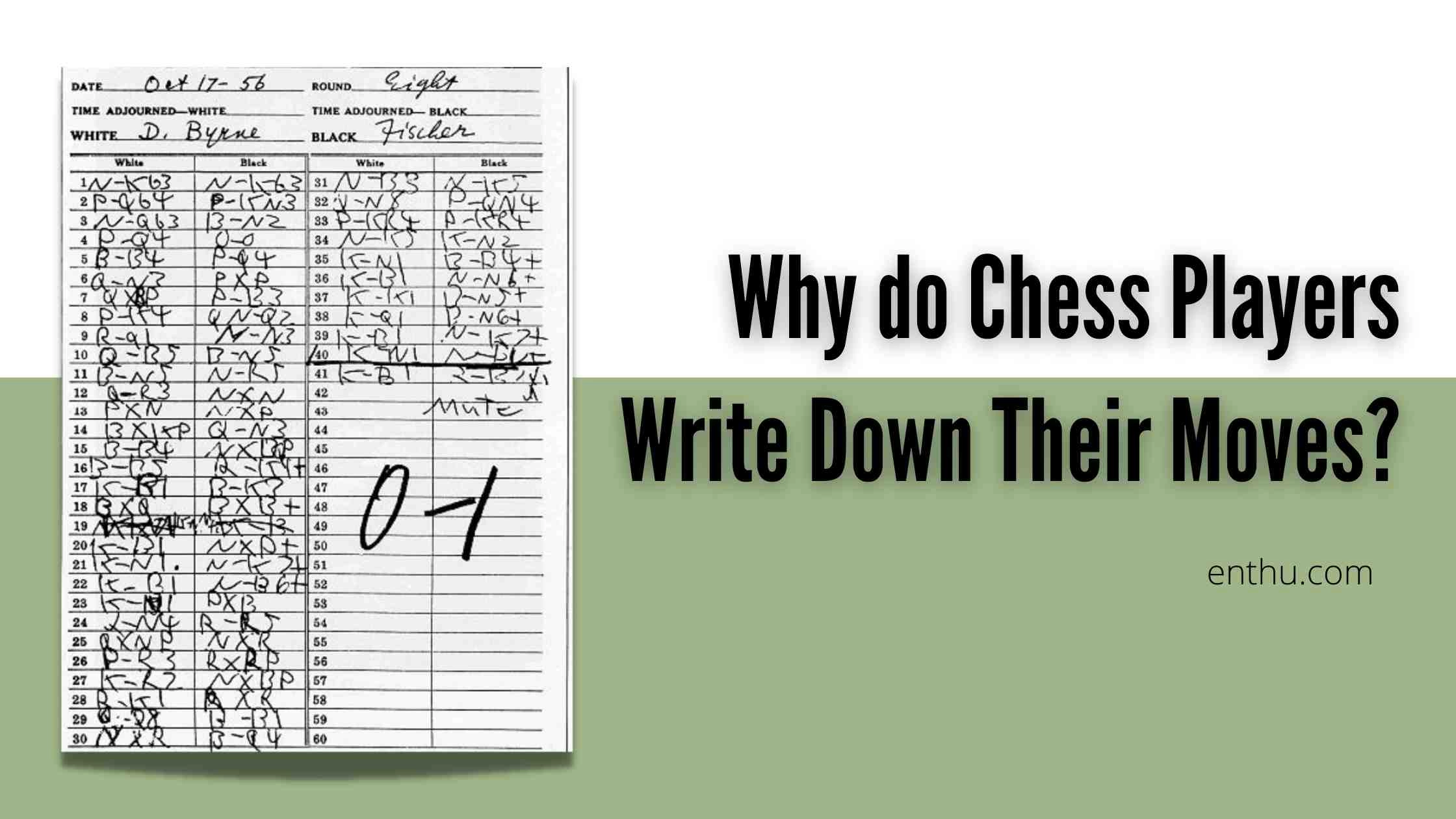
Algebraic Notation: The Universal Language
The foundation of modern chess recording is algebraic notation. This standardized system assigns each square on the board a unique coordinate (e.g., e4, Nf3) and describes moves with conciseness and clarity (e.g., 1. e4 c5 2. Nf3 d6). Its global adoption in the 20th century standardized communication and facilitated the accurate reconstruction of games, making it the bedrock for both manual and digital recording. While manual recording still relies on players physically transcribing these moves, the efficiency and secondary uses of this data have expanded exponentially with technological integration.
Manual Recording: The Time-Honored Tradition
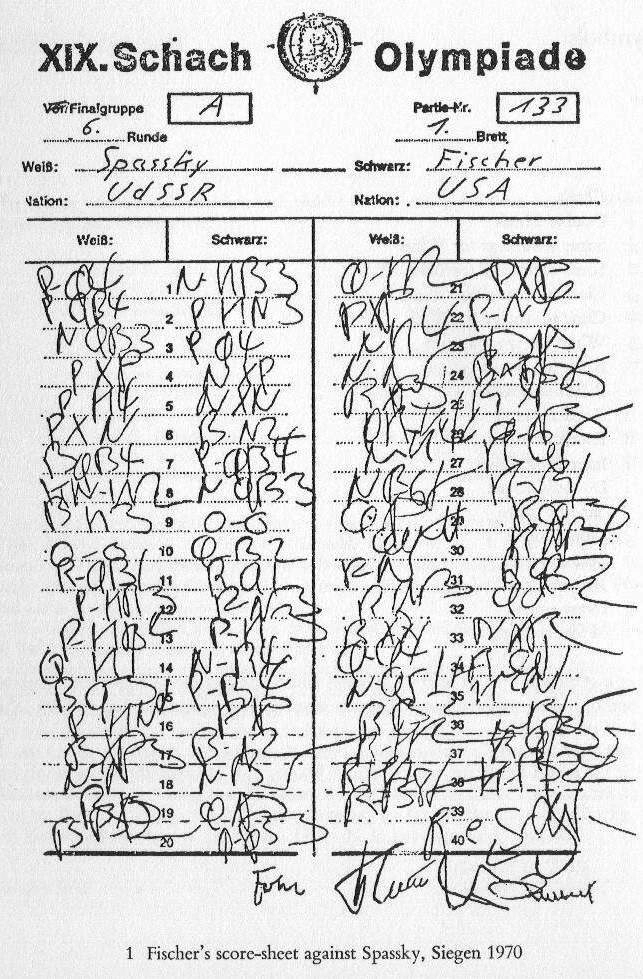
In official FIDE-rated tournaments, players are still required to manually record moves on a paper scoresheet. This serves several critical functions: it provides an undeniable record of the game for arbiters in case of disputes, fulfills the legal requirement for submitting games to rating agencies, and allows players to review their own game after it concludes. However, the manual aspect is often limited to the players’ immediate responsibilities. The real-time capture and subsequent processing of this data often involve a swift digital conversion. In major events, these paper scoresheets are immediately scanned or manually input into digital databases post-game, allowing for rapid sharing and analysis. This bridge between analog necessity and digital utility highlights the dual nature of modern chess record-keeping.
The Shift to Digital: Early Devices and Software
The advent of personal computers and specialized chess software marked the first significant technological leap. Early chess databases allowed players to store, search, and analyze game collections digitally. Software like ChessBase, initially a database management system, revolutionized how players studied openings, endgames, and opponent strategies. This era also saw the development of dedicated electronic chessboards (like the DGT board, discussed below) and rudimentary applications that could display and record games, albeit with less real-time integration than today’s solutions. These initial steps laid the groundwork for the comprehensive digital ecosystem that now defines competitive chess.
Digital Tools for Game Recording: Accuracy and Efficiency
The core of modern chess technology lies in its ability to accurately and efficiently capture game data. This is no longer just about writing down moves; it’s about generating a clean, digital dataset that can be instantly processed, shared, and analyzed.
Electronic Scoreboards and DGT Boards
One of the most prominent pieces of tech in professional chess is the Digital Game Technology (DGT) board. These electronic chessboards contain sensors under each square that detect the presence and type of chess pieces. As players move their pieces, the board automatically registers the moves and transmits them digitally. This real-time data stream feeds into several crucial systems:
- Automatic Recording: The moves are instantly saved in a digital format (typically PGN – Portable Game Notation). This eliminates human error in transcription and frees players from the obligation of immediate manual recording for arbiter purposes, though they still maintain a paper scoresheet as a primary reference.
- Live Broadcasts: The digital move data is the backbone of live online broadcasts, allowing spectators worldwide to follow games in real-time, often with accompanying engine analysis and commentary.
- Timestamps: DGT boards also integrate with digital chess clocks, recording not just the move but also the precise time taken for each move, providing invaluable data for deep post-game analysis of time management.
- Error Prevention: By automating the recording, the chance of disputes over move sequences during a game is drastically reduced, as the electronic record serves as an objective arbiter.
Beyond DGT boards, many tournaments utilize electronic scoreboards that display the current game state, move list, and time remaining, further enhancing the spectator experience and providing an additional layer of verification.
Mobile Apps and Software Solutions for Players
While DGT boards are standard for top-tier events, players at all levels benefit from mobile applications and desktop software designed for game recording and analysis. Apps like Chess.com’s game recorder, Lichess’s study tools, or specialized desktop software allow players to:
- Input Games Manually: After a casual game or a tournament game where a DGT board wasn’t available, players can quickly input moves from their paper scoresheet into a digital format.
- Review and Annotate: These platforms allow players to add annotations, variations, and comments to their games, creating a personalized study resource.
- Cloud Synchronization: Games are often synchronized to cloud services, making them accessible across devices and easily shareable with coaches or study partners.
- Integrate with Analysis Engines: Many apps come with built-in or integrated chess engines (like Stockfish), providing immediate post-game analysis capabilities directly from the recorded game.
Cloud Integration and Database Management
The digital recording of games generates vast amounts of data. Cloud technology and advanced database management systems are essential for handling this volume. Major chess organizations and professional players maintain extensive databases of games, often numbering in the millions. These databases are:
- Searchable: Players can search for games by opponent, opening, specific move sequences, or even thematic elements.
- Updatable: New games from tournaments worldwide are regularly added, keeping the database current.
- Accessible: Cloud-based solutions allow players and coaches to access this massive repository of chess knowledge from anywhere, enabling deep study and preparation.
- Securable: Protecting this valuable data from loss or unauthorized access is a key consideration, with robust cybersecurity measures in place.
The Data Goldmine: AI, Analytics, and Strategic Insights
The ultimate purpose of meticulously recording chess moves, especially with modern digital tools, extends far beyond simple record-keeping. It’s about creating a rich dataset that, when combined with artificial intelligence and advanced analytics, unlocks unprecedented strategic insights and training opportunities.
Engine Analysis: Post-Game Review and Error Detection
Perhaps the most impactful application of recorded game data is its use with chess engines. After a game is completed and digitally recorded, it can be fed into powerful engines like Stockfish, Leela Chess Zero, or Komodo. These engines analyze every move, assigning an objective evaluation, identifying blunders, mistakes, and brilliant moves.
- Objective Assessment: Engines provide an unbiased perspective on game quality, highlighting critical moments and turning points.
- Learning from Mistakes: Players can pinpoint exactly where they went wrong, understand the superior alternative, and learn to avoid similar errors in future games.
- Understanding Opponents: Analyzing an opponent’s past games with an engine can reveal patterns in their decision-making, their comfort zones, and their weaknesses.
AI Training and Opening Databases
The vast collection of digitally recorded games forms the bedrock for training advanced chess AI. Modern neural network-based engines like AlphaZero and Leela Chess Zero learn by playing millions of games against themselves, but their understanding of human play and opening theory is often enhanced by exposure to extensive human game databases.
- Opening Theory Evolution: By analyzing millions of human games, AI can identify trends, forgotten lines, and novelties in opening theory, pushing the boundaries of strategic understanding.
- Personalized Training: Future AI applications could leverage a player’s own recorded games to identify specific weaknesses, suggest tailored exercises, and even simulate personalized opponents.
Player Tendency Analysis and Preparation
For professional players, the digital record of past games is a critical scouting tool. Coaches and analysts pour over opponent databases to uncover strategic tendencies.
- Opening Preferences: Which openings does an opponent typically play? Are they more comfortable with aggressive or positional lines?
- Middlegame Styles: Do they prefer tactical complications or quiet maneuvering? Are they strong in specific types of positions (e.g., endgames with rooks, open positions)?
- Psychological Profiles: Time management patterns, tendencies under pressure, and common error types can be inferred from a player’s game history, informing psychological preparation.
- Novelty Preparation: Identifying common opponent lines allows for pre-game preparation of surprising “novelties” – new or unexpected moves in known opening lines designed to throw an opponent off balance.
Beyond Recording: Live Broadcasts and Anti-Cheating Tech
The digital transformation of chess recording extends beyond personal study and analysis, playing a pivotal role in the sport’s public presentation and integrity.
Real-time Transmission for Spectators
The DGT boards and related software are the core technology enabling live chess broadcasts. The instantaneous capture of moves allows online platforms (like Chess.com, Lichess, FIDE’s official channels) to display games to millions of viewers globally, often accompanied by:
- Live Commentary: Grandmasters and commentators provide real-time analysis and insights.
- Engine Evaluation: Viewers see the current engine evaluation of the position, adding another layer of understanding.
- Player Statistics: Dynamic display of player ratings, head-to-head records, and time usage.
This real-time transmission has democratized access to top-level chess, transforming it into a compelling online spectacle.
Detecting Anomalies: Technology’s Role in Fair Play
The meticulous digital record of every move and timestamp has become an invaluable tool in the ongoing fight against cheating, particularly in online and hybrid tournaments.
- Move-Matching Algorithms: Advanced software compares a player’s moves to the optimal moves suggested by powerful chess engines. A consistently high correlation (often over 95% accuracy for an extended period) can be a strong indicator of engine assistance.
- Time Management Analysis: Anomalous time usage patterns (e.g., taking too long on simple moves but moving instantly on complex ones) can also raise red flags.
- Behavioral Biometrics: While still emerging, technologies that monitor eye movements, mouse clicks, or even physiological responses could further enhance anti-cheating efforts, though these raise privacy concerns.
The digital trail left by recorded games provides crucial evidence, enabling arbiters and anti-cheating experts to maintain the integrity of the sport.

The Future of Chess Data and Integration
Looking ahead, the role of technology in “writing down” chess is set to expand even further. Expect greater integration of AI into live broadcasts for predictive analysis and dynamic commentary. Personalized AI coaches that learn from a player’s specific gameplay patterns will become more sophisticated. Wearable tech might even integrate physiological data into performance analysis. The humble act of recording moves has evolved into a complex, interconnected digital ecosystem, driving innovation, enhancing performance, and securing the future of competitive chess.
aViewFromTheCave is a participant in the Amazon Services LLC Associates Program, an affiliate advertising program designed to provide a means for sites to earn advertising fees by advertising and linking to Amazon.com. Amazon, the Amazon logo, AmazonSupply, and the AmazonSupply logo are trademarks of Amazon.com, Inc. or its affiliates. As an Amazon Associate we earn affiliate commissions from qualifying purchases.