
In the world of literature, a theme is the invisible thread that binds a narrative together, transforming a sequence of events into a meaningful experience. When we ask, “What are themes in a book?” we are essentially asking about the “why” behind the “what.” A theme is not the plot; it is the underlying message, the philosophical argument, or the universal truth that the author explores through characters and conflict. In the context of brand strategy and corporate identity, this concept is remarkably potent. Just as a classic novel uses themes to resonate with readers across generations, a world-class brand uses narrative themes to build deep, emotional connections with its audience.
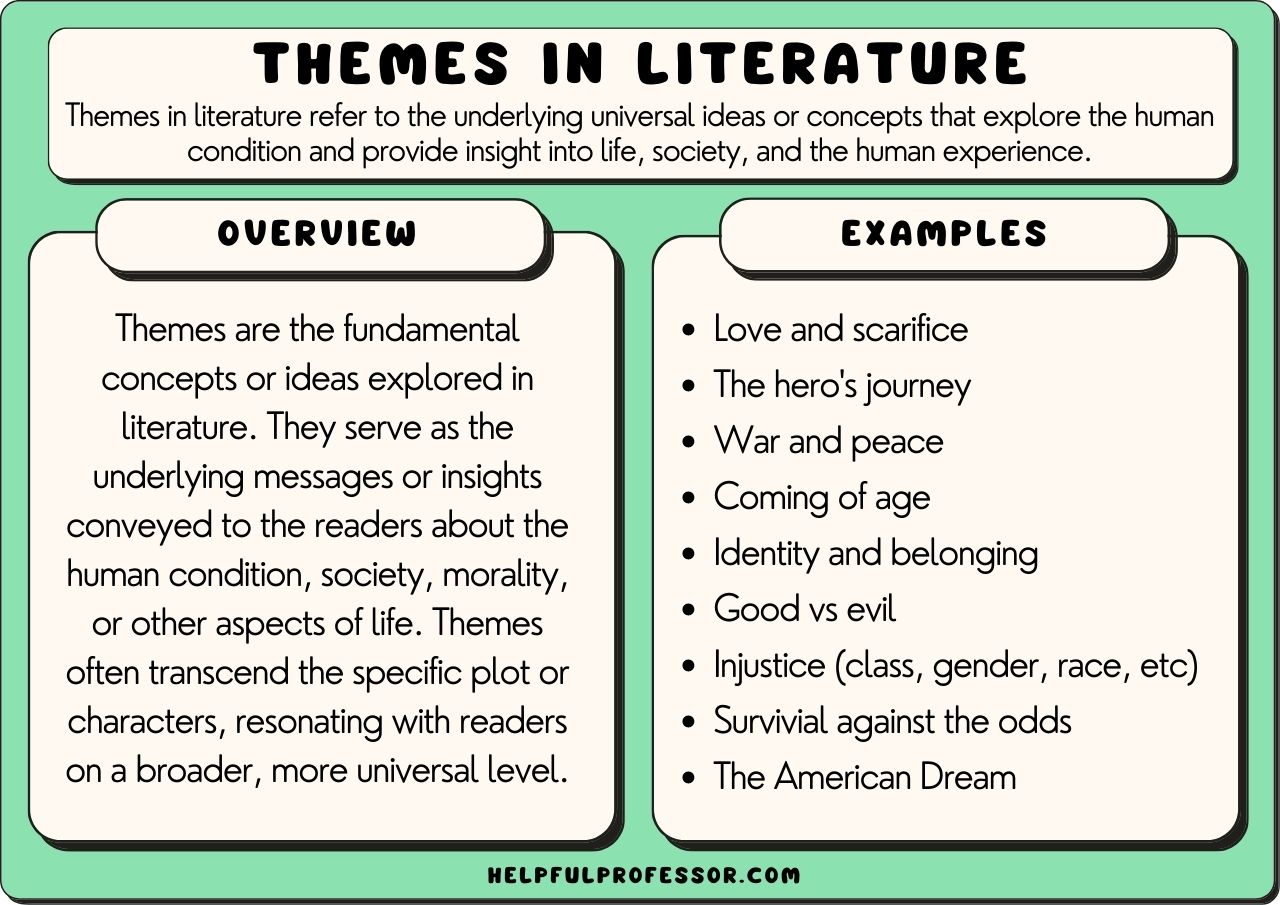
In brand strategy, themes function as the soul of the organization. While the “plot” of a business might involve product launches, quarterly earnings, and marketing campaigns, the “theme” is the enduring value proposition and the emotional resonance that remains in the consumer’s mind long after a transaction is completed. Understanding how to identify and deploy these themes is the difference between a commoditized service and a brand that commands loyalty and premium pricing.
Defining the Thematic Core: Why Subtext Governs Brand Perception
To master brand strategy, one must first master the distinction between the explicit and the implicit. In a book, the explicit is the dialogue and the action. The implicit is the theme—the subtext that gives the action weight. For a brand, the explicit elements are the logo, the website, and the product features. The theme is the unspoken promise that these elements represent.
The Difference Between Story, Plot, and Theme in Business
Many brand strategists confuse plot with theme. In a business context, the “plot” is the customer journey: a person identifies a problem, finds your product, and makes a purchase. This is a functional narrative. The “story,” by contrast, is the broader context of that journey. However, the “theme” is the fundamental human experience that the brand addresses.
For example, if a company sells high-end security software, the plot is “securing data.” The story might be “a company overcoming a cyberattack.” But the theme is “peace of mind” or “the sanctity of privacy.” When a brand focuses on its theme rather than its plot, it shifts the conversation from features to values. This shift is critical for high-level brand positioning because competitors can copy features, but they cannot easily replicate a well-entrenched thematic identity.
Identifying Your Brand’s “Universal Truth”
Every successful book revolves around a universal truth—love, betrayal, ambition, or sacrifice. Similarly, every iconic brand must ground itself in a truth that transcends its industry. To identify this, brand architects must look beyond what the product does and ask what it means.
Consider the difference between a brand that themes itself around “Efficiency” versus one that themes itself around “Freedom.” A financial tool themed around efficiency will focus its brand strategy on speed, automation, and technical prowess. A tool themed around freedom will focus on the life the user can lead because they are no longer burdened by financial stress. The latter creates a much stronger emotional tether. By identifying a universal truth, a brand can anchor its identity in a way that feels both timeless and essential to the consumer’s self-perception.
Thematic Archetypes: The Psychology of Resonant Branding
Literature relies heavily on archetypes to convey themes efficiently. These archetypes—the Hero, the Sage, the Rebel, the Innocent—provide a shorthand for complex thematic ideas. In brand strategy, leveraging these same archetypes allows a business to tap into pre-existing psychological structures in the consumer’s mind.
Leveraging the Hero’s Journey and Other Narrative Frameworks
The most common thematic structure in branding is the Hero’s Journey. In this framework, the customer is the hero, and the brand acts as the “Mentor” (the Gandalf or Obi-Wan figure) providing the tools needed to overcome a challenge. The theme here is “Empowerment.”
However, not every brand should follow this path. Some brands find greater success by adopting the “Rebel” theme. This is the theme of “Individualism” and “Non-conformity.” When a brand adopts this theme, its strategy revolves around challenging the status quo. The theme is not just a marketing angle; it dictates every aspect of the corporate identity, from the tone of voice in internal communications to the raw, unpolished aesthetic of its visual design.
Case Study: How Strategic Themes Drive Market Dominance
Consider the automotive industry. A brand like Volvo has spent decades building its identity around the theme of “Protection.” This theme is so deeply embedded that it influences more than just their advertisements; it dictates their engineering priorities, their patent-sharing history, and their corporate social responsibility initiatives. When consumers think of safety, they think of Volvo, not because of a single ad, but because the thematic consistency of “Protection” is present in every “chapter” of the brand’s history.

Conversely, a brand like Tesla utilizes the theme of “Futurism” and “The Infinite.” Their brand strategy isn’t just about electric vehicles; it’s about a thematic shift in how humanity interacts with energy. By aligning their brand with such a grand literary-scale theme, they bypass traditional automotive marketing metrics and enter the realm of cultural movement.
How to Build a Thematic Content Strategy
Once a theme is identified, it must be meticulously woven into the brand’s output. In a book, a theme is reinforced through motifs—recurring symbols or patterns. In brand strategy, motifs are the consistent visual and verbal cues that remind the audience of the underlying theme.
Consistency vs. Repetition: Keeping the Theme Fresh
The greatest challenge in thematic branding is the balance between consistency and repetition. A book that repeats its theme too bluntly becomes didactic and boring. A brand that does the same becomes “one-note.” The key is to express the theme through different lenses.
If your brand theme is “Discovery,” your content strategy should explore discovery from various angles: the discovery of new places (travel), the discovery of self (personal growth), and the discovery of new ideas (innovation). This allows the brand to remain consistent without becoming predictable. Each piece of content serves as a different scene in a larger narrative, all contributing to the same thematic conclusion.
The Role of Design in Expressing Non-Verbal Themes
Design is the visual language of theme. If a brand’s theme is “Simplicity,” but its website is cluttered and difficult to navigate, there is a thematic dissonance that erodes trust. Every design choice—from the weight of the typography to the saturation of the color palette—must be a reflection of the theme.
For example, a brand with a “Luxury” theme will often use high-contrast color schemes, expansive white space, and serif fonts to evoke a sense of heritage and exclusivity. These are the visual motifs of the theme. When the design aligns perfectly with the narrative theme, the brand achieves a level of “invisible” communication that influences consumer behavior on a subconscious level.
Measuring the Impact of Narrative Themes on Brand Equity
While themes may seem abstract, their impact on the bottom line is measurable. High-level brand strategy requires tracking how well a theme is landing with the target audience and how that resonance translates into brand equity.
Emotional Loyalty and the Science of Thematic Resonance
Functional loyalty is based on convenience or price, but thematic loyalty—often called emotional loyalty—is based on shared values. Brands that successfully project a clear theme often see higher Net Promoter Scores (NPS) and lower customer acquisition costs over time. This is because a strong theme acts as a filter; it attracts the “right” customers who see themselves in the brand’s story and repels those who do not align with its values. This self-segmentation is a powerful tool for marketing efficiency.
Translating Literary Themes into Market Share
Thematic clarity also provides a “moat” against competitors. In a saturated market, most businesses compete on “what” they do. Brands with a strong thematic identity compete on “who” they are. This makes it significantly harder for a competitor to steal market share based on price alone. When a customer buys into a brand’s theme—whether it’s the “Adventurous Spirit” of an outdoor brand or the “Reliability” of a legacy bank—they are buying a piece of a story that they want to be a part of.

Conclusion: Crafting a Brand That Reads Like a Classic
When we look at what themes are in a book, we see the blueprint for something that lasts. The same logic applies to the most successful brand strategies in history. A brand without a theme is just a business; it is a series of transactions without a soul. A brand with a theme is a narrative that people want to join, support, and advocate for.
By identifying a core theme, utilizing archetypes, and maintaining thematic consistency across all touchpoints, a company can transform its corporate identity from a cold entity into a living, breathing story. In the modern economy, where attention is the most valuable currency, the ability to tell a deep, thematic story is the ultimate competitive advantage. Great brands, like great books, are remembered not for what they did, but for how they made us feel and the truths they helped us discover about ourselves.
aViewFromTheCave is a participant in the Amazon Services LLC Associates Program, an affiliate advertising program designed to provide a means for sites to earn advertising fees by advertising and linking to Amazon.com. Amazon, the Amazon logo, AmazonSupply, and the AmazonSupply logo are trademarks of Amazon.com, Inc. or its affiliates. As an Amazon Associate we earn affiliate commissions from qualifying purchases.