
In the world of global finance, professional investors are constantly searching for patterns. From the Kondratiev waves to the Decennial Cycle, the attempt to map human behavior and economic output onto chronological timelines is a cornerstone of strategic planning. One of the most fascinating—and often overlooked—frameworks in this regard is the Chinese Zodiac, specifically the Year of the Dragon. While it originates in ancient tradition, the “Dragon” holds significant weight in modern personal finance, market sentiment, and international investment strategies.
Understanding the years of the dragon is not merely an exercise in cultural curiosity; for the savvy investor, it is an exploration of market psychology and the cyclical nature of the Eastern economies that now drive a massive portion of global GDP.

Understanding the Cycle: The Historical Intersection of the Dragon and Global Wealth
The Dragon is the fifth animal in the 12-year cycle of the Chinese zodiac. Unlike other signs, the Dragon is the only mythological creature in the sequence, representing power, strength, and good fortune. In financial terms, these periods are historically characterized by high energy, increased risk appetite, and significant capital movement.
Identifying the Years of the Dragon
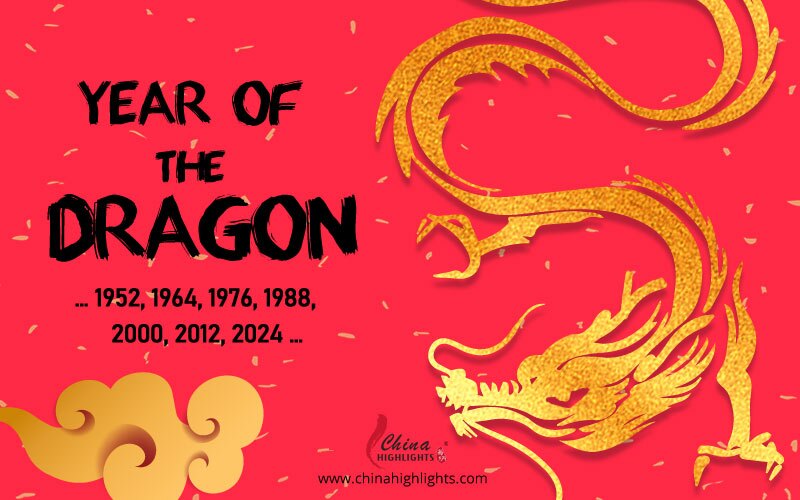
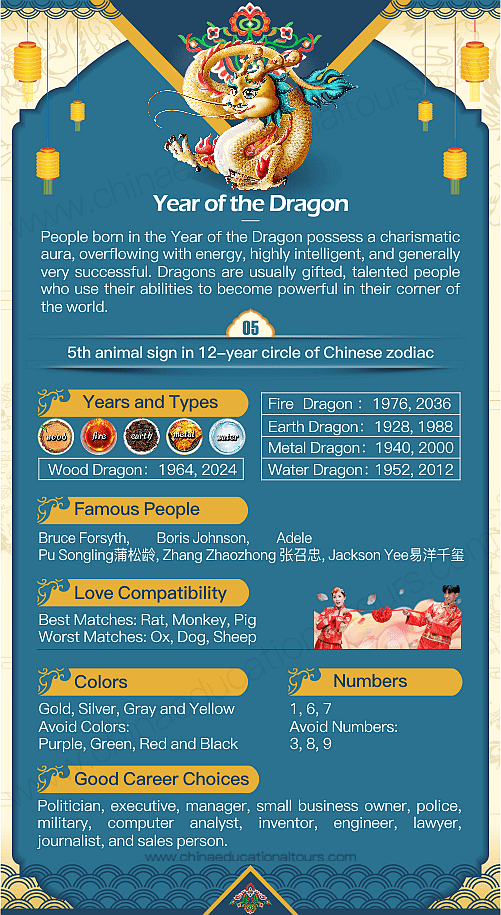
To navigate these cycles, one must first identify the timeline. The Year of the Dragon occurs every twelve years. Recent and upcoming Dragon years include:
-
1988: The Year of the Earth Dragon
-
2000: The Year of the Metal Dragon
-
2012: The Year of the Water Dragon
-
2024: The Year of the Wood Dragon
-
2036: The Year of the Fire Dragon
Each of these years has coincided with pivotal moments in economic history. For instance, 1988 saw the peak of the Japanese asset price bubble, while 2000 marked the height of the Dot-com boom. By identifying these years, investors can begin to look for the “echoes” of past performance in current market conditions.
The “Dragon Effect” on East Asian Economies
The economic impact of the Dragon year is most visible in the Greater China region and Southeast Asia. There is a documented phenomenon where birth rates often spike during Dragon years, as parents believe children born under this sign will be naturally successful. In the long term, this creates “demographic bulges” that impact everything from education spending to real estate demand and, eventually, the labor market.
From a money perspective, this results in increased consumer spending. During these years, we often observe a surge in “auspicious” purchases—luxury goods, gold, and property. For an investor, this means keeping a close eye on consumer discretionary stocks and Asian-market ETFs leading up to and during these specific twelve-month windows.
Market Performance and the Zodiac: Myth vs. Reality in Personal Finance
When we move beyond the cultural narrative, what does the data say? The financial world has long debated whether the “Zodiac Effect” is a statistical anomaly or a self-fulfilling prophecy driven by investor sentiment.
Historical Returns During Dragon Years
Data from the Hong Kong Stock Exchange (HKEX) and the Hang Seng Index reveals an intriguing trend. Historically, Dragon years have often yielded positive returns, though they are frequently accompanied by high volatility. The Year of the Metal Dragon (2000), for example, was a period of extreme growth for tech stocks before the eventual correction.
In personal finance, this suggests that Dragon years are periods of “high beta.” They are years where aggressive growth strategies often outperform conservative ones, but only if the investor has a clear exit strategy. The psychological boost provided by the “luck” associated with the Dragon can lead to increased trading volume and market liquidity, pushing valuations higher than fundamentals might otherwise suggest.
Volatility and Investor Sentiment
Wealth management is as much about psychology as it is about mathematics. In many Asian financial hubs, the CLSA Feng Shui Index is a tongue-in-cheek but widely read report that tracks how zodiac signs might influence the markets.
While institutional investors in the West might dismiss this, the sentiment it creates is very real. If millions of retail investors believe a year is “lucky” for gold or property, their collective buying power will drive those prices up. This creates a feedback loop. In the “Money” niche, we call this market sentiment analysis. Understanding the Years of the Dragon allows an investor to anticipate these waves of optimism and position their portfolio accordingly before the retail surge.
Strategic Asset Allocation for the Upcoming Dragon Cycles
Knowing the dates is step one; knowing where to put your money is step two. Asset allocation during these high-energy cycles requires a balance between riding the momentum and hedging against the inevitable cooling-off period.
Diversifying into Emerging Markets
Because the Dragon is a central figure in Eastern finance, these years often see an influx of Foreign Direct Investment (FDI) into emerging markets in Asia. For an individual looking to grow their wealth, this is an opportune time to look at broad-market ETFs that cover Taiwan, South Korea, and Vietnam, in addition to mainland China.
The Year of the Wood Dragon (2024), for instance, focuses on growth and expansion. Historically, “Wood” years in the sexagenary cycle relate to themes of development and renewal. From a business finance perspective, this is the time to look at companies involved in infrastructure, green energy, and sustainable tech—industries that are currently receiving massive government subsidies across the globe.
The Role of Gold and Commodities in High-Growth Years
Gold has always held a special place in the Year of the Dragon. It is a traditional gift and a standard store of value during times of perceived transition. In your personal finance portfolio, gold often serves as a “buffer.”
During Dragon years, while the stock market might be surging on optimism, the demand for physical gold often remains high due to cultural traditions. This dual-demand—both as a financial hedge and a cultural commodity—can lead to price floors that protect investors from sudden market dips. A strategic allocation of 5-10% in precious metals or gold-backed securities can provide stability during the volatile “Dragon runs.”
Entrepreneurship and Side Hustles: Harnessing the Dragon’s Energy
The Years of the Dragon aren’t just for passive investors; they are historically seen as the best times to launch new ventures. In the context of “Online Income” and “Side Hustles,” the Dragon represents the “Big Idea.”
Starting a Business in a Dragon Year
For entrepreneurs, the “Dragon” years are associated with boldness. If you have been sitting on a business plan or a side hustle idea, these cycles often coincide with periods of easier access to venture capital and a higher tolerance for risk in the marketplace.
In 2024 and beyond, we are seeing this manifest in the explosion of AI-driven startups and decentralized finance (DeFi) tools. The “Dragon energy” in a professional context translates to high-speed innovation. However, the financial warning remains: because everyone is trying to launch their “Dragon venture” at once, the cost of customer acquisition (CAC) often rises. High-energy years require high-efficiency marketing.
Risk Management and Capital Preservation
The greatest risk during a Dragon year is “over-leverage.” Because the sentiment is so overwhelmingly positive, many small business owners and retail investors take on too much debt, assuming the growth will never end.
Professional wealth management dictates that for every aggressive “Dragon move” you make, you should have a corresponding capital preservation strategy. This might include:
-
Stop-loss orders on high-growth tech stocks.
-
Maintaining a high liquidity ratio in your business to pivot if the market overheats.
-
Diversifying income streams so that your side hustle isn’t your only source of wealth during a correction.
Future-Proofing Your Portfolio for 2036 and Beyond
As we look toward the next Year of the Dragon in 2036, the focus must shift toward long-term compounding and the evolution of financial tools.
Long-term Planning and Compound Growth
If you identify the Years of the Dragon as “milestones,” you can use them to audit your 12-year financial plans. Where do you want your net worth to be by the Fire Dragon of 2036? By breaking your financial goals into these 12-year zodiac cycles, you align yourself with the natural rhythm of market expansions and contractions.
Compound interest is the “dragon” of the financial world—it starts small and eventually becomes an unstoppable force. Using the years between the Dragon cycles (the “quieter” years of the Snake or the Goat) to steadily accumulate assets ensures that you are fully invested when the next Dragon year brings its characteristic market fervor.
The Evolution of Financial Tools
By the time the 2036 cycle arrives, the way we interact with “Dragon years” will have changed. We are already seeing the integration of AI in predicting sentiment-based market moves. Financial tools will likely offer “Zodiac-weighted” portfolios or sentiment-analysis bots that track cultural trends in real-time.
Staying ahead in the “Money” niche means recognizing that while the traditions are ancient, the methods we use to profit from them must be cutting-edge. Whether you are managing corporate finance or your own personal savings, the Years of the Dragon serve as a powerful reminder that history, culture, and capital are inextricably linked. By understanding these cycles, you can move from being a passive observer of the market to a strategic participant in its most energetic years.
aViewFromTheCave is a participant in the Amazon Services LLC Associates Program, an affiliate advertising program designed to provide a means for sites to earn advertising fees by advertising and linking to Amazon.com. Amazon, the Amazon logo, AmazonSupply, and the AmazonSupply logo are trademarks of Amazon.com, Inc. or its affiliates. As an Amazon Associate we earn affiliate commissions from qualifying purchases.