
In the intricate world of brand strategy and marketing, understanding your audience is paramount. Demographics, psychographics, and generational insights form the bedrock upon which successful campaigns are built. Among the various generational cohorts, Generation X—often termed the “middle child” generation—holds a unique and often underestimated position. Precisely identifying “what are the years of Gen X” is not merely a historical exercise; it’s a critical strategic imperative for brands aiming to connect authentically and effectively with a demographic that wields substantial purchasing power and influence.
This generation, nestled between the larger Baby Boomers and Millennials, possesses distinct characteristics, values, and consumption patterns forged by their formative experiences. For brands, grasping the chronological boundaries and the socio-cultural landscape that shaped Gen X is the first step in unlocking their potential as a loyal and discerning consumer base.

Pinpointing the Gen X Birth Years: A Definitional Quest for Marketers
Defining generational boundaries is rarely an exact science, often subject to academic debate and cultural interpretation. However, for brand strategists, converging on a generally accepted timeframe for Generation X is essential for targeted communication and product development.
The Conventional Wisdom: 1965-1980 and its Nuances
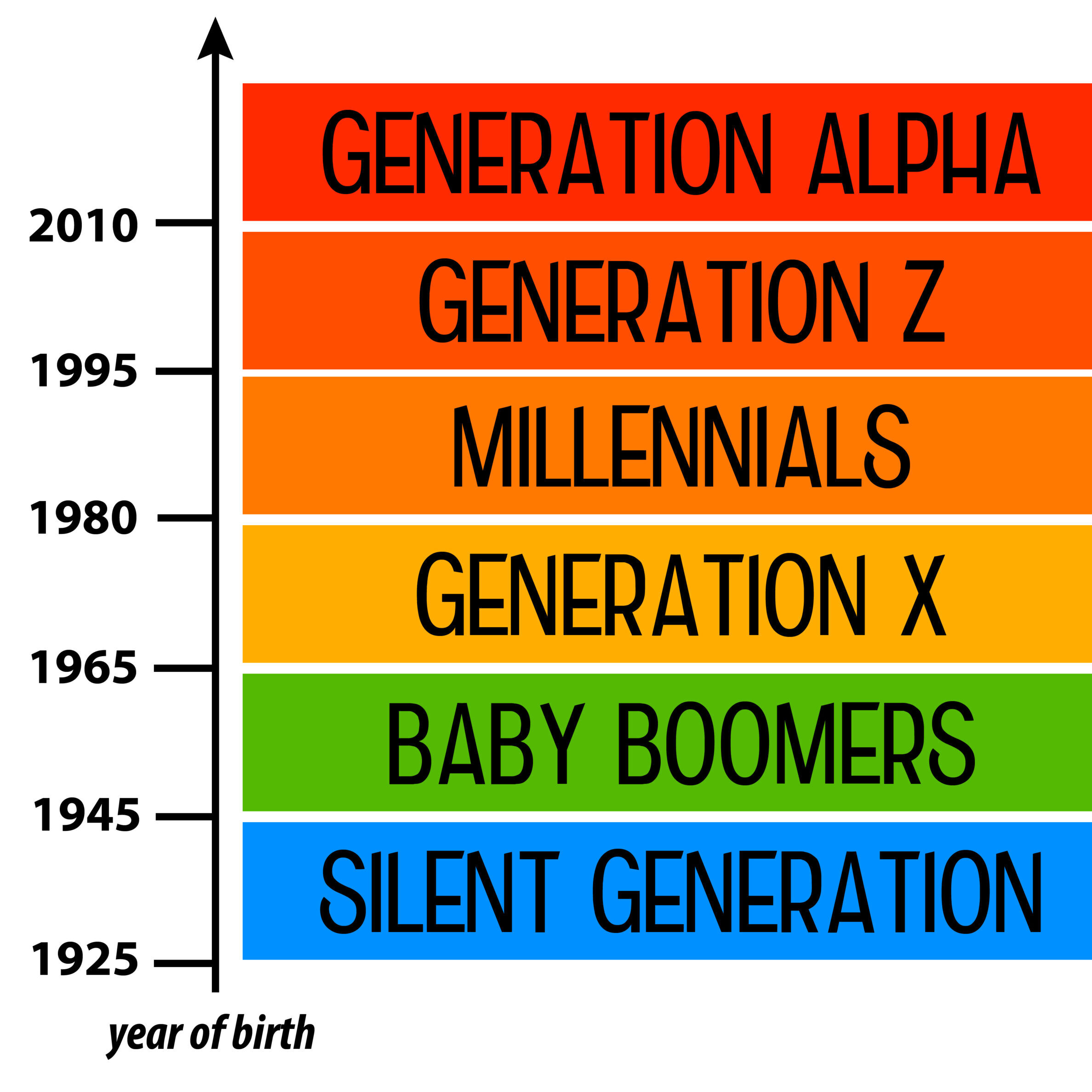
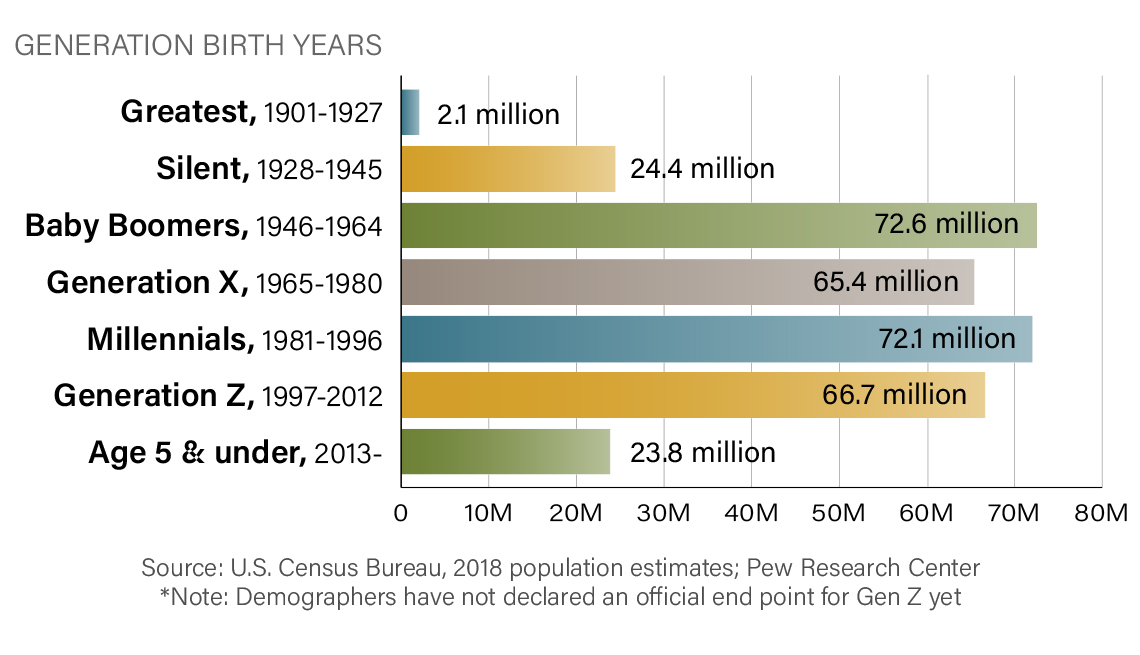
The most widely accepted birth years for Generation X typically span from 1965 to 1980. This 15-year window encompasses individuals who are currently in their mid-40s to late 50s, placing them squarely in prime earning and spending years, often at the peak of their careers and household formation. Organisations like the Pew Research Center, a leading authority on generational categorisation, largely adhere to this range, providing a stable foundation for marketers.
However, it’s crucial for brands to acknowledge the inherent fluidity and “cusp” phenomenon at the edges of these definitions. Individuals born in the early 1960s might share some characteristics with Gen X while retaining stronger ties to the Baby Boomer generation (often referred to as “Generation Jones”). Similarly, those born in the late 1970s and early 1980s may exhibit traits that bridge Gen X and early Millennials (sometimes called “Xennials”). For brand strategists, this nuance means that rigid adherence to dates without considering broader socio-cultural influences can lead to missed opportunities or misaligned messaging. Understanding that a “Gen X” identity is not just about a birth year but a shared set of experiences allows for more empathetic and effective branding.
Beyond Dates: The Socio-Cultural Signposts that Define the Generation
While birth years provide a framework, it’s the shared historical, economic, and cultural experiences that truly forge a generational identity and, consequently, their brand preferences. Generation X came of age during a period of significant societal shifts, which imprinted lasting values and perspectives.
They are often dubbed the “latchkey kids,” experiencing rising divorce rates and dual-income households, fostering a strong sense of independence and self-reliance from an early age. They witnessed the birth of MTV, the rise of personal computing (albeit in its nascent stages), and navigated a post-Watergate, post-Vietnam, Cold War-era world, leading to a healthy skepticism towards institutions and grand narratives. Economically, they entered a job market that was less forgiving than their Boomer predecessors, instilling a pragmatic and often entrepreneurial spirit.
For brands, these signposts are invaluable. They explain Gen X’s preference for authenticity over hype, their appreciation for quality and value, their comfort with technology as a tool rather than an identity, and their loyalty to brands that earn their trust through consistent performance and transparency. Understanding these foundational experiences allows brands to craft narratives that resonate deeply, speaking to the core values and practical concerns of this unique demographic.
The Brand Identity of Generation X: Values, Traits, and Preferences
Gen X’s collective experiences have sculpted a distinctive consumer identity, making them a fascinating and rewarding demographic for brands that take the time to understand them. Their brand identity is characterized by a blend of self-reliance, practicality, and a discerning eye for authenticity.
Independence, Resourcefulness, and Skepticism: Core Gen X Values
At the heart of the Gen X brand identity lies a profound sense of independence and resourcefulness. Growing up largely unsupervised, they learned to problem-solve and make their own way. This translates into consumer behavior marked by a desire for practical solutions and products that empower their autonomy. They are less swayed by fleeting trends and more interested in enduring utility and quality.
Their formative years also bred a healthy dose of skepticism. Having witnessed political scandals and corporate missteps, Gen X is acutely aware of spin and disingenuous marketing. Brands attempting to connect with Gen X must therefore prioritize transparency and authenticity. Overly polished or emotionally manipulative advertising often falls flat; instead, straightforward, benefit-driven messaging that respects their intelligence is far more effective. Trust is not given freely but earned through consistent delivery and an honest value proposition.
Bridging the Digital Divide: Early Adopters and Savvy Consumers
One of Gen X’s most defining characteristics is their unique position as the bridge generation between the analog and digital worlds. They remember a time before the internet and mobile phones, yet they were also early adopters of personal computers, email, and the nascent stages of the World Wide Web. This dual experience makes them highly competent, yet discerning, technology users.
Unlike digital natives who might embrace every new platform uncritically, Gen X evaluates technology based on its practical benefits and how it can simplify their lives or enhance their experiences. They are proficient online shoppers, savvy researchers, and active users of social media (often preferring platforms that offer utility or connection over constant performance, like Facebook or LinkedIn). For brands, this means an omnichannel approach is essential: Gen X expects seamless integration between online and offline experiences, and they appreciate well-designed, intuitive digital interfaces that respect their time. They are less likely to be impressed by flashy tech for tech’s sake and more by solutions that genuinely solve a problem or offer convenience.
Work-Life Balance and Loyalty: What Motivates Gen X Engagement
Having witnessed the career sacrifices of their Boomer parents and often balancing family responsibilities with demanding careers, Gen X places a high value on work-life balance. This impacts their purchasing decisions, as they often seek products and services that facilitate this balance – whether through time-saving conveniences, quality goods that last, or experiences that offer genuine relaxation and enrichment.
Their loyalty, once earned, is a powerful asset for brands. Unlike generations that might constantly seek the next new thing, Gen X values consistency and reliability. A brand that delivers on its promises, provides excellent customer service, and maintains a high standard of quality is likely to retain their business for the long term. Their engagement is driven by a desire for value, functionality, and a brand relationship built on trust and mutual respect, rather than fleeting emotional appeals.
Marketing to the “Middle Child” Generation: Strategies for Brand Engagement
Effectively engaging Generation X requires a nuanced approach that acknowledges their unique blend of independence, pragmatism, and digital fluency. Brands must move beyond generic strategies and tailor their outreach to resonate with this powerful demographic.
Authentic Messaging and Value Proposition
The cornerstone of marketing to Gen X is authenticity. Brands must speak to them honestly, without excessive hype or overly sentimental appeals. Their skepticism means they will quickly see through superficiality. Instead, focus on clear, concise messaging that highlights the tangible benefits and practical value of your product or service. What problem does it solve? How will it make their lives easier, more efficient, or more enjoyable?
Show, don’t just tell. Demonstrate product features, offer testimonials from real users, and emphasize quality and durability. Brands that under-promise and over-deliver will earn their trust. Storytelling should be understated and relatable, focusing on everyday scenarios rather than aspirational fantasies. This demographic appreciates a brand that respects their intelligence and their time.
Channel Preferences and Digital Presence
Gen X’s position as digital immigrants makes their channel preferences diverse and evolving. They are comfortable with both traditional media (television, print, radio) and digital platforms, but their engagement differs. Email marketing remains a highly effective channel, as they tend to check their inboxes regularly for valuable information and offers. Targeted social media campaigns, particularly on platforms like Facebook, Pinterest, or LinkedIn, which offer utility and connection, can be successful. Fleeting platforms like TikTok might have less organic reach, though strategic, humorous content can still break through.
For brands, a robust digital presence is non-negotiable, but it must be functional and user-friendly. A well-designed website, intuitive e-commerce experience, and responsive customer service channels are crucial. They expect consistency across all touchpoints, whether they are interacting with your brand in a physical store, on your website, or through social media. Personalized content that addresses their specific needs and interests, rather than broad-stroke appeals, will also resonate strongly.
Building Trust and Fostering Loyalty
Building lasting relationships with Gen X is about consistently delivering on brand promises. This means not just offering a great product, but also providing exceptional customer service, transparent communication, and a commitment to quality. Loyalty programs that offer genuine value, rather than just superficial discounts, can be highly effective. Think about exclusive access, early product releases, or personalized recommendations based on past purchases.
Brands should aim to be a reliable partner in their lives, offering solutions that reduce friction and add value. Soliciting feedback and demonstrating that their opinions are valued can further solidify trust. For Gen X, a brand relationship is often a long-term investment, and they are willing to reward brands that consistently meet their expectations with enduring patronage.
The Enduring Influence of Gen X on Today’s Brand Landscape
While often overshadowed by their larger generational neighbors, Generation X’s influence on contemporary culture, commerce, and brand ecosystems is profound and far-reaching. They are not just consumers; they are also key decision-makers, innovators, and trend-setters in their own right.
Architects of Modern Culture and Commerce
Many Gen Xers are now in positions of leadership across various industries, from technology to finance, media, and consumer goods. They are the entrepreneurs founding new companies, the executives shaping corporate strategies, and the creative minds driving cultural shifts. Their values of independence, pragmatism, and a healthy skepticism towards authority have permeated boardrooms and startups alike, influencing product development, organizational culture, and marketing approaches.
As a demographic, they also represent significant purchasing power. Many are still raising families, investing in their homes, and planning for retirement, making them key consumers for a wide array of products and services, from education and healthcare to automotive and financial planning. Their steady, considered purchasing decisions often reflect a deep understanding of value, making them a crucial target for brands offering durable goods and long-term solutions.
Lessons from Gen X for Future Brand Strategies
The insights gleaned from understanding Generation X are not limited to marketing solely to them; they offer invaluable lessons for future brand strategies across all demographics. The Gen X emphasis on authenticity, transparency, and genuine value has become a universal expectation for modern consumers. Brands that learn to eschew superficiality, focus on problem-solving, and build trust through consistent action will find success with younger generations as well.
Furthermore, Gen X’s adaptability—their ability to transition from analog to digital while maintaining a discerning perspective—highlights the importance of creating seamless, user-centric experiences across all channels. Their approach to technology, as a tool rather than an identity, reminds brands to prioritize utility and genuine enhancement over fleeting technological fads. Ultimately, the story of Gen X reinforces that truly understanding a consumer cohort goes far beyond birth years; it requires an appreciation for the experiences, values, and mindsets that define them, allowing brands to forge connections that are both impactful and enduring.
In conclusion, knowing the years of Gen X (generally 1965-1980) is merely the starting point. For brands to truly connect with this pivotal generation, they must delve deeper into the socio-cultural tapestry that shaped them. By embracing their independence, valuing their skepticism, respecting their digital fluency, and consistently delivering authenticity and value, brands can cultivate deep, lasting relationships with a demographic that continues to be a cornerstone of modern commerce and culture.
aViewFromTheCave is a participant in the Amazon Services LLC Associates Program, an affiliate advertising program designed to provide a means for sites to earn advertising fees by advertising and linking to Amazon.com. Amazon, the Amazon logo, AmazonSupply, and the AmazonSupply logo are trademarks of Amazon.com, Inc. or its affiliates. As an Amazon Associate we earn affiliate commissions from qualifying purchases.