
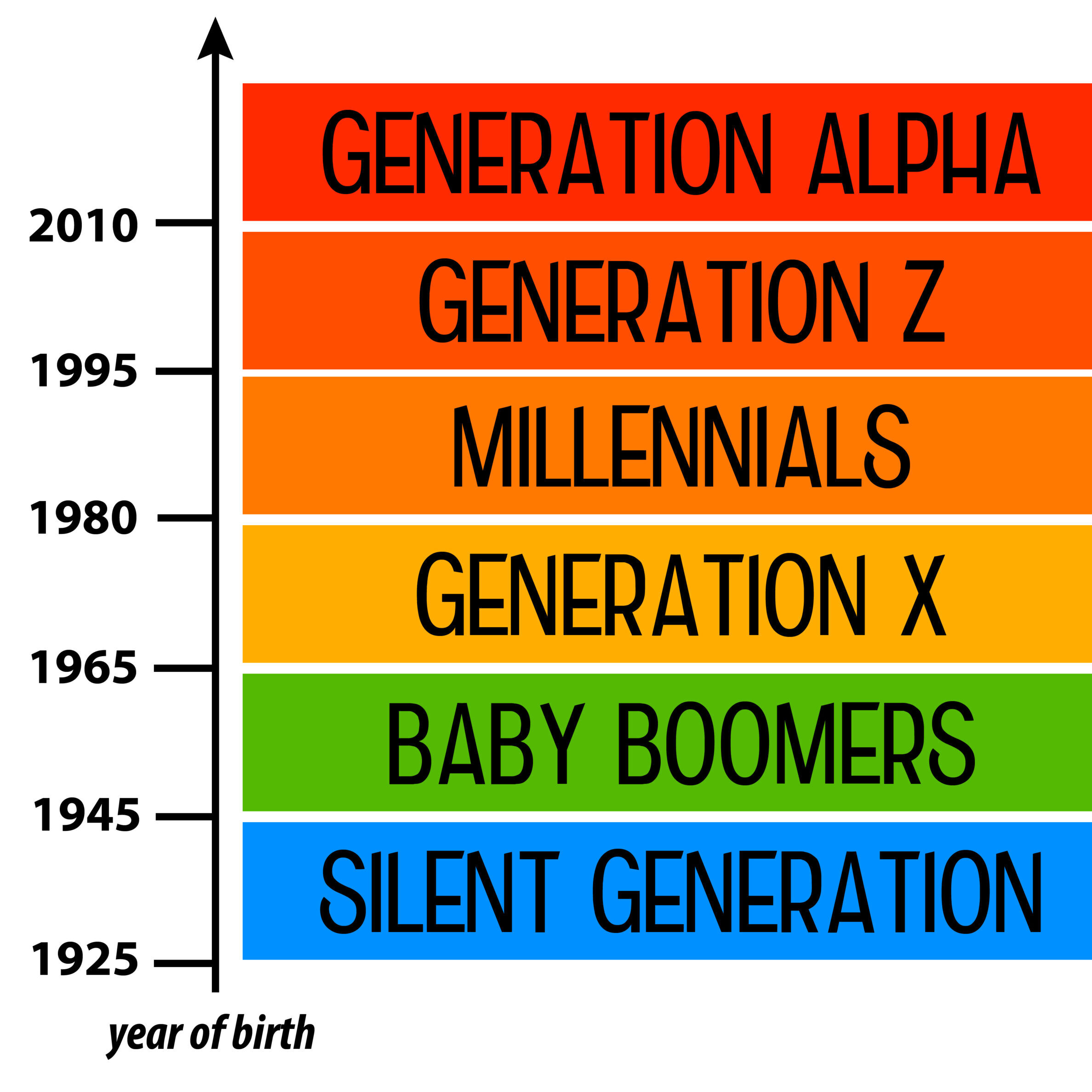
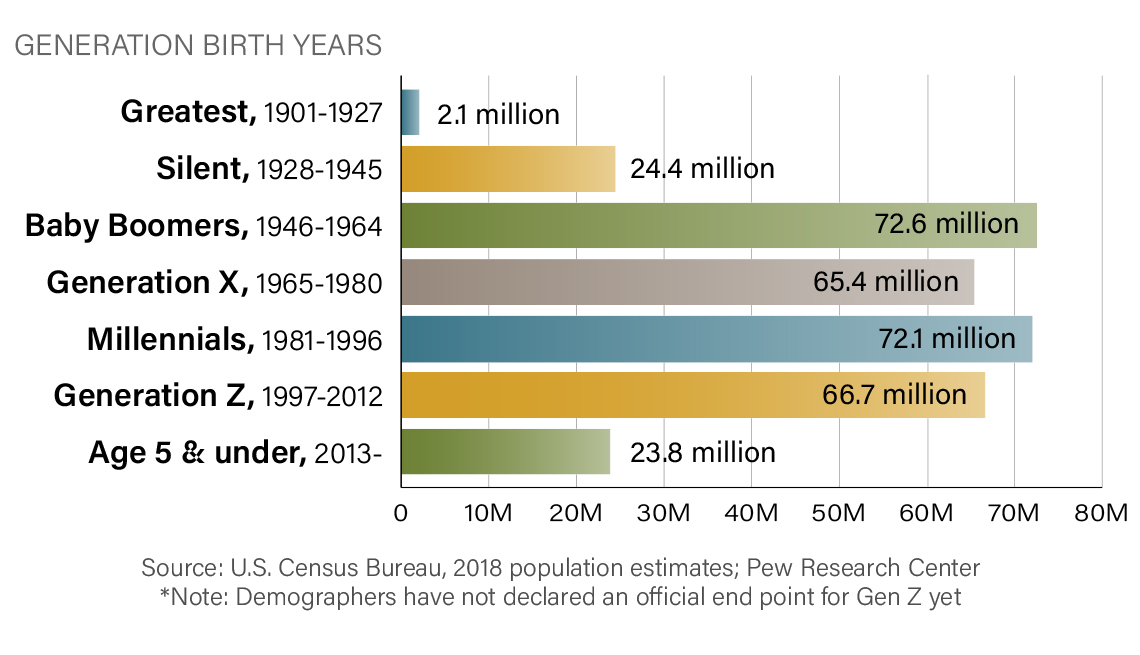
Generation X, often dubbed the “middle child” or “latchkey kid” generation, holds a unique and often underappreciated position in the economic landscape. Sandwiched between the large Baby Boomer cohort and the expansive Millennials, Gen X’s defining years, experiences, and subsequent financial trajectories are crucial for understanding contemporary personal finance, investment trends, and the future of wealth management. While their exact birth years can vary slightly depending on the demographer or research institution, the consensus typically places Generation X as individuals born between the early-to-mid 1960s and the early 1980s, specifically from around 1965 to 1980.

Understanding these foundational years is more than just an academic exercise in demographics; it’s the key to deciphering their distinct financial behaviors, challenges, and contributions. This cohort, now primarily in their prime earning and spending years (late 40s to late 50s), has navigated a tumultuous economic landscape, shaping their pragmatic approach to money, investing, and retirement planning.
Defining the “Middle Child” Generation: Years and Financial Context
To truly grasp the financial story of Generation X, we must first firmly establish their generational boundaries and the economic backdrop against which they came of age.
The Conventional Birth Years: 1965-1980
The most widely accepted birth years for Generation X span from 1965 to 1980. This sixteen-year window places them squarely between the Baby Boomers (roughly 1946-1964) and the Millennials (roughly 1981-1996). This precise definition helps segment financial data, consumer behavior, and economic impact analyses, allowing for a more nuanced understanding of their specific financial needs and contributions. It’s this temporal placement that fundamentally shaped their worldviews and, consequently, their financial priorities.
Beyond Dates: Formative Economic Experiences
More than just birth years, it’s the formative experiences during their crucial development stages that truly define Gen X’s financial ethos. They grew up amidst significant shifts:
- Economic Volatility: They witnessed major recessions, the dot-com bubble burst, and the 2008 financial crisis in their prime working years. This exposure instilled a sense of caution and self-reliance when it comes to financial planning.
- Technological Revolution: Coming of age before the internet was ubiquitous but adapting to it as adults, Gen X learned to navigate new technologies for work and personal finance, often becoming early adopters of online banking and investing platforms.
- Shifting Social Contracts: Unlike Boomers who often enjoyed stable, lifelong careers with defined-benefit pensions, Gen X entered a workforce where job security was diminishing, and the onus for retirement saving shifted heavily to the individual through 401(k)s and other self-directed plans. This fostered a pragmatic, often independent, approach to career and financial advancement.
These experiences molded a generation that is often financially independent, resourceful, and somewhat cynical about traditional institutions, including those related to finance. They are less likely to blindly trust financial advisors and more likely to conduct their own research, a trait that has both benefits and drawbacks in managing their wealth.
The Financial Landscape of Gen X: A Unique Trajectory
Generation X has navigated a financial path distinct from both their predecessors and successors, marked by a combination of opportunities and significant challenges.
Navigating Economic Headwinds and Tailwinds
Gen X entered the workforce during a period of rising global competition and technological disruption. They experienced the growth of the internet and globalization, which brought both new job opportunities and increased competition. Many found themselves in middle management roles during the dot-com bust, and then again experienced significant career and investment setbacks during the Great Recession of 2008. These repeated economic shocks have made them inherently cautious, emphasizing diversification and robust emergency savings over high-risk ventures. Despite these headwinds, many Gen Xers have built substantial wealth, often through consistent saving and disciplined investment over decades.
The Burden of the Sandwich Generation
A defining financial characteristic of Gen X is their role as the “sandwich generation.” Many are simultaneously supporting aging parents and financially assisting their adult or near-adult children. This dual responsibility places immense strain on their finances, impacting their ability to save for their own retirement, manage debt, and pursue personal financial goals. From medical expenses for parents to college tuition or down payment assistance for children, Gen X often finds their disposable income stretched thin, necessitating meticulous budgeting and strategic financial planning. This unique pressure cooker situation has shaped their financial decisions and often pushed them to be incredibly efficient with their money.
Retirement Realities: Bridging the Gap
For Gen X, retirement planning looks very different from their parents’ generation. The era of traditional pensions has largely faded, replaced by 401(k)s, IRAs, and other self-funded retirement vehicles. Having entered the workforce when these plans were becoming standard, Gen X has had to be proactive in saving for retirement for their entire careers. Many are acutely aware of the growing concerns about Social Security’s long-term solvency, further emphasizing the need for robust personal savings. Their pragmatic approach means they are often diligent savers, but the “sandwich generation” pressures mean they also face a race against time to accumulate sufficient assets before their retirement years. This often translates into a keen interest in maximizing investment returns while managing risk.
Investment Strategies and Wealth Building for Gen X
Given their unique journey, Generation X has developed distinct approaches to investing and wealth accumulation, often characterized by pragmatism and a focus on long-term stability.
A Pragmatic Approach to Investing
Gen X investors are generally characterized by a pragmatic and somewhat conservative approach. Having witnessed market volatility throughout their careers, they tend to prioritize stability and consistent growth over speculative, high-risk ventures. This often translates into diversified portfolios that include a mix of equities, bonds, and real estate, with a focus on established companies and value investing. They are less prone to chasing fads and more likely to stick to a well-researched investment plan, often utilizing dollar-cost averaging and passive index fund investing for long-term growth. Their financial independence also means they are often proactive in managing their own investments, though they are not averse to seeking professional advice when needed.
Diversification and Risk Management
Risk management is a cornerstone of Gen X’s investment philosophy. The repeated economic downturns they’ve experienced have instilled a deep appreciation for diversification across asset classes, geographies, and industries. They understand that a balanced portfolio is critical for weathering market storms and achieving long-term financial security. Many have built substantial net worth through careful planning, avoiding excessive debt, and consistently investing in a variety of instruments. They often prioritize paying down mortgages and other debts, seeing it as a form of guaranteed return and risk reduction, which strengthens their overall financial position.
The Gig Economy and Side Hustles: Adapting for Financial Security
While often associated with younger generations, many Gen Xers have embraced the gig economy and side hustles as a means of bolstering their financial security and meeting the demands of the “sandwich generation.” Whether it’s consulting, freelancing, or starting a small online business, this generation has shown remarkable adaptability in creating additional income streams. This entrepreneurial spirit, born out of necessity and a desire for greater control, not only adds to their immediate income but also builds diversified skill sets and potential assets for future wealth accumulation, further defining their resourceful financial nature.
Financial Tools and Planning for Gen X’s Future
As Gen X moves deeper into their peak earning and pre-retirement years, leveraging the right financial tools and adopting strategic planning becomes even more critical for securing their future.
Leveraging Technology for Financial Management
Having transitioned from an analog childhood to a digital adulthood, Gen X is adept at using technology to manage their finances. They are comfortable with online banking, budgeting apps, investment platforms, and robo-advisors. These tools enable them to track spending, monitor investments, and plan for the future with greater precision and efficiency. Many actively utilize personal finance software and apps to maintain tight control over their budgets, automate savings, and track their progress toward retirement goals, demonstrating their self-reliant and pragmatic approach to money management.
Estate Planning and Legacy Building
As they approach their late 50s and beyond, estate planning becomes an increasingly important focus for Generation X. Having likely witnessed their own parents grapple with these issues, Gen X is often proactive in establishing wills, trusts, and healthcare directives. Their desire for financial independence extends to ensuring their assets are distributed according to their wishes and that their loved ones are provided for. They are often thoughtful about leaving a legacy, not just in terms of financial inheritance, but also in imparting financial wisdom and values to their children, reflecting their long-term, responsible financial outlook.
The Importance of Professional Financial Advice
Despite their self-reliant tendencies, many Gen Xers recognize the value of professional financial advice, particularly as their financial situations become more complex. From retirement planning and investment strategy to tax optimization and estate planning, a qualified financial advisor can provide invaluable guidance. Gen X often seeks advisors who offer transparent fee structures, align with their pragmatic investment philosophy, and can help navigate the unique challenges of the “sandwich generation,” ensuring their hard-earned wealth is managed effectively for their present needs and future security.
In conclusion, Generation X, primarily born between 1965 and 1980, represents a pivotal demographic whose financial journey is characterized by resilience, pragmatism, and a unique set of economic pressures. Their experiences have shaped them into self-reliant, often cautious, and highly adaptable financial managers. Understanding their specific years and the context surrounding them is essential for anyone seeking to comprehend the nuances of personal finance and wealth management in the modern era. As they continue to navigate their prime earning years, Gen X’s financial decisions will undoubtedly leave a lasting impact on the global economy.
aViewFromTheCave is a participant in the Amazon Services LLC Associates Program, an affiliate advertising program designed to provide a means for sites to earn advertising fees by advertising and linking to Amazon.com. Amazon, the Amazon logo, AmazonSupply, and the AmazonSupply logo are trademarks of Amazon.com, Inc. or its affiliates. As an Amazon Associate we earn affiliate commissions from qualifying purchases.