
The appearance of white spots on teeth is a common concern for many individuals, often leading to questions about their origin and implications for oral health. While a dentist is the ultimate authority on diagnosis and treatment, understanding the underlying technological principles that allow us to identify and manage these dental anomalies can be empowering. This article delves into the technological advancements that help us comprehend, detect, and address the white dots on our teeth, framing them within the context of modern dental innovation.
The presence of white spots on the enamel is not a monolithic issue; rather, it can stem from a variety of causes, each with its own distinct presentation and requiring different approaches. From a technological standpoint, our ability to diagnose these conditions has vastly improved with sophisticated imaging techniques, advanced material science in restorative dentistry, and even the burgeoning field of AI-powered dental analytics. This technological evolution allows for earlier detection, more precise interventions, and ultimately, better patient outcomes.

Understanding the Enamel’s Microstructure: The Technological Lens on White Spot Lesions
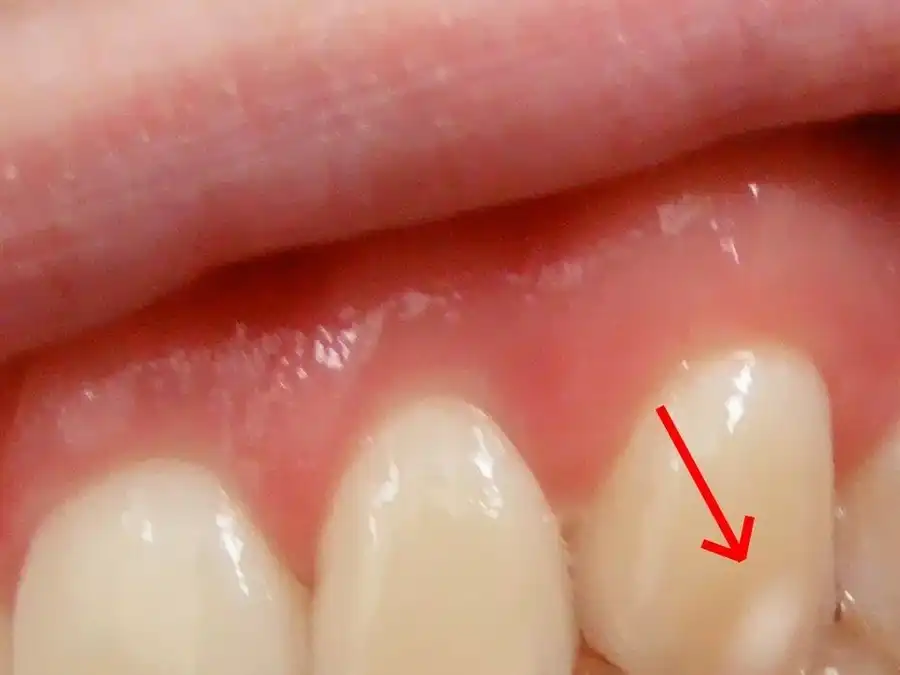
The enamel, the outermost layer of our teeth, is a marvel of natural engineering. It’s the hardest substance in the human body, primarily composed of mineral crystals. White spots, often referred to as Enamel Hypomineralisation (EH) or early-stage carious lesions, represent a disruption in the normal mineral content and structure of this protective layer. From a technological perspective, understanding these microstructural changes is key.
The Physics of Light and Enamel Opacity
The visual appearance of white spots is directly related to how light interacts with the enamel. Healthy enamel is translucent, allowing some light to pass through while reflecting others. This interplay creates the characteristic sheen and color of healthy teeth. When the enamel undergoes demineralization, as seen in the early stages of cavities or due to other factors, its internal structure changes. The mineral crystals become less densely packed, and there’s an increase in porosity.
Technologically, this porosity affects light scattering. Instead of light passing through or reflecting smoothly, it gets diffused and scattered within the porous areas. This scattering causes these regions to appear opaque and lighter than the surrounding, healthy enamel. Advanced imaging technologies, such as Quantitative Light-induced Fluorescence (QLF), are specifically designed to exploit these differences in light interaction. QLF technology uses a specific wavelength of blue light to excite the minerals within the tooth. Healthy enamel fluoresces, while demineralized areas, with their altered structure and reduced mineral content, fluoresce less or not at all. This quantifiable difference allows dentists to detect and monitor early demineralization that might not even be visible to the naked eye, making it a powerful diagnostic tool.
Demineralization and Remineralization Cycles: The Chemistry Mediated by Technology
The primary technological understanding of many white spots revolves around the processes of demineralization and remineralization. Demineralization occurs when acids, primarily from oral bacteria metabolizing sugars, dissolve the mineral content of the enamel. Remineralization, on the other hand, is the natural process where minerals like calcium and phosphate are redeposited back into the enamel structure, often aided by fluoride.
Modern dental technology plays a crucial role in both understanding and influencing these cycles. Digital radiography and cone-beam computed tomography (CBCT) offer detailed, cross-sectional views of teeth, allowing dentists to assess the depth and extent of demineralization with unprecedented accuracy. These technologies go beyond two-dimensional imaging, providing volumetric data that aids in precise diagnosis.
Furthermore, advancements in oral hygiene technology contribute to managing these cycles. Smart toothbrushes, equipped with sensors and Bluetooth connectivity, can provide real-time feedback on brushing technique, ensuring adequate coverage and pressure to effectively remove plaque and food debris – the primary sources of acid. Some advanced toothbrushes even incorporate UV light sterilization to kill bacteria on the brush heads, contributing to a more hygienic oral environment. While these tools don’t directly remineralize teeth, they are instrumental in creating the conditions necessary for the natural remineralization process to occur more effectively.
Technological Interventions for White Dots: From Prevention to Restoration
The technological response to white dots on teeth spans a spectrum, from preventative measures utilizing cutting-edge oral care products to sophisticated restorative procedures that can effectively mask or correct the aesthetic and structural concerns.
Advanced Diagnostic Tools: Early Detection with Precision
The adage “prevention is better than cure” is amplified by modern dental technology. Early detection of white spot lesions is paramount, as it allows for minimally invasive interventions that can halt or even reverse the demineralization process. Beyond QLF, other technologies aid in this early detection.
Optical Coherence Tomography (OCT), a non-invasive imaging technique, can provide cross-sectional images of dental tissues with micrometer-level resolution. This allows dentists to visualize changes in enamel structure and density associated with early demineralization, often before they are apparent clinically. OCT can differentiate between healthy enamel, demineralized enamel, and even early stages of cavitation.
Furthermore, the integration of Artificial Intelligence (AI) into dental diagnostics is rapidly transforming how we identify subtle anomalies. AI algorithms are being trained on vast datasets of dental images to recognize patterns indicative of demineralization and other early signs of disease. These AI tools can assist dentists by flagging potential areas of concern, improving diagnostic accuracy, and standardizing assessments, especially in identifying those subtle white dots that might otherwise be overlooked.
Minimally Invasive Treatments: Leveraging Material Science and Application Technology
When white spots are identified, particularly if they are the result of demineralization, the goal is often to strengthen the enamel and improve its appearance. Technological advancements in restorative dentistry have made minimally invasive treatments highly effective.
Resin infiltration is a prime example. This technique involves applying a low-viscosity light-curing resin to the affected area after etching the enamel. The resin flows into the porous structure of the demineralized lesion, filling the voids and effectively stopping the progression of demineralization. Crucially, the resin has a similar refractive index to healthy enamel, which can significantly improve the aesthetic appearance of the white spot, making it blend in with the surrounding tooth structure. The technology behind the resin materials themselves is sophisticated, designed for optimal penetration and durability. The application technology also involves precise control over etching and curing processes to ensure effective treatment.
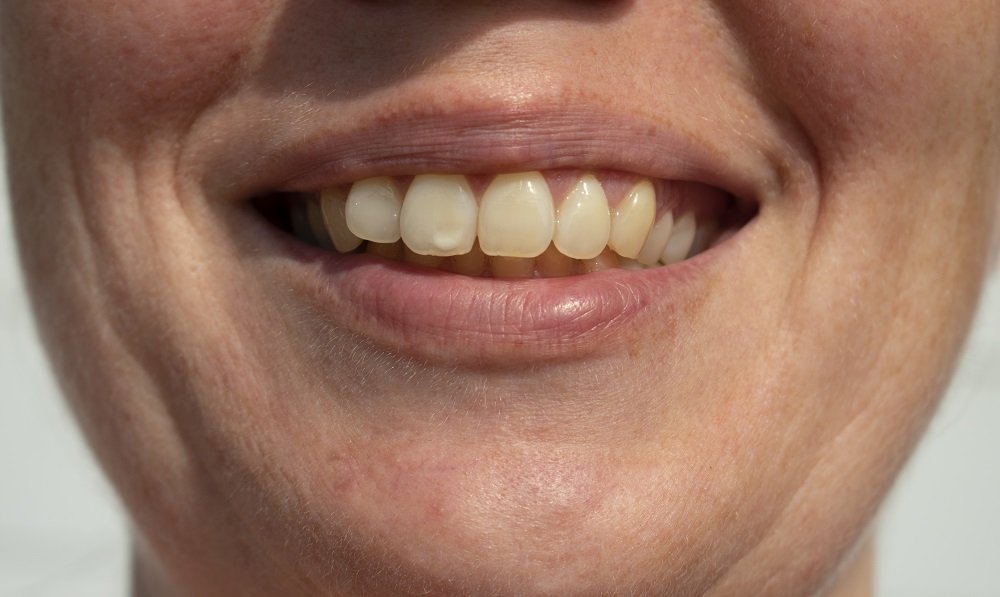
For more pronounced white spots, especially those caused by enamel hypoplasia (improper enamel formation during tooth development), aesthetic bonding procedures are employed. Modern dental composites offer a wide range of shades and translucencies, allowing dentists to precisely match the natural tooth color and texture. The application of these composites involves meticulous layering techniques and the use of dental curing lights, which employ specific wavelengths of light to harden the composite material, ensuring a durable and aesthetically pleasing restoration. The precision and control offered by these technologies enable dentists to achieve highly natural-looking results, effectively masking or correcting the visual impact of white dots.
The Future of White Spot Management: Predictive Analytics and Personalized Oral Health Tech
The trajectory of dental technology suggests a future where identifying and managing white dots on teeth will become even more precise, personalized, and preventative.
Predictive Analytics and AI in Oral Health
The role of AI in dentistry is poised for significant expansion. Beyond diagnostic assistance, AI algorithms are being developed to predict an individual’s risk of developing demineralization and other oral health issues based on a combination of factors, including genetic predisposition, dietary habits (which can be tracked through apps), oral microbiome analysis, and even biomechanical data from smart oral health devices.
Imagine an app that analyzes your brushing data from a smart toothbrush, cross-references it with your dietary logs, and flags a higher risk of demineralization in specific areas. This predictive capability allows for proactive intervention before visible white spots even appear. Machine learning models can identify subtle patterns in data that human observation might miss, enabling truly personalized preventative strategies.
Smart Devices and Personalized Oral Hygiene Ecosystems
The concept of a connected oral health ecosystem is becoming a reality. Smart toothbrushes are just the beginning. We are seeing the development of smart dental floss dispensers that can track usage, AI-powered mouthguards that monitor bruxism (teeth grinding), and even wearable sensors that could potentially analyze oral fluid biomarkers for early signs of disease.
These devices, when integrated with personalized health platforms, can provide a holistic view of an individual’s oral health. For white spots, this could mean a system that not only detects early demineralization but also suggests personalized interventions, such as targeted fluoride treatments or dietary modifications, directly through an app. The feedback loop between these technologies and the user allows for continuous monitoring and adjustment of oral hygiene practices, fostering a proactive approach to maintaining healthy enamel and preventing the formation of white dots.
In conclusion, while the visual appearance of white dots on teeth may seem like a simple cosmetic concern, the technological understanding and intervention methods employed by modern dentistry reveal a complex interplay of physics, chemistry, material science, and cutting-edge digital innovation. From the microscopic analysis of enamel structure to the sophisticated algorithms predicting future risks, technology is continuously refining our ability to diagnose, treat, and prevent these common dental anomalies, ensuring brighter, healthier smiles for all.
aViewFromTheCave is a participant in the Amazon Services LLC Associates Program, an affiliate advertising program designed to provide a means for sites to earn advertising fees by advertising and linking to Amazon.com. Amazon, the Amazon logo, AmazonSupply, and the AmazonSupply logo are trademarks of Amazon.com, Inc. or its affiliates. As an Amazon Associate we earn affiliate commissions from qualifying purchases.