
In the modern commercial landscape, the marketplace is often described as a battlefield. Companies vie for territory (market share), engage in tactical maneuvers (marketing campaigns), and attempt to win the hearts and minds of the citizenry (consumers). While these metaphors are common, few organizations successfully move beyond the analogy to adopt a true “Warrior Ethos.” In the context of brand strategy, the Warrior Ethos is not about aggression or conflict; rather, it is a psychological framework rooted in unwavering discipline, a commitment to a higher cause, and the resilience to endure adversity.
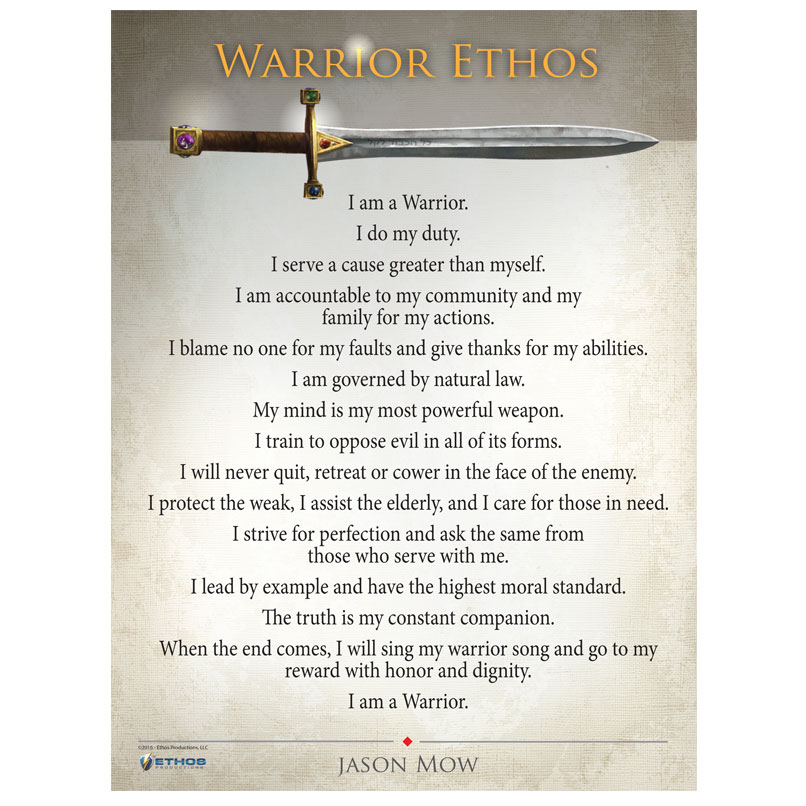
When a brand adopts this ethos, it ceases to be a mere provider of goods or services and becomes a standard-bearer for a specific set of values. This transition is essential in an era where consumers are increasingly looking for “belief-driven” brands. To understand how the warrior ethos applies to corporate identity, we must explore its foundational pillars, its archetypal power, and its application in internal culture and external market positioning.
Defining the Warrior Ethos in a Corporate Context
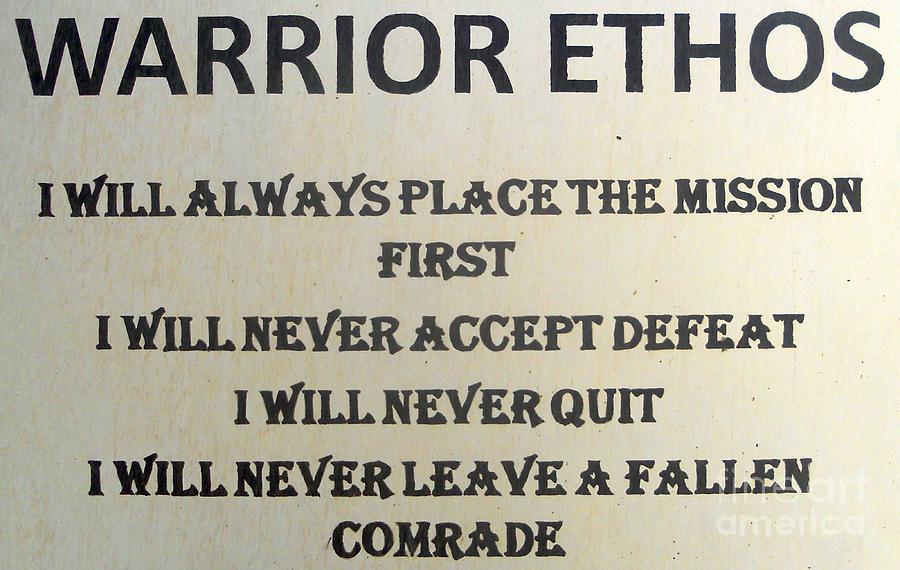
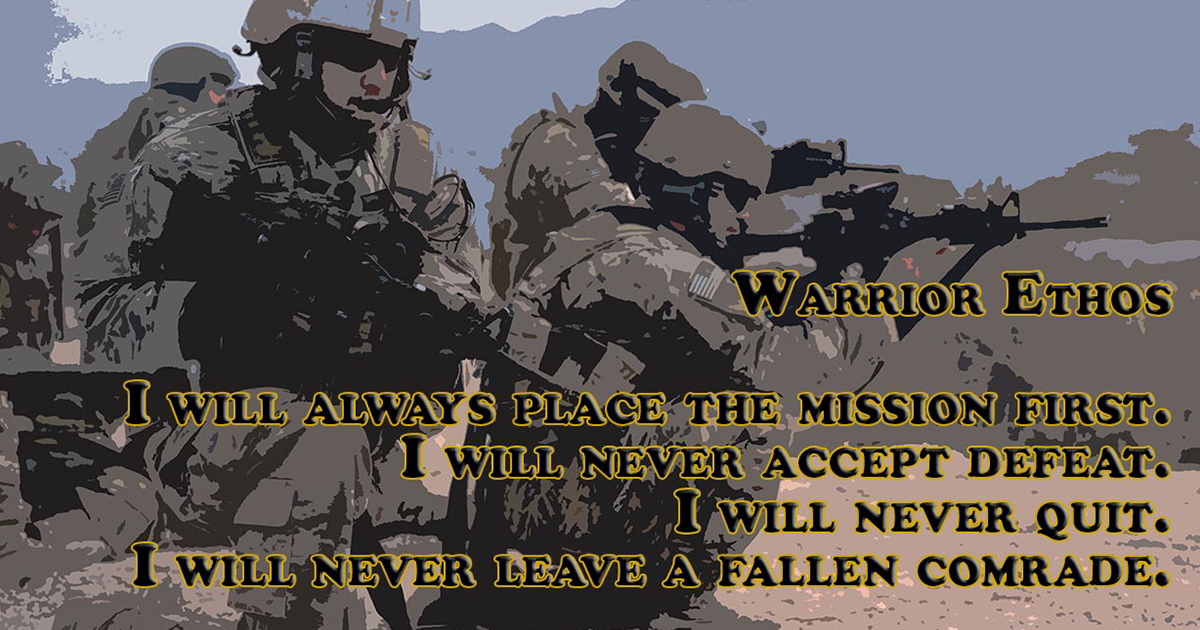
The warrior ethos is traditionally defined by a set of principles—such as those found in the U.S. Army’s Soldier’s Creed or the Samurai’s Bushido code—that prioritize the mission and the collective over the individual. In branding, this translates to a “mission-first” identity. A brand with a warrior ethos is one that has a clearly defined “why” that guides every decision, from product development to customer service.
From Ancient Principles to Modern Market Positioning
The transition from military code to brand strategy begins with the concept of the “Infinite Game,” a term popularized by Simon Sinek. Unlike a “Finite Game” where the goal is to win and end the game, the warrior ethos in branding views the market as an infinite arena where the goal is to stay in the game and uphold a legacy. Brands like Patagonia or YETI do not just sell outdoor gear; they defend a philosophy of ruggedness and environmental stewardship. Their positioning is defensive of their values and offensive against mediocrity. This clarity of purpose allows a brand to navigate market volatility with a steady hand, much like a seasoned commander in the field.
The Core Pillars: Courage, Discipline, and Unwavering Mission
A brand strategy built on the warrior ethos rests on three pillars. First is Courage: the willingness to take risks and stand for something, even if it alienates a portion of the market. Second is Discipline: the consistency of brand voice and quality across all touchpoints. A warrior brand does not “break character” for a quick trend. Third is the Unwavering Mission: a commitment to the customer that goes beyond the transaction. When a brand adopts these pillars, it creates a sense of reliability and trust that is nearly impossible for competitors to disrupt through pricing alone.
The Warrior Archetype: Why Consumers Connect with “Fighting” Brands
In the study of brand psychology, archetypes play a pivotal role in how humans perceive and relate to companies. The “Warrior” (often categorized as the “Hero”) is one of the most powerful archetypes in the collective unconscious. This archetype represents the triumph over adversity, the protection of the weak, and the pursuit of excellence.
Emotional Resonance and the Hero’s Journey
Consumers do not just buy products; they buy versions of themselves. When a brand adopts a warrior ethos, it invites the consumer to join a “Hero’s Journey.” This narrative structure—departure, initiation, and return—is a staple of brand storytelling. A brand that acts as the “mentor” or the “weapon” that allows the consumer to overcome their own battles (be it fitness goals, career hurdles, or social challenges) creates a deep emotional bond. The warrior ethos provides the grit in the story, making the brand’s promise feel earned rather than merely marketed.
Case Studies: Nike, Apple, and the Power of “Against”
Nike is the quintessential example of the warrior ethos in brand strategy. Their “Just Do It” slogan is a call to action that mirrors a soldier’s resolve. They don’t just sell shoes; they sell the spirit of the athlete who refuses to quit. Similarly, Apple’s early branding was built on the “Challenger” or “Warrior” mindset—positioning themselves against the “Big Brother” establishment of IBM. By identifying an “enemy” (be it inefficiency, boredom, or a literal competitor), a brand can galvanize its audience. The warrior ethos thrives on this friction, using it to sharpen the brand’s identity and create a loyal “army” of advocates.
Cultivating Internal Culture: The Brand Ethos as a Staffing Strategy
A brand’s outward identity is a reflection of its internal culture. You cannot project a warrior ethos to the public if your internal operations are defined by apathy or lack of direction. In this sense, the warrior ethos serves as a powerful tool for human resources and corporate leadership, transforming employees into “brand ambassadors” who share a common code.
Creating a Unified “Front Line” through Shared Values
In military organizations, the ethos is what keeps a unit together under pressure. In a corporate environment, this is achieved through a shared “Brand Creed.” When employees understand that they are part of a mission—whether that mission is “to organize the world’s information” or “to accelerate the world’s transition to sustainable energy”—their work takes on a higher meaning. This sense of duty leads to higher retention, better performance, and a “front line” of customer service representatives who truly embody the brand’s promises.
Resilience in Times of Crisis: The Brand’s Battle Plan
Every brand will eventually face a crisis, whether it’s a product recall, a PR scandal, or an economic downturn. This is where the warrior ethos is most visible. A brand with a weak identity will vacillate, offer half-hearted apologies, or change its values to suit the current climate. A brand with a warrior ethos, however, relies on its core principles to navigate the storm. It takes extreme ownership of its mistakes (a key warrior trait), reinforces its commitment to its mission, and emerges stronger. This resilience becomes a core part of the brand’s story, proving to the market that its values are not just for show.
Tactical Execution: How the Warrior Ethos Drives Market Innovation
Finally, the warrior ethos must manifest in the brand’s tactical execution. It is not enough to have a mission statement on a wall; the brand must “fight” for its place in the market through innovation and strategic disruption.
Disruptive Strategy: Attacking the Status Quo
In brand strategy, “attacking” does not mean disparaging competitors. Instead, it means attacking the “pain points” and inefficiencies of the current market. A brand with a warrior ethos is inherently a disruptor. It looks at the status quo and asks, “What is the better way?” This mindset drives R&D and ensures that the brand is always moving forward. The warrior is never stagnant; they are either training, scouting, or engaging. For a brand, this means constant evolution to ensure that their “weaponry” (products and services) remains the best available for their “troops” (customers).
Sustainability and Ethical Combat: Fighting for a Cause
In the 21st century, the warrior ethos has evolved to include the “Ethical Warrior.” This is the brand that fights for social justice, environmental sustainability, or community health. Branding in this niche requires a specialized type of courage. It involves making decisions that might hurt short-term profits for the sake of long-term integrity. When a brand like Dove “fights” against unrealistic beauty standards, or Ben & Jerry’s takes a stand on political issues, they are employing a warrior ethos. They are choosing a side, engaging in the cultural conversation, and proving that their brand identity is worth defending.
In conclusion, the warrior ethos in brand strategy is the ultimate differentiator. In a sea of “me-too” products and hollow marketing, a brand that stands firm on its principles, leads with courage, and fosters a culture of disciplined excellence will always capture the market’s attention. By adopting the mindset of a warrior, a brand moves from being a disposable commodity to an indispensable ally in the lives of its consumers. It is through this commitment to a higher code that true brand loyalty—and legendary status—is achieved.
aViewFromTheCave is a participant in the Amazon Services LLC Associates Program, an affiliate advertising program designed to provide a means for sites to earn advertising fees by advertising and linking to Amazon.com. Amazon, the Amazon logo, AmazonSupply, and the AmazonSupply logo are trademarks of Amazon.com, Inc. or its affiliates. As an Amazon Associate we earn affiliate commissions from qualifying purchases.