
The concept of memory is fundamental to our existence, shaping our identities, guiding our decisions, and enabling us to learn and adapt. While we often think of memory as a singular entity, the reality is far more nuanced. From the fleeting impressions of our senses to the deeply ingrained recollections that define us, memory operates through a complex interplay of biological processes and, increasingly, technological systems.
In our hyper-connected, digitally saturated world, understanding memory takes on a dual meaning. We grapple with our own cognitive processes while simultaneously navigating the vast repositories of information stored and managed by technology. This exploration will delve into the multifaceted nature of memory, bridging the gap between human cognition and the digital realm, all through the lens of technology, branding, and finance.
Unpacking the Cognitive Spectrum: How We Remember
At its core, human memory is a biological marvel, a intricate network of neurons firing and rewiring to store and retrieve information. This process isn’t monolithic; it’s a spectrum of capabilities, each with its own duration and function. Understanding these distinctions is crucial, not just for comprehending our own minds, but also for designing technologies and strategies that effectively interact with and leverage our memory.
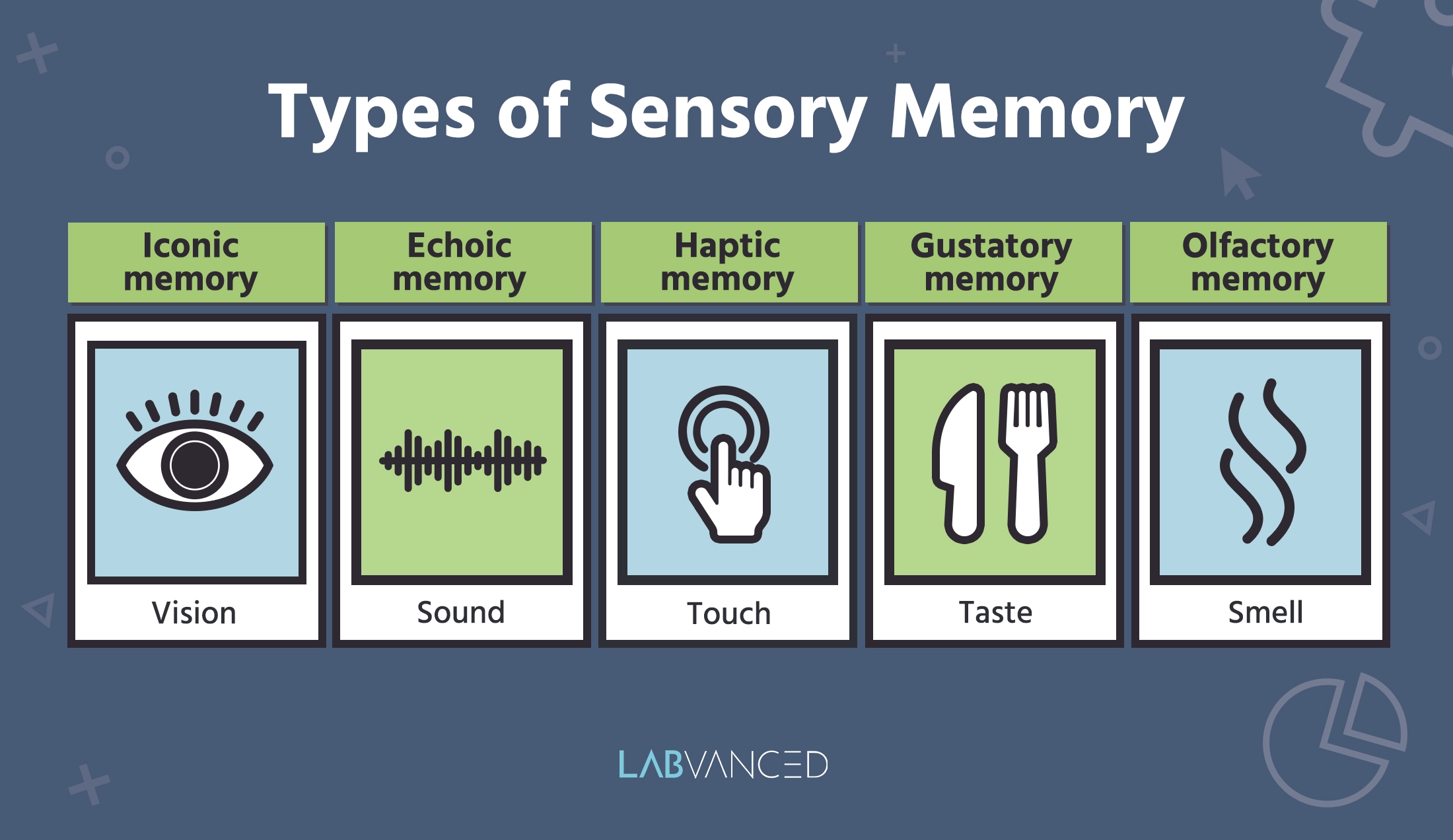
Sensory Memory: The Fleeting Echo of Experience
The very first stage of memory is sensory memory. This is our immediate, temporary storage of sensory information – what we see, hear, smell, taste, and touch. It’s like a brief echo of the world around us, lasting only a fraction of a second to a few seconds. For example, when you see a car flash by, your sensory memory briefly holds that image, allowing your brain to process it further if deemed important.
This type of memory is crucial for seamless perception. Without it, the world would appear as a disjointed series of flashes and sounds. It acts as a buffer, giving our cognitive system a moment to decide what information is worthy of further attention and processing. In the context of technology, think of the rapid succession of images on a screen, the subtle haptic feedback from your phone, or the auditory cues in a video game. These all rely on the efficient functioning of sensory memory to create an immersive and coherent experience.
Short-Term Memory: The Active Workspace
If information from sensory memory is attended to, it moves into short-term memory. This is where conscious processing occurs. It’s our “working memory,” the mental notepad where we hold and manipulate information for immediate use. Think of remembering a phone number just long enough to dial it, or holding a series of instructions in your mind to complete a task.
Short-term memory has a limited capacity – typically around 7 items, plus or minus 2 – and a limited duration, usually lasting about 20 to 30 seconds without rehearsal. This is why we often repeat phone numbers or key pieces of information to ourselves.
From a technological standpoint, short-term memory is directly analogous to the RAM (Random Access Memory) in our computers and smartphones. RAM is the computer’s active workspace, where programs and data are held for quick access by the processor. The more RAM a device has, the more information it can hold and process simultaneously, leading to smoother multitasking and faster performance. This directly impacts our user experience, influencing how quickly apps load, how many tabs we can open in a browser, and the overall responsiveness of our devices.
Long-Term Memory: The Enduring Archive
When information from short-term memory is rehearsed, elaborated upon, or deemed significant enough, it can be transferred to long-term memory. This is our vast, enduring archive, capable of storing a virtually limitless amount of information for extended periods, from minutes to a lifetime. Long-term memory is the foundation of our knowledge, skills, experiences, and personal identity.
Long-term memory is further categorized into several types:
Explicit (Declarative) Memory: Conscious Recollection
Explicit memory refers to memories that we can consciously recall and verbalize. It’s the “knowing that” aspect of memory.
- Episodic Memory: This is the memory of specific personal experiences and events, tied to a particular time and place. It’s your memory of your last birthday party, your first day of school, or a memorable vacation. These are like personal documentaries.
- Semantic Memory: This refers to our general knowledge of the world, including facts, concepts, and meanings. It’s knowing that Paris is the capital of France, understanding the definition of “gravity,” or remembering the rules of a game. This is our internal encyclopedia.
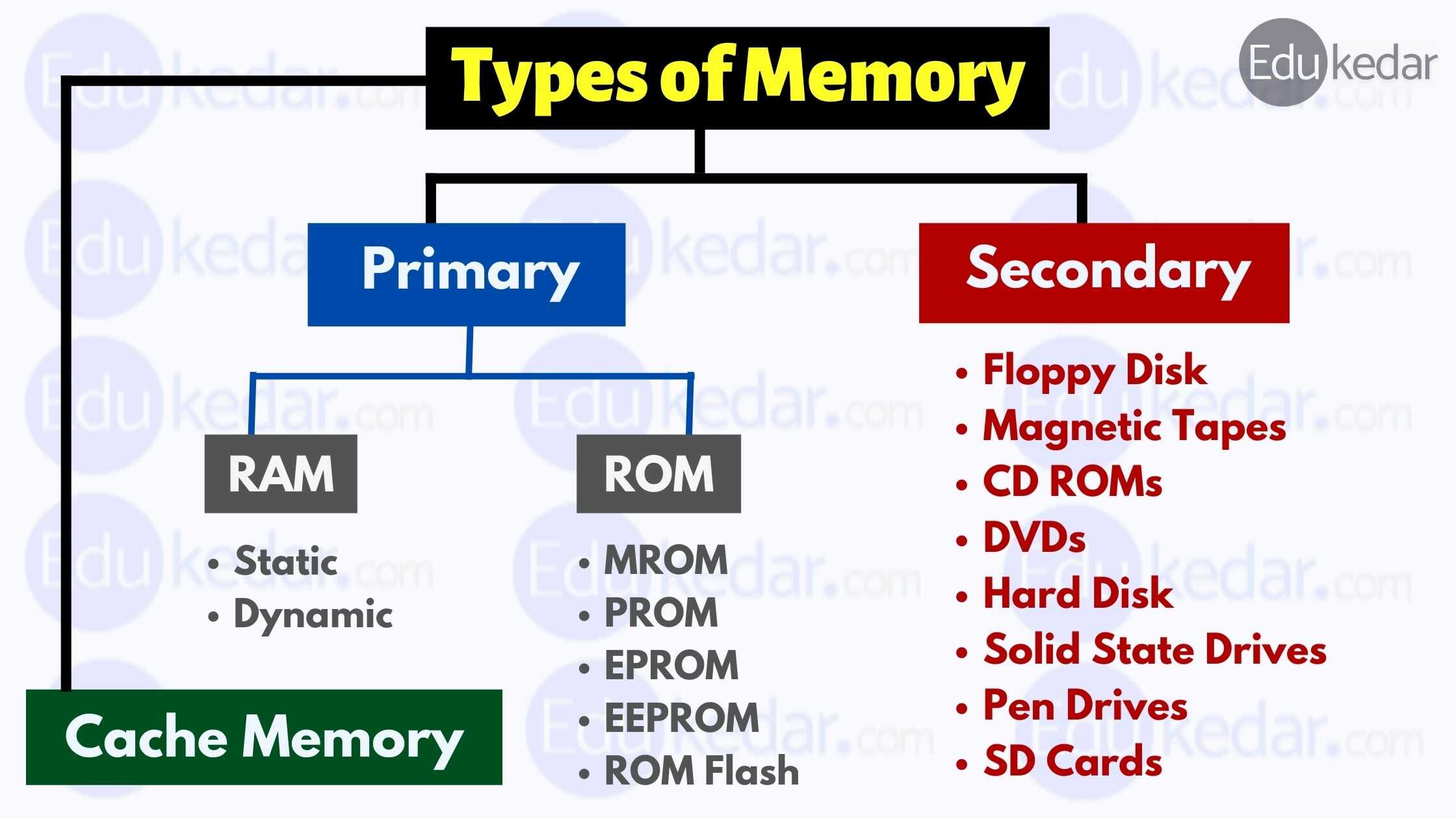
From a technology perspective, explicit memory is akin to the storage on our hard drives, SSDs, and cloud storage. These systems are designed to persistently store vast amounts of data – documents, photos, videos, and application files – that we can access and recall whenever needed. The organization and retrieval of this data are crucial, much like how our brains organize and retrieve semantic and episodic information. Effective digital filing systems, cloud synchronization, and powerful search functions mimic the brain’s ability to access specific memories.
Implicit (Non-Declarative) Memory: Unconscious Skills and Habits
Implicit memory, on the other hand, is unconscious and influences our behavior without our deliberate recall. It’s the “knowing how” aspect of memory.
- Procedural Memory: This is the memory for skills and habits, such as riding a bicycle, typing on a keyboard, or playing a musical instrument. Once learned, these actions become automatic.
- Priming: This is a phenomenon where exposure to one stimulus influences the response to a subsequent stimulus. For example, if you’ve recently seen the word “yellow,” you’re more likely to quickly identify the word “banana.”
- Classical and Operant Conditioning: These are forms of associative learning where we learn to associate stimuli or behaviors with outcomes, influencing our automatic responses.
In the digital realm, implicit memory can be seen in how we interact with technology. Think about muscle memory when typing on a familiar keyboard, or the automatic gestures we make on a smartphone screen to navigate. Software applications also develop implicit memory in their users through consistent design patterns and intuitive interfaces, making them easier to learn and use over time. The way algorithms subtly influence our preferences through repeated exposure (a form of priming) also has echoes of implicit memory.
Memory in the Digital Age: The Intersection of Bytes and Brains
The evolution of technology has profoundly impacted how we think about and interact with memory. We are no longer solely reliant on our biological capacity; we now have external, digital memory systems that augment and sometimes even surpass our own. This intersection presents both opportunities and challenges across the domains of tech, branding, and finance.
Technology Trends: Augmenting Our Recall
The relentless march of technological innovation is constantly reshaping our relationship with memory. From cloud computing to artificial intelligence, new tools are emerging that enhance our ability to store, retrieve, and even generate information.
- Cloud Storage and Synchronization: Services like Google Drive, Dropbox, and iCloud offer virtually limitless long-term storage and seamless synchronization across devices. This liberates us from the constraints of physical storage and ensures our digital memories are accessible anywhere, anytime. This directly addresses the limitations of human memory’s recall speed and accessibility for vast amounts of information.
- AI-Powered Search and Organization: Artificial intelligence is revolutionizing how we find and manage information. AI algorithms can now understand context, identify patterns, and even anticipate our needs, making searching for specific memories (digital files) as intuitive as recalling a personal experience. Think of AI’s ability to categorize photos, transcribe audio, or summarize lengthy documents, all of which mimic cognitive recall functions.
- Wearable Technology and Data Logging: Smartwatches and other wearable devices continuously collect data about our activities, health, and environment. This data acts as an external memory, chronicling our lives and providing insights that we might otherwise forget. This is a direct externalization of episodic memory, albeit in a raw, data-driven form.
- Virtual and Augmented Reality (VR/AR): These immersive technologies create new forms of memory experiences. VR can allow us to revisit simulated environments, while AR can overlay digital information onto our physical reality, creating enriched memories. This blurs the lines between real and digitally constructed memories.
Brand Strategy and Personal Branding: The Memory of Perception
In the realm of brands and personal identities, memory is paramount. It’s not just about what a brand is, but what it is remembered for. Effective branding strategies aim to create lasting, positive impressions in the minds of consumers and stakeholders.
- Brand Recall and Recognition: A strong brand is one that is easily recalled or recognized. This relies on consistent messaging, memorable logos, and unique brand experiences that embed themselves in the consumer’s long-term memory. Think of iconic brands like Coca-Cola or Apple – their visual identity and core promises are deeply etched in our collective memory.
- Emotional Resonance: Brands that connect with consumers on an emotional level create stronger and more enduring memories. Nostalgia, joy, trust, or even a sense of belonging can be powerful triggers for brand recall. This taps into the episodic and emotional components of human memory.
- Reputation Management: A company’s reputation is essentially its collective memory in the minds of the public. Positive experiences and consistent delivery of value build a strong, positive brand memory, while negative incidents can create damaging, long-lasting impressions.
- Personal Branding: For individuals, personal branding involves intentionally shaping how they are perceived and remembered. This involves consistent online presence, curated professional interactions, and a clear articulation of one’s unique value proposition. The goal is to create a memorable and positive personal narrative in the minds of potential employers, clients, or collaborators. This is a deliberate cultivation of explicit (semantic and episodic) and implicit memory in others about oneself.
Money and Memory: Financial Literacy and Future Planning
The domain of finance also heavily relies on memory, both individual and collective. Financial decisions are often informed by past experiences, learned principles, and future projections, all of which are rooted in memory.
- Personal Finance Management: Effective personal finance hinges on remembering spending habits, budgeting goals, and investment strategies. Tools and apps that track expenses, set financial reminders, and visualize progress act as external memory aids, helping individuals stay on track. This is the application of short-term and long-term memory to manage financial information.
- Investment Decisions: Investors rely on their memory of market trends, past performance of assets, and economic indicators to make informed decisions. Financial advisors and platforms often present historical data and analyses, essentially providing a form of collective financial memory to aid in individual decision-making.
- Online Income and Side Hustles: Building and maintaining online income streams often requires remembering customer preferences, marketing strategies, and operational details. The digital tools used for these ventures, from customer relationship management (CRM) systems to project management software, act as extensions of our memory, helping us manage complex workflows.
- Financial Literacy and Education: The process of learning about finance involves building semantic memory (understanding financial concepts) and procedural memory (knowing how to perform financial tasks like opening an investment account). Educational platforms and resources serve as crucial tools for imprinting this knowledge into long-term memory.

Conclusion: Mastering the Art of Remembering in a Complex World
The types of memory are not merely abstract psychological constructs; they are the building blocks of our understanding, our capabilities, and our interactions with the world. From the ephemeral flicker of sensory input to the deep-seated knowledge that defines our expertise, memory is a dynamic and multifaceted phenomenon.
In our technologically driven era, we are increasingly reliant on external systems to augment our cognitive abilities. By understanding the parallels between biological memory and digital storage, processing, and retrieval, we can better leverage the tools at our disposal. Whether we are navigating the latest tech trends, crafting a compelling brand identity, or striving for financial security, a nuanced understanding of memory – both within ourselves and in the digital systems we employ – is essential for success and fulfillment. By mastering the art of remembering, we unlock our potential to learn, create, and thrive in an ever-evolving landscape.
aViewFromTheCave is a participant in the Amazon Services LLC Associates Program, an affiliate advertising program designed to provide a means for sites to earn advertising fees by advertising and linking to Amazon.com. Amazon, the Amazon logo, AmazonSupply, and the AmazonSupply logo are trademarks of Amazon.com, Inc. or its affiliates. As an Amazon Associate we earn affiliate commissions from qualifying purchases.