
The allure of the Tulum ruins is undeniable. Perched precariously on a cliff overlooking the turquoise waters of the Caribbean Sea, this ancient Mayan city whispers tales of a sophisticated civilization, a vibrant culture, and a strategic port that once thrived. While the very name “Tulum” evokes images of sun-drenched beaches and archaeological wonders, understanding “what are the Tulum ruins” goes beyond simply admiring their picturesque setting. It involves delving into their historical significance, their architectural marvels, and their enduring legacy.
However, in the context of our interconnected digital world, the exploration of such historical sites can be profoundly enhanced by the very domains that define our modern existence: Tech, Brand, and Money. This article will not only answer the fundamental question of what the Tulum ruins are but also explore how technology can illuminate their history, how the “brand” of Tulum has evolved and been managed, and how the economic aspects surrounding such a significant cultural heritage site are navigated.
The Architectural and Historical Tapestry of Tulum
The Tulum ruins are more than just a collection of old stones; they are a testament to the ingenuity and societal structure of the ancient Maya. Their strategic location on the Yucatan Peninsula’s eastern coast played a pivotal role in their history, serving as a vital trading hub for goods such as obsidian, jade, and cacao.
The City on the Edge: Strategic Importance and Defense
The most striking feature of Tulum is its dramatic cliffside setting. This wasn’t a mere aesthetic choice; it was a deliberate strategic advantage. The natural defenses provided by the sheer drops to the sea below, coupled with the formidable stone walls that once enclosed the city, suggest a society that valued security and control. The name “Tulum” itself, meaning “wall” in the Mayan language, directly references these defensive structures.
The city flourished primarily during the Postclassic period (roughly 1200 to 1521 CE), a time when many other major Mayan centers had already declined. This suggests a remarkable resilience and adaptability on the part of the Tulum Maya. Their economy, bolstered by maritime trade, allowed them to maintain their influence and prosperity even as the wider Mayan civilization underwent significant shifts.
Iconic Structures: El Castillo and the Temple of the Frescoes
Within the archeological site, several structures stand out, each offering a glimpse into different facets of Mayan life and belief.
-
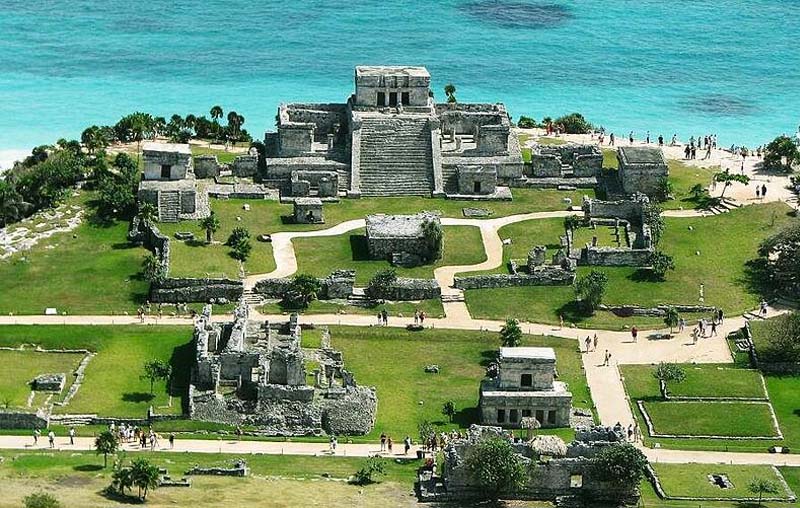
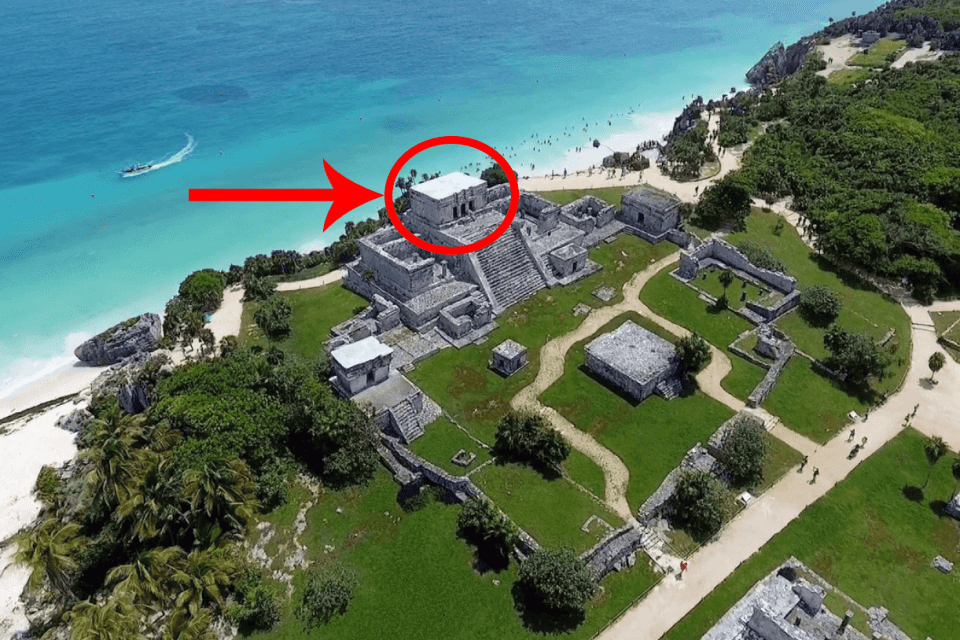
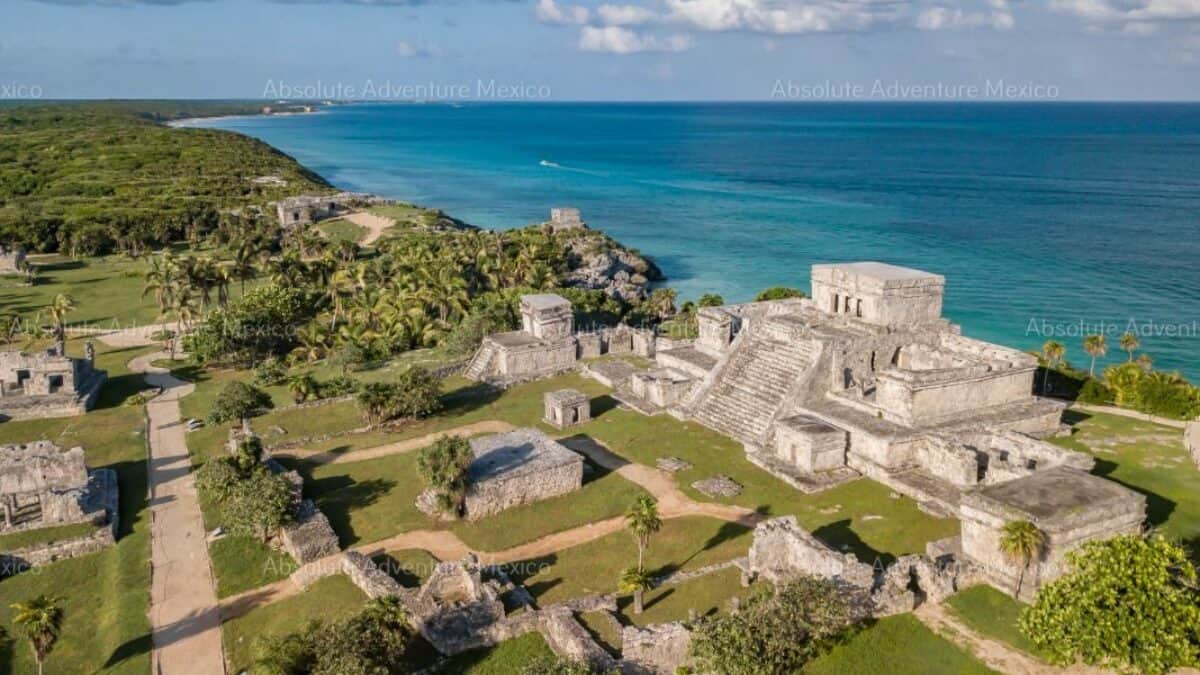
El Castillo (The Castle): This is the most prominent and imposing structure in Tulum. Its elevated position on the cliff offers breathtaking panoramic views of the Caribbean. El Castillo served multiple functions, likely acting as a ceremonial center and a lighthouse for approaching mariners. The architectural style, with its steep staircase and elaborate roof comb, is characteristic of the Postclassic Mayan period. The sheer scale and meticulous construction of El Castillo underscore the importance of leadership and religious authority within the community.
-
The Temple of the Frescoes: This remarkably preserved temple is named for the colorful murals that adorn its interior walls. These frescoes offer invaluable insights into Mayan cosmology, religious rituals, and daily life. The vibrant imagery, depicting deities, historical events, and symbolic representations, provides a visual narrative of their worldview. The preservation of these delicate artworks is a testament to the dry climate and the careful stewardship of the site over centuries. Examining these frescoes can feel akin to decoding ancient data streams, revealing patterns of belief and societal organization.
-
The Temple of the Descending God: Another significant structure, this temple is notable for the relief carving above its doorway, depicting a diving or descending deity. This motif is found in other Mayan sites, but its prominent display in Tulum further emphasizes the spiritual and cosmological beliefs that permeated Mayan society.
The layout of the city, with its temples, palaces, observatories, and residential areas, paints a picture of a well-organized and functional urban center. The meticulous planning and construction, evident in the precise stonework and the alignment of buildings with astronomical events, speak to a profound understanding of engineering and astronomy.
Tech: Unlocking the Secrets of the Past
In the 21st century, our approach to understanding ancient civilizations like the Maya is increasingly augmented by technological advancements. Far from being a mere tourist attraction, the Tulum ruins are becoming a dynamic laboratory for technological innovation, offering new ways to explore, preserve, and interpret their rich history.
Digital Reconstruction and Virtual Exploration
One of the most transformative applications of technology in archaeology is digital reconstruction. Using advanced 3D scanning and photogrammetry, researchers can create incredibly detailed virtual models of the Tulum ruins. These models allow for:
- Immersive Virtual Tours: Imagine walking through a digitally recreated Tulum, complete with its original paint and architectural details, without ever leaving your home. This technology makes the site accessible to a global audience, breaking down geographical barriers and offering educational opportunities to students and enthusiasts worldwide.
- Preservation and Analysis: By creating precise digital replicas, archaeologists can study the structures without the need for extensive physical excavation, minimizing damage to the fragile remains. These digital models can also be used to simulate the effects of environmental factors like erosion and seismic activity, aiding in preservation efforts.
- Unveiling Hidden Details: In some cases, digital enhancements can reveal details that are no longer visible to the naked eye, such as faint inscriptions or the subtle nuances of stonework. This is akin to using sophisticated AI algorithms to sift through vast datasets of historical information, uncovering patterns and connections that might otherwise remain obscured.
Drones and LiDAR: Mapping the Unseen
Drones equipped with high-resolution cameras and LiDAR (Light Detection and Ranging) technology are revolutionizing the way we map and understand archaeological sites.
- Aerial Survey and Mapping: Drones can provide comprehensive aerial views of the Tulum ruins and the surrounding landscape, enabling archaeologists to create detailed maps and identify potential areas of interest for further investigation. This allows for a broader understanding of the site’s context within its natural environment.
- Penetrating Vegetation: LiDAR, in particular, can penetrate dense jungle foliage to reveal the underlying topography and identify buried structures or earthworks that are not visible from the ground. This technology is crucial for understanding the full extent of Mayan settlements, as many were eventually overgrown and hidden by centuries of vegetation.
- Monitoring Site Conditions: Drones can also be used for ongoing monitoring of the ruins’ condition, detecting signs of deterioration or damage early on, allowing for prompt intervention and preservation strategies. This proactive approach is essential for safeguarding such invaluable heritage sites.
AI and Data Analysis: Deciphering Ancient Scripts and Patterns
Artificial intelligence (AI) is emerging as a powerful tool for analyzing the vast amounts of data generated by archaeological research.
- Deciphering Glyphs and Inscriptions: AI algorithms can be trained to recognize and interpret Mayan glyphs and inscriptions, accelerating the process of deciphering ancient texts that hold clues to the Maya’s history, beliefs, and social structures. This is akin to using AI to analyze complex software code, revealing its underlying logic and purpose.
- Pattern Recognition in Artifacts: AI can also be used to analyze patterns in the distribution and style of artifacts found at the site, helping archaeologists to understand trade networks, social hierarchies, and cultural influences.
- Predictive Modeling for Conservation: By analyzing historical data on environmental changes and material degradation, AI can help predict which areas of the ruins are most vulnerable to damage and inform targeted conservation efforts.
Brand: The Evolving Narrative of Tulum
The “brand” of Tulum has transformed dramatically from its origins as a significant Mayan city to its current status as a world-renowned tourist destination. This evolution is a fascinating case study in how heritage sites are marketed, managed, and perceived in the modern era.
From Ancient Port to Global Icon
For centuries, the Tulum ruins were largely unknown to the outside world, a hidden gem waiting to be rediscovered. The initial discovery and subsequent excavation in the early 20th century began to put Tulum on the map, but its true rise to global prominence is a more recent phenomenon.
- The “Instagrammable” Archetype: In the age of social media, the Tulum ruins have become an iconic symbol of natural beauty and ancient wonder. Their dramatic setting, with the turquoise sea as a backdrop, makes them incredibly photogenic, leading to widespread sharing on platforms like Instagram. This has cemented Tulum’s image as a must-visit destination, attracting a diverse range of travelers.
- The Tulum Experience: The “brand” of Tulum now encompasses not just the ruins themselves but also the entire experience of visiting the Riviera Maya. This includes the surrounding beaches, cenotes, eco-resorts, and the vibrant local culture. The marketing of Tulum often blends elements of adventure, relaxation, wellness, and cultural immersion.
- Challenges of Mass Tourism: While the strong brand of Tulum has brought significant economic benefits, it also presents challenges. The influx of millions of visitors annually can strain the infrastructure and pose a risk to the delicate archaeological site. Managing this “brand overload” is a constant balancing act between accessibility and preservation.
Digital Marketing and Storytelling
The success of Tulum’s brand is inextricably linked to sophisticated digital marketing strategies.
- Content Creation and Dissemination: Travel bloggers, influencers, and official tourism boards consistently create engaging content – photos, videos, and written accounts – that showcases the beauty and historical significance of the ruins. This constant stream of digital content reinforces Tulum’s desirability.
- Search Engine Optimization (SEO): For anyone asking “what are the Tulum ruins” or planning a visit, search engines are often the first point of contact. Effective SEO ensures that information about the ruins, including their history, accessibility, and cultural importance, is readily available to potential visitors.
- Brand Storytelling: The narrative surrounding Tulum is carefully crafted. It often emphasizes the Maya’s connection to nature, their spiritual beliefs, and the enduring mystery of their civilization. This storytelling approach resonates with travelers seeking more than just a superficial experience.
Preserving the Brand Integrity: The Role of Heritage Management
Maintaining the integrity of Tulum’s brand requires a concerted effort in heritage management.
- Balancing Tourism and Preservation: Authorities are constantly grappling with how to allow access for tourists while protecting the fragile ruins from wear and tear. This involves strict visitor guidelines, controlled access, and ongoing restoration efforts.
- Educational Initiatives: Effective interpretation and educational programs are crucial for ensuring that visitors understand the historical and cultural significance of Tulum, fostering a sense of respect and appreciation.
- Community Involvement: The long-term success of Tulum’s brand depends on the involvement of the local community. Ensuring that tourism benefits the people who live in the region, and that they are stakeholders in its preservation, is vital.
Money: The Economic Engine of Heritage
The economic implications of the Tulum ruins are multifaceted, ranging from direct revenue generation through tourism to the broader economic impact on the local and national economies. Understanding the financial aspects is crucial for ensuring the sustainable management and preservation of this invaluable heritage site.
Tourism as a Financial Driver
The Tulum ruins are a significant economic engine for the Yucatan Peninsula and Mexico as a whole.
- Direct Revenue from Entrance Fees: While modest compared to the overall economic impact, entrance fees to the archaeological site contribute directly to its maintenance, conservation, and management.
- Indirect Economic Benefits: The majority of the economic impact stems from the tourism industry that surrounds the ruins. This includes revenue generated by hotels, restaurants, tour operators, transportation services, and souvenir vendors. Millions of visitors each year translate into significant economic activity.
- Job Creation: The tourism sector is a major employer in the region, providing jobs for a wide range of individuals, from archaeologists and guides to hospitality staff and artisans.
- Investment in Infrastructure: The popularity of Tulum has spurred investment in local infrastructure, including roads, utilities, and communication networks, which can benefit the wider community.
Financial Tools for Conservation and Development
Ensuring the long-term survival of the Tulum ruins requires dedicated financial resources and effective management tools.
- Government Funding and Grants: National and international heritage organizations often provide funding for archaeological research, conservation projects, and infrastructure improvements at sites like Tulum.
- Private Sector Partnerships: Collaboration with private companies can provide additional funding and expertise for conservation and tourism development initiatives.
- Non-Profit Organizations and Foundations: Numerous non-profit organizations are dedicated to the preservation of cultural heritage, and they often raise funds through donations and grants to support projects at sites like Tulum.
- Sustainable Tourism Models: Exploring and implementing sustainable tourism models is crucial. This involves ensuring that tourism revenue is reinvested in conservation efforts and that the environmental and cultural impact of tourism is minimized. For example, charging premium prices for exclusive tours could fund preservation efforts without necessarily increasing visitor numbers.
The Economic Ripple Effect: From Local Artisans to Global Markets
The economic impact of the Tulum ruins extends far beyond the immediate vicinity of the archaeological site.
- Support for Local Artisans: The demand for souvenirs and traditional crafts provides a livelihood for local artisans, who often draw inspiration from Mayan art and symbolism.
- Facilitating International Trade: Historically, Tulum was a hub for trade. Today, the region’s economic prosperity, partly driven by tourism, facilitates broader international trade and investment.
- The Value of Cultural Heritage: The economic value of cultural heritage is increasingly recognized. Sites like Tulum are not just historical relics; they are significant economic assets that, when managed responsibly, can contribute to sustainable development and cultural preservation.
In conclusion, the Tulum ruins are a remarkable testament to the ingenuity of the Mayan civilization, a UNESCO World Heritage site that continues to captivate visitors with its stunning beauty and profound historical significance. By applying the lenses of Tech, Brand, and Money, we gain a more comprehensive understanding of what the Tulum ruins are – not just as a physical place, but as a dynamic entity that is explored, perceived, and valued in our modern world. Technology illuminates their past, their brand shapes their present perception, and their economic impact underscores their enduring importance for the future.
aViewFromTheCave is a participant in the Amazon Services LLC Associates Program, an affiliate advertising program designed to provide a means for sites to earn advertising fees by advertising and linking to Amazon.com. Amazon, the Amazon logo, AmazonSupply, and the AmazonSupply logo are trademarks of Amazon.com, Inc. or its affiliates. As an Amazon Associate we earn affiliate commissions from qualifying purchases.