
Understanding the precise operating hours of the stock market is a fundamental piece of knowledge for any investor, from the seasoned day trader to the long-term passive accumulator. While the concept might seem straightforward, the reality of market hours extends far beyond the familiar “9 to 5” analogy. It encompasses standard sessions, pre-market and after-hours trading, global market schedules, and an array of holidays that can significantly impact liquidity, volatility, and investment strategies. Navigating these various timeframes effectively is crucial for managing risk, capitalizing on opportunities, and ensuring your investment decisions are well-informed.

The stock market isn’t a single, monolithic entity that opens and closes uniformly across the globe. Instead, it’s a complex network of exchanges, each with its own specific operating schedule. For investors primarily focused on U.S. equities, the New York Stock Exchange (NYSE) and NASDAQ are the primary venues, and their schedules often set the tone for domestic trading. However, a broader investment perspective requires an appreciation for how interconnected global markets operate and how their staggered hours create a near 24-hour cycle of financial activity. This article will delve into the intricacies of stock market trading hours, providing a comprehensive guide to help you optimize your approach to the financial markets.
The Core Trading Window: Regular Market Hours
The regular trading session represents the most liquid and widely recognized period for stock market activity. During these hours, the majority of trading volume occurs, and prices are generally considered to be the most efficient reflections of available information. For many, this is the “stock market” they envision.
NYSE and NASDAQ: The Standard Day
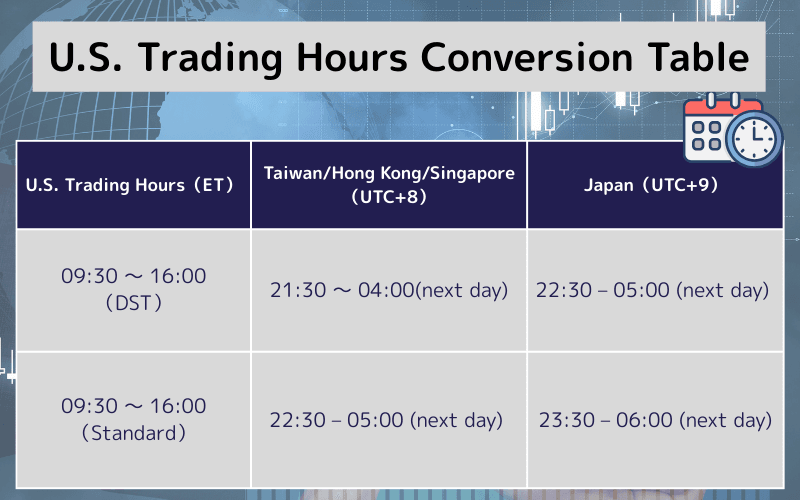
In the United States, the two largest stock exchanges, the New York Stock Exchange (NYSE) and the NASDAQ Stock Market, operate on a consistent schedule. The regular trading hours for both exchanges are from 9:30 AM to 4:00 PM Eastern Time (ET), Monday through Friday. This 6.5-hour window is when most individual and institutional investors execute their trades.
During these hours, market makers are actively quoting prices, bid-ask spreads are typically tighter, and there is generally a high level of participation from various market participants, including retail investors, mutual funds, hedge funds, and pension funds. This high liquidity makes it easier to buy and sell stocks without significantly impacting their price, assuming reasonable trade sizes. For most investors, particularly those new to the market, focusing on regular trading hours is the safest and most practical approach. It’s when the market is at its most transparent and orderly.
Weekends and Market Holidays
The U.S. stock market does not operate on weekends. Both the NYSE and NASDAQ are closed on Saturdays and Sundays. This provides a necessary pause for market participants to analyze news and economic data released over the weekend and prepare for the next trading week.
In addition to weekends, the U.S. stock market observes several federal holidays throughout the year. On these days, the exchanges are completely closed, meaning no trading occurs. Common market holidays include:
- New Year’s Day
- Martin Luther King, Jr. Day
- Presidents’ Day
- Good Friday
- Memorial Day
- Juneteenth National Independence Day
- Independence Day
- Labor Day
- Thanksgiving Day
- Christmas Day
It’s also important to note that sometimes the market may have early closures or half-days preceding or following a major holiday. For example, the market often closes early on the day before Independence Day or Christmas Eve. Financial news outlets and brokerage platforms typically publish a complete calendar of market holidays and early closures well in advance, and investors should consult these resources to plan their trading activities accordingly. Attempting to place trades on a closed market will result in the order being queued for the next trading day, potentially at a vastly different price.
Beyond the Bell: Extended Trading Sessions
While regular hours define the core trading day, technological advancements and the increasing speed of information have led to the proliferation of “extended hours” trading. These sessions, occurring before the market opens and after it closes, allow investors to react to news and events that happen outside the standard 9:30 AM to 4:00 PM window.
Pre-Market Trading: Seizing the Early Edge
Pre-market trading typically begins as early as 4:00 AM ET and runs until the market opens at 9:30 AM ET. This session allows traders to react to overnight news, earnings announcements released before the market opens, or global market movements. For instance, if a major company announces stellar quarterly results at 7:00 AM ET, traders can begin buying or selling its stock in the pre-market, often leading to significant price action even before the official opening bell.
After-Hours Trading: Responding to Late News
Conversely, after-hours trading commences immediately after the regular session closes at 4:00 PM ET and can extend until 8:00 PM ET or even later, depending on the brokerage firm. This session is crucial for responding to news released after market close, such as late-day earnings reports, analyst upgrades/downgrades, or unexpected geopolitical events. A company might announce a major acquisition at 5:00 PM ET, causing its stock price to surge or plummet in after-hours trading.
Understanding the Dynamics of Extended Hours
It’s critical for investors to understand that extended trading hours operate under different dynamics than the regular session. The most significant differences are:
- Lower Liquidity: Fewer participants trade during extended hours, leading to significantly lower trading volumes. This means there are fewer buyers and sellers for a given stock.
- Wider Bid-Ask Spreads: Due to lower liquidity, the difference between the highest price a buyer is willing to pay (bid) and the lowest price a seller is willing to accept (ask) tends to be wider. This can make it more expensive to execute trades.
- Increased Volatility: Lower liquidity and wider spreads can amplify price movements, making stocks more volatile. A relatively small trade can have a disproportionately large impact on a stock’s price.
- Dominance of Institutional Investors: Extended hours are often dominated by institutional traders, professional money managers, and high-frequency trading firms with access to sophisticated tools and direct market access. Retail investors participating in these sessions might find themselves at a disadvantage.
- Order Types: Not all order types available during regular hours may be supported in extended sessions. Market orders are generally discouraged due to volatility, and limit orders are often preferred to control execution price.
For these reasons, while extended hours offer opportunities, they also present elevated risks, especially for inexperienced retail investors. Caution and a thorough understanding of the specific risks are paramount when participating in pre-market or after-hours trading.
A Global Perspective: International Stock Markets
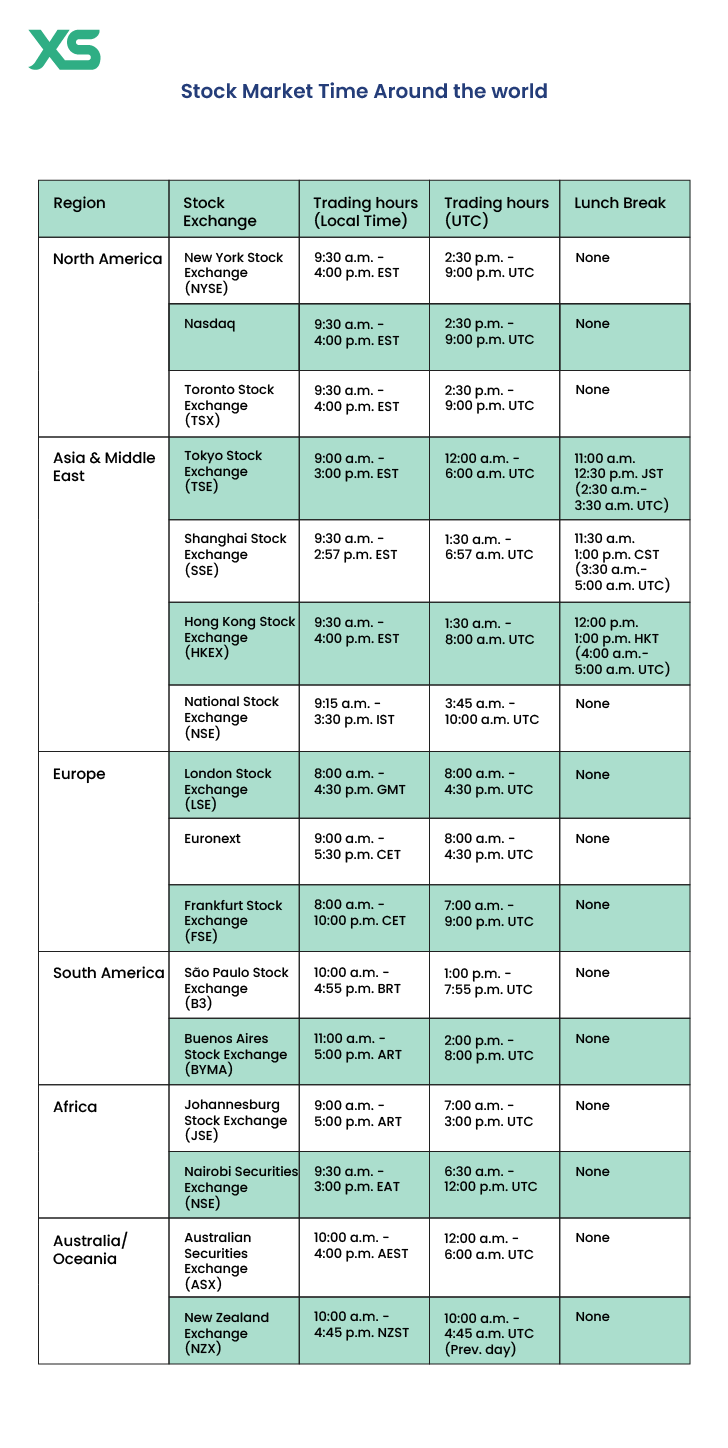
The world’s financial markets are highly interconnected. News or economic data from one region can have ripple effects across the globe. Understanding the trading hours of major international exchanges provides a broader context for global investing and risk management.
Navigating Time Zones and Overlapping Sessions
Due to the Earth’s rotation and the distribution of financial centers, there is always at least one major stock market open somewhere in the world on any given weekday. This creates a fascinating rhythm of overlapping sessions, where the close of one market might coincide with the opening or mid-session of another. For example:
- When Asian markets (like Tokyo and Shanghai) are closing, European markets (like London and Frankfurt) are often opening or in their mid-session.
- When European markets are nearing their close, U.S. markets (NYSE, NASDAQ) are typically in their full swing.
This continuous cycle means that global events can influence asset prices around the clock, even when your local market is closed. For investors with international holdings or those tracking global macro trends, being aware of these time differences is crucial. Economic reports from Europe, political developments in Asia, or earnings announcements from a major multinational can all impact U.S. stock futures or the opening price of the domestic market.
Key International Markets and Their Schedules
Here’s a brief overview of the standard regular trading hours for some of the world’s most significant stock exchanges (all times local):
- London Stock Exchange (LSE), UK: 8:00 AM – 4:30 PM GMT
- Euronext (Paris, Amsterdam, Brussels, Lisbon), Europe: 9:00 AM – 5:30 PM CET
- Frankfurt Stock Exchange (Xetra), Germany: 9:00 AM – 5:30 PM CET
- Tokyo Stock Exchange (TSE), Japan: 9:00 AM – 11:30 AM JST (morning session), 12:30 PM – 3:00 PM JST (afternoon session)
- Shanghai Stock Exchange (SSE), China: 9:30 AM – 11:30 AM CST (morning session), 1:00 PM – 3:00 PM CST (afternoon session)
- Hong Kong Stock Exchange (HKEX), Hong Kong: 9:30 AM – 12:00 PM HKT (morning session), 1:00 PM – 4:00 PM HKT (afternoon session)
- Australian Securities Exchange (ASX), Australia: 10:00 AM – 4:00 PM AEST (with a pre-open at 7:00 AM)
- Bombay Stock Exchange (BSE), India: 9:15 AM – 3:30 PM IST
It’s important for investors to convert these local times to their own time zone when monitoring international markets. Many brokerage platforms and financial news sites offer tools for this conversion or display relevant market hours adjusted to the user’s local time.
Strategic Implications for Investors
Understanding stock market trading hours is not merely an academic exercise; it has practical, strategic implications for how investors approach their portfolios and execute their trades.
Tailoring Strategies to Different Trading Windows
The choice of when to trade often depends on an investor’s strategy and risk tolerance:
- Long-Term Investors: For those focused on long-term growth and value investing, specific trading hours are generally less critical. Their investment decisions are based on fundamental analysis and multi-year horizons, making daily price fluctuations, even those during extended hours, less impactful. Orders can typically be placed during regular hours or even outside them, knowing they will execute at the next available market price.
- Day Traders: Day traders, who aim to profit from intra-day price movements, are highly dependent on regular market hours due to the higher liquidity and lower volatility compared to extended sessions. They thrive on predictable patterns and tight spreads, making the 9:30 AM to 4:00 PM ET window their primary battleground.
- Swing Traders: Swing traders, who hold positions for a few days to a few weeks, also primarily focus on regular hours but might monitor after-hours news for potential overnight gaps that could affect their positions.
- Event-Driven Traders: Traders specializing in reacting to news events (e.g., earnings reports, economic data) may strategically utilize pre-market and after-hours sessions to capitalize on immediate price reactions. However, this requires significant experience, robust risk management, and an understanding of the inherent risks of lower liquidity.
Risk Management Across All Hours
Regardless of an investor’s strategy, effective risk management is paramount, and market hours play a direct role:
- Limit Orders are Key: Especially during extended hours, using limit orders instead of market orders is crucial. A limit order specifies the maximum price you are willing to pay (for a buy) or the minimum price you are willing to accept (for a sell), protecting you from unexpected price swings due to low liquidity.
- Watch for Gaps: Price “gaps” often occur between the close of one trading session and the open of the next, particularly after significant news. Being aware of these potential gaps, especially if holding positions overnight or over weekends, is vital for managing risk.
- Position Sizing: Due to increased volatility in extended hours, it’s often prudent to reduce position sizes if trading during these times.
- Information Asymmetry: During extended hours, market-moving information might not be as widely disseminated as during regular hours, potentially creating an information asymmetry that disadvantages retail investors.
The Evolving Landscape of Market Access
The concept of “trading hours” has evolved significantly with technological advancements, moving from open-outcry pits to fully electronic exchanges accessible from anywhere.
Technology’s Role in Expanding Trading Opportunities
Electronic communication networks (ECNs) and algorithmic trading platforms have revolutionized market access. What was once confined to a physical trading floor during specific hours is now largely digital and globally accessible. This shift has facilitated:
- Extended Hours Trading: ECNs connect buyers and sellers directly, enabling trading outside traditional market hours without the need for physical exchanges.
- Global Access: Investors can now easily access international markets through their brokerage platforms, blurring geographical and time boundaries.
- Faster Execution: Trades can be executed in milliseconds, a stark contrast to the slower manual processes of the past.
- Automated Trading: Algorithmic trading programs can monitor markets and execute trades 24/7 across various asset classes, responding to pre-defined parameters.
These technological changes have democratized access to financial markets but have also introduced new complexities, requiring investors to stay informed about market mechanisms.
What the Future Holds for Stock Market Hours
While 24/7 trading is already a reality for certain asset classes like cryptocurrencies and foreign exchange (forex), and increasingly for futures, it is not yet the norm for mainstream equities. The idea of a 24-hour stock market for traditional stocks is a frequent topic of debate. Proponents argue it would increase liquidity, allow immediate reactions to global news, and align with the always-on nature of modern life. Opponents raise concerns about investor fatigue, the need for market makers to rest, the challenge of maintaining fair pricing without breaks, and the potential for even greater volatility.
For now, the traditional market hours, complemented by extended sessions, remain the standard for equity trading. However, given the relentless pace of technological innovation and the increasing globalization of finance, it’s a landscape that continues to evolve. Staying informed about these changes is crucial for any investor looking to navigate the financial markets successfully.
In conclusion, the stock market’s trading hours are a multifaceted element of investing that demands careful attention. From the liquid core of regular hours to the higher-risk extended sessions and the intricate dance of global markets, each timeframe presents unique opportunities and challenges. By understanding these nuances and adapting their strategies accordingly, investors can make more informed decisions, manage risk effectively, and ultimately enhance their potential for financial success.
aViewFromTheCave is a participant in the Amazon Services LLC Associates Program, an affiliate advertising program designed to provide a means for sites to earn advertising fees by advertising and linking to Amazon.com. Amazon, the Amazon logo, AmazonSupply, and the AmazonSupply logo are trademarks of Amazon.com, Inc. or its affiliates. As an Amazon Associate we earn affiliate commissions from qualifying purchases.