
The evolution of automotive technology has dramatically reshaped the concept of driving environments. Beyond the traditional understanding of roads and weather, the modern driving environment is a complex interplay of physical conditions, technological integration, and the very intent behind our journeys. As we navigate an increasingly connected and data-driven world, understanding these distinct driving environments becomes crucial for anticipating the capabilities and challenges of future vehicles, from advanced driver-assistance systems (ADAS) to fully autonomous driving. These environments can be broadly categorized into three primary types: Urban/Congested Environments, Highway/Open Road Environments, and Adverse/Challenging Environments. Each presents unique scenarios, demanding specific technological solutions and influencing the development of automotive software, sensors, and artificial intelligence.
Urban/Congested Environments: Navigating Complexity and Uncertainty
Urban and congested environments represent the most dynamic and unpredictable driving scenarios. These are characterized by a high density of vehicles, pedestrians, cyclists, and diverse infrastructure. The constant presence of potential hazards, intricate road layouts, and frequent interruptions demands sophisticated perception and decision-making capabilities from any driving system, whether human or automated. The complexity arises from the sheer volume of interactions and the unpredictable nature of movement within these spaces.
Navigating Dense Traffic and Intersections
The core challenge in urban environments is the management of dense traffic flow. This involves precisely tracking multiple vehicles, understanding their trajectories, and predicting their intentions. Intersections, in particular, are critical choke points. The presence of traffic lights, stop signs, crosswalks, and the potential for other road users to disregard rules creates a high-risk zone. Advanced sensor fusion, combining data from cameras, radar, and lidar, is essential for detecting and classifying all objects, including vulnerable road users like pedestrians and cyclists, who may appear suddenly from blind spots. Machine learning algorithms are trained to interpret complex scenarios, such as a pedestrian stepping into the road or a vehicle making an unexpected lane change. The ability to react swiftly and appropriately, often with precise braking and steering inputs, is paramount.
Pedestrian and Cyclist Detection and Prediction
Urban settings are defined by the presence of non-vehicular road users. Pedestrians can appear unexpectedly from sidewalks, doorways, or between parked cars. Cyclists often weave through traffic or share lanes with vehicles. Distinguishing between these diverse road users and accurately predicting their paths is a significant technological hurdle. Systems must be able to differentiate between a person walking on the sidewalk and one about to cross the street. For cyclists, understanding their momentum and potential for abrupt maneuvers is key. The development of specialized AI models that can identify and predict the behavior of these vulnerable road users is a continuous area of research and development.
Complex Road Infrastructure and Dynamic Signage
Urban landscapes are rarely uniform. They feature a multitude of road types, including narrow streets, one-way systems, roundabouts, and complex multi-lane highways. The road infrastructure itself can present challenges, such as potholes, uneven surfaces, and construction zones. Furthermore, urban environments are characterized by dynamic signage, including variable speed limits, temporary closures, and complex directional information. Autonomous systems need to accurately read and interpret these signs, often in varying lighting conditions and from different angles. The ability to map and localize accurately within these intricate environments, even when GPS signals are weak or obstructed by tall buildings, is also critical.
Highway/Open Road Environments: Optimizing for Flow and Efficiency
Highway and open road environments present a contrast to the urban jungle. While generally less complex in terms of immediate obstacle density, they demand high-speed performance, precise lane keeping, and the ability to manage long-distance travel. The focus here shifts towards maintaining consistent speed, executing smooth lane changes, and ensuring safe distances from other vehicles traveling at comparable velocities. The technological requirements are geared towards efficiency, comfort, and preventing fatigue for both human drivers and automated systems.
Adaptive Cruise Control and Lane Keeping Assist
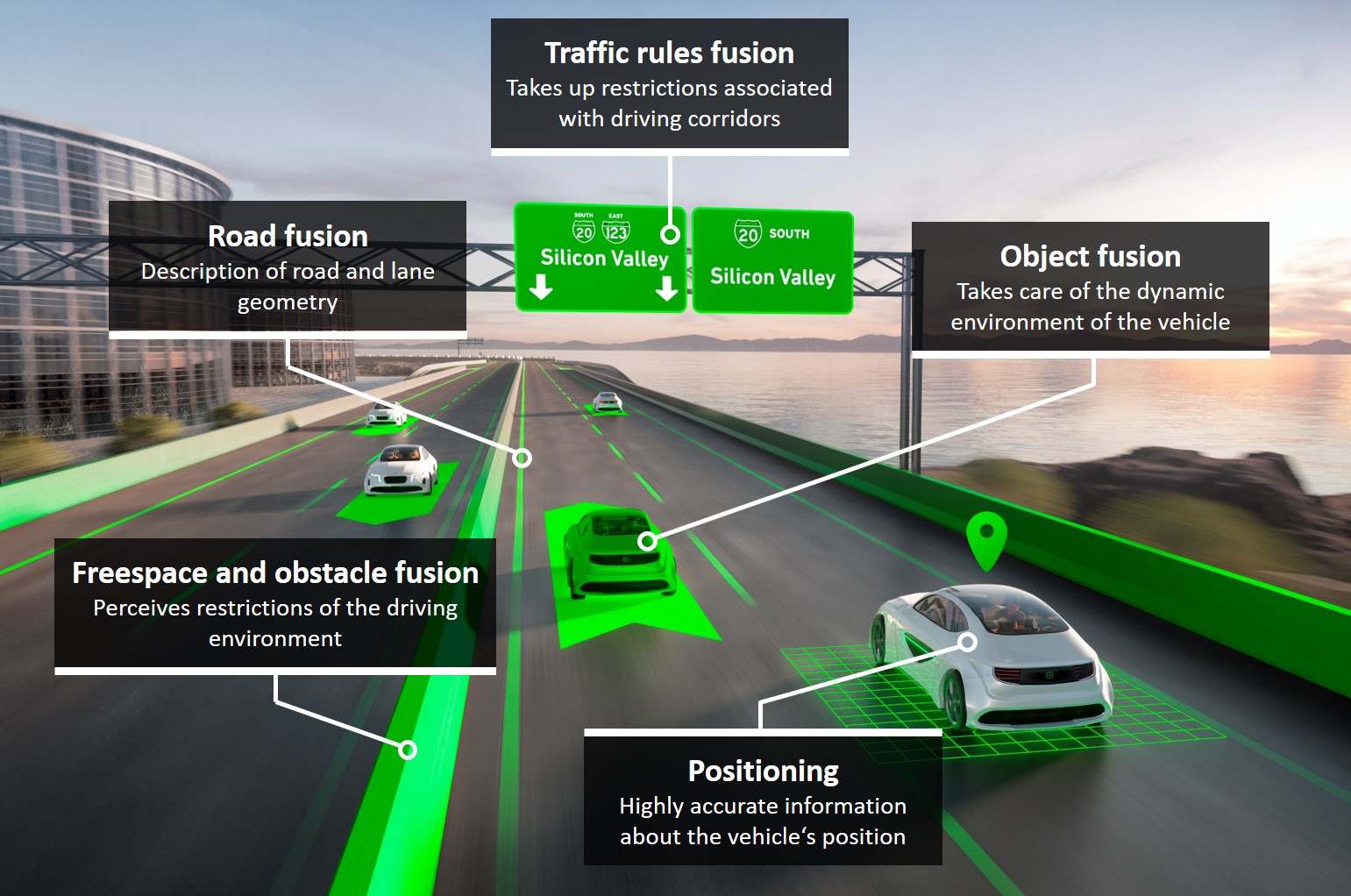
Key technologies for highway driving include Adaptive Cruise Control (ACC) and Lane Keeping Assist (LKA). ACC systems use sensors to detect vehicles ahead and automatically adjust the vehicle’s speed to maintain a set following distance. This significantly reduces the driver’s workload on long journeys. LKA systems, on the other hand, use cameras to identify lane markings and help keep the vehicle centered within its lane. When combined, these systems offer a foundational level of automated driving, enhancing safety and reducing driver fatigue. The accuracy of these systems is paramount, requiring precise sensor calibration and robust algorithms to distinguish lane markings from road imperfections or shadows.
High-Speed Object Detection and Tracking
While highways may have fewer obstacles than urban areas, the speed at which vehicles travel means that any encountered object—be it another car, debris on the road, or an animal—poses a greater risk. High-speed object detection and tracking are therefore critical. Sensors must be able to reliably identify and track objects at significantly greater distances and with higher accuracy to provide sufficient time for the vehicle to react. The software processing this data needs to be highly optimized to provide real-time responses without compromising performance. Predictive algorithms play a role in anticipating the movement of other vehicles, especially during lane changes.
Route Following and Navigation for Extended Journeys
Highway driving often involves long-distance travel where accurate navigation and adherence to a planned route are essential. This involves not only following GPS directions but also understanding highway exit ramps, merging lanes, and anticipating upcoming road conditions based on navigation data. Advanced systems can integrate traffic information to suggest optimal routes and proactively adjust speed based on upcoming congestion. The ability to perform smooth and safe merges onto highways or navigate complex interchanges requires a sophisticated understanding of vehicle dynamics and the behavior of surrounding traffic.
Adverse/Challenging Environments: Adapting to Unpredictability and Reduced Visibility
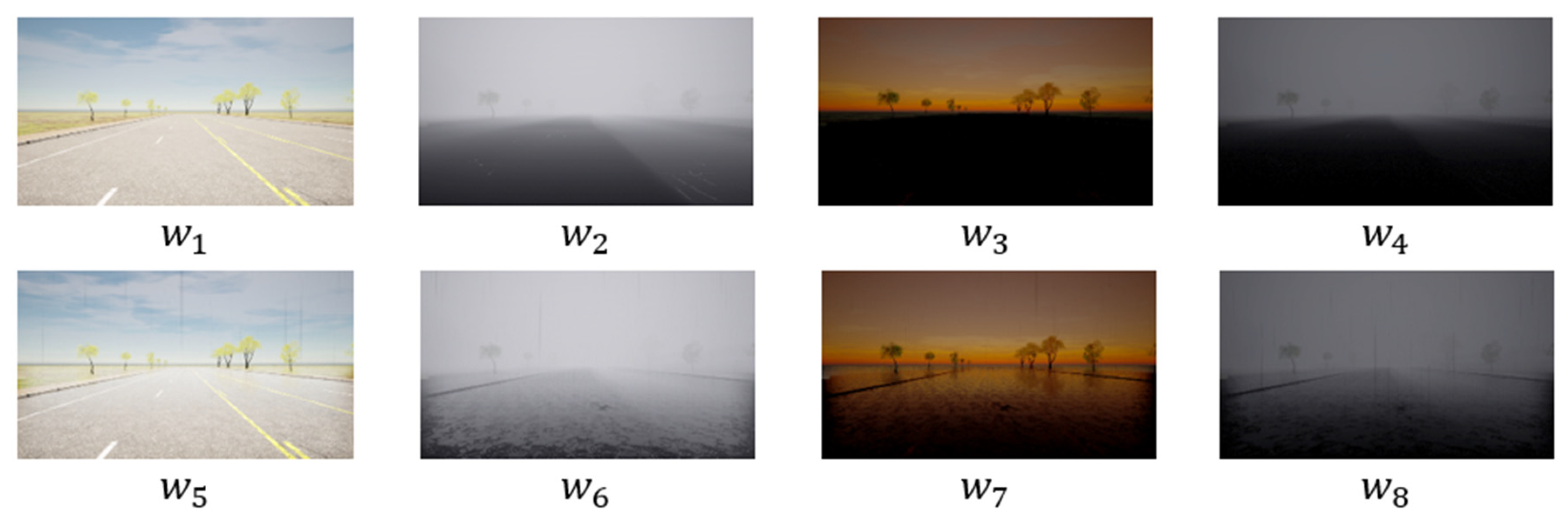
Adverse and challenging driving environments push the boundaries of current automotive technology. These scenarios are defined by conditions that significantly degrade the performance of sensors and the ability of drivers, human or automated, to perceive and react safely. Snow, heavy rain, fog, ice, and unpaved or poorly maintained roads introduce a level of unpredictability that requires robust fallback strategies and enhanced sensor capabilities.
Reduced Visibility and Sensor Performance Degradation
The most significant challenge in adverse environments is reduced visibility. Heavy rain, snow, and fog can obscure cameras, scatter lidar beams, and even interfere with radar signals. This degradation in sensor input directly impacts the system’s ability to accurately perceive its surroundings. For example, lane markings may become invisible under a layer of snow or water, and distinguishing between a puddle and a pothole can become impossible for a camera. Advanced sensor technologies, such as thermal imaging cameras and more robust radar systems, are being developed to mitigate these limitations. Sensor cleaning systems, like high-pressure washers and wipers for lidar and cameras, also play a crucial role.
Slippery Road Conditions and Loss of Traction
Ice, snow, and wet surfaces drastically reduce tire grip, making acceleration, braking, and steering significantly more challenging. Loss of traction can lead to skids and a complete loss of control. Advanced vehicle stability control systems and traction control systems are vital. These systems rely on wheel speed sensors and other inputs to detect a loss of grip and make rapid adjustments to engine power, braking, and even individual wheel braking to maintain stability. For autonomous systems, the ability to estimate the coefficient of friction of the road surface in real-time and adjust driving parameters accordingly is a complex but critical requirement.
Unmapped and Off-Road Terrain
While most driving occurs on paved roads, some driving environments involve unmapped or off-road terrain. This could include unpaved country roads, gravel paths, or even more extreme off-road conditions. In such environments, traditional lane markings are absent, and the road surface is highly variable. Vehicle suspension systems need to adapt to uneven terrain, and navigation systems must rely on more advanced techniques like lidar-based mapping and visual odometry to determine the vehicle’s position and navigate. The ability to detect obstacles that are not easily discernible on paved roads, such as large rocks or uneven inclines, becomes paramount.
The continuous advancement of automotive technology is driven by the need to reliably and safely navigate these diverse and evolving driving environments. From the intricate dance of urban traffic to the serene expanse of highways and the unpredictable nature of adverse conditions, each presents a unique set of challenges and opportunities for innovation in artificial intelligence, sensor technology, and vehicle control systems. As we move towards a future of increasingly automated and connected mobility, a comprehensive understanding of these driving environments will be foundational to realizing that vision.
aViewFromTheCave is a participant in the Amazon Services LLC Associates Program, an affiliate advertising program designed to provide a means for sites to earn advertising fees by advertising and linking to Amazon.com. Amazon, the Amazon logo, AmazonSupply, and the AmazonSupply logo are trademarks of Amazon.com, Inc. or its affiliates. As an Amazon Associate we earn affiliate commissions from qualifying purchases.