
The Nasdaq Stock Market stands as a pivotal pillar in the global financial landscape, renowned for its technological sophistication and its status as a primary listing venue for innovative, growth-oriented companies. Unlike the New York Stock Exchange (NYSE), which historically operated as a physical trading floor, Nasdaq pioneered electronic trading, revolutionizing how securities are bought and sold. For investors, understanding “what are the stocks in the Nasdaq” is crucial for navigating the opportunities and nuances of this dynamic marketplace, which often serves as a barometer for the health and direction of the technology sector and broader growth economy. This article delves into the core characteristics, listing requirements, and diverse range of companies that call Nasdaq home, offering an insightful perspective for anyone looking to deepen their understanding of investing in this unique exchange.
Understanding the Nasdaq Exchange: More Than Just a Market
The Nasdaq, an acronym for the National Association of Securities Dealers Automated Quotations, launched in 1971 as the world’s first electronic stock market. Its inception marked a significant shift from the traditional open outcry system, establishing a fully electronic, computer-based trading platform that offered greater efficiency, transparency, and speed. This innovative approach quickly attracted a new breed of companies, particularly those in nascent and rapidly evolving industries.
A Legacy of Innovation and Growth
From its earliest days, Nasdaq cultivated a reputation for being the exchange of choice for companies at the forefront of innovation. While the NYSE was often associated with older, established industrial giants, Nasdaq became synonymous with emerging technologies, biotechnology, and other high-growth sectors. This distinction has largely persisted, cementing Nasdaq’s image as the home of the future. Its electronic structure also facilitated broader participation from market makers, leading to more competitive pricing and enhanced liquidity, features that appealed to both companies seeking to raise capital and investors looking for efficient trading.
Nasdaq’s Distinctive Identity
Nasdaq’s identity is deeply intertwined with its focus on growth and technology. While it hosts companies from nearly every industry sector, its index performance is often heavily influenced by technology giants. This specialization has made Nasdaq indices, such as the Nasdaq Composite and the Nasdaq 100, critical benchmarks for tracking the performance of the tech sector and, by extension, a significant portion of the global innovation economy. Investors often look to Nasdaq as a gauge of market sentiment towards growth stocks, which tend to be more sensitive to economic cycles and investor appetite for risk. Its global reach extends beyond the United States, as Nasdaq operates multiple exchanges and market infrastructure businesses worldwide, further solidifying its role as a leading global exchange group.
Listing on Nasdaq: The Path to Public Markets
Becoming a publicly traded company on Nasdaq is a strategic decision for many corporations, particularly those seeking to tap into a broad investor base and enhance their market visibility. However, admission to this prestigious exchange is not granted lightly; it requires companies to meet a rigorous set of financial and corporate governance standards designed to protect investors and maintain market integrity.
Stringent Listing Requirements
Nasdaq maintains three distinct tiers for listing: the Nasdaq Global Select Market, the Nasdaq Global Market, and the Nasdaq Capital Market. Each tier has progressively stricter requirements, with the Global Select Market being the most stringent, reserved for companies that demonstrate exceptional financial health and corporate governance. Common criteria across these tiers include minimum financial metrics such as net income, cash flow, shareholder equity, and market capitalization. For instance, companies must demonstrate a certain level of annual income, generate sufficient cash flow, or maintain a substantial market value. Beyond financial strength, Nasdaq also mandates robust corporate governance practices, including the presence of independent directors, audit committees, and specific shareholder rights. These requirements ensure that listed companies operate with a high degree of transparency and accountability, which is crucial for investor confidence.
Different Tiers of Listing
The tiered structure allows Nasdaq to accommodate a wide spectrum of companies, from established multinational corporations to promising emerging growth ventures.
- Nasdaq Global Select Market: This tier is home to the largest and most liquid companies, characterized by high financial standards and robust corporate governance. It includes many of the world’s most recognizable brands and often serves as a benchmark for quality and stability among growth stocks.
- Nasdaq Global Market: This tier lists a broad array of companies that meet slightly less rigorous, but still substantial, financial and liquidity requirements than the Global Select Market. It is a common destination for mid-sized companies with solid business models.
- Nasdaq Capital Market: Designed for smaller companies seeking to raise capital, this tier has the least stringent financial requirements. It provides a platform for earlier-stage companies with significant growth potential, offering them access to public capital markets and increased visibility, albeit with higher inherent risks for investors.
The ability for a company to qualify and maintain its listing on one of these Nasdaq tiers signifies a certain level of financial stability and commitment to investor protection, making it a key consideration for potential investors.
The Diverse Universe of Nasdaq Stocks
While Nasdaq is often synonymous with technology, the reality of its listed companies is far more diverse. The exchange hosts a vast array of businesses from various sectors, though technology and innovation-driven industries undeniably play a dominant role in its overall character and market capitalization.
Dominance of Technology Giants
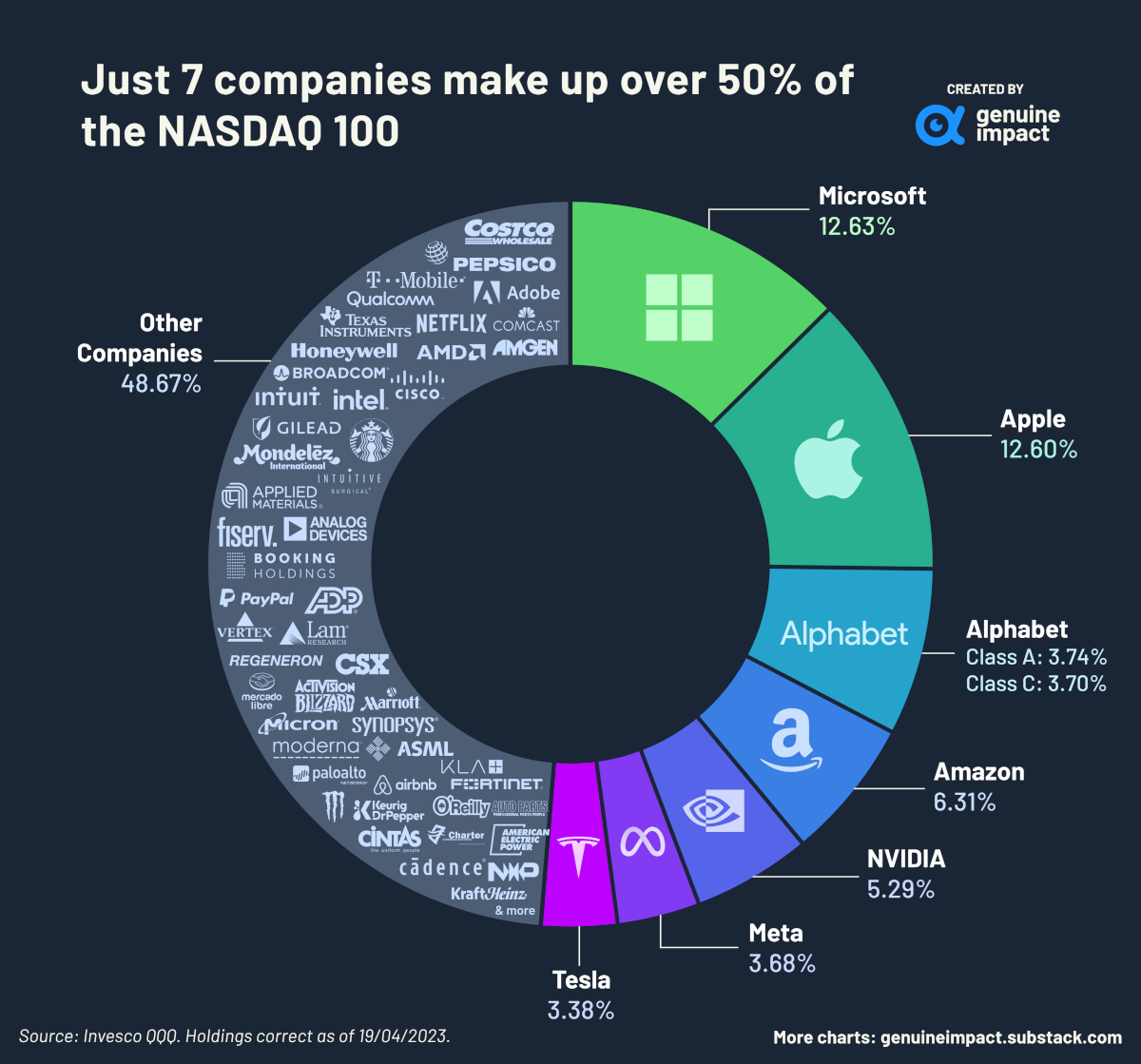
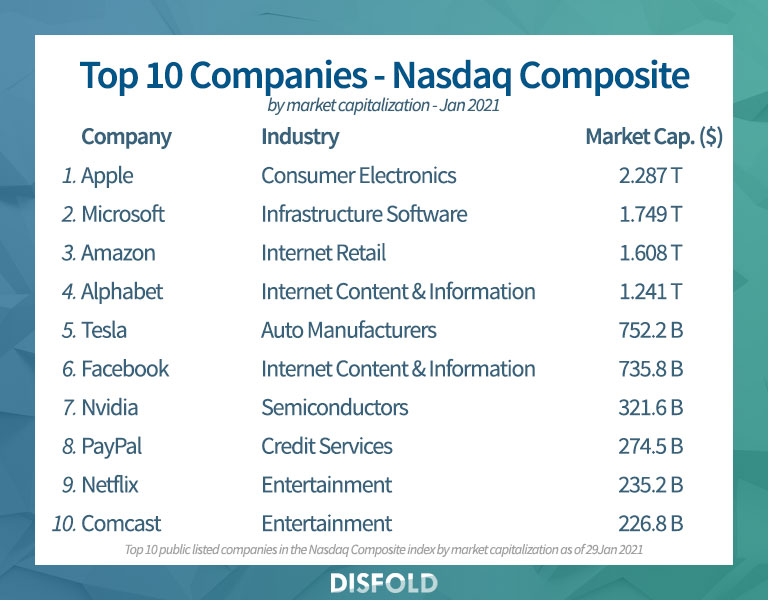
It is impossible to discuss Nasdaq stocks without acknowledging the profound influence of technology giants. Companies like Apple, Microsoft, Amazon, Google (Alphabet), and Meta Platforms (formerly Facebook) — often grouped as part of the “Magnificent Seven” or historical “FAANG” stocks — represent a significant portion of Nasdaq’s total market value and drive much of its performance. These companies exemplify the growth-oriented ethos of Nasdaq, characterized by rapid innovation, expansive global reach, and often disruptive business models. Their presence attracts enormous investor interest, leading to substantial liquidity and making Nasdaq a focal point for investors seeking exposure to the cutting edge of digital transformation, software development, cloud computing, and artificial intelligence.
Beyond Tech: Biotech, Healthcare, and Consumer Services
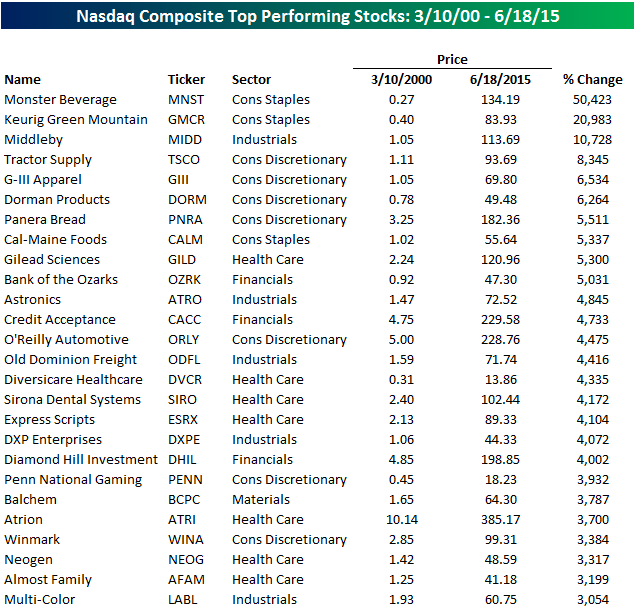
Despite its tech-heavy reputation, Nasdaq’s ecosystem extends well beyond the confines of software and hardware. The exchange is a critical hub for the biotechnology and pharmaceutical industries, hosting numerous companies involved in drug discovery, medical device development, and healthcare innovation. Many biotech firms, from established pharmaceutical giants to nimble startups, choose Nasdaq for its growth-oriented investor base and specialized analytical coverage. Similarly, companies in the consumer services sector, e-commerce, media, and even some traditional industrial firms with a strong focus on innovation also find a home on Nasdaq. This diversity provides investors with opportunities to gain exposure to a wide range of industries that are nevertheless united by a common thread of growth potential and often, a reliance on technological advancement.
Growth vs. Value: A Nasdaq Perspective
Historically, Nasdaq has been primarily a market for “growth stocks”—companies that are expected to grow earnings and revenues at an above-average rate compared to the rest of the market. These companies often reinvest profits back into the business for expansion rather than distributing them as dividends, relying on capital appreciation for investor returns. While traditional “value stocks”—companies that trade at a lower price relative to their fundamentals, often paying dividends—are more commonly associated with the NYSE, Nasdaq does host a growing number of mature companies that could be considered value plays within their respective growth sectors. Nevertheless, the overarching investment philosophy associated with Nasdaq remains firmly rooted in seeking out companies poised for significant future expansion and innovation.
Navigating Nasdaq Indices: Benchmarks for Performance
For investors, understanding the stocks in the Nasdaq also involves comprehending the major indices that track its performance. These benchmarks serve as crucial barometers for the health of specific market segments and the broader exchange, guiding investment decisions and portfolio allocations.
The Nasdaq Composite: The Broad Market Thermometer
The Nasdaq Composite Index is arguably the most recognized index associated with the Nasdaq Stock Market. It includes virtually all common equities listed on the Nasdaq exchange, encompassing over 3,000 stocks. As a market-capitalization-weighted index, companies with larger market values have a greater impact on the index’s movements. Because of its broad inclusion, the Nasdaq Composite provides a comprehensive snapshot of the entire Nasdaq market, reflecting the collective performance of its diverse range of companies, from small-cap startups to mega-cap technology giants. Its performance is often cited as a key indicator of investor sentiment towards growth and technology stocks.
The Nasdaq 100: The Large-Cap Growth Engine
The Nasdaq 100 Index is another immensely popular and influential benchmark, tracking the 100 largest non-financial companies listed on the Nasdaq Stock Market. This index is heavily weighted towards technology, telecommunications, retail, and biotechnology companies, and excludes financial companies. The Nasdaq 100 is largely responsible for Nasdaq’s reputation as a tech-heavy index, as it includes many of the world’s most innovative and largest technology firms. Its performance is often considered a proxy for the performance of the dominant players in the global technology sector and is widely followed by investors seeking exposure to large-cap growth stocks. Investment vehicles like the Invesco QQQ Trust (QQQ) track this index, making it easily accessible for diversified investment.
Other Key Nasdaq Indices
Beyond the Composite and the 100, Nasdaq maintains a suite of specialized indices designed to track specific sectors or market segments. For example, the Nasdaq Biotechnology Index (NBI) focuses exclusively on biotechnology and pharmaceutical companies, providing a targeted view of performance in this high-growth, innovation-driven sector. Similarly, there are indices for Internet companies, clean energy, and more. These specialized indices offer investors granular insight and targeted investment opportunities within particular niches of the Nasdaq universe, allowing for more refined strategic allocations based on specific market trends or personal investment philosophies.
Investing in Nasdaq Stocks: Opportunities and Considerations
Investing in Nasdaq-listed stocks presents a unique set of opportunities and challenges, primarily appealing to those with a long-term growth perspective and a willingness to embrace a certain level of market volatility. Understanding these dynamics is essential for successful portfolio management within this vibrant exchange.
The Appeal for Growth-Oriented Investors
The primary allure of Nasdaq stocks lies in their potential for substantial capital appreciation. Companies listed on Nasdaq are often characterized by strong intellectual property, disruptive technologies, and significant market expansion opportunities. For investors seeking to capitalize on innovation and future economic trends, Nasdaq offers direct exposure to the companies at the forefront of these advancements. Investing in these firms can provide diversification beyond traditional value sectors, allowing portfolios to benefit from secular growth trends in areas like artificial intelligence, cloud computing, biotechnology, and sustainable energy. The promise of high returns, while not guaranteed, makes Nasdaq a compelling choice for investors with a higher risk tolerance and a focus on long-term wealth creation.
Managing Volatility and Risk
However, the pursuit of growth often comes with increased volatility. Nasdaq stocks, particularly those in the technology and biotech sectors, can be more sensitive to market sentiment, interest rate changes, and economic cycles. High growth expectations can lead to elevated valuations, making these stocks more susceptible to significant price swings if growth targets are missed or market conditions deteriorate. Emerging companies on the Nasdaq Capital Market, in particular, carry higher inherent risks due to their smaller size, earlier stage of development, and often unproven business models. Therefore, investors must approach Nasdaq investments with a robust understanding of risk management, potentially incorporating diversification strategies and maintaining a long-term outlook to weather short-term fluctuations.
Strategies for Accessing Nasdaq Companies
Investors have several avenues to gain exposure to Nasdaq stocks. The most direct method is purchasing individual stocks of companies that align with one’s research and investment thesis. This requires thorough due diligence and an understanding of specific company fundamentals. For those seeking broader diversification with less individual stock risk, Exchange Traded Funds (ETFs) and mutual funds that track Nasdaq indices are excellent options. ETFs like the Invesco QQQ Trust (which tracks the Nasdaq 100) or broader-market technology ETFs offer diversified exposure to a basket of Nasdaq’s leading companies, providing convenience and professional management. Additionally, many actively managed mutual funds specialize in growth or technology stocks and invest heavily in Nasdaq-listed companies, offering expertise and potentially outperforming benchmarks through active stock selection.
In conclusion, the stocks in the Nasdaq represent a vibrant and diverse collection of companies, predominantly characterized by innovation, growth potential, and a forward-looking approach. While its strong association with technology is undeniable, Nasdaq’s breadth extends to various sectors, offering ample opportunities for discerning investors. By understanding its unique structure, stringent listing requirements, and benchmark indices, investors can strategically integrate Nasdaq stocks into their portfolios, aligning with their financial goals and risk tolerance in the dynamic world of investing.
aViewFromTheCave is a participant in the Amazon Services LLC Associates Program, an affiliate advertising program designed to provide a means for sites to earn advertising fees by advertising and linking to Amazon.com. Amazon, the Amazon logo, AmazonSupply, and the AmazonSupply logo are trademarks of Amazon.com, Inc. or its affiliates. As an Amazon Associate we earn affiliate commissions from qualifying purchases.