
Understanding the trajectory of stock futures is a daily ritual for traders, investors, and financial analysts alike. While the phrase “stock futures for tomorrow” might imply a static prediction for the next day, in reality, futures markets are dynamic, trading almost around the clock, and their current prices offer an immediate barometer of market sentiment for the upcoming trading sessions. They provide a vital early indicator, reflecting how global events, economic data, and corporate news are shaping expectations before the main cash equity markets even open.
Understanding Stock Futures: A Primer
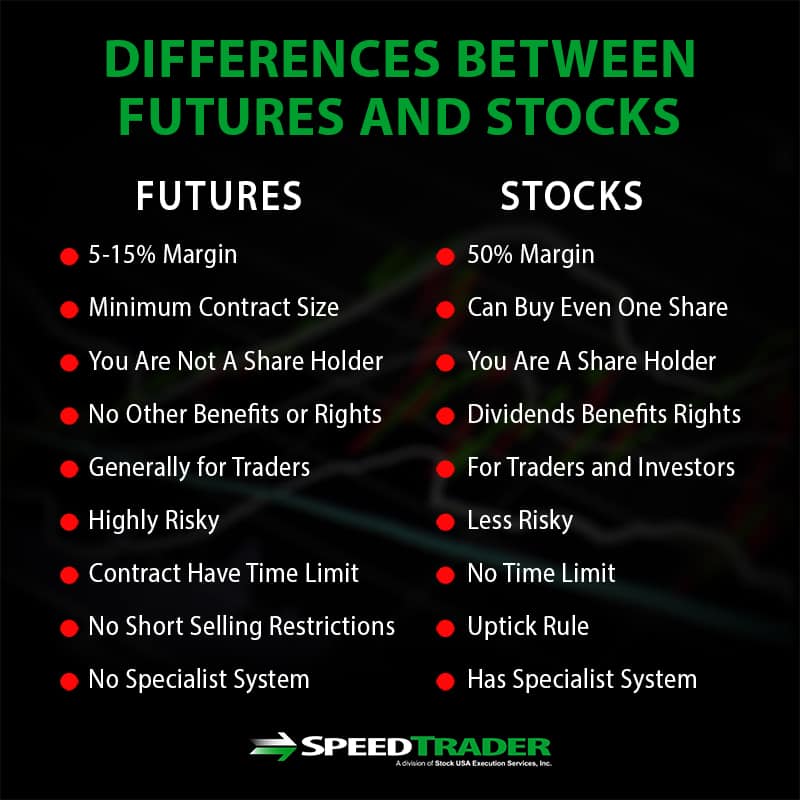
Stock futures are derivative financial contracts that obligate the buyer to purchase or the seller to sell an underlying stock index at a predetermined price on a specified date in the future. Unlike individual stock options, futures contracts don’t give the holder the right to buy or sell; they impose an obligation.
What Exactly Are Stock Futures?
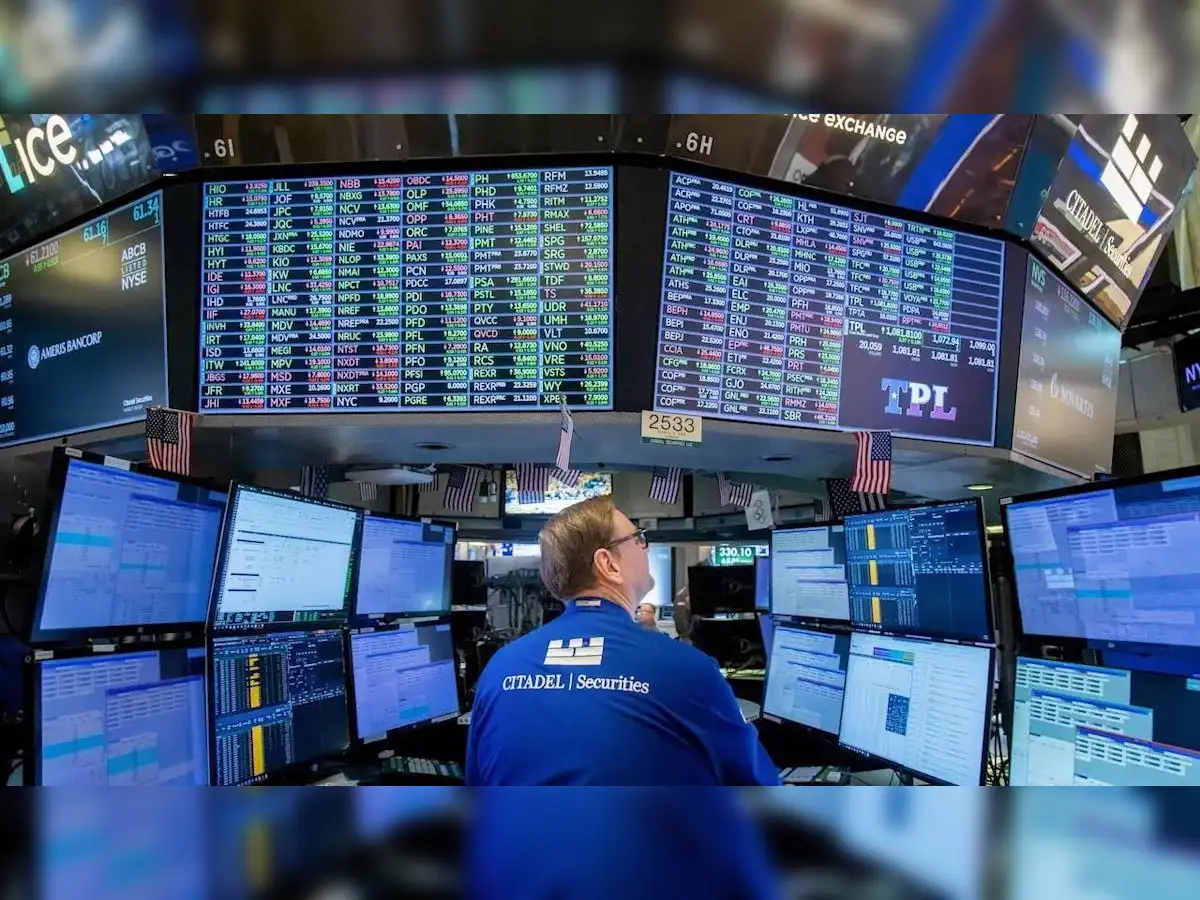
At their core, stock futures are standardized agreements between two parties to exchange a specific amount of an underlying asset at a set price on a future date. For stock futures, the underlying asset is typically a broad market index, such as the S&P 500, Nasdaq 100, or Dow Jones Industrial Average. These contracts are traded on organized exchanges, like the Chicago Mercantile Exchange (CME) Group, and are cleared through a clearinghouse, which minimizes counterparty risk. The value of a futures contract is derived from the expected future value of its underlying index. Participants in the futures market are often motivated by either speculation, aiming to profit from price movements, or hedging, seeking to mitigate risk in their existing portfolios.
Futures Contracts vs. Spot Markets
It’s crucial to distinguish futures markets from spot markets. The spot market refers to the immediate price at which an asset can be bought or sold for instant delivery. When you buy a stock on the New York Stock Exchange, you’re participating in a spot transaction. Futures markets, on the other hand, deal with agreements for future delivery. While futures prices are heavily influenced by the spot market, they also incorporate factors like interest rates, dividends (for equity indices), and the time remaining until expiration. Futures contracts often trade at a premium or discount to their underlying spot index, reflecting these additional considerations and market expectations. The key takeaway is that futures provide a forward-looking perspective, rather than an immediate transaction price.
Key Players in the Futures Market
A diverse array of participants engages in the futures market. On one side are hedgers, typically institutional investors, pension funds, or portfolio managers who use futures to protect their existing stock portfolios from potential downturns. By selling futures contracts against their holdings, they can lock in a certain price or offset potential losses if the market drops. On the other side are speculators, who aim to profit from anticipating future price movements. These can range from large proprietary trading firms to individual retail traders. Speculators take on risk in the hope of generating returns, providing essential liquidity to the market. Arbitrageurs also play a role, seeking to profit from price discrepancies between the futures market and the underlying spot market.
The Mechanics of “Tomorrow’s” Futures
When inquiring about “tomorrow’s” stock futures, one is essentially looking at the futures contracts currently trading, which reflect expectations for the next major trading session. Futures don’t simply “open” with a fixed value for the next day; they react continuously to new information.
Real-Time vs. Predictive Nature
Stock index futures, particularly the popular E-mini S&P 500 futures (ES), trade nearly 24 hours a day, five days a week, typically from Sunday evening through Friday afternoon, with short breaks. This extended trading schedule means that “tomorrow’s” futures are, in essence, today’s futures prices reflecting the most up-to-date sentiment and information. If significant news breaks overnight, futures prices will react immediately, serving as a real-time gauge of how global investors perceive that news before the primary U.S. stock exchanges (like the NYSE and Nasdaq) open their cash markets. Therefore, monitoring futures throughout the global trading day offers a continuous preview of potential market direction.
Major Indices and Their Futures
Several key stock indices have highly liquid futures contracts that traders and investors monitor:
- E-mini S&P 500 Futures (ES): This is arguably the most watched futures contract, providing a broad gauge of the U.S. large-cap equity market. Its movements often dictate the opening direction of the S&P 500 cash index.
- E-mini Nasdaq 100 Futures (NQ): Reflecting the performance of the 100 largest non-financial companies listed on the Nasdaq, this contract is a bellwether for the technology and growth sectors.
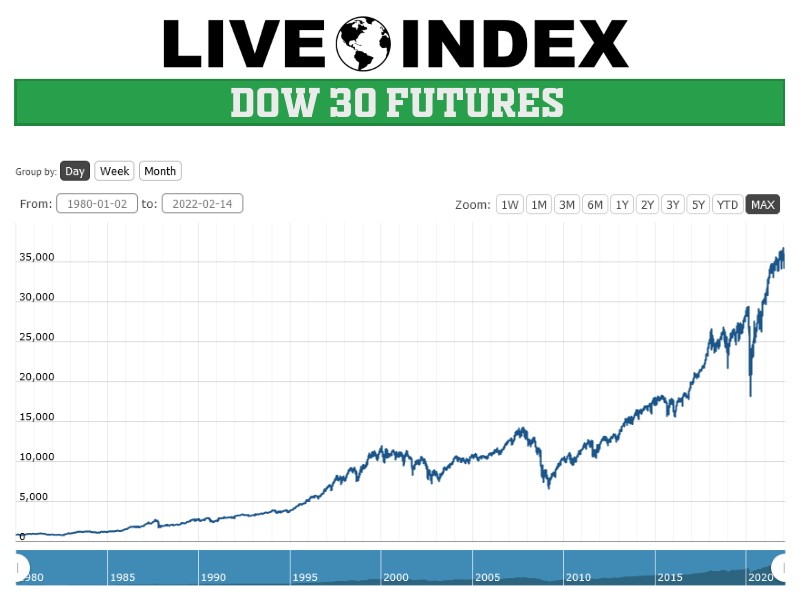
- E-mini Dow Futures (YM): Based on the Dow Jones Industrial Average, this contract tracks 30 prominent U.S. companies, offering a view of established industrial leaders.
- Russell 2000 Futures (RTY): This contract focuses on U.S. small-cap companies, providing insights into the broader health of the U.S. economy and investor appetite for risk.
These futures contracts are crucial for predicting the sentiment of the various market segments they represent.
How Futures Reflect Market Sentiment
The immediate movement of stock futures before the regular market open is a powerful indicator of market sentiment. If futures are trading significantly higher in the pre-market session, it suggests a bullish sentiment, potentially leading to a higher open for the cash market. Conversely, if futures are down sharply, it signals bearishness and a likely lower open. This pre-market trading activity is driven by reactions to overnight news, economic reports from Asia and Europe, corporate announcements, and shifts in global risk perception. By tracking these movements, investors gain an early understanding of the prevailing mood and can adjust their strategies accordingly.
Factors Influencing Stock Futures Movements
Stock futures are hypersensitive to a wide array of economic, corporate, and geopolitical influences. Their 24-hour trading nature means they absorb and react to these factors continuously.
Economic Data Releases
Macroeconomic data plays a pivotal role in shaping futures prices. Key reports such as the Consumer Price Index (CPI) for inflation, Non-Farm Payrolls for employment, Gross Domestic Product (GDP) for overall economic growth, and Purchasing Managers’ Index (PMI) for manufacturing and services provide crucial insights into the health of the economy. A stronger-than-expected jobs report, for instance, might initially boost futures on optimism about economic growth, but could also spark concerns about potential interest rate hikes, leading to a complex reaction. Similarly, an inflation report exceeding forecasts could cause futures to fall as investors anticipate tighter monetary policy.
Corporate Earnings and Guidance
While index futures represent broad market sentiment, corporate earnings announcements heavily influence their movements, particularly those from bellwether companies or dominant sectors. If a major technology company announces significantly better-than-expected earnings and raises its future guidance, it can lift Nasdaq 100 futures, and often the broader S&P 500 futures, due to its weighting within the index and its potential to signal strength across the sector. Conversely, disappointing results or a cautious outlook from a large constituent can trigger a broad sell-off in futures.
Geopolitical Events and Global News
The interconnectedness of global markets means that geopolitical developments can have an immediate and profound impact on stock futures. Political instability in a major region, trade disputes between economic powers, significant policy shifts by governments, or even natural disasters can introduce uncertainty and volatility. Futures markets, trading globally, respond quickly to these events, often before cash markets in affected regions have a chance to react. For example, escalating tensions in a critical oil-producing region could send crude oil futures soaring, simultaneously impacting equity futures as investors weigh the potential for higher energy costs and economic disruption.
Central Bank Policies and Interest Rates
Decisions and statements from major central banks, particularly the U.S. Federal Reserve, are paramount. Futures markets closely watch Fed announcements regarding interest rates, quantitative easing or tightening, and economic outlooks. An unexpected hawkish stance (indicating higher interest rates) typically leads to a decline in stock futures as higher borrowing costs can dampen corporate profits and economic growth. Conversely, a dovish stance (indicating lower or stable interest rates) can provide a boost, signaling support for economic expansion. Futures also price in the probability of future rate changes, reacting to subtle shifts in central bank rhetoric.
Technical Analysis and Market Psychology
Beyond fundamental data, technical analysis and market psychology play a role. Traders use charts to identify patterns, support and resistance levels, and trends in futures prices. A breakout above a key resistance level or a bounce off a strong support level can attract more buyers, pushing futures higher. Conversely, a breach of support can trigger selling pressure. Psychological factors, such as fear and greed, amplified by social media and news cycles, can also lead to herd behavior, causing rapid and sometimes irrational movements in futures prices, especially in volatile market conditions.
Accessing and Interpreting Futures Data
For those looking to understand “tomorrow’s” market sentiment, accessing and correctly interpreting real-time futures data is essential.
Reliable Sources for Futures Quotes
Numerous financial platforms offer real-time or slightly delayed futures quotes. Reputable financial news websites (e.g., Bloomberg, Reuters, Wall Street Journal, CNBC, Investing.com) often have dedicated sections for futures data. Most online brokerage platforms also provide live futures feeds to their clients. Additionally, specific futures exchanges like the CME Group website offer detailed contract specifications and market data. It is crucial to use reliable, up-to-date sources, as even a slight delay in futures prices can be misleading given their rapid movements.
Key Metrics to Monitor
When reviewing futures data, beyond the current price, several other metrics offer deeper insights:
- Change from Previous Close: This indicates the magnitude and direction of the futures market’s movement since the last official closing price.
- High and Low of the Session: These values show the trading range for the current 24-hour futures session, providing context for volatility.
- Volume: The number of contracts traded indicates liquidity and the conviction behind price movements. High volume on a significant price move suggests strong conviction.
- Open Interest: The total number of outstanding futures contracts that have not yet been settled. Increasing open interest coupled with rising prices can indicate a strong uptrend, while declining open interest might suggest waning enthusiasm.
The Caveats of Short-Term Predictions
While futures provide an invaluable snapshot of current market sentiment, it’s important to approach “tomorrow’s” predictions with caution. The futures market, especially in the short term, can be highly volatile and susceptible to rapid reversals. Unexpected news, a sudden shift in economic outlook, or even a single large trade can cause swift and significant price swings. Therefore, relying solely on futures movements for definitive short-term predictions without considering the broader economic context and risk management principles can be perilous. Futures are a guide, not a guarantee.
The Role of Futures in Investment Strategy
Futures contracts serve multiple strategic purposes for different market participants, from hedging against risk to speculating on market direction.
Hedging Against Market Risk
For institutional investors, portfolio managers, and corporations with significant equity holdings, futures provide an efficient tool for hedging. If a manager anticipates a market downturn but does not want to sell off their underlying stock portfolio (perhaps due to tax implications or long-term strategy), they can sell a corresponding amount of index futures. If the market declines, the loss in their physical stock portfolio can be offset by profits from their short futures position, thus protecting the portfolio’s value. This is a common strategy for managing systemic risk.
Speculation and Directional Bets
Traders use futures for speculation, aiming to profit from anticipated price movements in the underlying index. Due to the inherent leverage in futures contracts (a small amount of margin controls a much larger notional value), both potential profits and losses can be magnified. A trader might buy futures if they expect the market to rise (going long) or sell futures if they expect a decline (going short). This ability to profit from both upward and downward trends makes futures attractive for directional bets, though it also significantly amplifies risk.
Gauging Pre-Market Sentiment for Day Trading
For retail investors and day traders focused on the cash equity markets, monitoring futures activity in the pre-market hours is crucial. Strong futures performance might signal a bullish open for individual stocks, while weakness could suggest caution. Day traders often use futures movements as a confirmation of their trading ideas or to identify potential entry and exit points for their equity trades. By understanding the prevailing sentiment before the cash markets open, traders can better position themselves for the trading day ahead, optimizing their strategy based on the market’s initial leanings. However, it’s vital to remember that futures are just one piece of the puzzle, and their initial movements do not guarantee the day’s overall trend.
aViewFromTheCave is a participant in the Amazon Services LLC Associates Program, an affiliate advertising program designed to provide a means for sites to earn advertising fees by advertising and linking to Amazon.com. Amazon, the Amazon logo, AmazonSupply, and the AmazonSupply logo are trademarks of Amazon.com, Inc. or its affiliates. As an Amazon Associate we earn affiliate commissions from qualifying purchases.