
Embarking on the entrepreneurial journey is a transformative endeavor, one that promises both immense rewards and significant challenges. While the allure of autonomy and innovation often drives the initial spark, the bedrock of any successful venture is its financial viability and astute money management. Far from being an afterthought, financial planning, funding, and astute economic decision-making are interwoven into every fabric of business creation, defining its potential for survival and growth. This article delves into the critical monetary steps required to launch a business, offering an insightful guide rooted firmly within the realm of personal finance, business finance, and wealth creation.
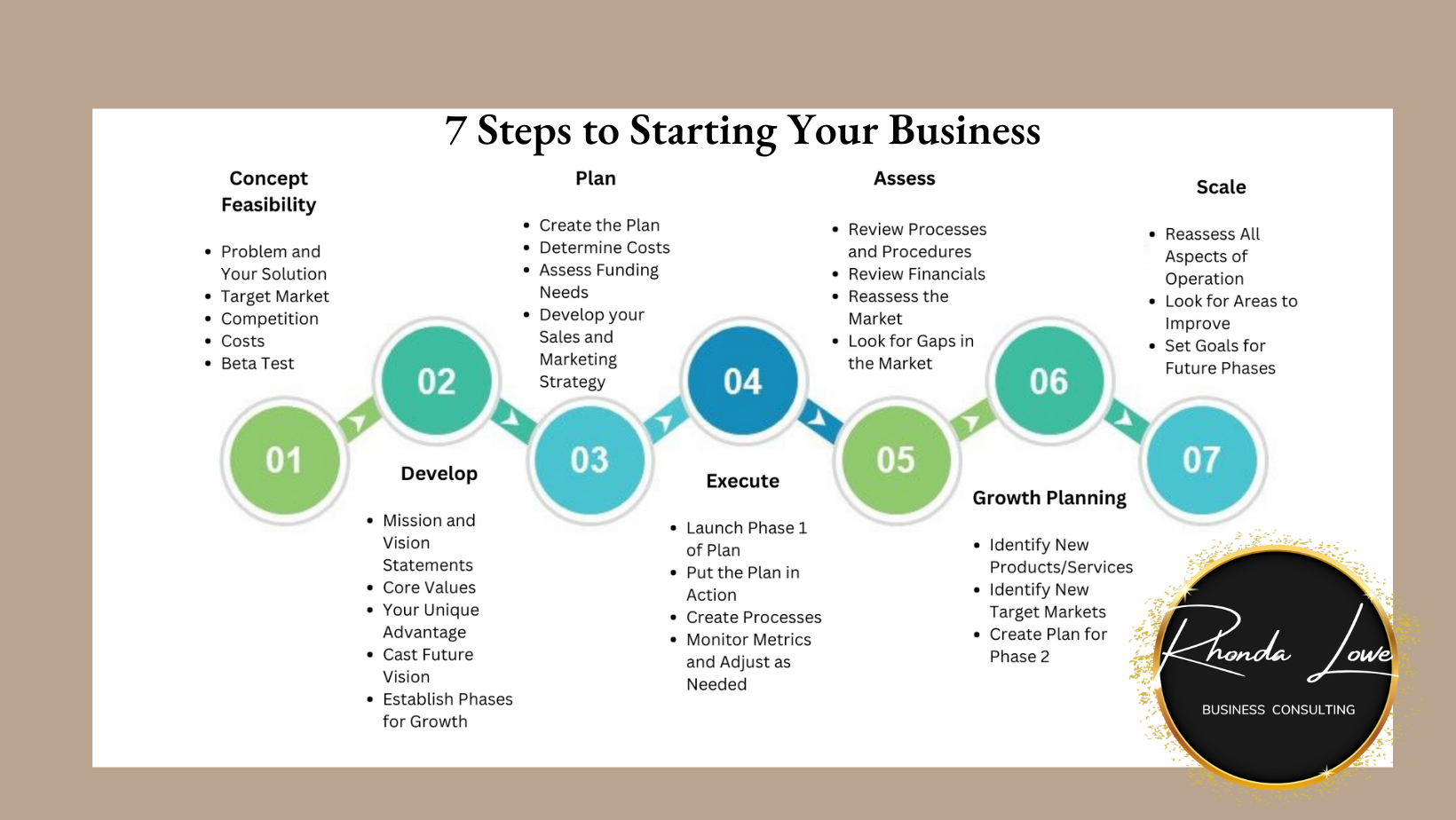
1. Laying the Financial Foundation: Ideation to Viability
The genesis of any business begins with an idea, but for that idea to blossom into a profitable enterprise, it must be rigorously vetted through a financial lens. This initial phase is less about grand visions and more about granular financial forecasting and strategic positioning.
Identifying a Profitable Niche and Market Need
Before investing a single dollar, entrepreneurs must thoroughly research their target market to identify a genuine need that can be served profitably. This isn’t just about finding a gap; it’s about finding a financially sustainable gap. A profitable niche is characterized by a sufficiently large customer base willing and able to pay for the proposed solution, coupled with a manageable competitive landscape.
Financial considerations here involve analyzing potential market size – not just how many customers, but what their purchasing power is. Research includes examining existing competitors’ pricing strategies, their revenue models, and identifying opportunities for differentiation that justify a premium or ensure a robust margin. The goal is to project a realistic revenue stream based on demand, pricing, and market share potential. This groundwork ensures that the business isn’t built on a fleeting trend but on a solid foundation of economic demand that promises sustainable income over time. Without a clear path to generating revenue at a profitable margin, even the most innovative concept is financially doomed.
Crafting a Robust Business Plan with Financial Projections
A business plan is often touted as the roadmap for your venture, but its financial sections are the engine that powers that map. For investors, lenders, or even for your own sanity, the financial projections within your business plan are paramount. This section meticulously details your startup costs, including one-time expenses like equipment, legal fees, initial inventory, and rent deposits, as well as recurring operational costs such as salaries, utilities, marketing, and supplies.
Crucially, it includes detailed revenue forecasts, projecting sales volumes and pricing strategies for the first three to five years. These forecasts should be conservative yet aspirational, based on market research and realistic assumptions. From these figures, a break-even analysis calculates the sales volume required to cover all costs, indicating the point at which your business starts generating profit. Furthermore, projected profit and loss statements (P&L), cash flow statements, and balance sheets are indispensable. These documents provide a snapshot of your business’s financial health, demonstrating its ability to generate profit, manage cash, and maintain solvency. They are critical tools for decision-making, helping to identify potential financial pitfalls and adjust strategies before they become critical issues.
Understanding Legal Structures and Their Financial Implications
The legal structure chosen for your business has profound financial implications, affecting everything from personal liability and taxation to administrative complexity and fundraising capabilities. Sole proprietorships and partnerships are simpler to set up but offer no personal liability protection, meaning your personal assets could be at risk if the business incurs debt or faces lawsuits.
Limited Liability Companies (LLCs) provide a balance, offering personal asset protection similar to corporations while maintaining simpler pass-through taxation (profits and losses are reported on the owners’ personal tax returns). Corporations (S-Corp and C-Corp) offer the strongest liability protection and can be more attractive for raising capital from investors, but they come with increased administrative burdens and more complex tax structures (C-Corps face “double taxation” on profits, once at the corporate level and again when dividends are distributed to shareholders). Understanding these differences from a tax, liability, and future fundraising perspective is crucial. Consulting with a financial advisor or an attorney specializing in business formation is highly recommended to select the structure that best aligns with your financial goals and risk tolerance. This decision directly impacts your net income, tax burden, and long-term financial stability.
2. Securing Capital: Funding Your Vision
Once the financial foundation is laid, the next critical step is to secure the necessary capital to transform your business plan into a tangible reality. Accessing funding is often one of the most challenging aspects of starting a business, requiring a strategic approach tailored to your specific needs and growth trajectory.
Self-Funding and Bootstrap Strategies
For many aspiring entrepreneurs, self-funding, or “bootstrapping,” is the initial and often most effective route. This involves utilizing personal savings, leveraging existing assets, or even borrowing from friends and family. While it may limit initial scale, bootstrapping offers invaluable advantages: complete ownership, no debt repayments, and the discipline of lean operations. Entrepreneurs are forced to be resourceful, minimizing overhead and prioritizing essential expenditures.
Credit cards can be a source of capital, particularly for very small initial investments, but they come with significant risks due to high-interest rates. It’s crucial to use them judiciously and have a clear repayment plan. Sweat equity – investing your own time and effort in lieu of paid labor – is another powerful bootstrapping tool. The focus here is on maximizing value from every dollar spent, deferring non-essential expenses, and generating revenue as quickly as possible to fund further growth internally. This approach builds financial resilience and a deep understanding of cost efficiency.
Exploring Debt Financing Options
When personal funds are insufficient, debt financing offers a path to securing capital without relinquishing equity. Small business loans are a common option, available from traditional banks, credit unions, and government-backed programs like those offered by the Small Business Administration (SBA). These loans typically require a solid business plan, collateral, and a strong personal credit history. Interest rates, repayment terms, and eligibility criteria vary widely.
Lines of credit offer flexibility, allowing businesses to draw funds as needed up to a certain limit, ideal for managing fluctuating cash flow or unexpected expenses. Microloans, typically smaller loans often provided by non-profit organizations, cater to startups and underserved entrepreneurs who may not qualify for traditional bank loans. The key financial considerations for debt financing are the total cost of borrowing (interest rates, fees), the repayment schedule, and the impact on your business’s cash flow. A well-structured debt plan ensures that repayments are manageable and do not unduly burden the business’s operational budget.
Attracting Equity Investors
For businesses with high growth potential, attracting equity investors – angel investors or venture capitalists – can provide significant capital infusions in exchange for a percentage of ownership. Angel investors are typically high-net-worth individuals who invest their own money, often providing mentorship alongside capital. Venture capitalists (VCs) are firms that invest institutional money, usually in larger amounts, in companies with substantial scalability and exit potential (e.g., acquisition or IPO).
The financial implications of equity funding are profound. While it provides capital without the burden of debt repayment, it dilutes the founders’ ownership stake and brings external stakeholders who will expect significant financial returns. Valuation – determining the monetary worth of your company – becomes a critical negotiation point. Investors will scrutinize your financial projections, market opportunity, and competitive advantage to assess the potential for a substantial return on their investment. Understanding investor expectations for growth and profitability, and being prepared for rigorous due diligence on your financial models, is essential.

Alternative Funding Avenues
Beyond traditional debt and equity, several alternative funding avenues can provide capital. Crowdfunding platforms allow businesses to raise funds from a large number of individuals, often via the internet. Reward-based crowdfunding offers products or experiences in exchange for pledges, while equity-based crowdfunding allows non-accredited investors to buy small stakes in private companies.
Grants, typically offered by government agencies or foundations, provide non-repayable funds for specific purposes, often related to innovation, social impact, or economic development. However, grants are highly competitive, require meticulous applications, and often come with strict financial reporting requirements. For some product-based businesses, presales or pre-orders can generate upfront capital from customers before the product is even manufactured. Each alternative comes with its own financial considerations and suitability, requiring entrepreneurs to assess which option aligns best with their business model and capital needs.
3. Managing Your Business’s Financial Health from Day One
Securing funds is only the beginning; the ongoing management of your business’s finances is paramount to its survival and sustained growth. This phase focuses on establishing robust systems and adopting disciplined practices to monitor, control, and optimize your financial resources.
Setting Up Essential Financial Systems
One of the first and most crucial financial steps is to establish separate bank accounts for your business. Commingling personal and business finances creates a tangled mess, complicates tax preparation, and undermines financial clarity. A dedicated business checking account, and perhaps a savings account, are fundamental.
Equally important is implementing reliable accounting software (e.g., QuickBooks, Xero, FreshBooks). This software automates bookkeeping, tracks income and expenses, generates financial reports, and simplifies tax compliance. For businesses with employees, setting up a payroll system ensures timely and accurate payment of wages, tax withholdings, and compliance with labor laws. Accurate record-keeping from day one is not merely a formality; it provides the data necessary for informed financial decision-making, ensures compliance with regulatory bodies, and is invaluable during tax season or audits. It forms the backbone of financial integrity.
Strategic Pricing and Revenue Generation
Effective pricing is a delicate balance between covering costs, achieving profitability, and remaining competitive in the market. Cost-plus pricing (adding a percentage markup to your production costs) is straightforward but may not capture market value. Value-based pricing sets prices based on the perceived value to the customer, potentially yielding higher margins. Competitive pricing, meanwhile, considers what competitors charge for similar products or services.
Beyond pricing, understanding and optimizing revenue generation models is key. This could involve subscription models for recurring revenue, tiered pricing for different customer segments, or bundling products/services. Focus on understanding your gross profit margin (revenue minus the cost of goods sold) and net profit margin (revenue minus all expenses). A healthy margin is essential for long-term financial stability and reinvestment. Continuously analyzing customer acquisition costs (CAC) against customer lifetime value (LTV) is vital to ensure that your revenue generation strategies are financially sound and sustainable.
Budgeting, Expense Control, and Cash Flow Management
A well-defined budget is your financial roadmap, allocating funds to various operational areas and setting spending limits. It’s not a static document but a dynamic tool that requires regular review and adjustment. Strict expense control is critical, especially in the early stages. This involves meticulously tracking all expenditures, negotiating with suppliers, and constantly seeking ways to reduce costs without compromising quality or essential operations.
Cash flow management is perhaps the most vital financial discipline for any business. It involves monitoring the money flowing into and out of your business to ensure you always have enough liquidity to meet your obligations. This includes managing accounts receivable (ensuring customers pay on time), accounts payable (paying suppliers strategically without incurring late fees), and maintaining an adequate cash reserve. A positive cash flow, even if the business isn’t yet highly profitable, is crucial for daily operations and avoiding financial distress. Many businesses, despite being profitable on paper, fail due to poor cash flow management.
4. Scaling and Sustaining Financial Growth
Once your business is operational and generating revenue, the focus shifts to monitoring its financial performance, planning for future growth, and ensuring ongoing compliance. This is where strategic financial management truly shines.
Monitoring Key Financial Performance Indicators (KPIs)
To effectively manage and grow your business, you need to constantly monitor key financial performance indicators (KPIs). These metrics provide critical insights into your business’s health and efficiency. Beyond gross and net profit margins, important KPIs include:
- Customer Acquisition Cost (CAC): How much it costs to acquire a new customer.
- Customer Lifetime Value (LTV): The total revenue a business can reasonably expect from a single customer account over the duration of the relationship. (LTV vs. CAC analysis is crucial for marketing ROI).
- Burn Rate: The rate at which your business is spending its capital before it generates positive cash flow.
- Return on Investment (ROI): The profitability of various investments or initiatives.
- Working Capital: The difference between current assets and current liabilities, indicating short-term liquidity.
Regularly tracking these and other relevant KPIs allows you to identify trends, pinpoint areas for improvement, and make data-driven financial decisions. It provides the financial intelligence needed to pivot strategies or double down on successful ones.
Reinvesting for Growth and Future Financial Planning
As your business begins to generate profits, a crucial decision arises: how much to reinvest back into the business versus taking distributions. Strategic reinvestment is essential for sustainable growth, funding expansion into new markets, developing new products or services, upgrading technology, or hiring additional talent. This requires careful financial planning and forecasting to ensure that reinvestments yield a positive ROI and align with long-term financial objectives.
Future financial planning also encompasses creating contingency funds for unforeseen circumstances, planning for large capital expenditures, and even considering succession planning from a financial perspective – whether it’s preparing the business for sale, transferring ownership, or creating an exit strategy that maximizes your financial return. This forward-looking approach ensures the business’s longevity and safeguards the financial interests of its owners.
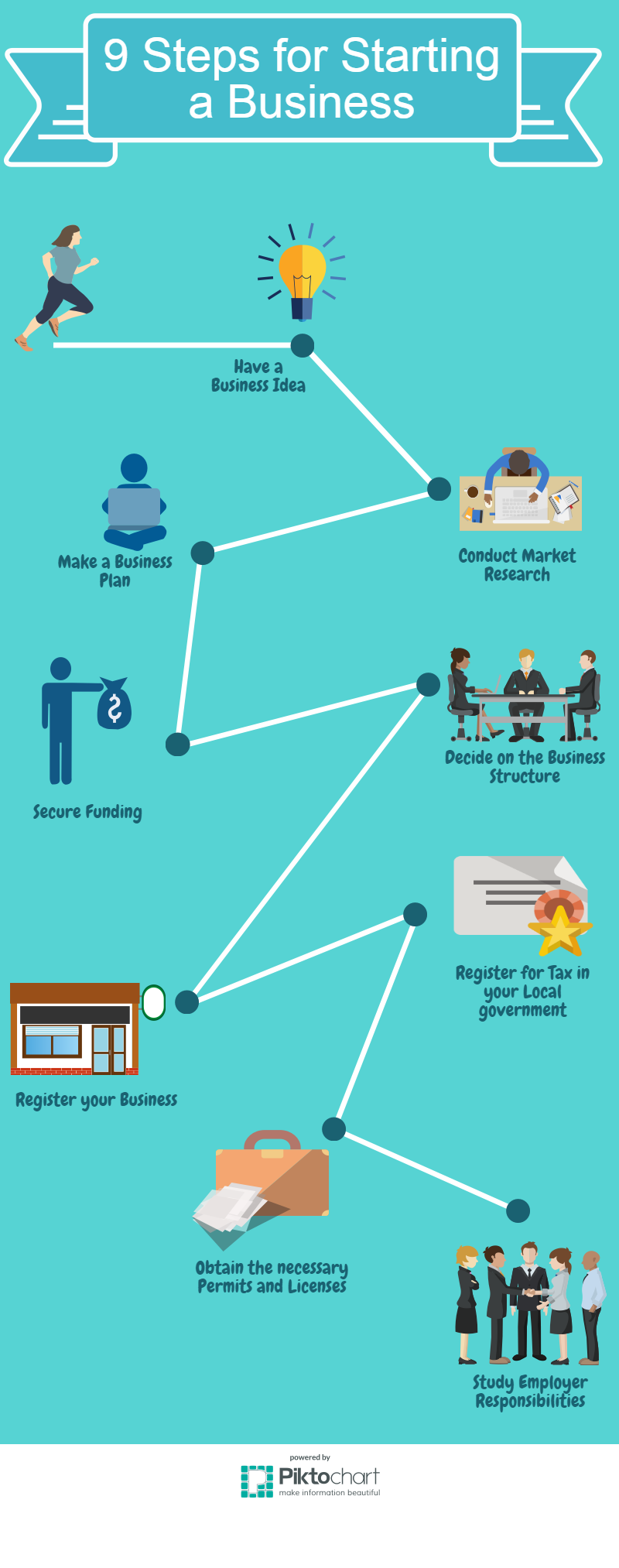
Navigating Tax Obligations and Financial Compliance
The financial responsibilities of a business extend far beyond managing revenue and expenses to include a complex web of tax obligations and regulatory compliance. Depending on your business structure, industry, and location, you may be responsible for various taxes, including income tax, sales tax, payroll tax, and excise taxes. Understanding these obligations is critical to avoid penalties and legal issues.
Sales tax, for instance, must be collected from customers and remitted to the appropriate state and local authorities. Payroll taxes involve withholding income tax, Social Security, and Medicare from employee wages, along with employer contributions. Navigating this landscape can be daunting, highlighting the indispensable value of professional advice. Engaging a qualified accountant or a financial advisor specializing in small business taxation is not an expense but an investment. They can ensure accurate tax preparation and filing, identify legitimate deductions, and provide strategic advice to optimize your tax position, freeing you to focus on growing your business while maintaining robust financial compliance.
In conclusion, starting a business is fundamentally a financial endeavor. From the initial spark of an idea to the complexities of scaling and compliance, every step is underpinned by monetary decisions and implications. By meticulously planning, securing, and managing your financial resources, entrepreneurs can build not just a business, but a financially robust and sustainable enterprise.
aViewFromTheCave is a participant in the Amazon Services LLC Associates Program, an affiliate advertising program designed to provide a means for sites to earn advertising fees by advertising and linking to Amazon.com. Amazon, the Amazon logo, AmazonSupply, and the AmazonSupply logo are trademarks of Amazon.com, Inc. or its affiliates. As an Amazon Associate we earn affiliate commissions from qualifying purchases.