
Protein synthesis is the fundamental biological process by which cells create new proteins. These complex molecules are the workhorses of life, carrying out an astonishing array of functions, from structural support and enzymatic catalysis to immune defense and genetic regulation. Understanding the intricate stages of protein synthesis is not just a biological necessity; it has profound implications that ripple across various fields, including the technological advancements shaping our digital world, the strategic branding that defines our identities, and the financial ecosystems that drive our economies. This article will delve into the essential steps of protein synthesis, exploring how this cellular machinery, at its core, reflects and even inspires innovations in these seemingly disparate domains.
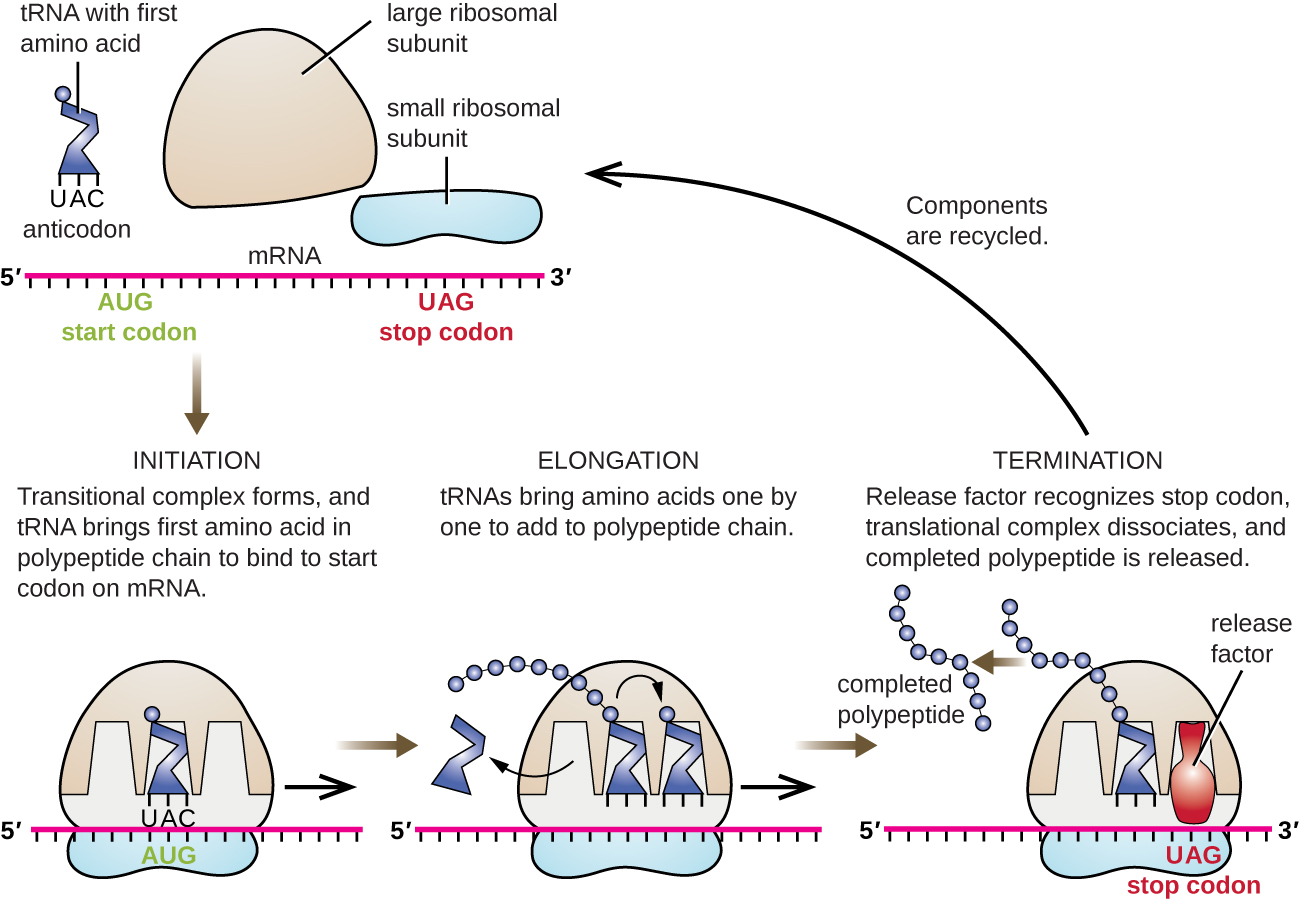
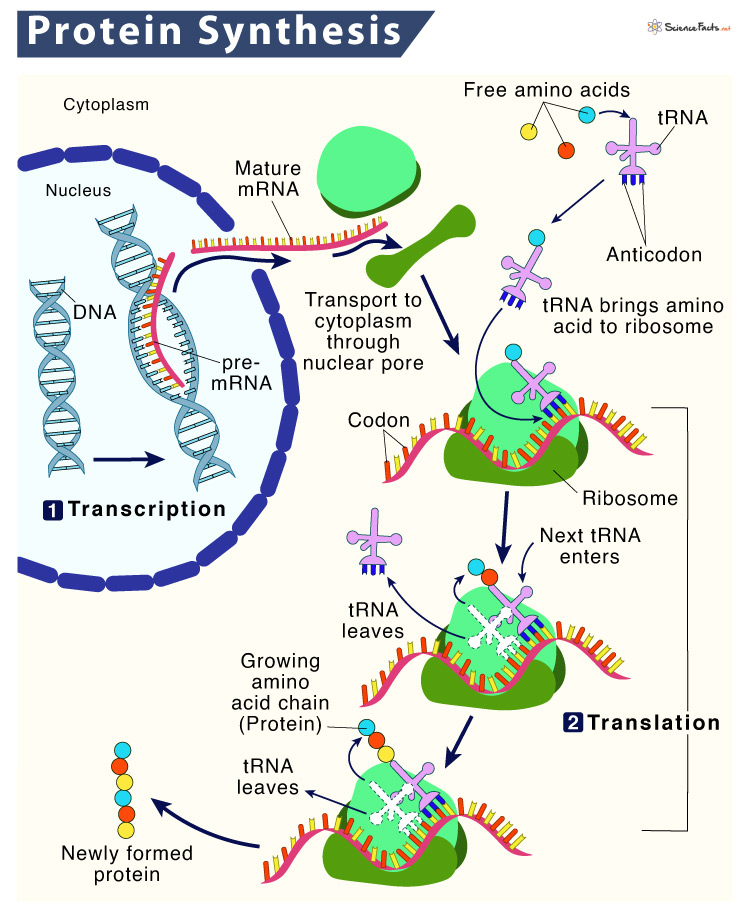
At its most basic, protein synthesis is a two-part process: transcription and translation. Transcription is the creation of an RNA copy from a DNA template, while translation is the synthesis of a protein from that RNA molecule. While the biological mechanisms are incredibly precise and complex, the underlying principles of information transfer, processing, and execution share striking parallels with the systems we build and utilize in technology, marketing, and finance.
The Blueprint: Transcription – Copying the Genetic Code
The journey of protein synthesis begins with the cell’s genetic material: DNA. DNA resides within the nucleus of eukaryotic cells and contains the instructions, or genes, for building every protein the organism needs. However, DNA itself is too precious and large to leave the nucleus. Therefore, a messenger molecule, messenger RNA (mRNA), is created as a temporary copy of a specific gene. This process is called transcription.
The Role of RNA Polymerase and Gene Expression
Transcription is primarily carried out by an enzyme called RNA polymerase. This remarkable enzyme binds to a specific region of the DNA, known as the promoter, signaling the start of a gene. It then unwinds the DNA double helix, exposing the nucleotide bases. As it moves along the DNA strand, RNA polymerase reads the sequence of bases (adenine, guanine, cytosine, and thymine) and synthesizes a complementary strand of mRNA. In RNA, uracil (U) replaces thymine (T). This process is highly regulated, ensuring that only the necessary proteins are synthesized at the right time and in the right amounts. This controlled activation and deactivation of genes is known as gene expression.
Technology and Transcription: Data Replication and Processing
The concept of transcription – creating a faithful copy of existing information for processing and transmission – resonates deeply within the realm of technology. Consider the process of data replication in cloud computing or database management. Just as mRNA is a copy of DNA, data backups are copies of critical information, ensuring redundancy and accessibility. The efficient and accurate replication of data is paramount for system reliability, much like the fidelity of mRNA is crucial for accurate protein synthesis.
Furthermore, the unwinding of DNA and the step-by-step synthesis of mRNA by RNA polymerase can be likened to data parsing and processing. Algorithms in software development often parse complex data structures, extracting relevant information and transforming it into a usable format. The error-checking mechanisms inherent in both biological transcription and robust software are essential to prevent corruption and ensure the integrity of the final product, whether it’s a functional protein or a reliable software output. The control of gene expression also parallels concepts in system administration and resource management, where access to and utilization of computing resources are carefully managed to optimize performance and prevent overload.
The Factory Floor: Translation – Building the Protein
Once the mRNA molecule has been transcribed in the nucleus, it travels out into the cytoplasm, the jelly-like substance that fills the cell. Here, it encounters ribosomes, the cellular machinery responsible for protein synthesis. This second stage is called translation.
Ribosomes, tRNA, and the Genetic Code
Ribosomes act as the “factories” where proteins are assembled. They bind to the mRNA and “read” its sequence in three-nucleotide units called codons. Each codon corresponds to a specific amino acid, the building blocks of proteins. Transfer RNA (tRNA) molecules are responsible for bringing the correct amino acids to the ribosome. Each tRNA molecule has an anticodon that is complementary to a specific mRNA codon and carries the corresponding amino acid.
As the ribosome moves along the mRNA, it matches each codon with its complementary anticodon on a tRNA. The ribosome then catalyzes the formation of a peptide bond between the amino acid brought by the tRNA and the growing polypeptide chain. This process continues, adding amino acids one by one, until a “stop” codon is encountered on the mRNA, signaling the end of the protein.
Brand and Translation: Messaging, Storytelling, and Brand Identity
The process of translation, where a coded message (mRNA) is interpreted and transformed into a tangible product (protein), shares fascinating parallels with branding and marketing. A brand’s identity is its core message, its unique value proposition, much like the genetic code is the blueprint for a specific protein.
The mRNA sequence, read by the ribosome, can be seen as the narrative or messaging strategy of a brand. Each codon represents a specific element of the brand’s story, its values, its unique selling points, or its customer benefits. The tRNA molecules, bringing specific amino acids (representing customer needs, market opportunities, or desired perceptions), are akin to the marketing channels and communication tools a brand utilizes. A well-crafted social media campaign, a compelling advertisement, or an engaging website content all act as “tRNAs,” delivering specific “amino acids” of brand perception to the target audience (the “ribosome” of their minds).
The ribosome, in this analogy, is the customer or the market. It interprets the brand’s message and builds an understanding and perception of the brand. The quality of the protein synthesized depends on the accuracy of the mRNA and the efficiency of the translation machinery. Similarly, the strength of a brand’s identity and its impact on the market depend on the clarity and consistency of its messaging and the effectiveness of its communication strategies. Misinterpretations or inaccurate “translations” can lead to a diluted or even negative brand perception, just as a faulty protein can be non-functional or even harmful. The iterative nature of brand development and refinement also mirrors the ongoing need for cells to produce and maintain proteins; brands must constantly adapt and communicate their evolving value proposition to remain relevant.
The Final Polish: Post-Translational Modifications and Protein Folding
Once the polypeptide chain is synthesized, it is not yet a fully functional protein. It must undergo further processing, including folding into a specific three-dimensional structure and, in many cases, chemical modifications. This stage is critical for the protein to perform its designated function.
Protein Folding and Chaperones
Protein folding is an incredibly complex and precise process. The linear chain of amino acids must fold into a specific, intricate three-dimensional shape to be biologically active. This folding is driven by the chemical properties of the amino acid side chains. Molecular “chaperones” are specialized proteins that assist in this folding process, preventing misfolding and aggregation, which can lead to cellular dysfunction and disease.
Post-Translational Modifications
After folding, many proteins undergo post-translational modifications. These can include the addition of sugar molecules (glycosylation), the attachment of lipid groups (lipidation), phosphorylation (the addition of phosphate groups), or cleavage of parts of the polypeptide chain. These modifications can alter the protein’s activity, stability, localization within the cell, or its ability to interact with other molecules.

Money and Post-Translational Modifications: Investment Returns, Financial Growth, and Value Addition
The intricate steps of post-translational modifications and protein folding offer compelling analogies within the financial world, particularly in areas of investment and wealth management.
The raw polypeptide chain, before folding and modification, can be likened to an initial investment or a business idea. It holds potential but is not yet optimized for its intended purpose. Protein folding, with its precise structural requirements, mirrors the strategic planning and execution necessary to turn an investment or business concept into a successful venture. The complex interplay of factors influencing folding – the amino acid sequence, the cellular environment – can be compared to the market conditions, economic trends, and strategic decisions that shape the trajectory of a financial undertaking. The role of chaperones in guiding folding parallels the importance of expert advice, mentorship, and robust financial planning in navigating the complexities of investment and business growth. A misfolded protein can be ineffective or even detrimental, just as a poorly planned investment or business can lead to significant losses.
Post-translational modifications are akin to value-adding activities that enhance the utility and performance of an investment or a business. Glycosylation, for instance, might represent adding new product lines or services to a business, expanding its market reach and revenue streams. Phosphorylation could be analogous to securing strategic partnerships or crucial funding rounds that significantly boost a company’s growth potential. Cleavage might represent divesting non-core assets to streamline operations and increase profitability.
The ultimate functional protein, capable of carrying out its specific role in the cell, is analogous to a successful, high-performing investment or a thriving business that generates significant returns. The financial “health” and “productivity” of an individual or a company are directly related to how well their “assets” (analogous to proteins) are structured, optimized, and actively contributing to their goals. In essence, the journey from a simple polypeptide chain to a functional protein mirrors the journey of financial growth and wealth creation, where initial resources undergo sophisticated processes to yield significant and sustainable value.
Conclusion
The stages of protein synthesis – transcription, translation, and post-translational modifications – are not merely abstract biological processes. They are fundamental principles of information transfer, interpretation, and optimization that underpin not only life itself but also the very fabric of our technological, branding, and financial endeavors. By understanding these biological marvels, we gain deeper insights into the mechanisms that drive innovation in software, the strategies behind successful brands, and the dynamics of economic growth. The intricate dance of molecules within a cell serves as a powerful reminder that the principles of elegant design, efficient execution, and continuous refinement are universally applicable, shaping both the biological world and the human-made systems we rely upon.
aViewFromTheCave is a participant in the Amazon Services LLC Associates Program, an affiliate advertising program designed to provide a means for sites to earn advertising fees by advertising and linking to Amazon.com. Amazon, the Amazon logo, AmazonSupply, and the AmazonSupply logo are trademarks of Amazon.com, Inc. or its affiliates. As an Amazon Associate we earn affiliate commissions from qualifying purchases.