
Westeros, the continent at the heart of George R.R. Martin’s “A Song of Ice and Fire” series and the subsequent HBO phenomenon “Game of Thrones,” is a land of stark contrasts, ancient rivalries, and immense economic disparity. While the narrative often focuses on political intrigue and the relentless pursuit of the Iron Throne, a deeper understanding of the Seven Kingdoms reveals a complex economic geography that underpins its societal structures, military might, and the very conflicts that define its history. Examining Westeros through the lens of economic principles—resource distribution, trade networks, industrial specialization, and financial power—provides crucial insights into the enduring power dynamics and the vulnerabilities of its constituent realms. This analysis will delve into the economic characteristics of each of the Seven Kingdoms, exploring their primary industries, trade relationships, and how these factors contribute to their overall standing and influence within Westeros.
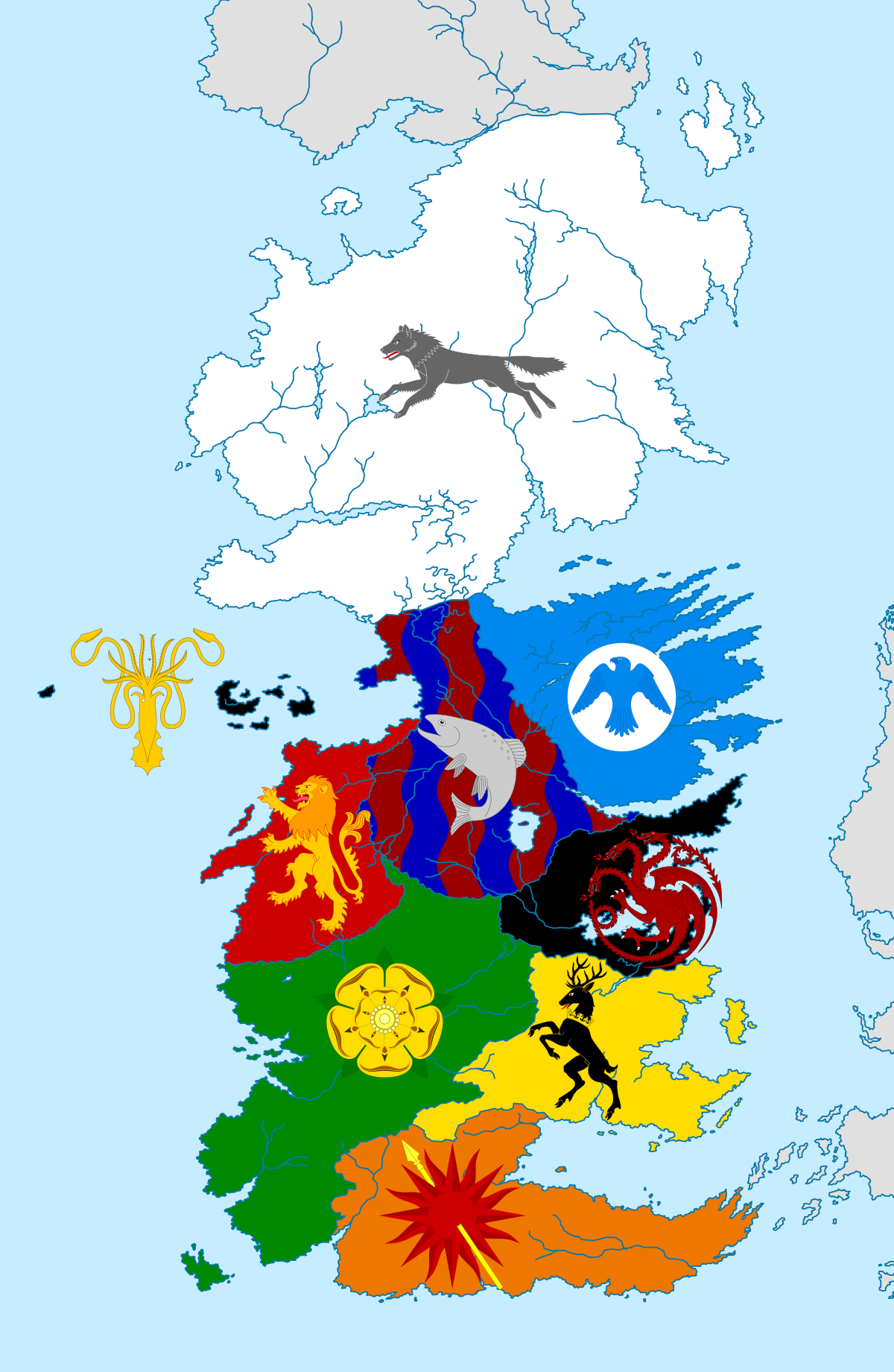
The Crownlands: The Financial Hub and Political Center
The Crownlands, the smallest of the Seven Kingdoms by landmass, are paradoxically the most economically significant due to their role as the seat of power and the primary nexus of financial activity. The capital, King’s Landing, is not only the political heart of Westeros but also its undisputed economic engine.
King’s Landing: The Metropolis of Trade and Finance
King’s Landing functions as Westeros’s central banking system and primary trading port. Its strategic location on Blackwater Bay facilitates extensive maritime trade, bringing goods from across the Seven Kingdoms and beyond. The city is a hub for merchants, artisans, and moneylenders, forming a sophisticated if often corrupt, financial ecosystem. The Iron Bank of Braavos, though technically foreign, wields significant influence by extending loans to the crown and other powerful entities, underscoring the critical role of capital in Westerosi politics. The presence of the royal court also generates substantial revenue through taxation, levies, and the vast expenditure of the nobility and the crown’s own administration. The city’s economic activity is diverse, encompassing shipbuilding, textile manufacturing, food processing, and luxury goods production, catering to the demands of the ruling elite and a burgeoning urban population.
The Royal Demesne: Resource Control and Imperial Revenue
The lands directly controlled by the crown, often referred to as the royal demesne, are crucial for its financial stability. These lands, while not as vast as some of the larger kingdoms, are typically fertile and strategically important, allowing the crown to generate direct revenue through agriculture and resource extraction. The crown’s ability to control and tax the flow of goods through King’s Landing and its surrounding territories gives it a significant advantage in terms of fiscal policy and the ability to fund military campaigns or public works.
The North: Resource-Rich but Underdeveloped
The North, the largest of the Seven Kingdoms, is a land of vast, untamed wilderness, rich in natural resources but economically underdeveloped compared to the more temperate southern regions. Its harsh climate and rugged terrain present significant challenges to large-scale agriculture and extensive industrialization.
Agriculture and Resource Extraction: Sustaining a Hardy Population
The North’s economy is primarily based on agriculture, albeit of a less diverse and abundant nature than in the south. Staple crops include hardy grains like barley and rye, and livestock such as sheep and cattle thrive in its pastures. Fishing is also a vital industry along its extensive coastline. However, the true economic potential of the North lies in its untapped natural resources. Extensive forests provide timber, crucial for construction and shipbuilding, while its mountainous regions are rich in iron ore, lead, and other minerals. These resources, however, are often difficult and expensive to extract and transport due to the challenging geography and lack of advanced infrastructure.
Trade and Dependency: The Southern Connection
The North’s relative isolation and limited industrial capacity make it reliant on trade with the southern kingdoms for many luxury goods and specialized products. While the North exports its raw materials, particularly timber and furs, it imports manufactured goods, wine, and spices. This trade dependency, while necessary for survival and comfort, also leaves the North vulnerable to economic pressures from the south and limits its ability to exert independent economic influence.
The Reach: The Breadbasket and Agricultural Powerhouse
The Reach is universally recognized as the most prosperous and fertile of the Seven Kingdoms, earning it the moniker “the breadbasket of Westeros.” Its temperate climate, abundant rainfall, and fertile plains make it ideally suited for a wide range of agricultural pursuits.
Agriculture and Food Security: The Foundation of Prosperity
The Reach’s economy is overwhelmingly dominated by agriculture. Vast estates and numerous farms produce an astonishing surplus of grains, fruits, vegetables, and livestock. This agricultural bounty not only feeds its own population but also provides a significant portion of the food supply for the entire continent, particularly King’s Landing and the North. The sheer volume of agricultural production allows for significant wealth accumulation, supporting a large landed aristocracy and a thriving merchant class that manages the distribution and sale of its produce.
Trade and Influence: The Economic Pillars of the Tyrells
The prosperity of the Reach translates directly into political and military power. The wealth generated by its agricultural output allows the Tyrells, its ruling house, to maintain a formidable military, equip their armies generously, and exert considerable influence in the Small Council. The Reach’s ability to control food supplies also gives it a powerful leverage point in times of scarcity or political instability, making its allegiance highly sought after by any claimant to the Iron Throne. The kingdom also engages in lucrative trade of its agricultural surplus, further bolstering its economic standing.
The Westerlands: Mines, Mints, and Merchant Princes
The Westerlands, dominated by the formidable House Lannister, is a kingdom defined by its mineral wealth and its sophisticated approach to finance and trade. While not as agriculturally productive as the Reach, its strategic resources and the shrewdness of its ruling family have made it one of the most powerful and influential realms.
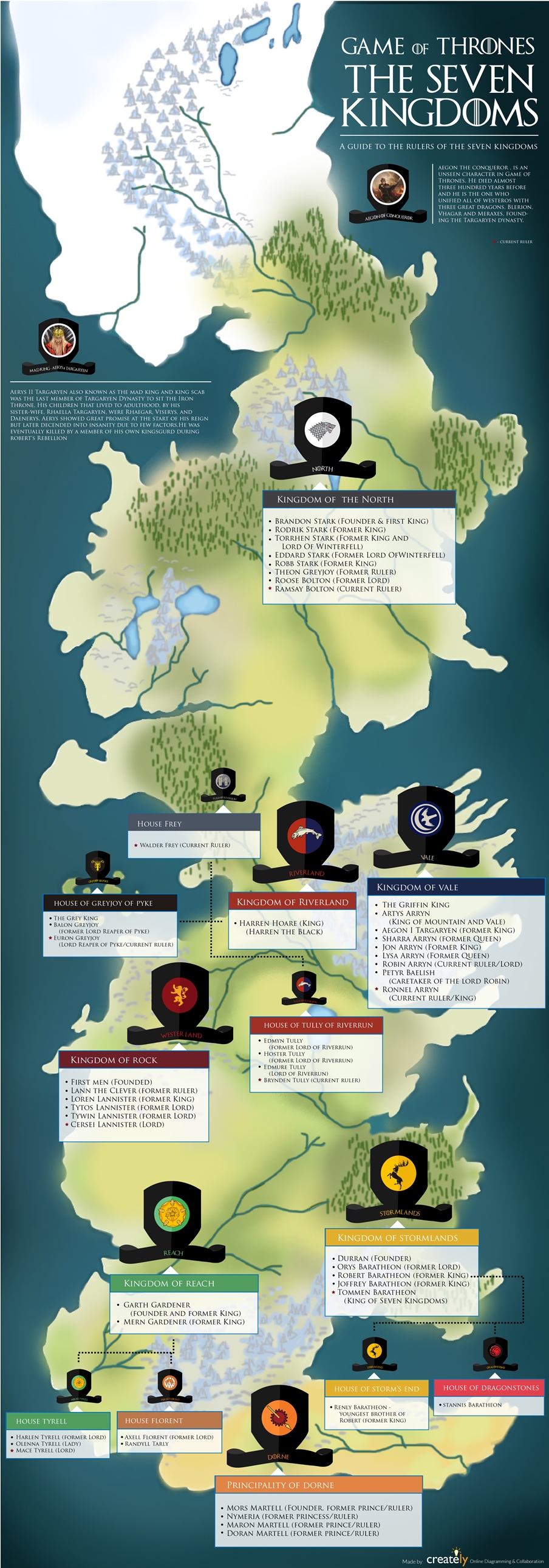
The Lannister Fortune: Gold and the Power of Coin
The Westerlands are home to the richest gold mines in Westeros, most notably at Casterly Rock. This constant influx of precious metal has provided the Lannisters with unparalleled financial resources, allowing them to fund armies, bribe officials, and exert economic influence far beyond the borders of their own kingdom. Their wealth is not merely accumulated; it is actively deployed to maintain and expand their power.
Trade, Banking, and the Lannister Influence
Beyond mining, the Westerlands are also a center for trade and finance. Lannister merchants are known for their shrewdness and their extensive trade networks, dealing in everything from wool and wine to luxury goods. The Lannisters also play a significant role in the broader financial landscape of Westeros, acting as lenders and investors. Their influence extends to the Iron Bank of Braavos, with whom they have historically maintained strong relationships, further solidifying their financial clout. The strategic use of their immense wealth allows them to manipulate political events and maintain their dominance.
The Vale of Arryn: A Fortress Economy
The Vale of Arryn, protected by the formidable Mountains of the Moon and the impregnable Eyrie, has developed a unique economy characterized by its defensibility and specialized industries. Its relative isolation has fostered a degree of self-sufficiency.
Agriculture in a Defensive Landscape
While the Vale possesses fertile valleys, its mountainous terrain dictates a more localized agricultural system. The focus is on self-sufficiency, with a strong emphasis on hardy crops and livestock adapted to the mountain environment. The kingdom’s strategic location also makes it less reliant on extensive external trade for basic necessities.
Specialized Industries and Trade: Falconry and Fine Goods
The Vale is known for specific industries that thrive in its unique environment. Falconry is a highly developed practice, with birds of prey from the Vale being prized throughout Westeros. Its skilled artisans also produce high-quality goods, including armor, weaponry, and textiles, which are traded for goods it cannot produce itself. The Vale’s economic strength lies not in sheer volume but in specialized production and its ability to defend its wealth due to its natural fortifications.
The Stormlands and the Riverlands: Strategic Importance and Economic Vulnerability
The Stormlands and the Riverlands, though distinct, share common economic characteristics rooted in their strategic locations and their susceptibility to conflict. Their economies are vital for Westeros but often bear the brunt of its wars.
The Stormlands: Borderlands and Military Might
The Stormlands, bordering the Dornish Marches, are a martial kingdom where military readiness is paramount. Its economy is structured to support a warrior culture. While possessing agricultural land and coastal trade, a significant portion of its economic activity is geared towards military production and recruitment. Its strategic position as a buffer against Dorne and a gateway to the Reach also makes it a vital, albeit often strained, economic entity.
The Riverlands: Crossroads of Commerce and Conflict
The Riverlands, characterized by its numerous rivers, is a crucial artery for internal trade and transportation. Its fertile lands make it a significant agricultural producer, supplying food to many parts of Westeros. However, its central location and lack of natural defenses make it a frequent battleground, leading to repeated disruption of its economy, destruction of infrastructure, and vulnerability to raiding. This constant state of conflict hinders its economic development and makes it a net importer of security, often paid for with the resources it can still produce.
Dorne: Exotic Goods and a Unique Economic Identity
Dorne, with its arid climate and distinct cultural identity, possesses a unique economic landscape shaped by its environment and its history of resistance.
Arid Agriculture and Specialized Resources
Dorne’s arid climate necessitates specialized agricultural practices. It excels in the cultivation of olives, grapes, and citrus fruits, alongside hardy grains. Its coastal regions are rich in fish. Beyond agriculture, Dorne is known for its unique resources and craftsmanship, including fine silks, exotic spices, and skilled artisans.

Trade and Independence: A Distinct Economic Sphere
Dorne’s distinctiveness extends to its economic relationships. While it engages in trade with other Westerosi kingdoms, particularly in its specialized goods, it has historically maintained a degree of economic independence. Its formidable military, bolstered by its challenging terrain, allows it to protect its economic interests and dictate its own terms of trade. The wealth generated by its unique exports contributes to its distinctive cultural flair and its independent political stance.
In conclusion, the Seven Kingdoms of Westeros, while often perceived through the prism of noble houses and martial prowess, are fundamentally shaped by their economic geographies. From the financial might of the Crownlands and the Lannister-driven wealth of the Westerlands, to the agricultural abundance of the Reach and the resource-rich but underdeveloped North, each realm’s economic structure dictates its power, its vulnerabilities, and its role in the perpetual struggle for dominance. Understanding these economic underpinnings provides a richer, more nuanced appreciation of the intricate tapestry of Westeros and the enduring appeal of its complex, conflict-ridden world.
aViewFromTheCave is a participant in the Amazon Services LLC Associates Program, an affiliate advertising program designed to provide a means for sites to earn advertising fees by advertising and linking to Amazon.com. Amazon, the Amazon logo, AmazonSupply, and the AmazonSupply logo are trademarks of Amazon.com, Inc. or its affiliates. As an Amazon Associate we earn affiliate commissions from qualifying purchases.