
Choosing a country to call home is one of life’s most significant decisions, impacting not just personal well-being but also financial security and future prosperity. While safety is often discussed in terms of crime rates and political stability, a deeper dive reveals that the “safest” countries to live in are also often those that offer robust economic environments, sound financial systems, and excellent opportunities for wealth creation and preservation. From this financial lens, safety translates to stability, opportunity, and the peace of mind that comes with a secure financial future.
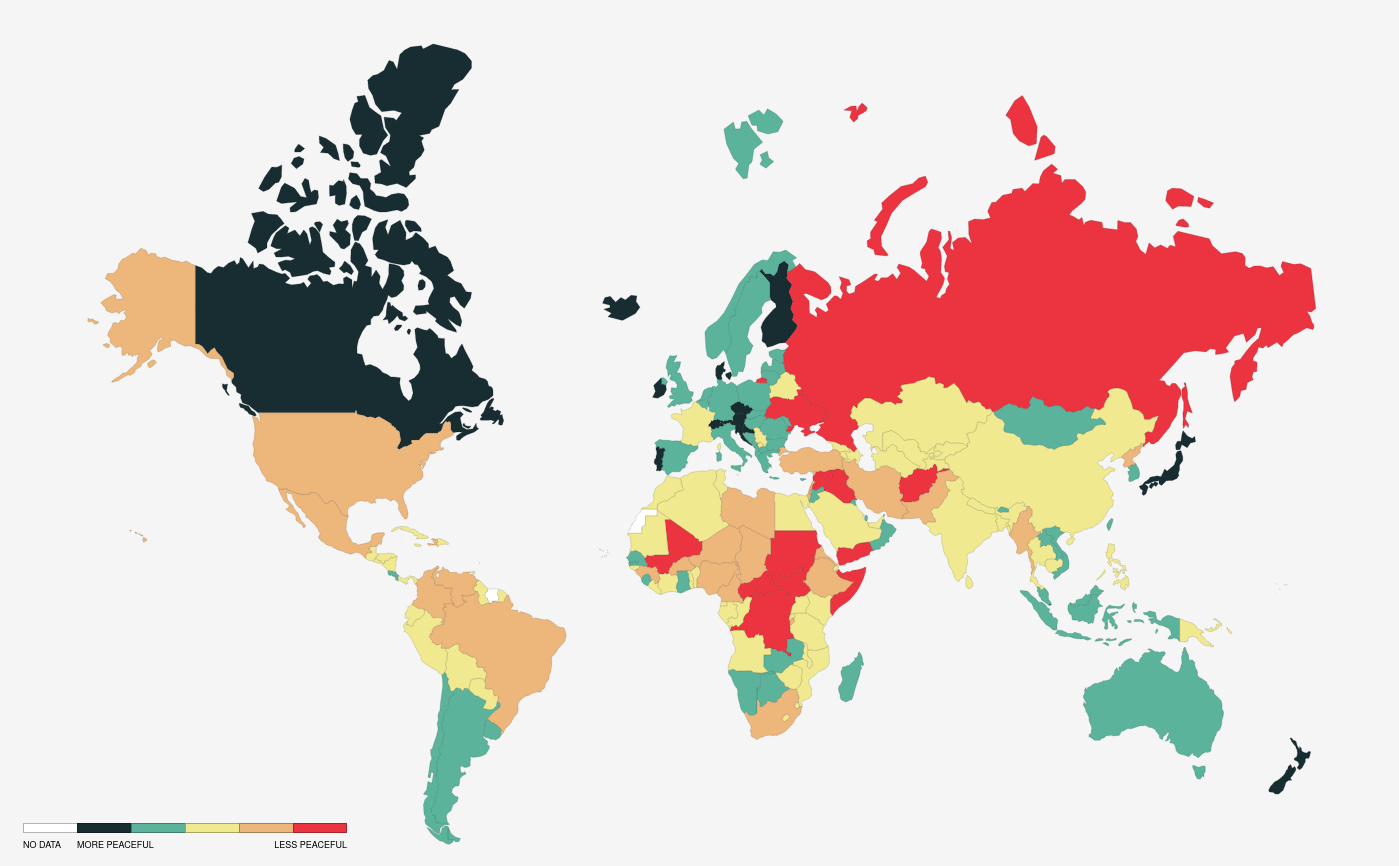
This exploration delves into what makes a country financially safe, examining key indicators and highlighting nations that consistently rank high in providing economic security for their residents. We will look beyond the surface to understand the underlying economic structures, investment climates, and personal finance landscapes that contribute to a truly secure living environment.
Understanding Financial Safety: Beyond Crime Statistics
When we talk about financial safety, we are referring to a multifaceted concept that encompasses more than just low levels of theft or fraud. It’s about the resilience of the economy, the predictability of financial policies, and the accessibility of avenues for personal financial growth and protection. A country that is financially safe offers its inhabitants a sense of security regarding their earnings, savings, and future investments.
Economic Stability and Predictability
At the core of financial safety lies economic stability. This refers to a nation’s ability to maintain consistent economic growth, control inflation, and avoid sudden, disruptive economic downturns. Countries with stable economies tend to have predictable fiscal policies, making it easier for individuals and businesses to plan for the long term. This predictability reduces financial risk and fosters confidence.
Key indicators of economic stability include:
- Low Inflation Rates: High inflation erodes the purchasing power of money, making savings less valuable over time. Countries with consistently low and stable inflation rates offer a more secure environment for personal finances.
- Stable Currency: A strong and stable currency is crucial for international trade and investment, as well as for protecting the value of savings held in that currency.
- Sustainable Debt Levels: Both government and household debt levels play a role. High national debt can lead to economic instability, while excessive personal debt can jeopardize individual financial security. Countries with manageable debt burdens are generally more financially sound.
- Diversified Economy: Economies that are not overly reliant on a single industry or commodity are more resilient to external shocks. Diversification ensures that if one sector falters, others can help maintain overall economic health.
Robust Financial Systems and Institutions
The strength and integrity of a nation’s financial institutions are paramount to its financial safety. This includes well-regulated banks, efficient capital markets, and transparent legal frameworks that protect property rights and enforce contracts. A robust financial system provides individuals with secure places to save, invest, and borrow, while also offering channels for wealth creation.
Considerations for robust financial systems:
- Banking Sector Health: Sound banking regulations, deposit insurance schemes, and a history of financial stability within the banking sector are critical. This ensures that people’s savings are protected even in times of economic stress.
- Capital Market Development: Developed and accessible stock markets, bond markets, and other investment vehicles provide opportunities for individuals to grow their wealth. The transparency and regulation of these markets are crucial for investor confidence.
- Rule of Law and Property Rights: A strong legal system that upholds property rights and enforces contracts is fundamental. Without these, investments are at risk, and the foundation of financial security crumbles. This ensures that your assets are protected and that you can conduct business with confidence.
- Low Levels of Corruption: Corruption diverts resources, distorts markets, and undermines trust in institutions, all of which are detrimental to financial safety. Countries with low corruption indices tend to offer a more equitable and predictable financial environment.
Opportunities for Wealth Creation and Preservation
Beyond stability, financially safe countries often provide ample opportunities for individuals to build and protect their wealth. This can manifest through a favorable tax environment, accessible entrepreneurial ecosystems, strong employment markets, and a high quality of life that can indirectly contribute to financial well-being.
Key aspects of wealth creation and preservation opportunities:
- Favorable Tax Regimes: While not the sole determinant, tax policies that are fair, transparent, and not overly burdensome can significantly impact an individual’s ability to accumulate and retain wealth. This includes income tax, capital gains tax, and inheritance tax considerations.
- Entrepreneurial Ecosystems: Countries that foster innovation, provide access to funding, and have streamlined regulations for starting and running businesses create fertile ground for wealth creation through entrepreneurship.
- Strong Job Markets and High Wages: The ability to earn a good living is foundational to financial security. Countries with low unemployment rates, strong demand for skilled labor, and competitive wages offer individuals greater potential for financial advancement.
- Quality of Life and Social Safety Nets: While not directly financial, a high quality of life, access to affordable healthcare, and robust social safety nets (like unemployment benefits and pensions) can reduce financial stress and provide a buffer against unexpected life events, thus contributing to overall financial well-being.
Top Countries for Financial Security and Prosperity
Based on the criteria of economic stability, robust financial systems, and opportunities for wealth creation and preservation, several countries consistently emerge as top contenders for individuals seeking a financially safe place to live. These nations often combine a strong social fabric with a well-managed economy.
Northern European Havens: Sweden, Norway, and Denmark
The Nordic countries are renowned for their high standards of living, strong social welfare systems, and stable economies. While they may have higher tax rates, this is often compensated by exceptional public services, low crime rates, and a high degree of social trust, which translates into a stable and predictable environment for personal finance.
- Economic Resilience: These nations have diversified economies, strong export sectors, and a commitment to innovation. They consistently rank high in global competitiveness and ease of doing business.
- Financial Systems: Their banking sectors are well-capitalized and highly regulated, offering a secure environment for savings and investments. Deposit insurance provides an extra layer of protection.
- Social Safety Nets: Comprehensive healthcare, education, and social security systems significantly reduce the financial burden on individuals for essential life needs, allowing for greater disposable income and less financial anxiety.
- Transparency and Low Corruption: These countries are consistently at the top of global corruption perception indices, ensuring a fair and predictable environment for financial dealings.
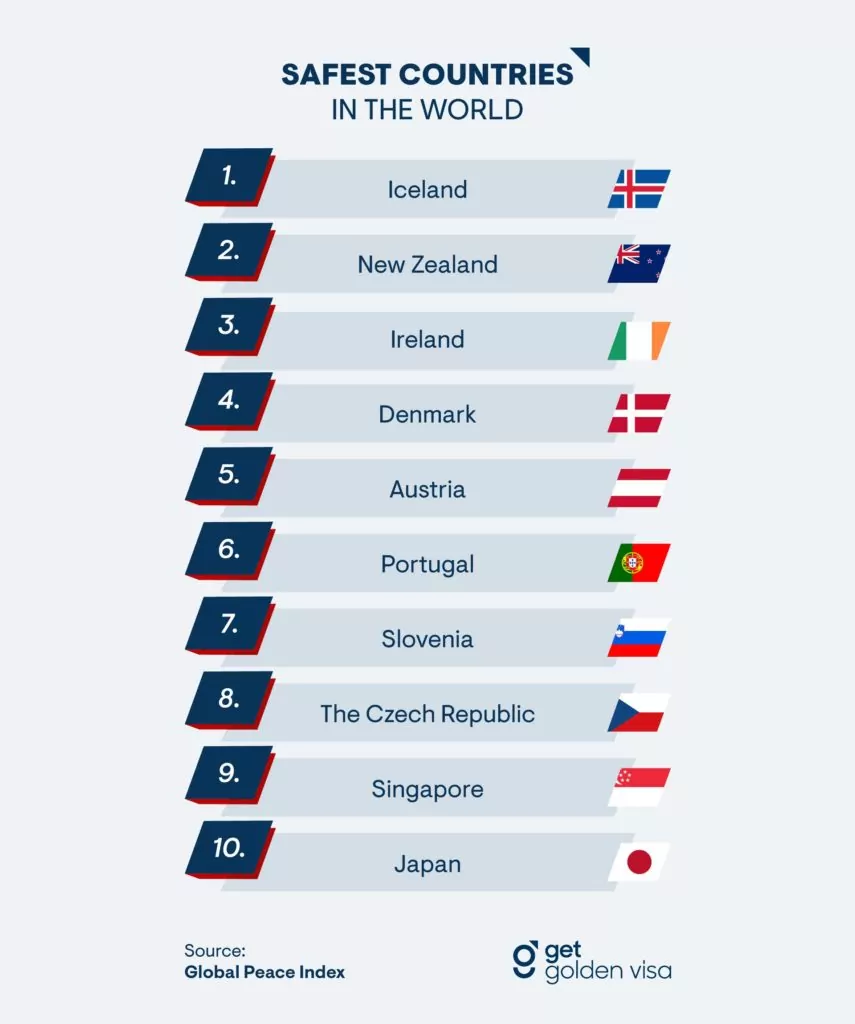
The Alpine Stability: Switzerland
Switzerland is a global leader in financial services and is often considered a safe haven for wealth. Its political neutrality, strong currency, and highly developed financial sector make it an attractive destination for those prioritizing financial security and asset protection.
- Economic Prowess: Switzerland boasts a highly competitive, export-oriented economy with a focus on high-value sectors like finance, pharmaceuticals, and precision manufacturing.
- Financial Hub: Its reputation as a stable financial center, coupled with strict banking secrecy laws (though evolving), attracts significant foreign investment and wealth management. The Swiss franc is a globally recognized safe-haven currency.
- Low Debt and Fiscal Prudence: The Swiss government maintains a strong fiscal position with low public debt, contributing to economic stability.
- High Quality of Life and Investment Opportunities: Beyond financial metrics, Switzerland offers an exceptional quality of life, excellent infrastructure, and numerous opportunities for investment in innovative industries.
The Oceanic Advantage: Australia and New Zealand
These two nations offer a combination of economic opportunity, political stability, and a high quality of life, making them attractive for financial security. Their resource-rich economies and well-developed financial markets provide a solid foundation for personal wealth building.
- Stable Economies: Both countries have well-managed economies with strong trading relationships. Australia, in particular, benefits from its vast natural resources.
- Accessible Financial Markets: They have mature and accessible capital markets, offering various investment opportunities. Property markets in certain areas can offer strong long-term returns.
- Political Stability: Both nations are known for their stable democratic institutions and predictable policy environments.
- Quality of Life and Immigration Policies: They offer a high quality of life with excellent healthcare and education systems. Their immigration policies often target skilled workers, providing pathways to economic integration and prosperity.
The Eastern European Emergence: Estonia and Slovenia
While perhaps not traditionally on every “safest countries” list, some Eastern European nations are increasingly recognized for their sound financial management and growing economic stability, offering a compelling blend of affordability and opportunity.
- Digital Innovation and Business Friendliness (Estonia): Estonia is a pioneer in digital governance and e-residency, creating a remarkably efficient and transparent business environment. Its commitment to fiscal responsibility and low public debt contributes to economic stability.
- Economic Growth and EU Membership (Slovenia): As a member of the European Union, Slovenia benefits from a stable economic framework and access to the single market. It has a well-educated workforce and a focus on sustainable development, contributing to its economic resilience.
- Affordability: Compared to many Western European nations, these countries can offer a lower cost of living, allowing individuals to make their savings and income stretch further, enhancing their financial security.
Navigating Your Financial Future: Key Considerations for Relocation
When considering a move to a financially safe country, it’s crucial to conduct thorough research tailored to your personal financial situation and long-term goals. What constitutes “safest” is subjective and depends on individual priorities, risk tolerance, and financial objectives.
Personal Financial Assessment and Goal Setting
Before embarking on an international move, a comprehensive personal financial assessment is essential. This involves understanding your current assets, liabilities, income streams, and future financial aspirations.
- Define Your Financial Goals: Are you looking to save for retirement, invest in property, start a business, or simply ensure a stable income? Your goals will dictate which countries’ financial landscapes are most suitable.
- Understand Your Risk Tolerance: Some countries might offer higher potential returns but come with greater economic volatility. Others might be more stable but offer more modest growth. Align your choice with your comfort level with risk.
- Evaluate Your Skills and Employability: Research the job market in potential destination countries. Do your skills align with the demand? High unemployment rates or a lack of opportunities in your field can undermine financial safety.
Cost of Living and Taxation Implications
The financial impact of relocating is heavily influenced by the cost of living and the tax system of the destination country. These factors can significantly affect your disposable income and savings potential.
- Cost of Living Analysis: Research the average costs of housing, food, transportation, utilities, and healthcare. Websites and expat forums can provide valuable insights into the real-world expenses of living in different cities and regions.
- Taxation Policies: Understand the income tax rates, capital gains taxes, property taxes, and any other significant tax obligations. Some countries offer attractive tax incentives for expatriates or investors, while others may have higher tax burdens. Consider how these will affect your net income and investment returns.
- Currency Exchange Rates: Fluctuations in currency exchange rates can impact the value of your savings and income, especially if you are transferring money internationally.
Investment Climate and Property Ownership
For many, investing and property ownership are key components of building long-term financial security. Understanding the investment landscape and property market of a potential new home is therefore vital.
- Investment Opportunities: Research the accessibility and performance of local investment markets, including stocks, bonds, and mutual funds. Consider any restrictions on foreign investment.
- Property Market Dynamics: If you plan to buy property, investigate the real estate market trends, property laws, and mortgage availability for foreigners. Property ownership can be a significant wealth-building tool, but it also comes with risks.
- Repatriation of Funds: Understand the regulations surrounding the repatriation of funds and profits from investments back to your home country or elsewhere.

Conclusion: A Holistic Approach to Financial Safety
The quest for the safest countries to live in, viewed through a financial lens, reveals a landscape where economic stability, robust financial institutions, and ample opportunities for wealth creation converge. While low crime rates and political stability are undeniable components of safety, they are often intrinsically linked to a nation’s economic health and the security it offers its citizens regarding their financial well-being.
From the predictable prosperity of Nordic nations to the financial haven of Switzerland and the burgeoning opportunities in Australia, New Zealand, and parts of Eastern Europe, a diverse range of countries offer compelling propositions for those seeking financial security. Ultimately, the “safest” country is one that aligns with your personal financial goals, offers a stable economic environment, and provides the opportunities for you to thrive and protect your wealth, ensuring a secure and prosperous future. A well-researched, holistic approach that considers economic indicators, tax implications, and personal aspirations will pave the way for a financially safe and fulfilling life abroad.
aViewFromTheCave is a participant in the Amazon Services LLC Associates Program, an affiliate advertising program designed to provide a means for sites to earn advertising fees by advertising and linking to Amazon.com. Amazon, the Amazon logo, AmazonSupply, and the AmazonSupply logo are trademarks of Amazon.com, Inc. or its affiliates. As an Amazon Associate we earn affiliate commissions from qualifying purchases.