
In the intricate dance of the global economy, “rates” are the rhythmic pulse that dictates the flow of money, influences purchasing power, and shapes financial decisions for individuals and corporations alike. Whether you’re considering a new mortgage, saving for retirement, investing in the stock market, or simply planning your weekly budget, understanding the current landscape of various financial rates is not just prudent—it’s essential. Today’s rates reflect a complex interplay of central bank policies, market demand, inflation expectations, and geopolitical events, constantly shifting and presenting both challenges and opportunities. This article delves into the critical rates impacting personal finance, investment strategies, and the broader economic outlook, offering insights to navigate this dynamic environment effectively.
The Central Bank’s Influence: Interest Rates and Monetary Policy
At the heart of the financial system are the policies set by central banks, such as the Federal Reserve in the United States, the European Central Bank, or the Bank of England. Their primary tool, the benchmark interest rate, serves as a foundational cost of money that ripples through every corner of the economy.
Understanding Benchmark Rates
Central banks adjust their benchmark rates—like the Federal Funds Rate in the U.S.—to achieve specific macroeconomic goals, primarily controlling inflation while fostering maximum sustainable employment and stable economic growth. When inflation is high, central banks might raise rates to cool down the economy by making borrowing more expensive and saving more attractive. Conversely, during economic downturns, rates might be cut to stimulate borrowing, investment, and consumer spending. Today, these benchmark rates are often the most watched economic indicators, as their direction signals the central bank’s stance on the health and future trajectory of the economy. Monitoring these announcements and subsequent market reactions provides a vital lens through which to view current and projected financial rates across the board.
Impact on Lending Rates
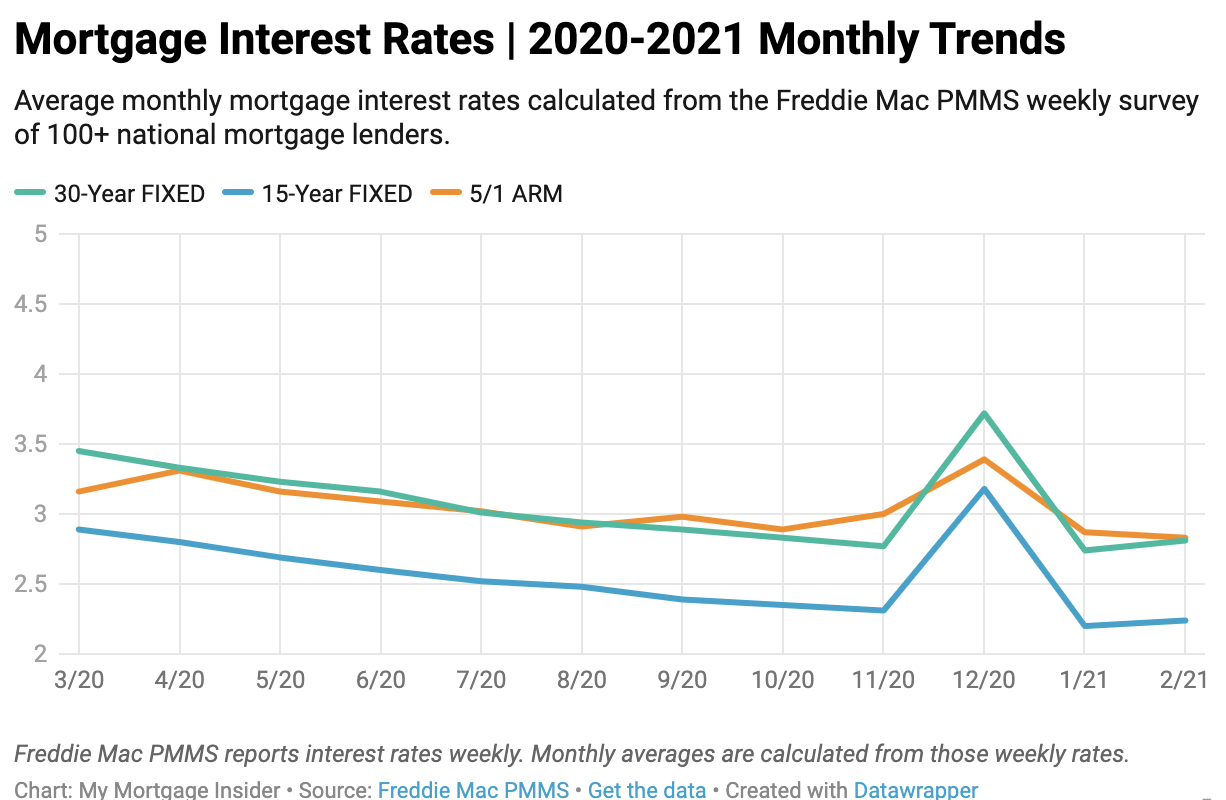
The benchmark rate directly influences the prime rate, which banks use as a basis for pricing various loans. Consequently, the rates on consumer loans, such as mortgages, personal loans, and auto loans, fluctuate in tandem. For potential homeowners, a change in the benchmark rate can mean thousands of dollars difference over the life of a mortgage. Fixed-rate mortgages offer stability, locking in the interest rate for the term of the loan, while adjustable-rate mortgages (ARMs) can see their rates reset periodically, reflecting current market conditions. Similarly, businesses seeking capital for expansion or operational needs will find their borrowing costs directly impacted, influencing investment decisions and growth strategies. Keeping an eye on central bank pronouncements is therefore crucial for anyone contemplating a significant borrowing decision.
Savings and Deposit Rates
While higher benchmark rates make borrowing more expensive, they can be a boon for savers. Banks typically offer higher annual percentage yields (APYs) on savings accounts, money market accounts, and certificates of deposit (CDs) when central bank rates are elevated. This provides an incentive for individuals to save, rewarding prudence with better returns. Conversely, in a low-rate environment, the real return on savings might barely keep pace with, or even fall behind, inflation, prompting savers to look for alternative investment vehicles to grow their wealth. Understanding how current savings rates compare to inflation is critical for preserving and growing capital over time.
Navigating Personal Finance: Everyday Rates That Matter
Beyond the central bank’s influence, several other rates directly impact the financial well-being of households, affecting everything from daily spending habits to long-term financial security.
Credit Card Interest Rates
For many consumers, credit card interest rates (APRs – Annual Percentage Rates) are among the most frequently encountered financial rates. These rates can be fixed or variable, with variable rates often tied to the prime rate. Carrying a balance on a credit card, especially with high APRs, can quickly erode financial stability due to compounding interest. Understanding your current credit card rates and strategies for managing debt, such as transferring balances to lower-interest cards or prioritizing high-APR debt repayment, is fundamental to sound personal finance. Today’s rate environment might make some credit products more or less appealing, necessitating a careful review of one’s current financial commitments.
Mortgage and Housing Rates
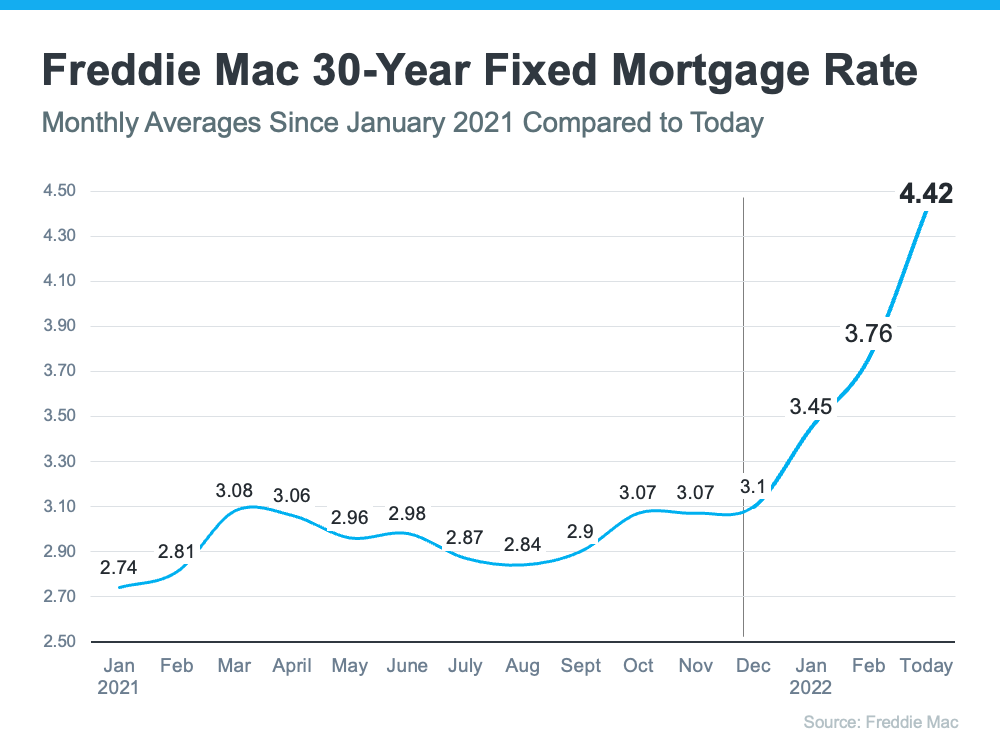
The housing market is profoundly sensitive to interest rates. Current mortgage rates dictate monthly payments, affecting affordability for new homebuyers and influencing the viability of refinancing for existing homeowners. When rates drop, many seize the opportunity to refinance their existing mortgages, reducing their monthly payments or shortening their loan terms. Conversely, rising rates can cool a hot housing market, making homes less affordable and potentially leading to slower price appreciation. Today’s mortgage rates are a key factor in residential real estate decisions, guiding whether it’s a buyer’s or seller’s market, and whether to opt for fixed-rate stability or the initial lower payments of an ARM.
Student Loan Rates
For millions, student loans represent a significant financial commitment. Rates on federal student loans are set annually by Congress and are typically fixed for the life of the loan. Private student loan rates, however, can be variable or fixed and are often dependent on the borrower’s creditworthiness. Understanding current rates is crucial for those taking out new loans or considering refinancing existing ones. Refinancing federal loans into private loans might offer lower interest rates but can mean forfeiting federal loan protections like income-driven repayment plans or deferment options. The decision requires careful consideration of the trade-offs in the current rate landscape.
Investing and Market Dynamics: Rates Beyond Lending
Rates extend far beyond traditional lending, profoundly influencing investment returns, market sentiment, and global economic interactions.
Inflation Rates: The Erosion of Purchasing Power
Perhaps one of the most insidious rates is inflation, typically measured by the Consumer Price Index (CPI). Inflation represents the rate at which the general level of prices for goods and services is rising, and consequently, the purchasing power of currency is falling. A high inflation rate means your money buys less over time, eroding the real value of savings and fixed-income investments. Today’s inflation rates are a critical factor for investors, prompting shifts towards assets that historically perform well in inflationary environments, such as real estate, commodities, or inflation-protected securities. Understanding the current inflation rate and its trajectory is paramount for long-term financial planning and investment strategy.
Bond Yields: A Reflection of Risk and Return
Bond yields, particularly government bond yields (like U.S. Treasury yields), are crucial indicators of market expectations about future interest rates and economic growth. Bond yields and prices move inversely: as yields rise, bond prices fall, and vice-versa. Higher yields can indicate increased investor demand for higher returns due to perceived risk or rising inflation expectations. They also compete with equity returns, as higher bond yields make fixed-income investments more attractive relative to stocks. For investors, understanding current bond yields is key to asset allocation, especially for those seeking income or capital preservation. The yield curve—a plot of bond yields against their maturities—can also offer insights into market sentiment regarding future economic activity.
Exchange Rates: Global Trade and Travel
Exchange rates determine the value of one currency in relation to another. They are influenced by interest rate differentials between countries, economic stability, trade balances, and geopolitical events. For international investors, businesses engaged in global trade, or individuals planning foreign travel, current exchange rates have a direct impact. A stronger domestic currency makes imports cheaper and exports more expensive, affecting corporate profits and consumer prices. For investors, favorable exchange rates can boost returns on international investments, while adverse movements can diminish them. Staying informed about major currency pair movements (e.g., USD/EUR, USD/JPY) is vital for anyone with global financial interests.
Business Finance and Economic Outlook: Strategic Rate Considerations
Rates also play a pivotal role in the operational decisions and strategic planning of businesses, large and small, influencing their ability to grow, invest, and manage risk.
Business Loan and Line of Credit Rates
For small and medium-sized enterprises (SMEs), current business loan and line of credit rates are fundamental to their financial health. These rates determine the cost of working capital, equipment financing, and expansion projects. A favorable rate environment can encourage investment and innovation, while higher rates can constrain growth and increase the cost of doing business. Today’s rates are closely watched by business owners who must continuously assess their capital needs against the prevailing cost of borrowing to maintain competitiveness and profitability.
Corporate Bond Rates and Capital Raising
Larger corporations often raise capital by issuing corporate bonds. The interest rates they must offer to attract investors are influenced by benchmark rates, the company’s credit rating, and overall market demand for corporate debt. A low-rate environment can enable companies to borrow more cheaply, supporting mergers and acquisitions, research and development, or share buybacks. Conversely, rising rates can increase a company’s cost of capital, potentially slowing investment and impacting shareholder value. Understanding current corporate bond rates is critical for corporate finance departments and institutional investors assessing credit risk and return.
Economic Growth Rates and Projections
While not a direct “rate” in the same vein as interest or inflation, economic growth rates, typically measured by Gross Domestic Product (GDP), are overarching indicators that influence all other rates. Strong GDP growth often correlates with higher demand for credit, potential inflation, and a likelihood of central bank rate hikes. Conversely, slowing growth or recessionary fears can lead to lower rates to stimulate activity. Monitoring current GDP figures and economic projections provides a crucial context for interpreting the trajectory of all other financial rates, guiding both government policy and private sector strategy.
Strategies for Adapting to Today’s Rate Environment
Navigating a dynamic rate environment requires vigilance, flexibility, and proactive financial planning.
For Savers and Investors
In an environment of rising rates, savers should seek out high-yield savings accounts, money market accounts, and CDs to maximize returns on their cash reserves. Investors might re-evaluate their bond portfolios, potentially opting for shorter-duration bonds to mitigate interest rate risk. Growth stocks might face headwinds as higher rates make future earnings less valuable, prompting a shift towards value stocks or sectors that can pass on higher costs to consumers. Diversification across asset classes remains paramount, with a focus on assets that can perform well in various economic scenarios.
For Borrowers
Borrowers, particularly those with variable-rate debt, should assess their exposure to rising rates. Refinancing variable-rate loans into fixed-rate alternatives can lock in payments and provide certainty. Debt consolidation strategies can also be effective, combining multiple high-interest debts into a single loan with a lower, fixed interest rate. For new loans, comparing offers from multiple lenders and understanding the full cost of borrowing (including fees and closing costs) is more important than ever. Acting decisively when rates are favorable, or when future increases are anticipated, can save significant money over the long term.

Proactive Financial Planning
Ultimately, staying informed about “what are the rates today” is an ongoing process that supports proactive financial planning. Regularly reviewing your budget, debt portfolio, and investment allocations against the backdrop of current rates allows for timely adjustments. Utilizing financial tools and seeking advice from qualified financial professionals can provide personalized insights and strategies tailored to your specific goals and risk tolerance. In a world where financial rates are constantly in flux, informed decision-making is your most powerful tool for achieving financial stability and growth.
Understanding the various rates that define today’s financial landscape is not merely an academic exercise; it’s a critical component of informed decision-making in personal finance, investing, and business strategy. From the subtle shifts in central bank policy to the everyday impact on credit card APRs and mortgage payments, these rates dictate the rhythm of our financial lives. By staying engaged, informed, and adaptable, individuals and businesses can better navigate the economic currents, mitigate risks, and seize opportunities for growth and prosperity.
aViewFromTheCave is a participant in the Amazon Services LLC Associates Program, an affiliate advertising program designed to provide a means for sites to earn advertising fees by advertising and linking to Amazon.com. Amazon, the Amazon logo, AmazonSupply, and the AmazonSupply logo are trademarks of Amazon.com, Inc. or its affiliates. As an Amazon Associate we earn affiliate commissions from qualifying purchases.