
The United States presidency is arguably the most powerful office in the world. It’s a role that demands a unique blend of leadership, intellect, and experience. While the Constitution lays out the fundamental, non-negotiable requirements for the job, the unwritten qualifications – those that truly equip an individual for the immense challenges and responsibilities – are far more nuanced and often connect surprisingly well with the skills fostered in the modern, interconnected world of technology, brand building, and financial acumen.
The path to the Oval Office is a marathon, not a sprint, and it requires a deep understanding of what it takes to lead a nation. Let’s explore the official requirements and then delve into the crucial, often overlooked, qualifications that make a candidate truly presidential, drawing parallels to the domains of technology, brand, and money.

The Constitutional Bedrock: The Official Requirements
The U.S. Constitution, ratified in 1788, clearly outlines the minimum qualifications for anyone aspiring to be President. These are the absolute prerequisites, the foundational elements that every candidate must possess.
Age, Citizenship, and Residency: The Basic Mandates
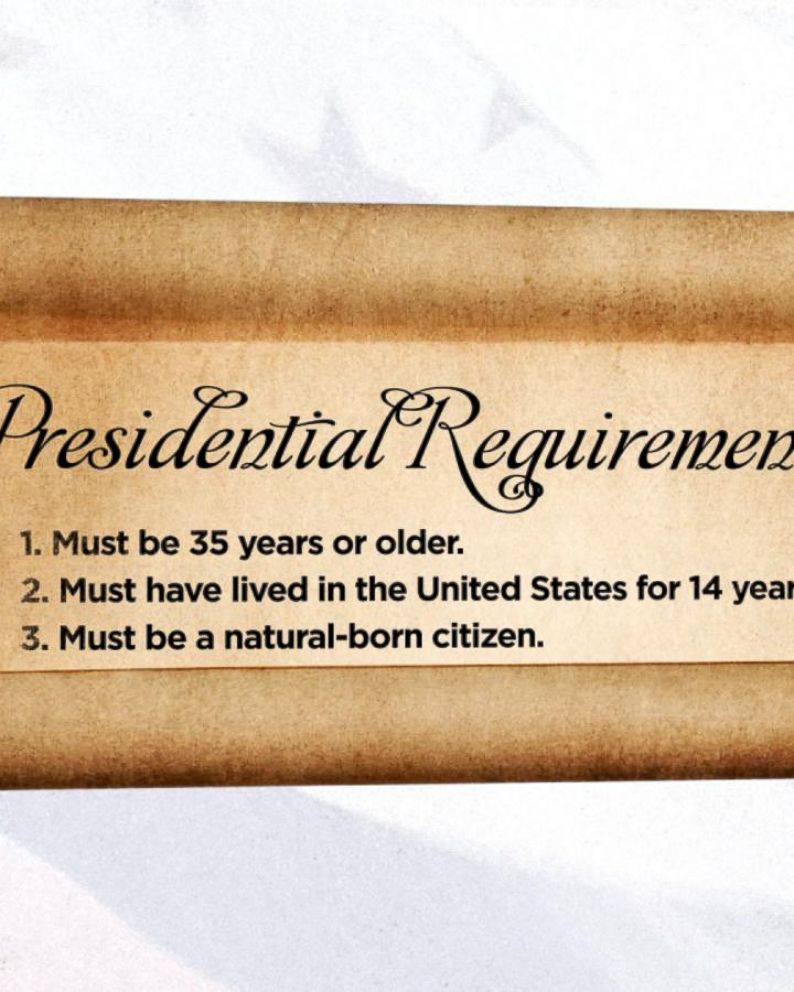
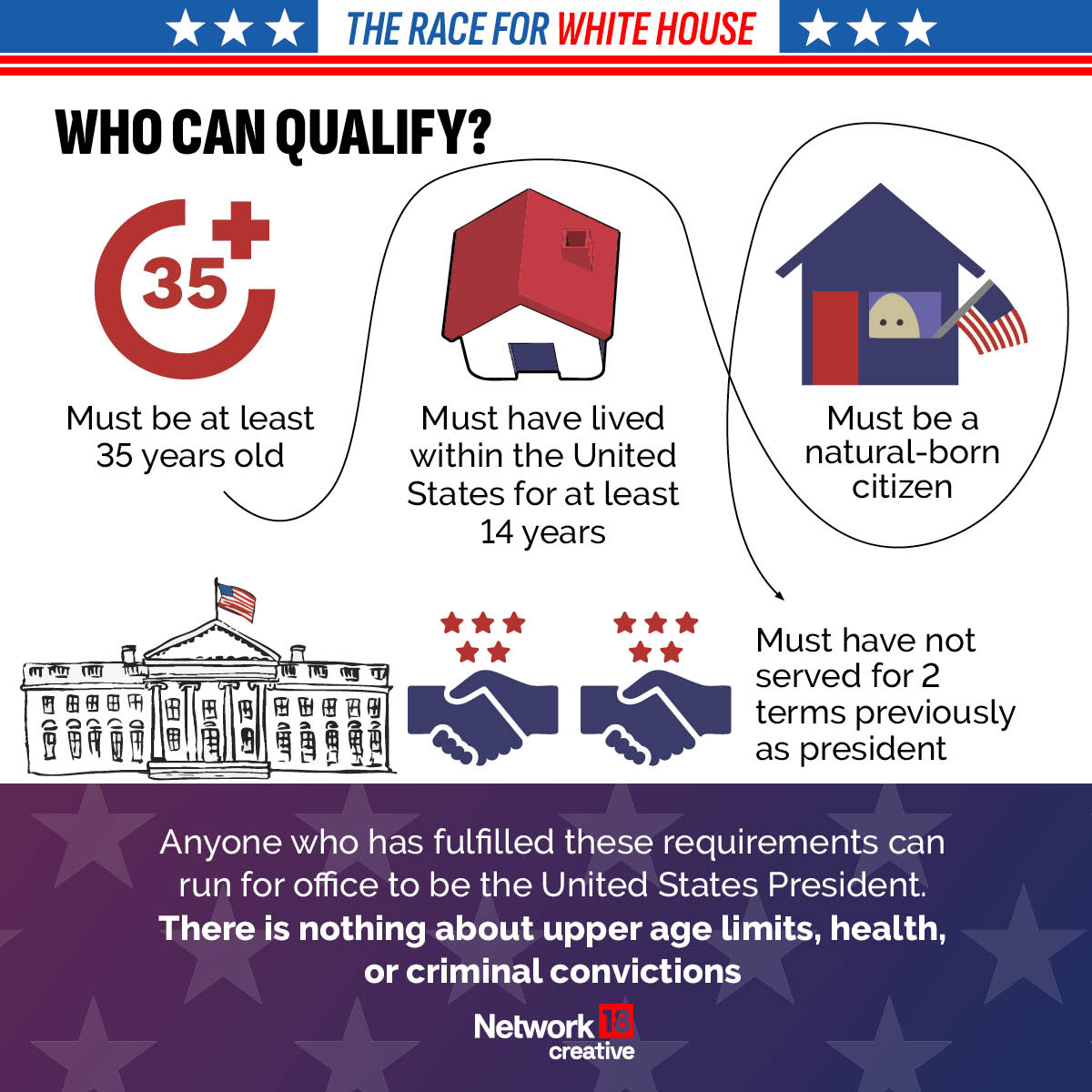
Article II, Section 1 of the U.S. Constitution states that “No Person except a natural born Citizen, or a Citizen of the United States, at the time of the Adoption of this Constitution, shall be eligible to the Office of President; neither shall any Person be eligible to that Office who shall not have attained to the Age of thirty five Years, and been fourteen Years a Resident within the United States.”
- Natural-Born Citizen: This clause is designed to ensure loyalty to the United States and to prevent foreign influence in the nation’s highest office. It generally means someone born within the United States or to U.S. citizen parents abroad. The interpretation of this clause has been a subject of debate over the years, particularly concerning individuals born on U.S. territories or to parents who are not U.S. citizens.
- Minimum Age of 35: This age requirement is intended to ensure that a president has reached a certain level of maturity and life experience. Thirty-five years was considered a significant milestone for leadership in the 18th century, and it remains the standard today. It suggests a period of life where an individual is expected to have developed a broader perspective and a more established understanding of the world.
- 14 Years of Residency: This requirement aims to guarantee that the president has a deep understanding of the United States, its people, and its political system. It signifies a commitment to the nation and familiarity with its intricacies, from the diverse landscapes to the complex social and political fabric.
These are the absolute, non-negotiable hurdles. Without meeting these criteria, a candidate cannot even be considered for the ballot, let alone the presidency.
Beyond the Letter of the Law: The Unwritten Qualifications for Presidential Leadership
While the constitutional requirements are clear, they are merely the entry ticket. The true essence of a qualified president lies in a more profound set of skills and attributes that are honed through experience, education, and a deep commitment to public service. In today’s rapidly evolving world, these unwritten qualifications often intersect with the domains of technology, brand building, and financial understanding.
Navigating the Digital Frontier: Technological Savvy and Adaptability
In the 21st century, a president must be adept at understanding and leveraging technology. This isn’t about being a Silicon Valley coder, but rather possessing a fundamental grasp of how technology shapes our world, impacts our economy, and influences our national security.
Understanding Emerging Tech Trends and Their Implications
A president needs to comprehend the implications of rapidly advancing technologies such as Artificial Intelligence (AI), quantum computing, and the Internet of Things (IoT). These aren’t just abstract concepts; they directly affect job markets, national defense, economic competitiveness, and even democratic processes.
- AI and Automation: How will AI impact the workforce? What are the ethical considerations of AI in areas like surveillance or autonomous weapons? A president must be able to guide policy that fosters innovation while mitigating potential job displacement and ethical dilemmas.
- Cybersecurity and Digital Security: The nation’s infrastructure, economy, and personal data are increasingly vulnerable to cyber threats. A president needs to understand the critical importance of robust digital security measures and be prepared to respond to sophisticated cyberattacks from state and non-state actors. This requires an appreciation for the tools and strategies used in digital security, from encryption to threat intelligence.
- The Digital Economy: The global economy is increasingly driven by data and digital platforms. A president must understand the dynamics of the digital marketplace, including the role of big tech companies, the challenges of data privacy, and the opportunities for digital entrepreneurship.
Leveraging Technology for Governance and Communication
Beyond understanding, a president must be able to use technology to improve governance and communicate effectively with the public.
- Productivity Tools and Digital Platforms: Modern leaders utilize a range of digital tools to manage vast amounts of information, facilitate collaboration, and make informed decisions. A president should be comfortable with the digital infrastructure that underpins modern governance.
- Digital Communication Strategies: In an era of social media and instant news cycles, a president’s ability to communicate directly and effectively with citizens is paramount. This involves understanding the nuances of different digital platforms, crafting clear and impactful messages, and engaging in transparent dialogue. This is where personal branding intersects with technological tools.
Crafting and Projecting a Compelling National Brand
The United States, as a nation, has a brand. A president is the chief brand ambassador, shaping perceptions both domestically and internationally. This requires a sophisticated understanding of brand strategy, identity, and reputation management.
Defining and Communicating a National Vision
A president must articulate a clear and compelling vision for the nation’s future. This vision acts as the core of the nation’s brand – what it stands for, its values, and its aspirations.
- Brand Strategy and Messaging: Just as a corporation develops a brand strategy to resonate with its target audience, a president must craft a national narrative that unifies citizens and projects strength and purpose on the world stage. This involves understanding the principles of effective marketing and persuasive communication.
- Corporate Identity vs. National Identity: While corporate identity focuses on an organization, national identity is far more complex, encompassing history, culture, diversity, and shared values. A president must be able to weave these elements into a cohesive and inspiring identity for the nation.
Building and Protecting Reputation
A president’s actions and words directly impact the nation’s reputation. Managing this reputation requires a deep understanding of public relations and crisis communication.
- Reputation Management in a Globalized World: In an interconnected world, news and perceptions spread instantly. A president must be mindful of how decisions and pronouncements will be received globally and be prepared to manage any reputational fallout. This often involves understanding the power of case studies – successful initiatives that bolster the nation’s image.
- Personal Branding and Trust: The president’s personal brand is intrinsically linked to the nation’s brand. Authenticity, integrity, and consistent messaging build trust, which is essential for effective leadership. A president’s ability to cultivate a positive and credible personal brand can significantly enhance their effectiveness.
Mastering the Fundamentals of Money and Economic Stewardship
The president is the chief economic steward of the nation. A strong understanding of personal finance, investing, and broader economic principles is not just beneficial, but essential for sound decision-making.
Personal Financial Literacy and Economic Principles
While not every president needs to be a Wall Street guru, a fundamental grasp of financial concepts is crucial for making informed policy decisions that affect millions.
- Personal Finance and Budgeting: The ability to manage personal finances reflects discipline and understanding of resource allocation. This translates to the national level, where presidents must oversee budgets, manage debt, and make critical spending decisions.
- Investing and Economic Growth: A president needs to understand the drivers of economic growth, the role of investment, and the principles of sound fiscal policy. This includes an appreciation for how government policy can foster an environment conducive to business and individual prosperity.
Navigating the Complexities of Business and Financial Systems
The president’s decisions have profound implications for businesses of all sizes, from small startups to multinational corporations.
- Business Finance and Economic Policy: Understanding the challenges and opportunities faced by businesses is vital. This includes knowledge of tax policy, regulatory frameworks, and trade agreements that impact economic competitiveness.
- Online Income, Side Hustles, and the Gig Economy: The modern economy is diverse, with an increasing number of individuals pursuing online income streams and side hustles. A president must understand these evolving economic realities to create policies that support a dynamic and inclusive workforce.
- Financial Tools and Innovation: The financial landscape is constantly evolving with new tools and technologies. A president should be aware of these developments and their potential impact on financial markets and consumer access to financial services.
The Ultimate Qualification: A Commitment to Public Service and Ethical Leadership
Beyond the tangible skills derived from technology, brand, and money, the most critical qualification for any president is an unwavering commitment to public service and a profound sense of ethical responsibility. This means prioritizing the welfare of the nation and its citizens above personal gain or partisan interests.
- Integrity and Honesty: Trust is the bedrock of leadership. A president must demonstrate unimpeachable integrity and honesty in all their dealings.
- Empathy and Understanding: The ability to connect with and understand the diverse needs and concerns of all Americans is paramount. This requires empathy and a willingness to listen to different perspectives.
- Resilience and Decision-Making Under Pressure: The presidency is a demanding office where leaders are constantly faced with crises and difficult decisions. The ability to remain calm, think clearly, and make tough choices under immense pressure is essential.
- Vision and Long-Term Thinking: A president must be able to look beyond immediate challenges and articulate a vision for the nation’s long-term future, guiding it towards a brighter tomorrow.
In conclusion, while the constitutional requirements for the presidency are specific and unchanging, the qualifications needed to truly excel in this office are far more complex. In today’s interconnected world, understanding technology, mastering the art of brand building, and possessing a robust financial acumen are no longer optional extras; they are increasingly vital components of effective presidential leadership, alongside the timeless virtues of integrity, empathy, and a profound dedication to public service.
aViewFromTheCave is a participant in the Amazon Services LLC Associates Program, an affiliate advertising program designed to provide a means for sites to earn advertising fees by advertising and linking to Amazon.com. Amazon, the Amazon logo, AmazonSupply, and the AmazonSupply logo are trademarks of Amazon.com, Inc. or its affiliates. As an Amazon Associate we earn affiliate commissions from qualifying purchases.