
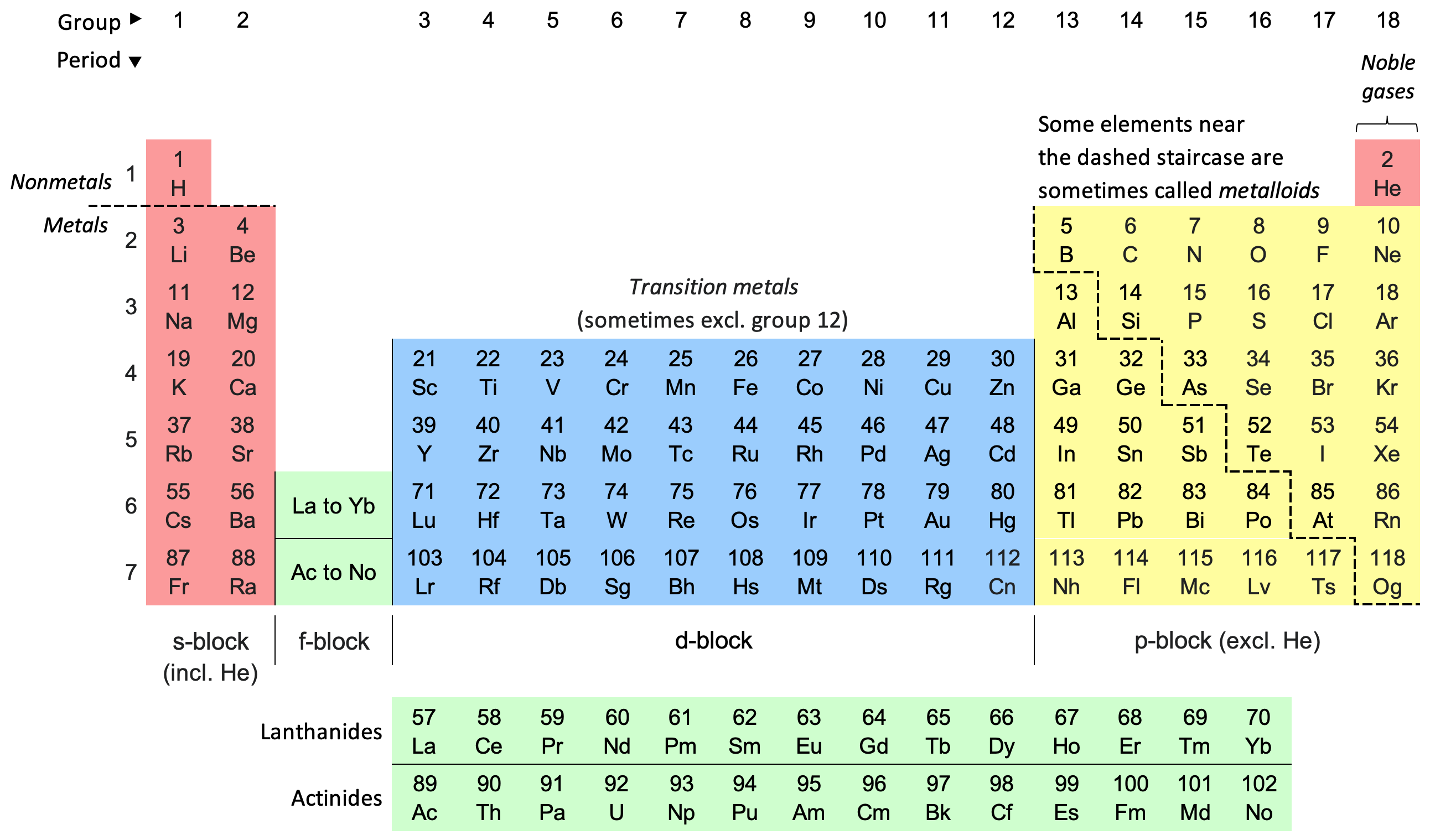
When we hear the phrase “periodic elements,” our minds often drift back to high school chemistry classrooms, colorful wall charts, and the systematic arrangement of hydrogen, helium, and carbon. However, in the 21st century, the periodic table has moved out of the laboratory and into the heart of the global economy. For the technology sector, the periodic elements are not just scientific abstractions; they are the physical building blocks of every smartphone, cloud server, artificial intelligence processor, and electric vehicle on the planet.
Understanding what these elements are and how they drive innovation is essential for anyone navigating the current tech landscape. From the silicon that gives its name to the world’s most famous tech hub to the rare earth metals that enable wireless communication, the “tech-periodic” relationship defines the limits of what our software can achieve. As we push toward more powerful AI and more secure digital infrastructures, we are finding that our digital dreams are fundamentally tethered to the physical properties of specific chemical elements.

The Core Conductors: Silicon and the Semiconductor Revolution
At the very top of the tech-essential list is Silicon (Si). While it is one of the most abundant elements on Earth, its role in the technology sector is unparalleled. It is the bedrock of the semiconductor industry, serving as the primary material for the integrated circuits that power everything from a basic calculator to the most advanced AI clusters.
The Heart of the Microchip
Silicon’s dominance in technology stems from its status as a semiconductor. This means its electrical conductivity can be precisely controlled by adding small amounts of other elements—a process known as “doping.” This ability to switch between conducting and insulating states is what allows engineers to create the transistors that form the binary language (0s and 1s) of modern computing. Without the unique atomic structure of silicon, the miniaturization of hardware would have stalled decades ago. Today’s advanced chips pack billions of silicon transistors into a space no larger than a fingernail, driving the exponential growth in processing power we’ve come to expect.
Beyond Silicon: Gallium and the Next Wave of High-Speed Computing
As we demand more efficiency and speed, the tech industry is looking toward “Wide Bandgap” semiconductors. This is where Gallium (Ga) enters the fray. Gallium Nitride (GaN) is increasingly replacing silicon in power electronics because it can handle higher voltages and temperatures while losing less energy. This translates to smaller, faster-charging power bricks for gadgets and more efficient power conversion in data centers. For AI developers, Gallium-based tech means that the massive energy requirements of training large language models can be managed more effectively, reducing the physical footprint and heat output of server farms.
Energy Storage and the Power of Chemical Elements
If silicon provides the “brain” of technology, then the elements involved in energy storage provide the “circulatory system.” The transition from stationary computing to the mobile and wearable era was only possible because of breakthroughs in electrochemistry.
Lithium: The Fuel of the Portable Era
Lithium (Li) is the lightest metal on the periodic table, and its high electrochemical potential makes it the ideal candidate for high-energy-density batteries. The “Lithium-ion” revolution is what allowed smartphones to move from bulky bricks to sleek slabs and enabled the viability of electric vehicles (EVs). In the tech sector, lithium is more than an element; it is a strategic asset. The efficiency of lithium-based storage determines the battery life of our devices and the range of our autonomous drones, making it a cornerstone of the “unplugged” digital lifestyle.
Cobalt, Nickel, and the Sustainability Challenge in EV Tech
While lithium gets the headlines, elements like Cobalt (Co) and Nickel (Ni) are crucial for the stability and longevity of high-capacity batteries. Cobalt, in particular, prevents the cathode from overheating, which is vital for the safety of tech hardware. However, the tech industry is currently in a race to find alternatives or more ethical sourcing methods for these elements. The push for “Cobalt-free” batteries is a major trend in hardware engineering, driven by both the high cost of the element and the ethical complexities of its extraction. This highlights a critical reality in tech: the periodic table is not just a scientific tool, but a geopolitical and ethical map.
Rare Earth Elements: The Secret Ingredients of High-Tech Hardware
Despite their name, rare earth elements (REEs) are relatively common in the Earth’s crust, but they are rarely found in concentrations that make them easy to mine. In the tech world, these 17 elements—including Neodymium, Dysprosium, and Lanthanum—act as the “vitamins” of hardware, provided in small doses to grant extraordinary properties.
Neodymium and the Physics of Modern Connectivity
Neodymium (Nd) is used to create the world’s most powerful permanent magnets. If you have ever marveled at the haptic feedback on your smartphone, the crisp audio from your high-end headphones, or the vibrating motor that alerts you to a notification, you are interacting with neodymium. These magnets are also essential for the hard disk drives (HDDs) that still house vast amounts of the world’s cold-storage data. Without the magnetic properties of these specific periodic elements, our hardware would be significantly bulkier and less efficient at converting electrical energy into mechanical movement or sound.
Dysprosium and Heat Resistance in Data Centers
As computing power increases, so does heat. Dysprosium (Dy) is often added to neodymium magnets to help them retain their magnetic properties at high temperatures. This is critical for the infrastructure of the tech world—specifically data centers and high-speed communications equipment. When servers are running 24/7 to process global financial transactions or AI queries, the elemental composition of their cooling systems and motor components prevents physical failure. The tech sector’s reliance on these specific elements means that materials science is now a primary driver of digital reliability.
The Future of Materials Science in Digital Security and AI
As we look toward the next decade of technology, the “periodic elements” we rely on are changing. We are moving beyond the standard list to explore exotic materials that could redefine digital security and the very nature of logic.
Quantum Computing and the Search for New Superconducting Elements
Quantum computing represents the next frontier of tech, and it requires elements that exhibit “superconductivity”—the ability to conduct electricity with zero resistance. Elements like Niobium (Nb) and Tantalum (Ta) are at the forefront of this research. By chilling these elements to near absolute zero, tech giants are building quantum bits (qubits) that can solve problems in seconds that would take today’s fastest supercomputers millennia. The search for the “perfect” element for quantum stability is the current “Gold Rush” of the tech industry.
Hardware-Level Security: Using Material Properties to Protect Data
Digital security is no longer just a software problem. “Physical Unclonable Functions” (PUFs) are a new trend in hardware security where the unique, microscopic variations in the atomic structure of an element are used to create a “digital fingerprint” for a chip. Because no two pieces of silicon or copper are identical at the atomic level, these periodic elements can be used to generate encryption keys that are virtually impossible to hack or replicate. This represents a shift where the physical properties of the periodic table become the ultimate firewall for our digital identities.
Conclusion: The Ultimate Tech Stack
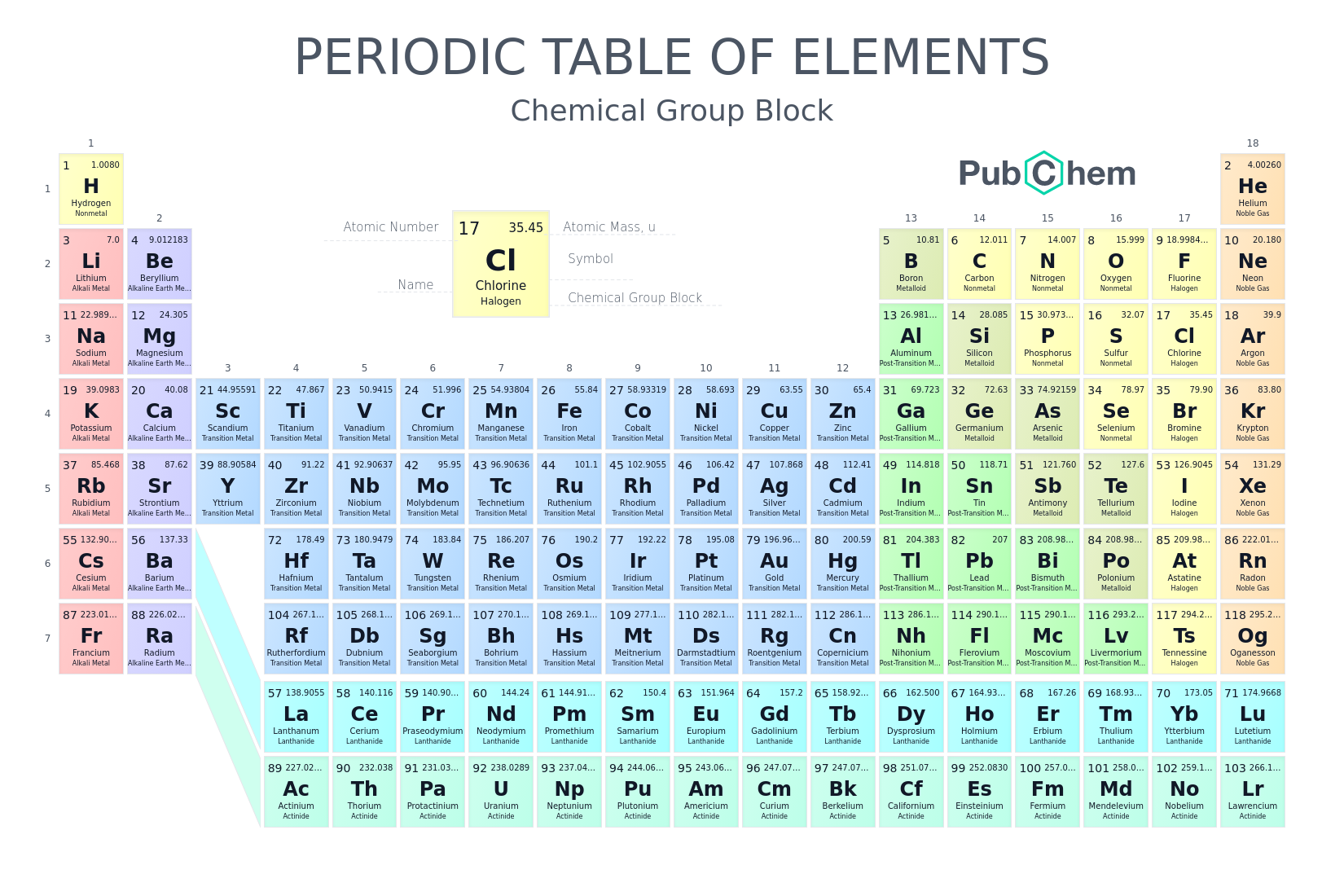
When we ask “what are the periodic elements,” the answer depends entirely on the lens through which we view them. To a chemist, they are the building blocks of matter. To a tech visionary, they are the ingredients of innovation. We have moved into an era where software excellence is limited by hardware capability, and hardware capability is defined by our mastery of the periodic table.
The future of technology—whether it is the expansion of AI, the transition to green energy, or the birth of quantum networking—will be written in the language of elements. Silicon, Lithium, Neodymium, and Gallium are the unsung heroes of our digital age. For tech professionals and enthusiasts alike, recognizing the importance of these physical foundations is key to understanding the trends, risks, and opportunities of the digital future. Our “cloud” may seem ethereal, but it is firmly anchored in the heavy, complex, and fascinating world of the periodic elements.
aViewFromTheCave is a participant in the Amazon Services LLC Associates Program, an affiliate advertising program designed to provide a means for sites to earn advertising fees by advertising and linking to Amazon.com. Amazon, the Amazon logo, AmazonSupply, and the AmazonSupply logo are trademarks of Amazon.com, Inc. or its affiliates. As an Amazon Associate we earn affiliate commissions from qualifying purchases.