
The term “Pentateuch,” derived from the Greek “penta” (five) and “teuchos” (vessel or scroll), refers to the first five books of the Hebrew Bible: Genesis, Exodus, Leviticus, Numbers, and Deuteronomy. While traditionally understood as sacred texts detailing the origins of the world, humanity, and a specific covenantal people, these foundational narratives offer an unparalleled case study in enduring identity, values, and narrative cohesion – concepts central to effective brand strategy. When viewed through the lens of branding, the Pentateuch transcends its historical and religious context to become a powerful exemplar of how a comprehensive, consistent, and deeply embedded story can define, unite, and sustain a “brand” – in this instance, a cultural, spiritual, and communal identity – across millennia.
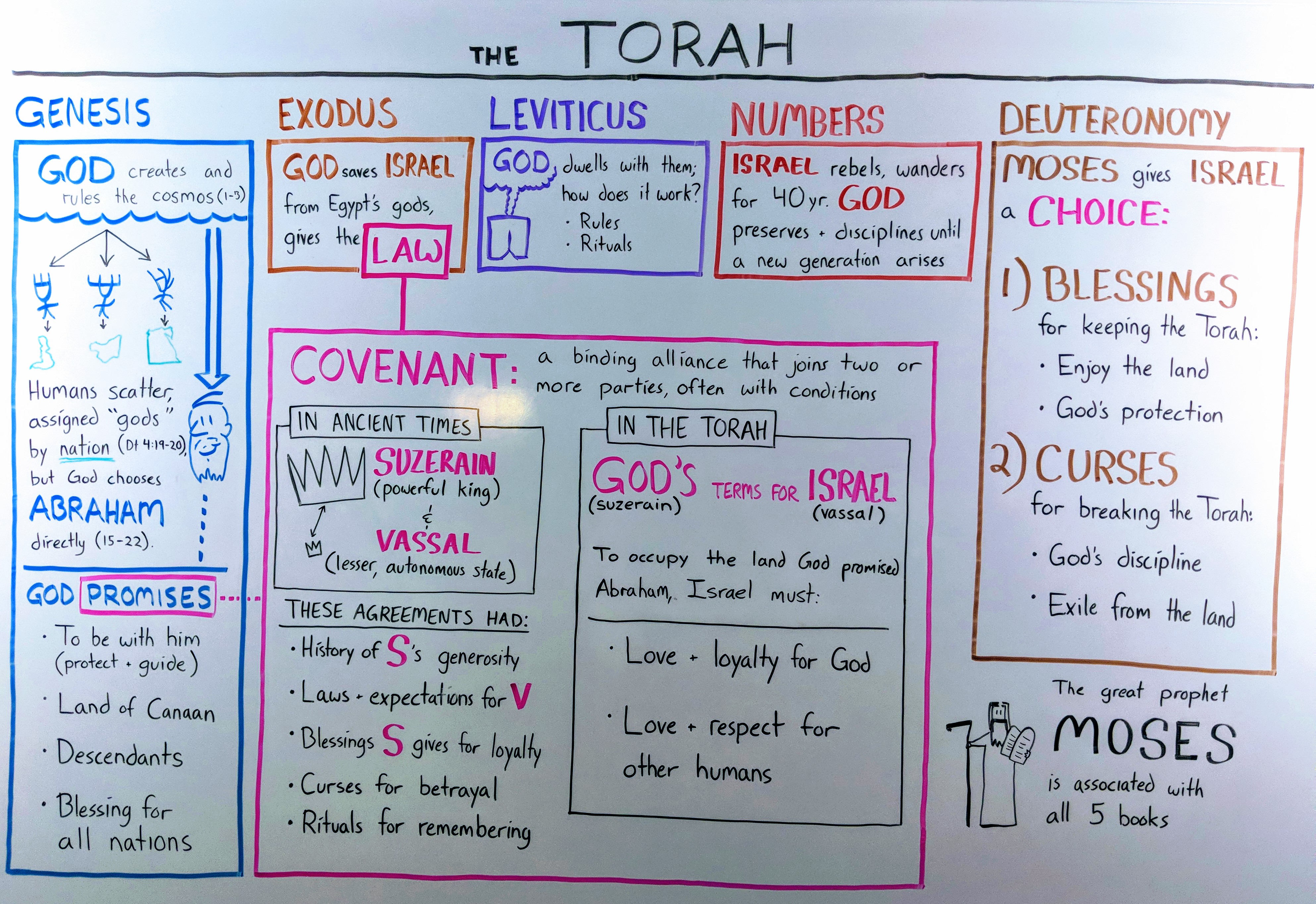
Modern branding is often distilled to creating a unique identity, communicating core values, and fostering a loyal community. Remarkably, the Pentateuch performs these functions with an efficacy that contemporary brand architects might envy. It meticulously crafts an origin story, articulates a mission, establishes an ethical framework, and dictates a future vision, all woven into a compelling narrative that has shaped civilizations and personal identities for thousands of years. Far from being a mere collection of ancient laws and tales, the Pentateuch, from a branding perspective, represents a meticulously constructed “brand manual” that has successfully weathered the storms of history, cultural shifts, and countless reinterpretations, all while retaining its fundamental resonance and power.
The Pentateuch as a Master Brand Narrative: Establishing Identity and Origin
Every compelling brand begins with an origin story, a foundational narrative that explains its existence, purpose, and unique value proposition. The Pentateuch, particularly through Genesis and Exodus, provides precisely this for a collective identity, crafting a “master brand narrative” that is both epic in scope and deeply personal in its implications.
Genesis: Crafting the Origin Story and Core Vision
Genesis, meaning “beginning,” serves as the ultimate origin story. It lays the groundwork for the entire narrative that follows, much like a company’s founding myth or a brand’s initial vision statement. It details creation ex nihilo, establishing a divine architect and a purposeful universe. This cosmic origin immediately imbues the subsequent narrative with profound significance and authority. For any brand, establishing a clear, compelling origin story is crucial for differentiation and emotional connection. Genesis achieves this by not just explaining how things came to be, but why they matter.
Furthermore, Genesis introduces the patriarchs – Abraham, Isaac, Jacob – whose personal stories become metaphors for the brand’s journey. Their struggles, covenants, and promises establish the core “DNA” of the brand: a chosen lineage, a promised land, and a unique relationship with the divine. These narratives establish a clear “brand promise” of blessing, progeny, and destiny. In a brand context, this is equivalent to defining the company’s core values, its unique promise to its customers, and the aspirational vision it aims to achieve. The character arcs of the patriarchs, with their flaws and triumphs, add depth and relatability, making the “brand” feel human and accessible, despite its grand scope. This initial section effectively sets the tone, scope, and foundational elements of a narrative identity designed for long-term endurance.
Exodus: Defining the Brand’s Mission and Liberation
Following the foundational narrative of Genesis, Exodus pivots to defining the “brand’s” mission and purpose through the epic story of liberation. Just as a brand identifies a problem it aims to solve or a need it aims to fulfill, Exodus presents a people enslaved and the dramatic intervention for their freedom. This narrative of liberation from bondage in Egypt becomes the defining “mission statement” for the emerging identity. It’s a powerful declaration of purpose: freedom, self-determination, and the establishment of a distinct way of life.
The figure of Moses emerges as the primary “brand ambassador,” tasked with communicating the divine vision and leading the people. His encounters, challenges, and ultimate leadership are integral to solidifying the brand’s identity and direction. The miraculous events, such as the plagues and the parting of the Red Sea, serve as powerful “marketing campaigns” that demonstrate the brand’s unique power and authority. The journey through the wilderness is a period of intense “brand development” – trial, error, learning, and ultimately, the forging of a collective will. The giving of the Law at Mount Sinai, in particular, transcends mere legislation; it’s the articulation of a comprehensive “brand guideline” that governs conduct, relationships, and aspirations, solidifying the unique identity formed through the exodus experience. It clearly defines what the brand stands for and how its members are expected to behave, establishing a crucial framework for consistency and recognition.
Shaping Brand Values and Ethical Frameworks Through Ancient Laws
Beyond the grand narratives of origin and liberation, the Pentateuch delves into the meticulous details of establishing and maintaining the brand’s internal coherence and external reputation. This is achieved through the extensive legal and ritual codes found primarily in Leviticus, Numbers, and Deuteronomy, which function as the “ethical frameworks” and “brand guidelines” for the nascent community.
Leviticus and Numbers: The Blueprint for Brand Conduct and Community Standards
Leviticus, often perceived as a dense compilation of laws, is, from a branding perspective, a meticulous “operations manual” for the brand’s internal functioning and external presentation. It defines the standards of holiness, purity, and ethical conduct required of the community and its leadership. These laws, encompassing everything from dietary restrictions to sacrificial rituals, are not arbitrary; they are designed to differentiate the community, reinforce its unique identity, and ensure a consistent standard of behavior. This is analogous to a brand establishing stringent quality control, ethical sourcing, and specific operational procedures to maintain its integrity and reputation.
Similarly, Numbers continues this work, detailing the organization of the community, census counts, and the trials and errors of their journey. It outlines responsibilities, defines roles, and establishes protocols for maintaining order and addressing challenges. For any robust brand, internal structure, clear responsibilities, and effective crisis management are paramount. The challenges faced in Numbers – rebellions, murmuring, and external threats – serve as “case studies” in maintaining brand cohesion and leadership during adversity, offering lessons in resilience and adaptation within the defined framework. The meticulous attention to detail in these books underscores the importance of a comprehensive and consistently applied set of standards for any brand seeking to establish credibility and longevity.
Deuteronomy: Reinforcing Core Brand Principles and Future Vision

Deuteronomy, meaning “second law,” acts as a powerful “re-branding” or “re-launch” document, delivered as a series of sermons by Moses before the people enter the Promised Land. It doesn’t introduce entirely new laws but rather reiterates, expands upon, and re-emphasizes the core principles and values established in the preceding books. This act of repetition is a classic branding technique: reinforcing key messages to ensure deep internalization and unwavering commitment. It serves to remind the audience of their origin, their mission, and their covenantal obligations.
Crucially, Deuteronomy also looks forward, outlining the “future vision” and long-term implications of adhering to the brand’s principles. It presents a clear choice between blessing and curse, prosperity and adversity, depending on the community’s faithfulness to its core identity and values. This prophetic vision acts as a powerful motivator, tying current actions to future outcomes – a strategy employed by brands that articulate a compelling future state for their customers or stakeholders. By consolidating, reiterating, and casting a vision for the future, Deuteronomy ensures that the brand’s message is not only remembered but also embraced as a guiding force for generations to come, providing a sense of purpose and direction that transcends immediate circumstances.
The Legacy Brand: Enduring Influence and Adaptability Across Millennia
The true test of any brand lies in its longevity and its ability to remain relevant and resonant across changing times and diverse audiences. The Pentateuch, as a “legacy brand,” offers a masterclass in achieving this enduring influence. Its continued study, interpretation, and application over thousands of years speak volumes about its robust foundational design and inherent adaptability.
Unwavering Identity: Maintaining Brand Cohesion Through Time
Despite countless historical upheavals, diasporas, and cultural shifts, the core identity established by the Pentateuch has remarkably endured. This unwavering identity is a testament to the clarity and power of its foundational narratives and ethical framework. The stories of creation, the exodus, and the giving of the Law have provided a consistent anchor, allowing diverse communities to identify with a common heritage and purpose. This is akin to a global brand maintaining its core essence and values even as it adapts its messaging and products for different markets.
The Pentateuch’s strength lies in its ability to offer both a stable, immutable core and a rich tapestry of narratives that allow for varied interpretations and applications. This balance is critical for any legacy brand: to be both timeless and timely. The consistent focus on themes such as covenant, justice, community, and the relationship with the divine provides a universal appeal, ensuring that the “brand” remains coherent and recognizable even as its “consumers” (adherents, scholars, cultural observers) evolve their understanding and engagement. The deep integration of these narratives into ritual, law, and everyday life ensures that the brand’s identity is not merely abstract but lived, reinforcing its cohesion through active participation.
Reinterpretation and Resonance: The Brand’s Adaptability to New Audiences
One of the most striking features of the Pentateuch’s endurance as a brand is its capacity for endless reinterpretation and resonance across new audiences and historical contexts. From ancient rabbinic commentaries to medieval philosophical treatises, and from modern critical scholarship to contemporary spiritual movements, the texts have been continually revisited, re-analyzed, and re-applied. This adaptability is key for any brand hoping to avoid obsolescence. The narratives and laws are sufficiently rich and multi-layered to allow for fresh insights and applications, enabling the “brand” to speak to new generations without fundamentally altering its core message.
This dynamic engagement ensures that the Pentateuch remains a living, evolving “brand” rather than a static relic. Its themes of journey, redemption, ethical living, and the search for meaning are universal and timeless, allowing different cultures and eras to find their own reflections within its stories. Like a master brand that successfully expands its product lines or enters new markets, the Pentateuch’s ability to resonate with diverse interpretive communities demonstrates its profound strategic design for long-term cultural impact and sustained relevance. The open-ended nature of its moral and theological questions encourages ongoing dialogue, ensuring continuous engagement and reaffirmation of its significance.
Beyond the Text: The Pentateuch as a Cultural and Personal Brand Anchor
The impact of the Pentateuch extends far beyond its textual boundaries, acting as a powerful “brand anchor” that has profoundly shaped cultural norms, legal systems, philosophical thought, and individual identities across vast swathes of human history. Its influence is not just on specific religious communities but on the broader “market” of global civilization.
Impact on Diverse “Stakeholders”: Shaping Worldviews and Narratives
The narratives and ethical principles of the Pentateuch have permeated the very fabric of Western civilization and beyond, impacting diverse “stakeholders” including legal systems (e.g., the concept of universal law, justice), political philosophies (e.g., ideas of covenantal nationhood, individual rights), and artistic expressions (e.g., countless works of literature, art, and music drawing on its stories). These texts have provided fundamental building blocks for understanding human nature, morality, and the relationship between humanity and the divine.
This broad influence is characteristic of a truly successful mega-brand that transcends its original category to become a cultural touchstone. Like a brand that establishes market leadership and then influences industry standards, the Pentateuch has set benchmarks for narrative storytelling, ethical reasoning, and communal organization that have been adopted, adapted, or reacted against by countless subsequent traditions. Its profound impact demonstrates its capacity to serve as a foundational narrative from which numerous other “sub-brands” (denominations, philosophical schools, artistic movements) have derived inspiration and meaning, each acknowledging its enduring presence.
The “Brand Experience”: Rituals, Symbols, and Collective Memory
Finally, the Pentateuch provides a rich array of “brand experiences” that reinforce its identity and foster deep loyalty among its adherents. Rituals, festivals, symbols, and shared practices derived from these texts create immersive experiences that go beyond intellectual understanding, forging emotional connections and strengthening communal bonds. From the weekly observance of Sabbath to annual festivals commemorating key events from the Exodus, these practices create a consistent “customer journey” that reinforces the brand’s narrative and values.
These collective experiences are vital for building a strong brand community and ensuring the transmission of its identity across generations. They transform abstract concepts into lived realities, embedding the brand’s story and values into the collective memory and individual psyche. The symbols, such as the Ark of the Covenant or the menorah, become powerful visual shorthand for the brand’s identity, recognizable even to those outside the immediate community. In essence, the Pentateuch has not merely offered a narrative; it has provided a comprehensive framework for a way of life, complete with its own unique “brand culture,” ensuring its deep and lasting impact as an unparalleled model of enduring brand foundational storytelling.
aViewFromTheCave is a participant in the Amazon Services LLC Associates Program, an affiliate advertising program designed to provide a means for sites to earn advertising fees by advertising and linking to Amazon.com. Amazon, the Amazon logo, AmazonSupply, and the AmazonSupply logo are trademarks of Amazon.com, Inc. or its affiliates. As an Amazon Associate we earn affiliate commissions from qualifying purchases.