
In the world of finance, from corporate boardrooms to investment committees and shareholder assemblies, the meticulous art of decision-making is paramount. While often associated with legislative bodies, “parliamentary procedures” — a codified set of rules for conducting meetings — are indispensable tools that ensure fairness, efficiency, and transparency in financial governance. Far from being archaic relics, these procedures, most notably encapsulated in systems like Robert’s Rules of Order, provide a structured framework for deliberation, debate, and the ultimate allocation of capital and resources. For any entity dealing with money – be it a public company, a non-profit investment fund, or a startup seeking funding – understanding and applying these procedures is critical for sound financial management, investor confidence, and long-term stability.

The Financial Imperative: Structured Decision-Making in Business Finance
The financial health and trajectory of any organization are direct reflections of its decisions. Without a clear, agreed-upon method for making these decisions, chaos can ensue, leading to wasted resources, missed opportunities, and erosion of trust. This is where parliamentary procedures become a cornerstone of robust business finance. They establish a common language and set of expectations for how ideas are introduced, discussed, amended, and ultimately voted upon.
Ensuring Fiduciary Responsibility Through Formal Processes
Fiduciary responsibility is the legal and ethical obligation to act in the best interests of another party. In business finance, this primarily applies to boards of directors and financial committees, who are entrusted with managing shareholder assets and company funds. Parliamentary procedures serve as a vital mechanism for upholding this responsibility. By mandating a structured approach to discussions and votes, they ensure that:
- All relevant information is presented and considered: Motions must be clearly stated, often requiring supporting documentation or financial reports to be distributed in advance.
- Diverse perspectives are heard: Rules of debate allow for multiple speakers on both sides of an issue, preventing dominant voices from railroading decisions.
- Decisions are traceable and accountable: Minutes, a formal record of proceedings, document who made what motion, who seconded it, and the outcome of votes. This paper trail is crucial for audits, regulatory compliance, and demonstrating due diligence to investors.
- Conflicts of interest are managed: Procedures often include mechanisms for members with potential conflicts to declare them and, if necessary, recuse themselves from discussions or votes, protecting the integrity of financial decisions.
The Role of Boards and Committees in Financial Oversight
Boards of directors, audit committees, compensation committees, and investment committees are central to a company’s financial governance. These bodies are tasked with overseeing financial reporting, approving budgets, setting investment policies, managing executive compensation, and ensuring compliance with financial regulations. Their effectiveness hinges on their ability to conduct business efficiently and equitably. Parliamentary procedures facilitate this by:
- Defining roles and powers: Procedures clarify who presides, who can make motions, and what constitutes a quorum, ensuring meetings are legitimate and effective.
- Managing complex agendas: They provide a systematic way to move through a lengthy agenda, prioritizing urgent financial matters and ensuring all items receive appropriate attention.
- Resolving disputes constructively: When disagreements arise over financial strategies or expenditures, the rules provide a fair process for debate, amendments, and voting, preventing stalemates and fostering consensus or a clear majority decision. This is especially critical when billions in capital or future financial stability are at stake.
Parliamentary Procedures in Investment Committees and Shareholder Meetings
Beyond routine board functions, parliamentary procedures play an especially critical role in settings directly related to capital and investment decisions. The stakes here are often incredibly high, impacting investor returns, market valuation, and public trust.
Guiding Capital Allocation and Portfolio Strategy
Investment committees, whether for a pension fund, endowment, mutual fund, or corporate treasury, face the daunting task of allocating significant capital. Their decisions, from asset allocation strategies to individual investment approvals, have direct financial consequences. Parliamentary procedures aid these committees by:
- Standardizing proposal review: Requiring formal motions for investment proposals ensures they are properly introduced, debated, and voted upon, preventing ad-hoc or poorly vetted decisions.
- Facilitating due diligence: The structured debate allows committee members to ask critical questions, request additional financial analyses, and scrutinize risk assessments before committing funds.
- Ensuring strategic alignment: By providing a framework for discussing and voting on strategy documents, procedures help ensure that all investment decisions align with the fund’s mandate, risk tolerance, and long-term financial objectives. For instance, a motion to increase exposure to emerging markets would undergo rigorous debate under procedural rules, considering financial forecasts, geopolitical risks, and potential returns.
Protecting Shareholder Interests and Transparency
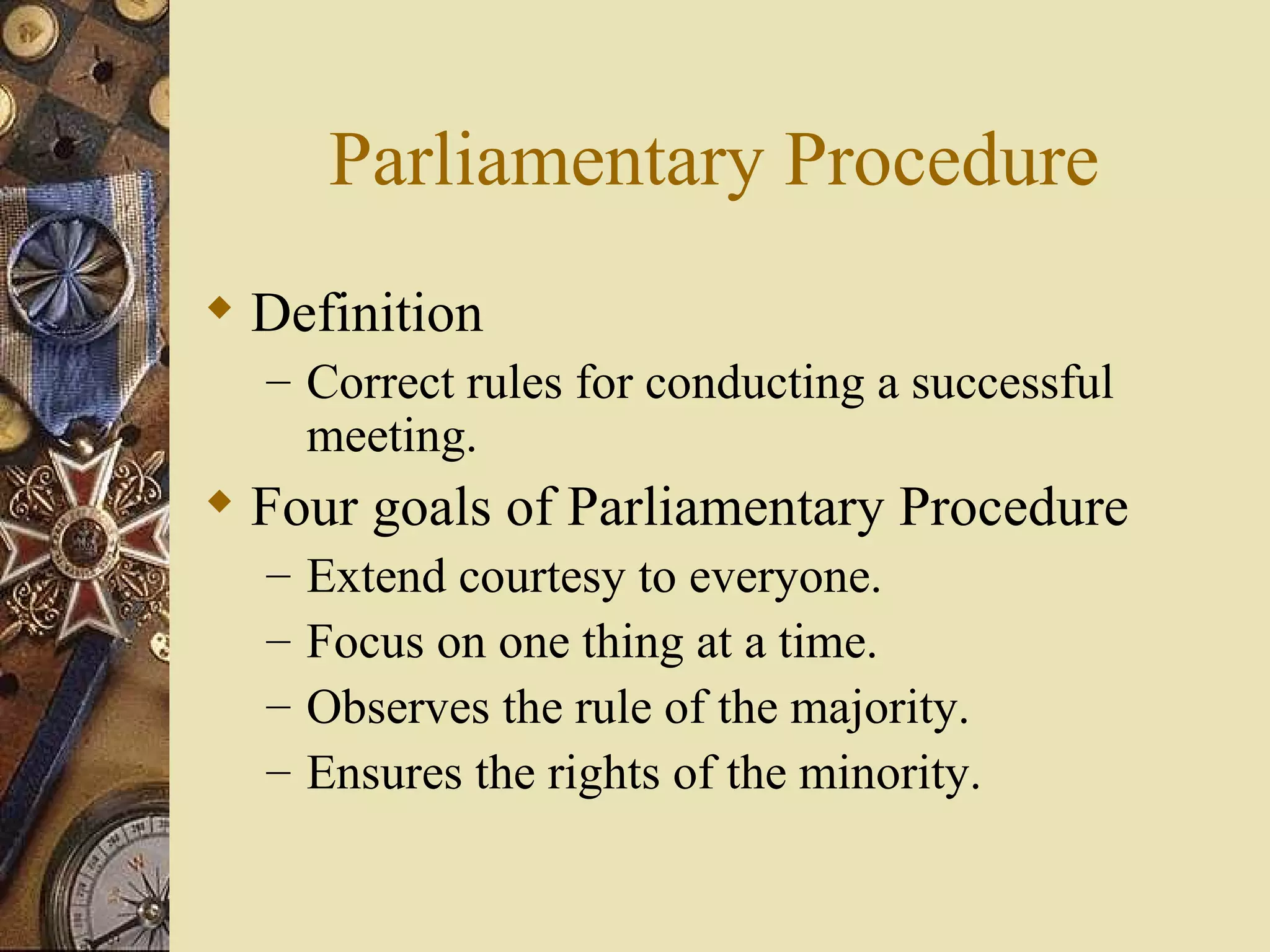
Shareholder meetings are the ultimate democratic forum in corporate finance, where owners exercise their rights, approve major financial transactions, elect directors, and vote on critical corporate resolutions. Parliamentary procedures are essential here for:
- Empowering shareholders: They give shareholders a clear avenue to propose resolutions, ask questions of management and the board, and voice concerns about financial performance, executive compensation, or corporate governance.
- Ensuring fair voting: Procedures dictate how votes are cast and counted, guaranteeing the integrity of the election of directors and approval of financial proposals.
- Promoting transparency: The public nature of these meetings, governed by established rules, means that financial decisions and the rationale behind them are open to scrutiny by all stakeholders, fostering trust and accountability. This transparency is crucial for maintaining market confidence and attracting investment. Mismanagement of shareholder meetings, particularly concerning financial resolutions, can lead to significant investor backlash and reputational damage.
Mitigating Financial Risk Through Robust Governance
Effective financial governance is fundamentally about risk mitigation. Poorly managed meetings, lacking structure and fairness, can inadvertently create or exacerbate financial risks by allowing hasty decisions, suppressing dissent, or enabling undue influence. Parliamentary procedures act as a critical control mechanism.
Due Diligence and Deliberate Financial Policy
Every significant financial decision—from acquiring a new company to issuing debt or restructuring assets—requires extensive due diligence. Procedures ensure that this process is not rushed or incomplete.
- Structured Information Review: Motions for major financial policies often require detailed reports, financial models, and legal opinions to be presented and discussed. The procedural rules dictate that sufficient time is allotted for members to absorb and critique this information.
- Preventing Impulsive Decisions: By requiring motions, seconds, debate, and a formal vote, parliamentary procedures build in necessary checks and balances, preventing individuals or small factions from making impulsive decisions that could have catastrophic financial implications. This structured deliberation is especially valuable when considering high-value mergers, acquisitions, or divestitures.
- Recording Dissent: If a decision is made against the advice of some members, procedural rules allow for dissent to be recorded in the minutes, offering a layer of protection and future accountability should the decision lead to negative financial outcomes.
Avoiding Mismanagement: Lessons from Procedural Adherence
History is replete with examples of financial crises and corporate scandals that can, in part, be traced back to a breakdown in governance and a disregard for established procedures.
- The Enron Collapse: While multifaceted, a lack of transparent financial reporting and a board that failed in its oversight duties through an inadequate procedural framework contributed significantly to the scandal. A more robust application of parliamentary principles in board meetings could have forced greater scrutiny of complex financial structures and related-party transactions.
- Subprime Mortgage Crisis: While not solely a procedural failure, the lack of rigorous debate and oversight in approving certain financial products and risk models by various financial institutions’ governance bodies played a role. Hasty decisions driven by short-term profits, without thorough procedural vetting, amplified systemic risk.
Conversely, organizations known for their strong financial performance and ethical conduct often share a common trait: meticulous adherence to governance procedures. These firms understand that a well-run meeting, where every financial decision is subject to structured debate and fair voting, is a powerful bulwark against mismanagement and a cornerstone of sustained financial success.
Financial Tools and Transparency: How Procedures Enhance Accountability
In an era of increasing regulatory scrutiny and investor activism, transparency and accountability are non-negotiable for financial entities. Parliamentary procedures, when properly implemented, become essential tools for demonstrating and reinforcing these values.
Beyond Compliance: Building Investor Confidence
While compliance with financial regulations is mandatory, genuine investor confidence stems from a deeper sense of trust in an organization’s governance. Procedures contribute significantly to this by:
- Creating Predictability: Investors appreciate organizations that operate with clear, predictable decision-making processes, especially concerning financial matters. This predictability reduces perceived risk and enhances the organization’s attractiveness as an investment.
- Demonstrating Ethical Conduct: The structured and fair nature of parliamentary procedures signals an organization’s commitment to ethical conduct and good governance, which are increasingly important factors for environmentally, socially, and governance (ESG)-conscious investors.
- Facilitating Engagement: For financial tools like proxy voting platforms or virtual meeting software, the underlying parliamentary rules dictate how these tools are used to facilitate shareholder engagement and ensure their votes are validly cast and recorded, further bolstering confidence.
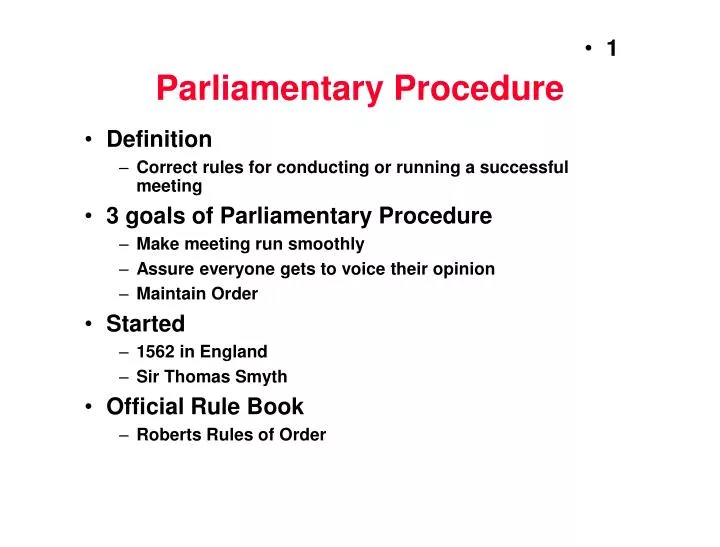
The Long-Term Impact on Business Valuations
Ultimately, the adherence to sound parliamentary procedures can have a tangible impact on a business’s valuation.
- Reduced Governance Risk Premium: Companies with strong governance, evidenced by transparent and well-managed decision-making processes, are often viewed as less risky by investors. This can lead to a lower governance risk premium, effectively lowering the cost of capital and increasing the company’s valuation.
- Improved Access to Capital: Lenders and investors are more likely to provide capital to organizations that demonstrate robust internal controls and decision-making structures, knowing their investments are better protected.
- Enhanced Reputation and Brand Value: While “brand” is not the direct focus here, a strong reputation for financial integrity and effective governance, built on consistent procedural adherence, indirectly enhances brand value, which in turn can positively influence stock prices and market perception. This underscores that while parliamentary procedures might seem like mere administrative details, they are, in fact, foundational to the financial health, reputation, and long-term success of any entity managing money.