
In the evolving landscape of the modern economy, the traditional 40-hour workweek is no longer the sole standard for financial stability. Whether you are an entrepreneur launching a side hustle, a student managing tuition costs, or a professional seeking to diversify your income streams, the concept of “part-time” work is central to your financial strategy. However, a common question arises for both employees and self-employed individuals: what are the minimum hours for a part-time job?
While the question seems simple, the answer is multifaceted, involving federal regulations, corporate policies, and the strategic optimization of one’s personal finance portfolio. Understanding these nuances is essential for anyone looking to maximize their earning potential without overcommitting their most valuable asset—time.
The Financial and Legal Landscape of Part-Time Hours
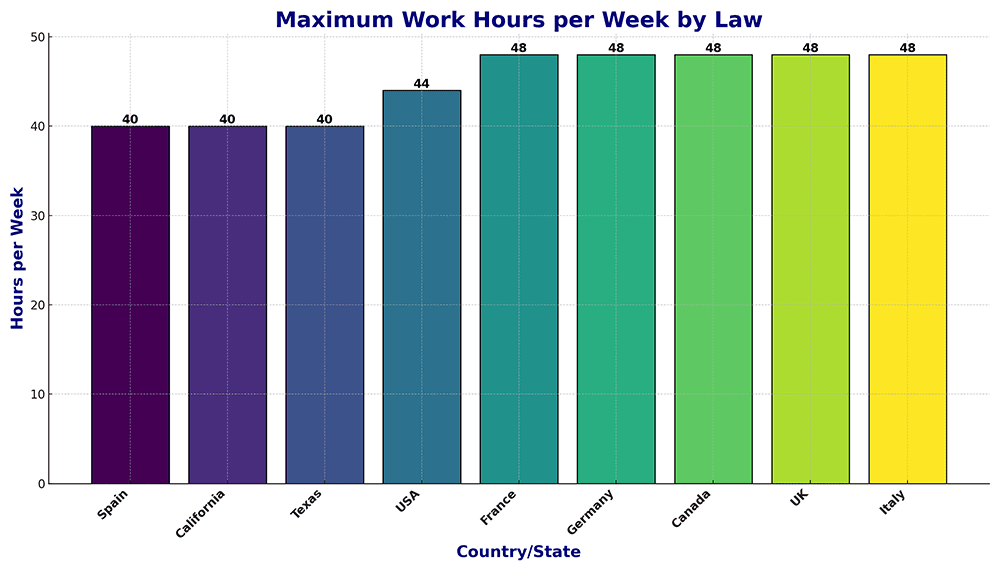
To navigate the world of part-time employment, one must first understand that “part-time” is often a fluid term defined more by what it is not than by what it is. From a strictly legal standpoint in the United States, the Fair Labor Standards Act (FLSA) does not define “full-time” or “part-time” employment. This lack of a federal minimum or maximum means that the definition is generally left to the discretion of the employer.
The Impact of the Affordable Care Act (ACA)
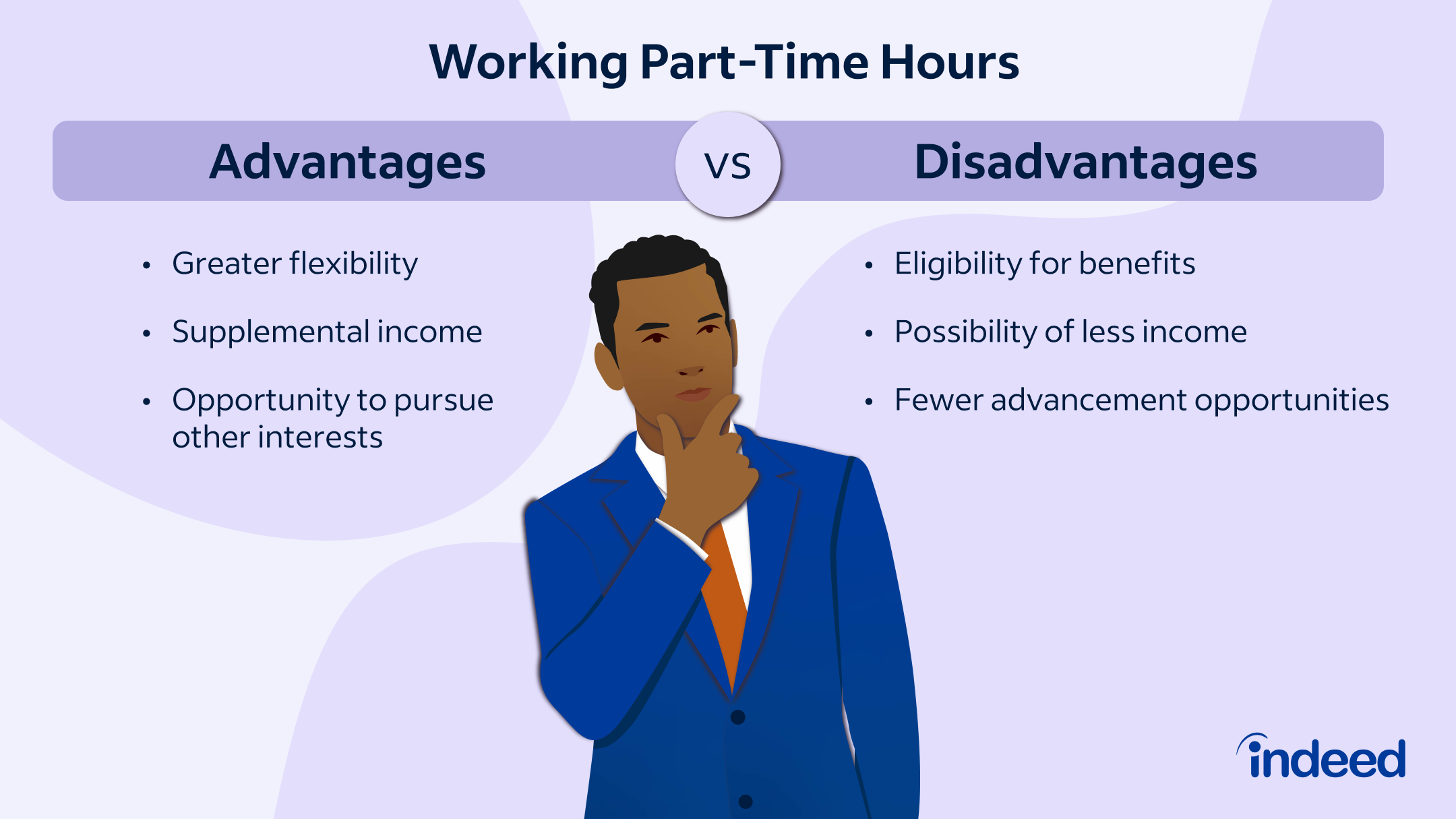
While the FLSA is silent, the Affordable Care Act (ACA) provides a critical financial benchmark. For the purposes of the employer shared responsibility provisions, a full-time employee is defined as someone who works an average of at least 30 hours per week. Consequently, many businesses set their part-time ceiling at 29 hours to manage benefit costs. For the worker, this creates a “financial threshold” where working 20 versus 30 hours has massive implications for total compensation packages, including health insurance and 401(k) matching.
State-Specific Regulations and Minimums
Though federal law is flexible, certain states have implemented specific guidelines that impact part-time workers. Some jurisdictions require a minimum number of hours to be scheduled if an employee is called into work (often referred to as “reporting time pay”). Financially, this protects the worker from “short-shifting,” where the cost of commuting might actually exceed the wages earned during a two-hour stint.
Industry Standards and Corporate Policy
Most corporate entities define part-time work within their own employee handbooks. Commonly, this ranges from 15 to 35 hours per week. From a personal finance perspective, it is vital to identify these internal benchmarks early. If a company requires a minimum of 20 hours for an employee to be eligible for a 401(k) or a stock options plan, working 19 hours represents a significant loss in long-term wealth-building potential.
Strategic Allocation: Balancing Minimum Hours and Maximum ROI
When viewing part-time work through the lens of personal finance, the goal isn’t just to find “any” job; it’s to find the most efficient use of your time. This involves calculating the Return on Investment (ROI) for every hour worked.
Calculating the “True” Hourly Rate
A part-time job with a minimum requirement of 10 hours a week might seem like an easy win, but the financial reality depends on “leakage.” This includes commuting costs, work-related attire, and the opportunity cost of what you could be doing with those hours instead. If you are earning $20 an hour but spend an hour commuting and $10 on gas, your “true” rate for a four-hour shift drops significantly. Strategic earners look for roles that minimize these overheads, often favoring remote part-time work or roles with longer, fewer shifts.
The Opportunity Cost of Low-Hour Commitments
In the world of investing and business finance, opportunity cost is the loss of potential gain from other alternatives when one alternative is chosen. If a part-time job requires a minimum of 15 hours a week but pays a flat wage, those are 15 hours you cannot spend on a scalable side hustle or professional development. For those focused on aggressive financial growth, the “minimum” hours of a job should be weighed against the potential “maximum” growth of a self-directed business venture.
Leveraging Benefits for Part-Time Roles
Some “big box” retailers and national chains have become famous in the personal finance community for offering benefits to part-time workers who hit a specific hourly minimum (often 20 hours). For a freelancer or an early-stage entrepreneur, taking a part-time job specifically to hit that 20-hour minimum for health insurance can be a brilliant financial move. It provides a “safety net” that allows the rest of their time to be spent on high-risk, high-reward business activities.
The Gig Economy and Side Hustles: When One Hour is Enough
In the niche of online income and side hustles, the traditional concept of “minimum hours” is being dismantled. The digital economy allows for “micro-working,” where the minimum commitment is often just the completion of a single task.
The Shift Toward Task-Based Income
Platforms for freelance writing, coding, or digital design allow individuals to dictate their own minimums. In this model, the “minimum hours” are whatever is required to maintain the account’s rating or fulfill a contract. From a business finance perspective, this is a highly efficient model. You are not paid for “being there”; you are paid for “producing.” This allows for a much higher effective hourly rate if you are skilled and efficient.
Managing Variable Income and Taxation
The downside of working very few hours in a gig capacity is the complexity of financial management. When you don’t have a set 20-hour-a-week schedule, your income becomes volatile. Furthermore, self-employed part-time workers must account for the self-employment tax (15.3% in the US). Financial experts suggest that if you are working minimum hours in the gig economy, you should be setting aside at least 25-30% of every dollar for taxes to avoid a year-end financial crisis.
Scalability vs. Maintenance
When deciding on the minimum hours for a side hustle, one must distinguish between “maintenance hours” and “growth hours.” Maintenance hours are the minimum needed to keep the business running (answering emails, basic admin). Growth hours are what actually increase your net worth. A successful financial strategy involves automating maintenance hours to keep that “minimum” as low as possible, freeing up time for high-value activities.
Business Finance: Why Employers Set Minimum Hour Thresholds
To understand the employee side, one must understand the employer’s financial logic. Why won’t a company hire someone for just five hours a week? The answer lies in the fixed costs of employment.
Onboarding and Administrative Overhead
Every employee, regardless of hours worked, carries an administrative cost. This includes payroll processing, software licenses, training time, and tax filings. From a business finance perspective, an employee who only works five hours a week may never generate enough productivity to cover their own administrative “burn rate.” Most businesses find the “break-even” point for part-time staff is between 15 and 20 hours per week.
The Cost of Turnover and Training
Training is an investment. If a company spends 40 hours training a new hire, and that hire only works 10 hours a week, it takes a full month just to recoup the training time. Businesses set minimum hour requirements to ensure they get a return on that initial investment. As a savvy worker, understanding this allows you to negotiate. If you can prove you require zero training or bring your own “tools” (in the case of contractors), you can often negotiate for lower minimum hours.
Retention and Team Cohesion
From a management and branding perspective, employees who work very few hours are often less “engaged” with the corporate identity. High turnover is expensive. Businesses often set a minimum hour requirement (like 16 or 20 hours) to ensure the employee remains integrated into the company culture and workflow, which ultimately protects the company’s bottom line by reducing the costs associated with constant rehiring.
Designing Your Financial Future with a Part-Time Framework
Ultimately, determining the “minimum hours” for a part-time job is a personal financial decision that should align with your long-term goals. Whether you are looking to supplement a primary income or build a diversified portfolio of “micro-jobs,” the strategy remains the same: efficiency is king.
Diversification of Income Streams
The most financially secure individuals often don’t rely on one 40-hour-a-week source of income. Instead, they might have a 25-hour-a-week “anchor” job that provides benefits and steady cash flow, supplemented by 10 hours of high-rate freelance work and 5 hours of passive income management. In this scenario, the “minimum hours” of the anchor job are the foundation of the entire financial house.
The Role of Passive Income
As you optimize your part-time hours, the goal should be to eventually transition some of those hours into passive income streams. Using the money earned from a 15-hour-a-week part-time job to invest in dividend-paying stocks or real estate trusts (REITs) is a classic wealth-building move. Over time, the “minimum hours” you are required to work for others will decrease as your capital begins to work for you.

Finding Your “Sweet Spot”
The ideal number of part-time hours is the point where your income meets your expenses and savings goals without triggering burnout or excessive tax liabilities. For some, that is a 10-hour-a-week consulting gig; for others, it is a 29-hour-a-week role with full benefits. By understanding the legal benchmarks, the employer’s costs, and your own ROI, you can navigate the world of part-time work not just as a “job seeker,” but as a strategic manager of your own financial future.
aViewFromTheCave is a participant in the Amazon Services LLC Associates Program, an affiliate advertising program designed to provide a means for sites to earn advertising fees by advertising and linking to Amazon.com. Amazon, the Amazon logo, AmazonSupply, and the AmazonSupply logo are trademarks of Amazon.com, Inc. or its affiliates. As an Amazon Associate we earn affiliate commissions from qualifying purchases.