
The global financial markets are a complex, interconnected tapestry, constantly shifting in response to a myriad of economic, political, and social forces. Understanding “what the markets are doing now” requires a nuanced look beyond simple headlines, delving into the underlying currents that shape asset valuations, investment strategies, and the broader economic outlook. At present, the financial landscape is characterized by a delicate balance of lingering inflationary pressures, evolving monetary policies, geopolitical tensions, and rapid technological advancements, all conspiring to create both challenges and opportunities for investors and businesses alike. Navigating this environment demands insight, adaptability, and a long-term perspective.
Navigating the Global Economic Currents
The fundamental backdrop to market activity is the global economic climate, which currently presents a picture of cautious optimism mixed with persistent uncertainties. Central banks worldwide have been the dominant players, grappling with the aftermath of post-pandemic stimulus and the subsequent surge in inflation. Their actions, particularly interest rate adjustments, are the primary levers influencing everything from consumer borrowing costs to corporate investment decisions.
A Tense Equilibrium: Inflation, Interest Rates, and Growth
For much of the recent past, the specter of inflation has loomed large over economies globally. After years of ultra-low rates and quantitative easing, supply chain disruptions, geopolitical events, and robust consumer demand propelled prices upward at rates not seen in decades. Central banks, notably the U.S. Federal Reserve, the European Central Bank, and the Bank of England, responded with aggressive interest rate hikes, aiming to cool demand and bring inflation back to target levels. This tightening cycle has had a significant impact: borrowing costs have risen across the board, making mortgages more expensive, hindering business expansion, and increasing the cost of government debt.
The challenge now is achieving a “soft landing” – bringing inflation down without triggering a severe recession. This delicate dance involves balancing the need to tame prices with the desire to preserve economic growth. Recent data suggests some success, with inflation cooling in many major economies, yet core inflation (excluding volatile food and energy prices) often remains stubbornly high. This creates a tense equilibrium, where markets constantly re-evaluate the likelihood of further rate hikes versus potential cuts, and how these decisions will impact corporate profitability and consumer spending power.
Geopolitical Ripple Effects on Global Trade and Supply Chains
Beyond monetary policy, geopolitical events continue to cast long shadows over market sentiment and real economic activity. Ongoing conflicts, trade disputes, and shifts in international alliances create significant uncertainties. For instance, the war in Ukraine has dramatically altered global energy and food markets, contributing to inflationary pressures and disrupting established supply chains. Similarly, tensions between major economic powers can lead to protectionist measures, tariffs, and restrictions on technology transfers, impacting multinational corporations and the flow of goods and services globally.
These geopolitical shifts necessitate a re-evaluation of supply chain resilience and strategic resource allocation. Companies are increasingly diversifying their sourcing and manufacturing footprints, a trend known as “de-risking” or “friend-shoring,” which can involve significant investment and impact profitability in the short to medium term. For investors, this means paying close attention to the geopolitical exposure of their portfolios and understanding how regional conflicts or trade policies could affect specific industries or national economies.
The Consumer’s Pulse: Spending Habits and Confidence
Ultimately, a significant driver of economic health is the consumer. Consumer spending typically accounts for a substantial portion of GDP in developed economies. Therefore, consumer confidence, wage growth, and employment levels are critical indicators for market watchers. While many labor markets have shown remarkable resilience post-pandemic, persistent inflation has eroded purchasing power for many households. Real wage growth (wages adjusted for inflation) has been stagnant or even negative in some sectors, leading to cautious spending habits.
Markets closely monitor retail sales data, consumer sentiment surveys, and personal savings rates to gauge the health of household balance sheets. A robust consumer can cushion the impact of higher interest rates, while a pullback in spending can quickly tip an economy towards contraction. The interplay between employment strength, inflation’s bite, and the availability of credit will continue to define the consumer’s role in guiding market movements.
A Deep Dive into Key Market Segments
The broad economic picture translates into specific performance across different asset classes and market segments. Each has its own drivers and sensitivities, offering distinct opportunities and risks for investors.
Equity Markets: Navigating Volatility and Sectoral Shifts
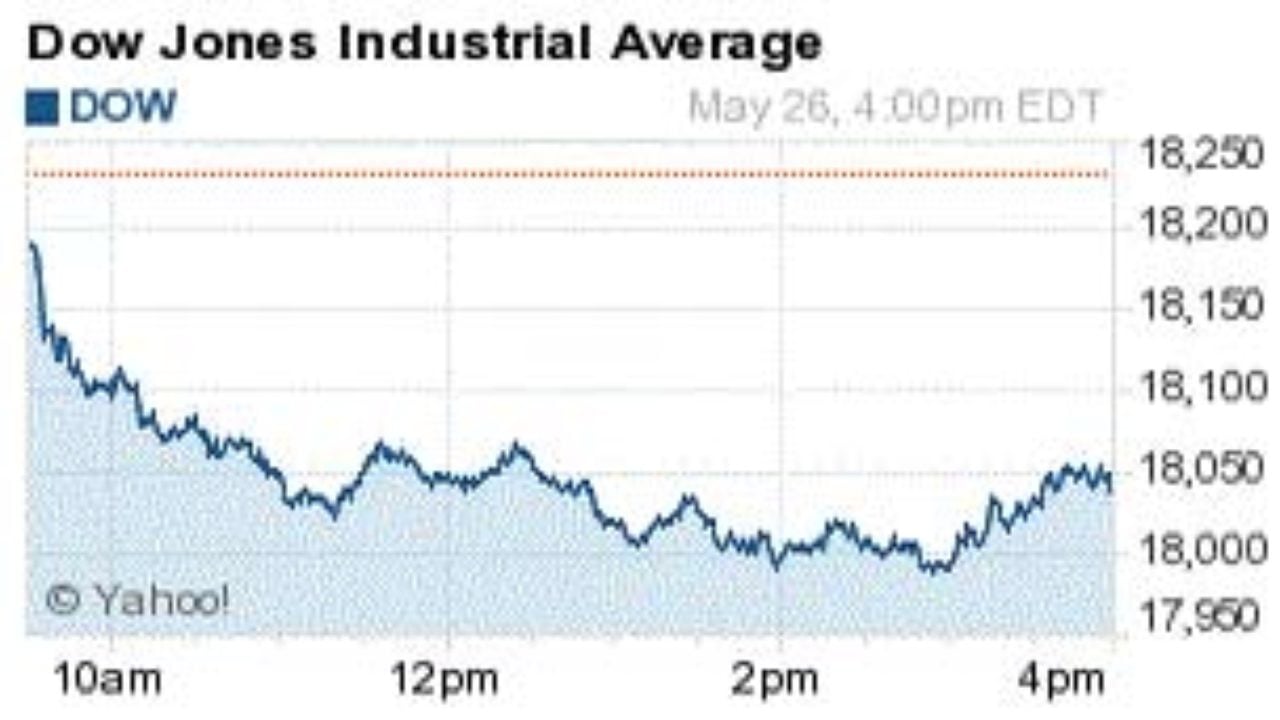
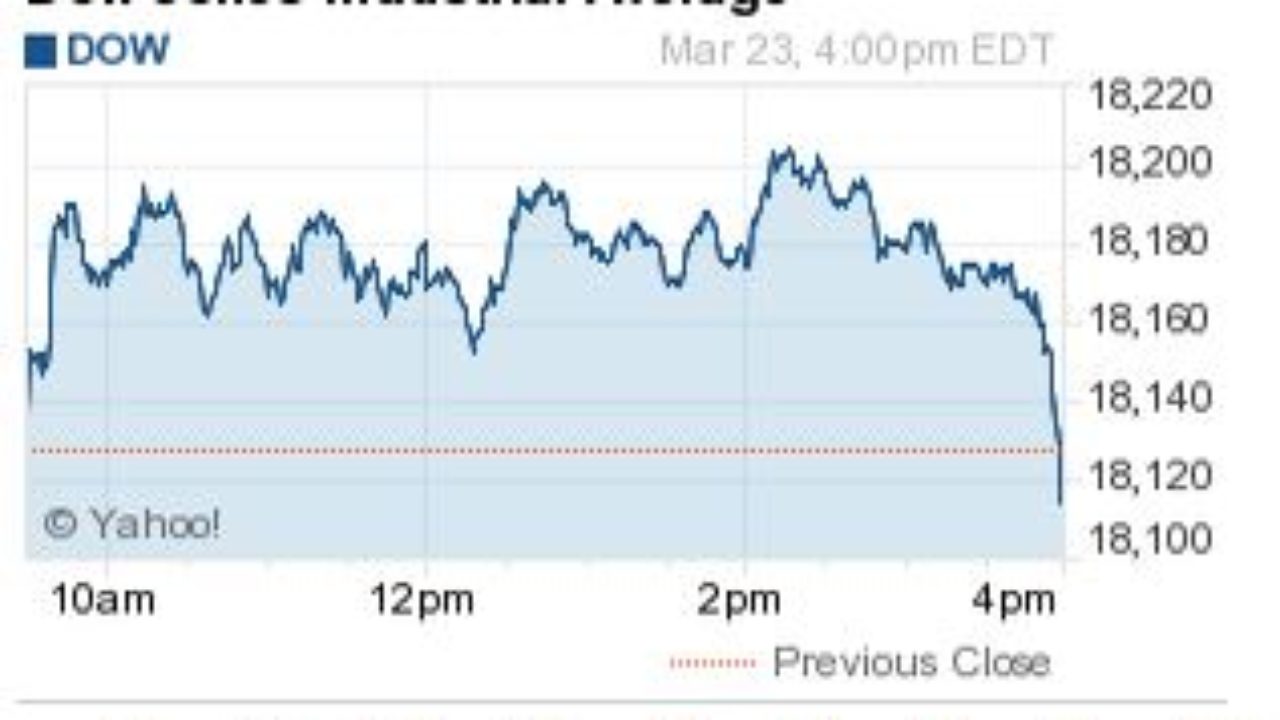
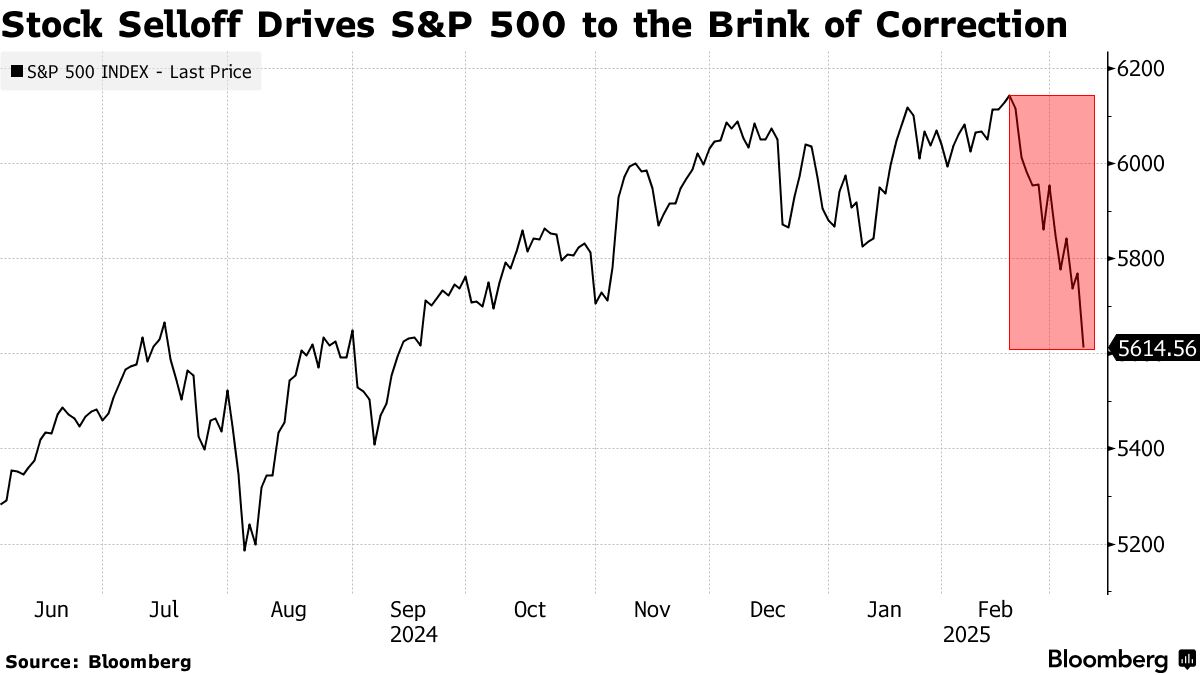
Equity markets, represented by major indices like the S&P 500, Dow Jones Industrial Average, and Nasdaq Composite, have experienced significant volatility. After a period of robust growth driven by low interest rates and strong corporate earnings, equities faced headwinds from rising rates, which make future earnings less valuable and increase the cost of capital for businesses. Higher rates also increase the attractiveness of less risky fixed-income investments, drawing capital away from stocks.
Within equities, there have been pronounced sectoral shifts. Technology stocks, which thrived during the pandemic due to accelerated digitalization and remote work trends, faced a reckoning as valuations were reassessed in a higher-rate environment. However, some segments of tech, particularly those involved in Artificial Intelligence (AI) and cloud computing, have shown renewed strength. Conversely, defensive sectors like utilities and consumer staples, which offer stable dividends and less cyclical earnings, often perform relatively better during economic slowdowns. Energy and materials sectors have been influenced heavily by commodity price fluctuations. Understanding these intra-market rotations is crucial for constructing a diversified equity portfolio.
Fixed Income: The Allure of Yields and Interest Rate Sensitivity
The fixed-income market, encompassing government bonds (like U.S. Treasuries), corporate bonds, and municipal bonds, has undergone a dramatic transformation. After years of historically low yields, the aggressive interest rate hikes by central banks have pushed bond yields significantly higher. This makes bonds more attractive to income-seeking investors, but it also means that existing bonds, issued at lower rates, have seen their market value decline.
The yield curve—the difference between short-term and long-term bond yields—is a critical indicator. An inverted yield curve, where short-term yields are higher than long-term yields, has historically been a reliable predictor of economic recessions. While inversions have occurred in recent times, the market remains divided on its precise predictive power in the current unique economic cycle. Investors in fixed income now face the dual consideration of attractive yields versus the ongoing sensitivity to central bank policy decisions and inflation expectations.
Commodities: Energy, Metals, and Agricultural Goods as Inflation Barometers
Commodities markets, spanning energy (oil, natural gas), industrial metals (copper, aluminum), precious metals (gold, silver), and agricultural goods (wheat, corn), are highly sensitive to global demand, supply disruptions, and geopolitical events. They often serve as real-time barometers of inflation and economic activity. Energy prices, in particular, have a pervasive impact, influencing manufacturing costs, transportation expenses, and consumer budgets.
Gold, traditionally seen as a safe-haven asset, tends to perform well during periods of economic uncertainty and high inflation, though its performance can be muted when real interest rates (nominal rates minus inflation) are high. Industrial metals’ prices are a good indicator of manufacturing activity and global construction trends. Agricultural commodity prices are affected by weather patterns, geopolitical conflicts in major food-producing regions, and global demand. Monitoring these markets provides insights into both inflationary pressures and the health of the global industrial base.
Real Estate: Shifting Dynamics in Commercial and Residential Sectors
The real estate market, encompassing both residential and commercial properties, has also felt the profound impact of rising interest rates. In the residential sector, higher mortgage rates have cooled a previously red-hot housing market in many regions, leading to reduced transaction volumes and, in some areas, price corrections. Affordability remains a major concern, particularly for first-time buyers.
The commercial real estate sector faces its own set of challenges, exacerbated by the lasting effects of remote work and changing office space needs. Vacancy rates in office buildings have risen in many urban centers, putting pressure on property values and the profitability of real estate investment trusts (REITs) focused on office properties. Conversely, segments like industrial logistics and data centers continue to see strong demand. Investors in real estate must carefully evaluate local market conditions, property types, and the long-term impact of demographic and technological shifts.
Unpacking the Influential Forces at Play
Beyond the direct market movements, several overarching forces are fundamentally reshaping the investment landscape. Understanding these influences is key to anticipating future trends and making informed decisions.
Central Bank Policies: The Dominant Hand of Monetary Control
Central banks remain the most potent force in financial markets. Their mandates typically revolve around price stability (controlling inflation) and maximizing employment. The decisions made by the U.S. Federal Reserve, the European Central Bank, the Bank of Japan, and other major central banks on interest rates, quantitative easing/tightening, and forward guidance are meticulously scrutinized by market participants. Any hint of a policy shift can trigger significant movements in equity, bond, and currency markets.
Markets are constantly trying to “front-run” central bank actions, anticipating future rate hikes or cuts. This has led to periods of heightened volatility, as conflicting economic data points lead to differing expectations regarding monetary policy paths. The transition from an era of historically low rates to a more normalized (and potentially higher) rate environment is perhaps the most significant structural shift currently influencing investment strategy.
Technological Disruption and Innovation’s Market Impact
While not directly a “money” category in its definition, technological disruption is a massive financial force. The rapid pace of innovation, particularly in areas like Artificial Intelligence (AI), biotechnology, renewable energy, and automation, continues to drive significant shifts in market leadership and investment opportunities. Companies at the forefront of these innovations often command high valuations, reflecting their potential for transformative growth and market disruption.
For investors, understanding these technological trends is crucial for identifying long-term growth sectors and avoiding companies that may be rendered obsolete. The “AI boom,” for instance, has created immense value in semiconductor manufacturers and software providers, while also promising productivity enhancements across various industries. However, investment in nascent technologies also carries inherent risks, requiring careful due diligence and a balanced approach. From a money perspective, it’s about investing in or being disrupted by these technologies.
Corporate Earnings and Fundamentals: The Bedrock of Valuation
Despite the pervasive influence of macroeconomic factors and central bank policies, the ultimate driver of long-term stock performance remains corporate earnings and fundamental business health. Companies that consistently grow their revenues, manage costs effectively, innovate, and maintain strong balance sheets tend to outperform over time. Market analysts spend countless hours dissecting quarterly earnings reports, management guidance, and industry trends to assess the intrinsic value of companies.
In periods of economic uncertainty, the focus on strong fundamentals intensifies. Companies with robust free cash flow, low debt, and diversified revenue streams are often more resilient to downturns. Conversely, highly leveraged companies or those with less stable business models can face significant challenges when economic conditions tighten. Investors must balance the allure of growth narratives with the hard realities of financial performance.
The Retail Investor Phenomenon: Democratization and Market Swings
The rise of commission-free trading platforms, social media communities, and greater accessibility to financial information has democratized investing, bringing millions of new retail investors into the markets. This phenomenon has had a noticeable impact, particularly in certain segments, exemplified by the “meme stock” phenomenon. While institutional investors still dominate trading volumes, the collective power of retail investors can, at times, exert significant short-term influence on specific stock prices.
This trend underscores the need for sound financial literacy and risk management for individual investors. While direct market access offers opportunities, it also exposes individuals to increased volatility and the risks associated with speculative trading. For the broader market, the participation of a diverse base of investors adds another layer of complexity to predicting short-term movements.
Strategic Approaches for Astute Investors
In a dynamic and often unpredictable market environment, having a clear investment strategy is paramount. While no approach guarantees returns, certain principles tend to foster resilience and long-term success.
The Imperative of Diversification in Uncertain Times
Diversification remains a cornerstone of prudent investing, especially during periods of high volatility and uncertainty. Spreading investments across different asset classes (equities, bonds, real estate, commodities), geographies, industries, and company sizes helps mitigate risk. When one segment of the portfolio underperforms, another may be thriving, thereby smoothing out overall returns.
For instance, while technology stocks might face headwinds from rising interest rates, energy stocks could benefit from geopolitical events driving up oil prices. A diversified portfolio aims to capture a broader range of opportunities while reducing reliance on any single outcome. This extends to diversifying within asset classes, such as investing in both growth and value stocks, or short-term and long-term bonds.
Long-Term Vision vs. Short-Term Tactics
The constant barrage of daily market news can tempt investors into reactive, short-term decisions. However, history consistently shows that a long-term investment horizon tends to be more rewarding. Focusing on long-term goals, such as retirement planning or wealth accumulation over decades, allows investors to weather temporary market downturns and benefit from the power of compounding.
Short-term market timing is notoriously difficult and often leads to suboptimal results due to emotional decision-making, transaction costs, and missed opportunities during rapid market recoveries. Instead, a focus on investing in quality assets with sound fundamentals and holding them for the long term typically yields better outcomes.
Leveraging Financial Tools and Expert Insights
The financial industry offers a plethora of tools and services designed to help investors navigate complex markets. Robo-advisors provide automated, algorithm-driven portfolio management tailored to individual risk profiles and goals. Advanced analytical platforms offer detailed data and research for self-directed investors. For those who prefer a more personalized approach, engaging with certified financial planners can provide tailored advice on everything from investment strategy to tax planning and estate management.
Leveraging these resources can help investors make more informed decisions, manage risk effectively, and stay disciplined, particularly during periods of market stress. It’s about empowering oneself with knowledge and professional guidance.
Beyond Traditional Assets: Exploring Alternatives
While traditional stocks and bonds form the core of most portfolios, increasingly, investors are exploring alternative assets to enhance diversification and potentially boost returns. These include private equity, venture capital, hedge funds, real estate investment trusts (REITs), and even certain digital assets like cryptocurrencies (though with extreme caution due to their inherent volatility and regulatory uncertainties).
Alternative investments often have different risk-return profiles and lower correlation with traditional markets, offering unique diversification benefits. However, they typically come with higher minimum investments, lower liquidity, and greater complexity, making them more suitable for sophisticated or institutional investors, or through specialized funds. For the average investor, understanding these alternatives provides context for broader market movements and potential future investment avenues.
In conclusion, “what the markets are doing now” is a dynamic and multifaceted story. It’s a narrative woven from the threads of central bank policies, geopolitical shifts, technological innovation, corporate performance, and individual investor behavior. While volatility and uncertainty remain persistent features, a professional, insightful, and disciplined approach – grounded in diversification, a long-term perspective, and leveraging available expertise – offers the best pathway to navigating these turbulent waters and achieving financial objectives.
aViewFromTheCave is a participant in the Amazon Services LLC Associates Program, an affiliate advertising program designed to provide a means for sites to earn advertising fees by advertising and linking to Amazon.com. Amazon, the Amazon logo, AmazonSupply, and the AmazonSupply logo are trademarks of Amazon.com, Inc. or its affiliates. As an Amazon Associate we earn affiliate commissions from qualifying purchases.