
Alaska, a land of unparalleled natural beauty and vast, untamed wilderness, often conjures images of majestic glaciers, soaring mountains, and abundant wildlife. However, beneath this captivating facade lies a dynamic economic landscape shaped by its unique geography and resource-driven industries. For those considering financial opportunities in the Last Frontier, understanding the major cities is not just about geography; it’s about identifying hubs of economic activity, investment potential, and diverse career paths. This article delves into Alaska’s principal urban centers, examining their financial significance, economic drivers, and the opportunities they present for individuals and businesses alike.
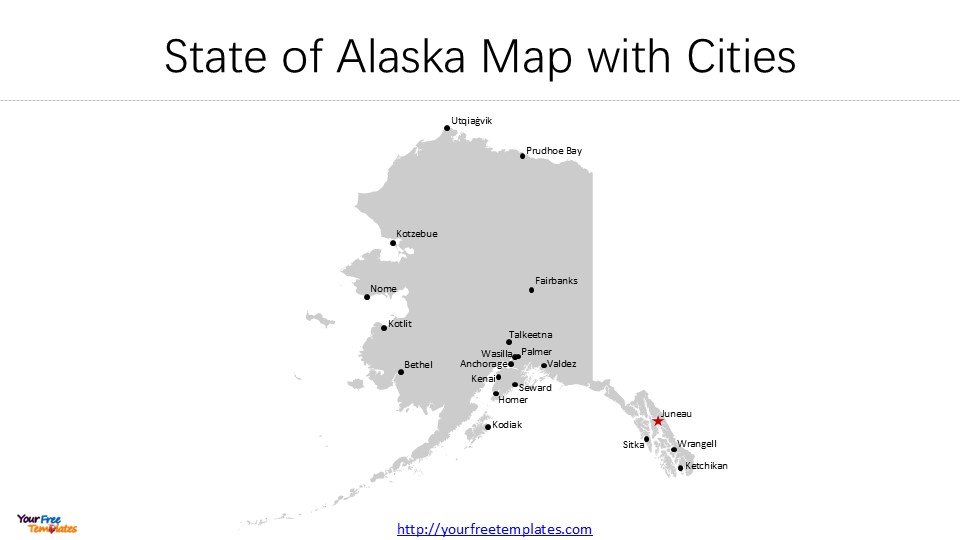
Anchorage: The Economic Powerhouse of the North
Anchorage, Alaska’s largest city, is undeniably the state’s economic heart. With a population exceeding 290,000, it represents over 40% of the state’s total population, making it the primary nexus for commerce, transportation, and finance. Its strategic location as a transportation hub, connecting North America with Asia, has been a cornerstone of its economic growth.
Transportation and Logistics: A Financial Backbone
Anchorage’s Ted Stevens Anchorage International Airport (ANC) is one of the busiest cargo airports in the world. This critical infrastructure facilitates a significant flow of goods, creating numerous employment opportunities in logistics, warehousing, and related services. The economic ripple effect from this sector is substantial, driving demand for real estate, financial services, and a skilled workforce. Businesses focused on supply chain management, freight forwarding, and e-commerce fulfillment find a fertile ground in Anchorage, benefiting from its unparalleled connectivity. The associated financial investments in airport infrastructure, cargo handling facilities, and transportation networks represent significant capital flows within the Alaskan economy.
Diverse Economic Sectors: Beyond Natural Resources
While Alaska is synonymous with oil and gas, Anchorage has successfully diversified its economy. The city boasts a robust service sector, including healthcare, education, and government. The presence of major hospitals and research institutions like the University of Alaska Anchorage provides stable employment and attracts skilled professionals, fostering a continuous cycle of economic activity. Furthermore, the state government’s administrative functions are largely based in Anchorage, contributing to a significant public sector employment base and associated financial flows. Tourism also plays a vital role, with the city serving as a gateway for visitors exploring Alaska’s natural wonders. This influx of tourists generates revenue for hospitality, retail, and entertainment industries, offering investment opportunities in these sectors.
Real Estate and Investment: Growth and Opportunities
Anchorage’s real estate market, while influenced by the state’s economic cycles, offers diverse investment opportunities. From commercial properties supporting its thriving business ecosystem to residential markets catering to its growing population, real estate remains a significant avenue for wealth creation. The demand for housing, driven by job growth in various sectors, supports property values and offers potential for appreciation. Understanding the nuances of the Alaskan real estate market, including property taxes and local development incentives, is crucial for investors looking to capitalize on Anchorage’s economic vitality. Financial institutions in Anchorage offer a range of services, from mortgages and commercial loans to investment advisory, supporting both individual and business financial endeavors.
Fairbanks: The Interior’s Economic Hub
Located in the heart of Alaska, Fairbanks is the principal city of the Interior region and a significant economic center. Known for its extreme temperatures and its role in Alaska’s history, Fairbanks has evolved into a hub for resource extraction, military presence, and scientific research, each contributing to its unique financial landscape.
Resource Extraction and Industry: A Foundation for Wealth
Fairbanks’ economy has historically been tied to the extraction of natural resources. While gold mining was its initial driver, today, the presence of oil and gas exploration and production activities in nearby regions significantly impacts the city’s economic health. Companies involved in drilling, refining, and transportation employ a substantial workforce and inject capital into the local economy through wages, services, and infrastructure development. This sector presents opportunities for ancillary businesses, such as equipment suppliers, maintenance services, and specialized engineering firms, creating a network of interconnected financial interests. Investments in resource technology and sustainable extraction practices are increasingly becoming important.
Military Presence and Its Economic Multiplier Effect
Fort Wainwright and Eielson Air Force Base are two major military installations located near Fairbanks. The substantial military personnel and their families contribute significantly to the local economy through spending on housing, retail, and services. The bases themselves are major employers and drivers of economic activity, with significant contracts for construction, maintenance, and various support services. This sustained military presence creates a stable demand for goods and services, providing a consistent revenue stream for local businesses and offering opportunities for entrepreneurs looking to cater to the needs of the military community. Financial planning and banking services geared towards military personnel and their families are a specialized, yet vital, segment of the Fairbanks financial sector.
Research and Education: Fostering Innovation and Investment
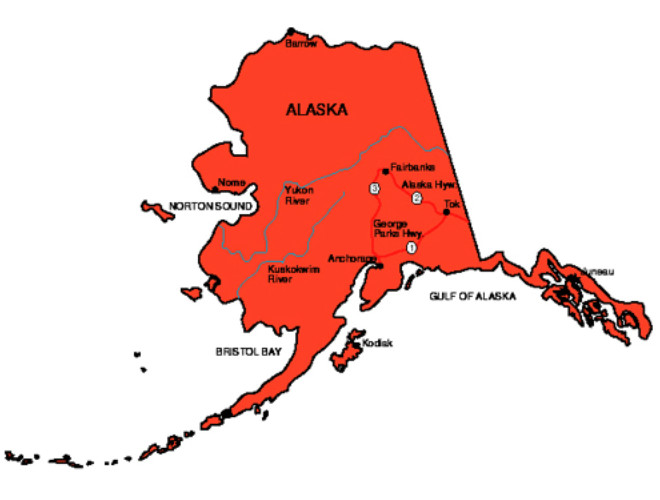
The University of Alaska Fairbanks (UAF) is a leading research institution, particularly in fields like Arctic science, climate research, and geophysics. This academic and research prowess attracts scientists, students, and research funding, fostering innovation and creating high-skilled employment opportunities. The university’s research grants and endowments represent significant financial inflows, and spin-off companies and technological advancements emerging from UAF can create lucrative investment prospects. The demand for specialized equipment, laboratory services, and technical expertise further stimulates economic activity and attracts investment in high-tech industries.
Juneau: The Capital City’s Economic Dynamics
Juneau, the capital of Alaska, is unique among major Alaskan cities as it is not accessible by road. This geographical isolation influences its economy, which is heavily reliant on government services, tourism, and resource extraction, particularly mining.
Government and Public Administration: Stability and Services
As the state capital, Juneau hosts a significant number of government jobs, including legislative, administrative, and judicial roles. This public sector employment provides a stable economic base, generating consistent demand for housing, retail, and personal services. The financial sector in Juneau caters to the needs of government employees, as well as the broader business community, offering banking, loan services, and investment advice. Government contracts and procurement also represent a vital source of revenue for local businesses. Understanding the budgetary cycles and government spending priorities is crucial for businesses and investors operating in Juneau.
Tourism and Hospitality: Seasonal but Significant
Juneau is a premier destination for cruise ship tourism, attracting hundreds of thousands of visitors annually. This seasonal influx of tourists fuels a robust tourism and hospitality industry, encompassing hotels, restaurants, tour operators, and retail businesses. While seasonal, the economic impact of tourism is substantial, providing employment opportunities and driving revenue during the summer months. This sector offers investment potential in developing new tourist attractions, enhancing existing infrastructure, and providing services that cater to the unique needs of visitors. Financial planning for seasonal businesses and managing cash flow effectively are key challenges and opportunities within this industry.
Mining and Resource Development: A Historical and Future Contributor
Mining has a long and significant history in Juneau, with active gold and silver mines contributing to the local economy. While subject to market fluctuations, the mining industry provides high-paying jobs and generates considerable economic activity through exploration, extraction, and processing. Investments in mining technology, environmental sustainability, and exploration ventures can yield significant returns. The financial services sector in Juneau plays a critical role in funding these large-scale operations and managing the associated financial risks and rewards.
Other Significant Cities and Their Financial Footprints
Beyond the three largest urban centers, several other Alaskan cities play crucial roles in the state’s economy and offer distinct financial landscapes.
The Kenai Peninsula: Oil, Fishing, and Tourism
Cities like Kenai and Soldotna on the Kenai Peninsula are economically driven by oil and gas production, a vital fishing industry, and a burgeoning tourism sector. The presence of the Kenai LNG plant and exploration activities in Cook Inlet create significant employment and investment opportunities in the energy sector. The rich fishing grounds support a substantial commercial fishing industry, which in turn drives related businesses such as processing plants and equipment suppliers. The peninsula’s scenic beauty and outdoor recreational opportunities make it a popular tourist destination, contributing to the hospitality and service industries. Financial institutions here often specialize in supporting these primary industries, offering tailored loan products and investment vehicles.
Interior Communities: Resources and Transportation
Cities like Wasilla and Palmer, part of the Matanuska-Susitna Valley bordering Anchorage, are experiencing significant population growth and economic diversification. They benefit from proximity to Anchorage while offering more affordable housing and land. Their economies are increasingly driven by small businesses, retail, and service industries, along with some agricultural activity. Further into the Interior, cities like Nome and Utqiagvik (Barrow) are crucial for their roles in resource development, transportation, and serving as centers for the Indigenous communities. Their economies are often more closely tied to specific resource projects or government services, presenting unique financial considerations and investment risks.

Southeast Alaska: A Blend of Government, Tourism, and Resources
Cities in Southeast Alaska, such as Ketchikan and Sitka, are characterized by a blend of government functions, a strong reliance on tourism, and significant fishing and timber industries. Their economies are often shaped by their remote locations and the unique challenges and opportunities they present. Understanding the logistical costs, the impact of seasonal economic cycles, and the importance of sustainable resource management are critical financial considerations for businesses and investors in these communities.
In conclusion, understanding the major cities in Alaska from a financial perspective reveals a complex and diverse economic tapestry. From the metropolitan dominance of Anchorage to the resource-driven economies of the Interior and the unique coastal dynamics of Southeast, each city offers distinct opportunities and challenges. For individuals and businesses alike, a thorough grasp of these urban centers’ economic drivers, industry strengths, and investment climates is paramount to navigating and capitalizing on the financial potential of the Last Frontier.
aViewFromTheCave is a participant in the Amazon Services LLC Associates Program, an affiliate advertising program designed to provide a means for sites to earn advertising fees by advertising and linking to Amazon.com. Amazon, the Amazon logo, AmazonSupply, and the AmazonSupply logo are trademarks of Amazon.com, Inc. or its affiliates. As an Amazon Associate we earn affiliate commissions from qualifying purchases.