
Methane (CH4) is the primary component of natural gas and a potent greenhouse gas, playing a significant role in climate change. While it persists in the atmosphere for a shorter duration than carbon dioxide, its warming potential over a 20-year period is more than 80 times greater. Understanding the sources of methane is crucial for developing effective mitigation strategies and transitioning towards a sustainable energy future. This article delves into the primary origins of methane emissions, exploring both natural and anthropogenic (human-caused) pathways.
Natural Sources of Methane
Nature has long been a significant producer of methane, with various geological and biological processes releasing CH4 into the atmosphere. While these natural sources are important to acknowledge for a complete understanding, it’s the dramatic increase in anthropogenic emissions that is driving current climate concerns.
Wetlands: The Largest Natural Reservoir
Wetlands, including marshes, swamps, and bogs, are undoubtedly the largest natural source of methane. These waterlogged environments create anaerobic (oxygen-free) conditions, which are ideal for methanogenesis – the biological process by which microorganisms, primarily archaea, produce methane as a byproduct of breaking down organic matter.
Methanogenesis in Wetland Sediments
In wetlands, dead plant material and other organic debris accumulate in the soil. In the absence of oxygen, anaerobic bacteria begin to decompose this organic matter. This decomposition process proceeds through several stages, with the final step involving methanogenic archaea. These microbes consume intermediate products from the decomposition (such as acetate and hydrogen) and release methane. The rate of methanogenesis is influenced by factors such as temperature, pH, and the availability of organic matter. Warmer temperatures generally lead to higher rates of decomposition and methane production.
Rice Paddies: A Semi-Natural and Semi-Anthropogenic Source
Rice paddies, while a result of human agriculture, function as artificial wetlands. The flooding of rice fields creates the anaerobic conditions necessary for methanogenesis. This makes rice cultivation a significant contributor to global methane emissions, often categorized as an anthropogenic source due to its direct link to human farming practices. The decomposition of straw and other organic residues within the flooded soil releases substantial amounts of methane.
Geological Sources: Natural Gas Seeps and Volcanoes
Beyond biological processes, geological activities also contribute to natural methane emissions. These sources, though generally smaller in scale than wetland emissions, are important to note for a comprehensive picture.
Submarine and Terrestrial Gas Seeps
Naturally occurring pockets of natural gas can escape from the Earth’s crust through geological faults and fissures, a process known as gas seeps. These can occur on the ocean floor (submarine seeps) or on land (terrestrial seeps). The methane released from these seeps is often derived from ancient organic matter that has been buried and subjected to high temperatures and pressures over geological timescales, a process called thermogenic methane production. While these emissions have been occurring for millennia, their contribution to the current rapid increase in atmospheric methane is relatively minor compared to human activities.
Volcanic Activity
Volcanoes, during eruptions and through their thermal emissions, can release methane trapped within the Earth’s mantle and crust. This volcanic methane is also primarily thermogenic in origin. While significant in localized areas during volcanic events, the continuous global contribution of methane from volcanoes is considered a smaller component of the total natural methane budget.
Other Natural Sources
While wetlands and geological seeps are the most prominent natural sources, other biological processes also release methane, albeit in smaller quantities.
Termites
Termites, through their digestive processes, produce methane. As they consume wood, a symbiotic relationship with microorganisms in their gut helps break down cellulose. This process generates methane, which is then released into the atmosphere. While individually, termites might seem insignificant, the sheer volume of termite populations globally contributes to a measurable amount of natural methane emissions.
Wildlife Digestion
Similar to termites, the digestive systems of many herbivores and omnivores produce methane. Ruminant animals, such as cattle and sheep, are particularly efficient methane producers due to the microbial fermentation that occurs in their specialized digestive tracts. While this is a natural biological process, the significant increase in livestock populations due to human demand has turned this natural source into a major anthropogenic contributor.
Anthropogenic Sources of Methane
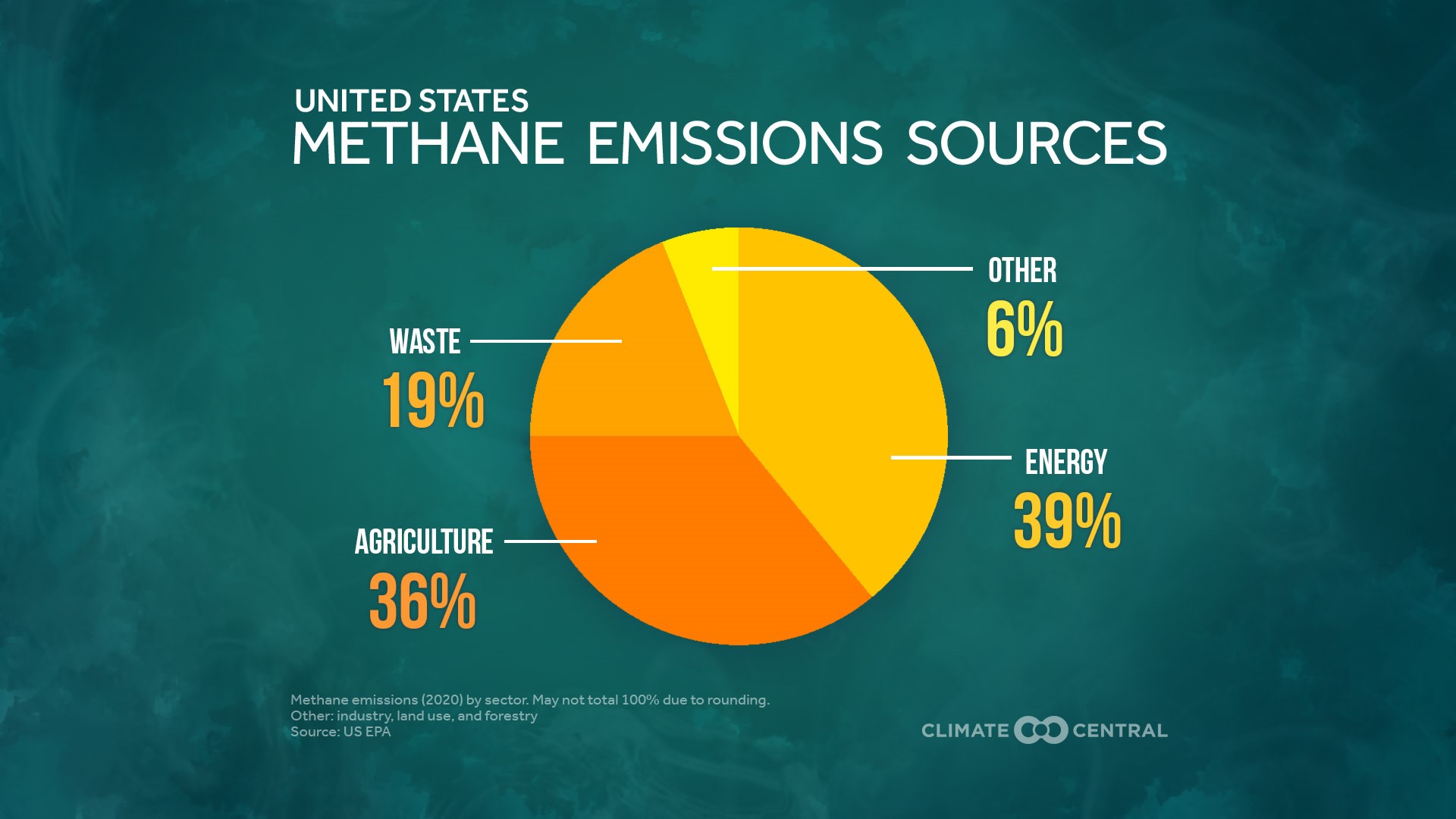
Human activities are the dominant drivers of the recent surge in atmospheric methane concentrations. These activities span various sectors, from agriculture and waste management to energy production and fossil fuel extraction. Addressing these sources is paramount for climate change mitigation.
Agriculture: A Major Contributor
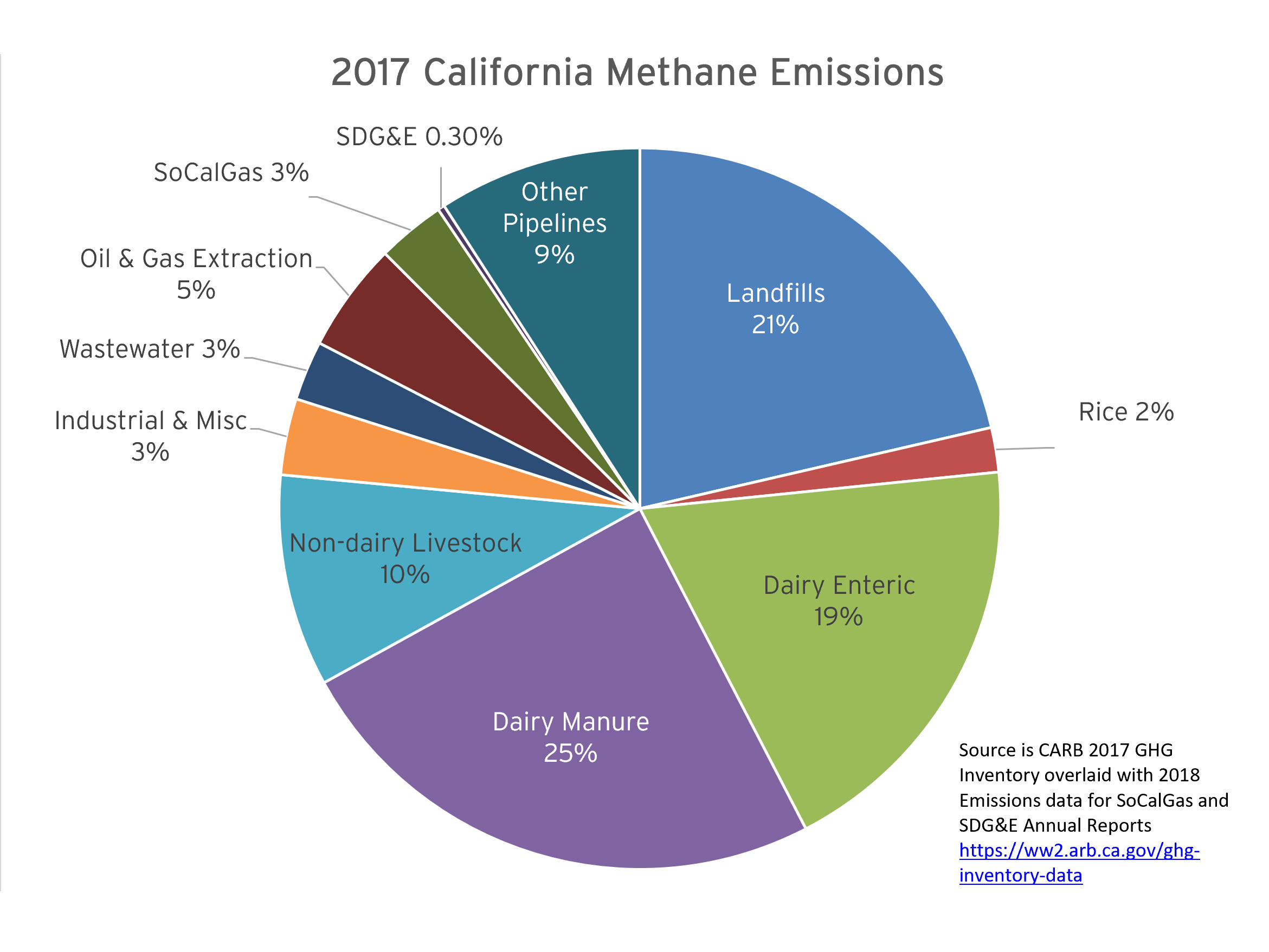
The agricultural sector is a leading source of anthropogenic methane emissions, largely due to livestock and rice cultivation.

Livestock Enteric Fermentation
The digestion process in livestock, particularly ruminants like cattle, sheep, and goats, is a significant source of methane. Microbes in their digestive systems ferment feed, producing methane as a byproduct. This process, known as enteric fermentation, releases methane primarily through belching. With the global demand for meat and dairy products steadily rising, the methane emissions from livestock have become a substantial concern. Efforts to mitigate these emissions include improving feed quality, optimizing animal diets, and exploring selective breeding for lower-emission animals.
Manure Management
The management of animal manure also contributes to methane emissions. When manure is stored in anaerobic conditions, such as in lagoons or pits, microbial decomposition leads to the release of methane. The extent of these emissions depends on the storage method, temperature, and the amount of organic matter present. Implementing better manure management practices, such as composting or capturing biogas from manure digesters, can significantly reduce these emissions.
Rice Cultivation
As mentioned earlier, rice paddies, a staple crop for a large portion of the world’s population, function as artificial wetlands. The flooded conditions required for rice cultivation create anaerobic environments that promote methanogenesis. The decomposition of organic matter in the paddy soil, including rice straw from previous harvests, leads to substantial methane release. Improving water management techniques, such as intermittent drying and wetting cycles, can help reduce methane emissions from rice fields.
Waste Management: Landfills and Wastewater
The decomposition of organic waste in landfills and wastewater treatment processes are significant anthropogenic sources of methane.
Landfill Emissions
When organic waste, such as food scraps and yard trimmings, is disposed of in landfills, it decomposes under anaerobic conditions. This decomposition process generates biogas, which is a mixture of methane and carbon dioxide. Landfills are a substantial source of methane emissions globally. Capturing this landfill gas and using it as a source of renewable energy (biogas) is an effective way to mitigate these emissions and create a valuable resource.
Wastewater Treatment
Wastewater treatment plants also contribute to methane emissions. The breakdown of organic matter in sewage sludge, particularly in anaerobic digesters, produces methane. While anaerobic digestion is often employed to stabilize sludge and produce biogas for energy, uncontrolled releases can occur. Implementing advanced treatment technologies and optimizing biogas capture can help reduce methane releases from wastewater facilities.
Energy Production and Fossil Fuel Extraction
The extraction, processing, and transportation of fossil fuels are major sources of methane emissions, often referred to as fugitive emissions.
Natural Gas Systems
The natural gas industry, from extraction (fracking) to processing, transmission, and distribution, is a significant source of methane leakage. Methane is the primary component of natural gas, and leaks can occur at various points in the supply chain, including wellheads, pipelines, storage facilities, and compressor stations. These “fugitive emissions” are a major concern for climate scientists and policymakers. Advanced leak detection and repair programs, as well as the adoption of stricter operational standards, are crucial for reducing these emissions.
Coal Mining
Coal mines, particularly active and abandoned underground mines, are another important source of methane. Methane is often trapped within coal seams and is released during the mining process. This “coal mine methane” can be a safety hazard for miners but also contributes to greenhouse gas emissions. Capturing and utilizing this methane for energy can mitigate its climate impact.
Oil Extraction
The oil industry also releases methane during the extraction and processing of crude oil. This can include emissions from venting, flaring, and leaks from equipment. In many oil-producing regions, associated gas (natural gas found with oil deposits) is sometimes flared or vented rather than captured and utilized, leading to significant methane releases.
Other Anthropogenic Sources
Beyond the primary sectors, other human activities also contribute to methane emissions.
Industrial Processes
Certain industrial processes, such as the production of chemicals like methanol and ammonia, release methane as a byproduct or through process emissions. Cement production can also release methane from the decomposition of organic matter present in raw materials.
Biomass Burning
The burning of biomass, such as wood and agricultural residues for cooking or heating, releases methane. While the carbon released during biomass burning is generally considered part of a short-term carbon cycle, the methane component contributes to its greenhouse gas impact.
In conclusion, understanding the diverse sources of methane is fundamental to developing targeted and effective strategies for climate change mitigation. While natural processes contribute to the global methane cycle, it is the escalating anthropogenic emissions, driven by agriculture, waste management, and the fossil fuel industry, that pose the most significant challenge. By implementing innovative technologies, improving operational practices, and fostering international cooperation, we can work towards substantially reducing methane emissions and safeguarding our planet’s future.
aViewFromTheCave is a participant in the Amazon Services LLC Associates Program, an affiliate advertising program designed to provide a means for sites to earn advertising fees by advertising and linking to Amazon.com. Amazon, the Amazon logo, AmazonSupply, and the AmazonSupply logo are trademarks of Amazon.com, Inc. or its affiliates. As an Amazon Associate we earn affiliate commissions from qualifying purchases.