
As the heart of Silicon Valley, Santa Clara County operates under a unique set of mandates that extend far beyond traditional municipal governance. While typical regional responsibilities include public safety, health, and land use, Santa Clara County must balance these requirements with the digital expectations of the world’s most advanced technological ecosystem. The county’s primary responsibility today is to serve as a high-functioning laboratory for civic technology, ensuring that the infrastructure supporting global tech giants also serves the digital needs of its nearly two million residents.
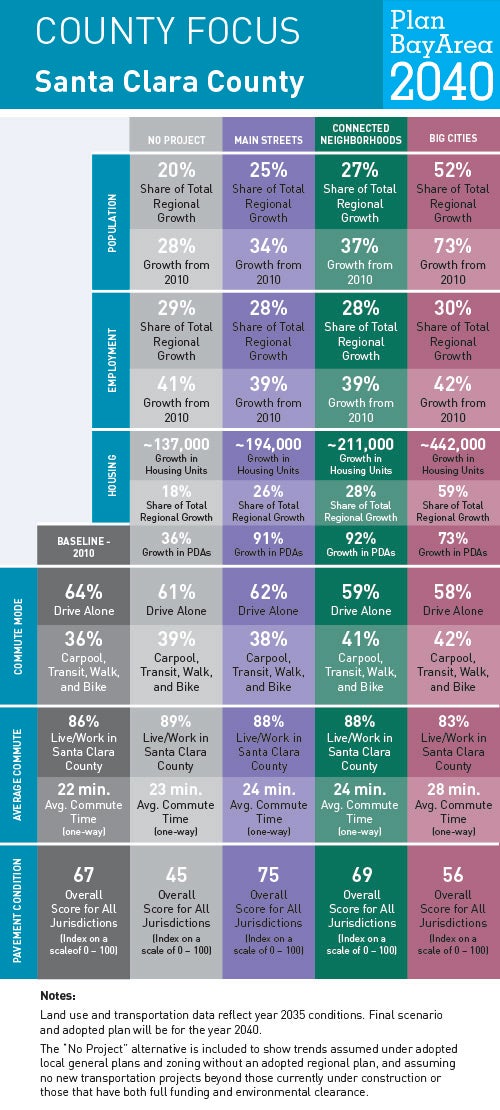
In this environment, the “responsibilities” of the county are increasingly defined by digital transformation, data security, and the ethical deployment of emerging technologies. The county is tasked with managing a complex intersection of hardware, software, and human services, effectively becoming a “Smart County” that leads the nation in tech-driven administrative efficiency.
Pioneering Smart Infrastructure and Next-Generation Connectivity
One of the most critical responsibilities for Santa Clara County is the maintenance and expansion of digital infrastructure. In a region where high-speed connectivity is as essential as water or electricity, the county government is the primary architect of a framework that supports both private innovation and public accessibility.
Bridging the Digital Divide through Fiber Expansion
Despite being the global hub of the internet, Santa Clara County faces significant internal disparities in digital access. The county has taken on the responsibility of ensuring that the “digital divide” does not leave vulnerable populations behind. This involves large-scale investment in municipal fiber-optic networks and the expansion of free public Wi-Fi in underserved urban areas and rural stretches. By treating broadband as a fundamental utility, the county ensures that all residents have the bandwidth necessary to participate in the digital economy, access telehealth services, and engage with remote education.
Integrating the Internet of Things (IoT) in Urban Planning
Santa Clara County is responsible for integrating IoT sensors into its physical infrastructure to create more responsive environments. From smart traffic management systems that reduce congestion to environmental sensors that monitor air quality in real-time near major tech campuses, the county uses data-driven hardware to optimize living conditions. These systems require a sophisticated backend to process massive datasets, making the county a de facto manager of a massive, interconnected network of edge computing devices.
Data Governance and Cybersecurity Leadership
Given that Santa Clara County houses some of the world’s most valuable intellectual property and sensitive data, its responsibility toward cybersecurity is immense. The county government must protect not only its internal administrative systems but also the massive databases containing the health, financial, and legal records of its citizens.
Protecting Citizen Data in a High-Risk Environment
The county manages a sophisticated cybersecurity posture that serves as a model for local governments globally. This responsibility involves implementing Zero Trust architecture and multi-factor authentication (MFA) across all government platforms. Because the county is a high-profile target for state-sponsored actors and cyber-extortionists, its IT departments are tasked with constant threat hunting and vulnerability assessments. Protecting the privacy of citizen data—ranging from voter registration to medical records at Valley Health Centers—is a non-negotiable tech responsibility that requires continuous investment in the latest security software and encryption protocols.
Disaster Recovery and Digital Resilience
In a region prone to seismic activity and wildfire risks, Santa Clara County is responsible for ensuring digital resilience. This includes maintaining cloud-redundant systems and decentralized data centers that can remain operational during physical disasters. The county’s tech strategy focuses on “hot-site” recovery, ensuring that critical emergency services—such as 911 dispatch systems and crisis communication portals—can transition seamlessly to backup servers without a second of downtime. This focus on high availability is a cornerstone of the county’s duty to its tech-reliant population.
Leveraging AI and Machine Learning for Enhanced Public Service Delivery
As artificial intelligence (AI) moves from the laboratories of Palo Alto into the mainstream, Santa Clara County has embraced the responsibility of integrating AI into public administration. This transition aims to increase the speed of service delivery while reducing the overhead associated with bureaucratic processes.
AI-Driven Administrative Efficiency
The county utilizes AI tools and machine learning algorithms to streamline everything from permit processing to social service eligibility determinations. By implementing Natural Language Processing (NLP) in its public interfaces, the county provides 24/7 multilingual support to residents through advanced chatbots and automated portals. These tools are designed to navigate the complexities of county ordinances and state regulations, providing instant answers that would previously have required hours of manual labor. This responsibility involves not just the deployment of tech, but the ongoing auditing of these systems to ensure they remain unbiased and transparent.
Predictive Analytics in Public Health and Safety
The Santa Clara County Public Health Department and the Sheriff’s Office utilize predictive analytics to better allocate resources. By analyzing historical data and real-time inputs, the county can identify emerging health trends or areas with high service demand before they reach a crisis point. This “proactive governance” model is a direct result of the county’s commitment to using the software tools developed in its own backyard. The responsibility here lies in balancing the power of predictive tools with strict ethical guidelines regarding surveillance and data usage.
Fostering a Sustainable and Tech-Driven Green Framework
Environmental stewardship is a core responsibility of Santa Clara County, and in the current era, this mission is inextricably linked to green technology. The county is responsible for transitioning its massive fleet of vehicles and extensive building portfolio into a sustainable, tech-managed ecosystem.
Intelligent Energy Management and EV Infrastructure
The county manages one of the most comprehensive electric vehicle (EV) charging networks in the country, recognizing that supporting the transition to clean energy is a technological challenge as much as an environmental one. This includes the implementation of smart grids for county-owned facilities, using software to optimize energy consumption based on peak demand. By leveraging tech-driven energy management systems, the county reduces its carbon footprint and sets a standard for the private sector to follow.
Sustainable Waste and Resource Monitoring
Using advanced sorting technologies and sensor-based waste management, Santa Clara County is tasked with meeting aggressive zero-waste goals. Tech-enabled monitoring allows the county to track the lifecycle of materials and optimize collection routes, reducing fuel consumption and operational costs. This responsibility reflects a broader tech trend: the shift toward “Circular Economy” software that allows for better resource tracking and accountability.
The Future of Civic Tech: Collaborative Innovation
The final, and perhaps most unique, responsibility of Santa Clara County is to serve as a bridge between the private tech sector and the public interest. The county acts as a facilitator for “Civic Tech” innovations, providing a venue where startups can pilot technologies that solve public problems.
Open Data Initiatives and Developer Portals
Santa Clara County maintains extensive open-data portals, making non-sensitive government data accessible to developers, researchers, and the public. This responsibility fosters an ecosystem where local tech talent can build apps and tools that improve life for residents—whether it’s a mapping tool for public parks or a real-time dashboard for transit efficiency. By providing the “API for the County,” the government enables a participatory tech culture that leverages the region’s unique human capital.
Modernizing Legal and Judicial Tech
The county’s responsibility extends to the modernization of the judicial system. This includes the implementation of e-filing systems, remote court appearances via high-definition teleconferencing, and the digitization of historical land records using blockchain or secure ledger technologies. These efforts ensure that the legal framework of the county is as agile and accessible as the tech industry it oversees.
In conclusion, the responsibilities of Santa Clara County are no longer just about paving roads and managing parks. In the 21st century, the county’s mandate is to build, secure, and evolve a digital landscape that reflects its status as the world’s innovation capital. From ensuring universal broadband to deploying ethical AI in social services, the county is the primary custodian of a tech-driven future, ensuring that progress serves every citizen within its borders.
aViewFromTheCave is a participant in the Amazon Services LLC Associates Program, an affiliate advertising program designed to provide a means for sites to earn advertising fees by advertising and linking to Amazon.com. Amazon, the Amazon logo, AmazonSupply, and the AmazonSupply logo are trademarks of Amazon.com, Inc. or its affiliates. As an Amazon Associate we earn affiliate commissions from qualifying purchases.