
The simple question, “What are the latest movies in theaters?” once prompted a quick check of the local newspaper or a phone call to the cinema. Today, however, answering this question—and, more importantly, experiencing the answer—has been profoundly transformed by an intricate web of technological advancements. From the moment a film concept takes shape to its grand unveiling on the big screen and beyond, technology isn’t just an enabler; it’s the very backbone of modern cinematic discovery, delivery, and delight.
This article delves beyond mere listings, exploring the cutting-edge technologies that dictate how we find, watch, and interact with the latest theatrical releases. We will dissect the digital ecosystems that streamline discovery, illuminate the innovations that define today’s immersive cinema experiences, peek behind the curtain at the tech powering filmmaking, and gaze into the future of theatrical entertainment, all through an exclusively technological lens.
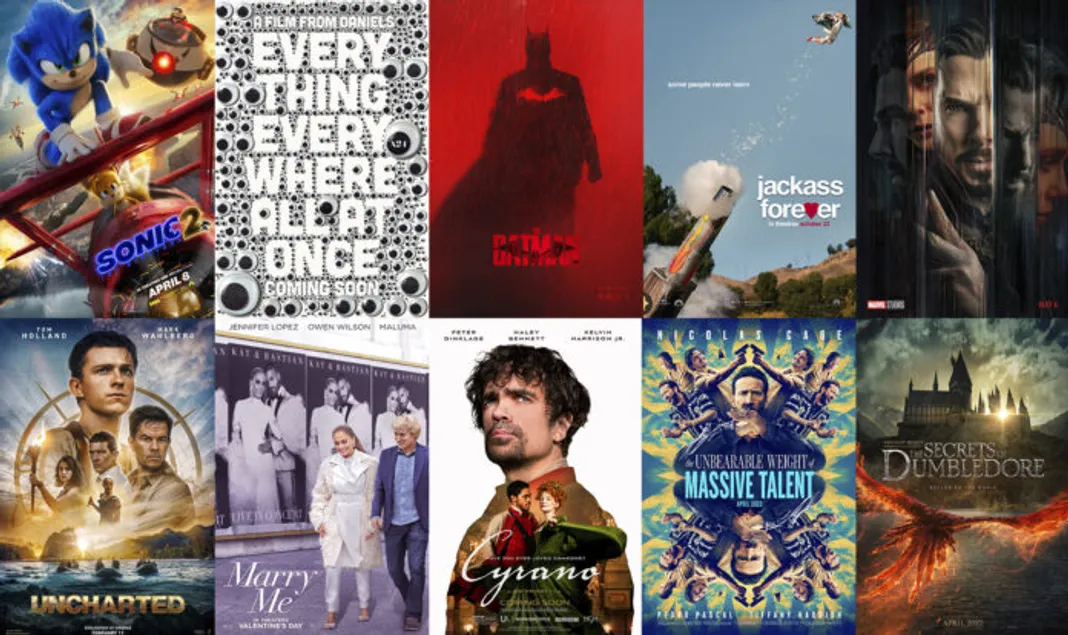
Navigating the Digital Frontier: How Technology Helps You Discover New Releases
The days of relying solely on physical marquees or print ads are long past. In the digital age, technology has revolutionized how audiences discover what’s new and noteworthy on the big screen, making the process more efficient, personalized, and engaging than ever before.
The Power of Aggregator Apps and Websites
At the forefront of movie discovery are sophisticated aggregator platforms and mobile applications. Services like Fandango, Atom Tickets, IMDb, Rotten Tomatoes, and Letterboxd have become indispensable tools for modern moviegoers. These platforms do more than just list showtimes; they synthesize a wealth of information from various sources, presenting it in an easily digestible format. Users can access trailers, detailed synopses, cast and crew information, critic reviews, and aggregated audience scores—all within a few taps. Beyond discovery, many of these apps integrate ticket purchasing directly, allowing seamless booking, often with seat selection, bypassing traditional box office queues. This convenience, driven by robust backend databases and user-friendly interfaces, fundamentally reshapes the initial interaction with “the latest movies.”
AI-Powered Recommendations and Personalized Discovery
While primarily associated with streaming services, the principles of AI-powered recommendations are increasingly influencing theatrical film discovery. Intelligent algorithms analyze user preferences, viewing history, genre inclinations, and even preferred actors or directors to suggest films that might align with individual tastes. Imagine opening a cinema-specific app that, armed with your past interactions and explicit feedback, highlights new releases most likely to captivate you. This personalized curation, extending beyond a simple “what’s popular,” leverages machine learning to cut through the noise, making the hunt for “the latest movies” feel less like a search and more like a tailored suggestion from a knowledgeable friend. The same AI that suggests your next binge-watch is now subtly influencing your next trip to the multiplex.
Social Media and Algorithmic Marketing
Social media platforms have evolved into powerful marketing engines, crucial for generating buzz around new releases. Trailers, behind-the-scenes glimpses, interviews with filmmakers, and viral marketing campaigns spread like wildfire across platforms like TikTok, X (formerly Twitter), and Instagram. Algorithms on these platforms play a pivotal role in amplifying content, pushing trailers and promotional materials into the feeds of potentially interested users based on their engagement patterns, demographic data, and stated interests. A movie’s “latest” status is often solidified not just by its release date but by its omnipresence in our digital social spheres, driven by sophisticated algorithmic targeting that ensures maximum visibility for studios’ marketing efforts.
The Evolving Cinema Experience: Technology Beyond the Standard Screen
Once audiences have discovered a new film, the actual viewing experience in the theater is a testament to decades of technological innovation. Modern cinemas offer an immersive spectacle far beyond a simple projector and screen, with advancements designed to captivate and differentiate from home viewing.
Digital Projection and High Frame Rates
The transition from celluloid film reels to digital cinema projection (DCP) marked a monumental shift. Digital projectors deliver pristine, consistent image quality across all screenings, free from the degradation, dust, and scratches inherent to physical film. They also offer greater flexibility in resolution, color depth, and contrast. Pushing these boundaries further, technologies like High Frame Rate (HFR) cinema, famously explored in films like The Hobbit trilogy, present images at 48 frames per second (fps) or even 120 fps, rather than the traditional 24 fps. This technical upgrade aims to reduce motion blur and increase perceived realism, offering a visually smoother and more lifelike experience, though its adoption continues to be debated by filmmakers and audiences alike for its impact on cinematic aesthetic.
Immersive Sound Technologies: Dolby Atmos and DTS:X
Sound plays an equally critical role in immersion, and modern cinemas employ object-based audio technologies like Dolby Atmos and DTS:X to create three-dimensional soundscapes. Unlike traditional surround sound, which channels audio to specific speakers, object-based audio allows sound designers to place and move individual sound “objects” anywhere within the auditorium, including overhead. This creates a dome of sound that envelops the audience, making them feel truly inside the film’s environment—whether it’s the rumble of an explosion directly behind them or the patter of rain falling from above. These systems require a complex array of speakers, often numbering in the dozens, and sophisticated processing units to dynamically render audio in real-time based on the theater’s unique acoustics.
Premium Large Formats (PLFs): IMAX, Dolby Cinema, and Beyond
To further elevate the theatrical experience, cinemas have embraced Premium Large Formats (PLFs). These aren’t just bigger screens; they are meticulously engineered viewing environments integrating proprietary projection, sound, and sometimes even seating technologies.

-
IMAX stands out with its massive screens, unique aspect ratios (often filling more of the viewer’s peripheral vision), and custom-built projection systems (both laser and xenon-based) that deliver unparalleled brightness and contrast. Coupled with their powerful, precise sound systems, IMAX aims for maximum impact.
-
Dolby Cinema combines Dolby Vision, an advanced HDR (High Dynamic Range) projection system offering incredible brightness, deep blacks, and expanded color gamut, with Dolby Atmos sound. The entire theater is designed to minimize distractions, often featuring recliner seating and dark, matte finishes to prevent light reflection.
-
Other PLFs, such as Cinemark XD, Regal RPX, or various VIP/Lux experiences, offer their own branded enhancements, typically focusing on larger screens, improved sound, and often more comfortable seating options. These technological upgrades are strategic moves to entice audiences out of their homes and into a uniquely superior cinematic event.
Behind the Blockbusters: Tech’s Invisible Hand in Filmmaking and Distribution
Long before a movie graces the screen, its very creation and journey to the theater are deeply rooted in advanced technology. The “latest movies” are products of digital craftsmanship and sophisticated logistical networks.
Advanced Cinematography and Visual Effects (VFX)
Modern filmmaking is inseparable from digital technology. High-resolution digital cameras have replaced film in most productions, offering filmmakers unparalleled flexibility in post-production with superior dynamic range and low-light performance. Visual effects (VFX) are no longer mere embellishments but integral storytelling tools. Green screen and blue screen technologies allow for seamless integration of live-action with computer-generated imagery (CGI). Motion capture (mo-cap) systems enable actors to drive digital characters with realistic movements and expressions. Emerging AI tools are now being used for tasks like de-aging actors, generating complex digital doubles, and even assisting in the procedural generation of vast, intricate environments, drastically reducing the time and cost associated with manual creation. The computational power required for rendering these complex scenes, often utilizing cloud-based supercomputers, is staggering.
Data-Driven Production and Marketing
Technology’s influence extends to the business side of filmmaking. Data analytics and AI are increasingly used to inform decisions from greenlighting projects to optimizing release strategies. Predictive algorithms can analyze scripts for potential audience appeal, identify trends, or even suggest optimal casting choices based on past box office performance and audience demographics. In marketing, AI-driven insights help studios understand target audiences more deeply, enabling highly segmented and personalized advertising campaigns across digital channels. The efficiency of managing vast digital assets—from raw footage to final edits and marketing materials—is facilitated by robust cloud storage and Digital Asset Management (DAM) systems, ensuring secure and collaborative workflows across global production teams.
The Digital Delivery Chain: From Studio to Screen
The physical act of shipping heavy film reels to thousands of cinemas worldwide has been largely superseded by digital distribution. Films are now delivered as Digital Cinema Packages (DCPs)—encrypted files containing the movie, audio, subtitles, and other assets. These DCPs are securely transmitted via satellite or dedicated high-speed internet networks to theaters globally. This digital delivery chain offers immense benefits: it’s faster, more cost-effective, reduces the risk of physical damage, and ensures consistent quality. Robust encryption and Digital Rights Management (DRM) technologies are paramount to prevent piracy, safeguarding the intellectual property until its authorized exhibition. This technological leap has made worldwide simultaneous releases more feasible, ensuring that “the latest movies” are truly global events.
The Future of Theatrical Release: Emerging Technologies and Trends
As technology continues its relentless march forward, the theatrical experience is poised for further evolution. The question of “what are the latest movies in theaters” might one day encompass entirely new formats and interactions.
Interactive Cinema and Personalized Storytelling
While challenging in a communal setting, the concept of interactive cinema, where audience choices influence the narrative in real-time, could eventually make its way into theaters. Imagine a collective voting system via a companion app, allowing the audience to collectively steer plot points, or individual kiosks offering personalized narrative branches within a shared viewing space. The technical hurdles for such systems—real-time rendering, seamless transitions, and ensuring a coherent shared experience—are significant, but advancements in distributed computing and real-time content generation could make this a future reality, offering a truly dynamic and personalized approach to “the latest movie.”
Virtual Reality (VR) and Augmented Reality (AR) in the Theater
VR and AR present fascinating, albeit speculative, possibilities for the future of cinema. Dedicated VR pods could offer ultra-immersive, personal cinematic experiences, perhaps as an add-on to a traditional film, providing context or a unique side-story. More ambitiously, AR overlays could one day enhance specific scenes on the big screen, though the technical challenges of synchronizing AR content for an entire auditorium are immense. Hybrid experiences, where audiences move from a traditional screen to a VR space, or AR elements within the cinema lobby promoting upcoming features, are more immediate possibilities that leverage these immersive technologies to deepen engagement with the cinematic world.
Hyper-Personalized Moviegoing and Data Privacy
The trend towards personalization will undoubtedly deepen. Future ticket purchasing might not just secure a seat but also a hyper-personalized pre-show experience, with trailers and advertisements tailored precisely to individual profiles based on collected data. Imagine AI-powered concession recommendations based on your favorite genres, or even dynamically priced tickets based on demand algorithms and your past purchasing habits. This level of personalization, while offering convenience, will inevitably raise crucial questions about data collection, user privacy, and the potential for a less communal, more individualized theatrical journey.

Conclusion
The seemingly simple query, “What are the latest movies in theaters?” is, in reality, a gateway to understanding a complex and rapidly evolving technological landscape. From the advanced algorithms that help us discover our next cinematic obsession to the cutting-edge projection and sound systems that transport us into new worlds, and the digital tools that craft these narratives from inception to exhibition, technology is omnipresent.
It enhances our ability to find films, enriches the immersive experience within the auditorium, empowers filmmakers to create previously unimaginable spectacles, and drives the very infrastructure of global film distribution. As we look ahead, emerging technologies promise even more profound transformations, blurring the lines between passive viewing and interactive engagement, and continually pushing the boundaries of what a “movie in theaters” can be. The future of cinema is not just about the stories told, but critically, about the ever-advancing technology that brings those stories to life and into our collective consciousness, ensuring the magic of the movies continues to captivate for generations to come.
aViewFromTheCave is a participant in the Amazon Services LLC Associates Program, an affiliate advertising program designed to provide a means for sites to earn advertising fees by advertising and linking to Amazon.com. Amazon, the Amazon logo, AmazonSupply, and the AmazonSupply logo are trademarks of Amazon.com, Inc. or its affiliates. As an Amazon Associate we earn affiliate commissions from qualifying purchases.