
Liver failure, a devastating and often terminal condition, represents the point where the liver can no longer perform its essential functions. When this vital organ begins to falter, the consequences ripple throughout the entire body, impacting everything from digestion and detoxification to blood clotting and metabolism. Understanding the last stages of liver failure is crucial for patients, their families, and healthcare providers, offering insight into the progression of the disease, the symptoms to anticipate, and the critical decisions that lie ahead.
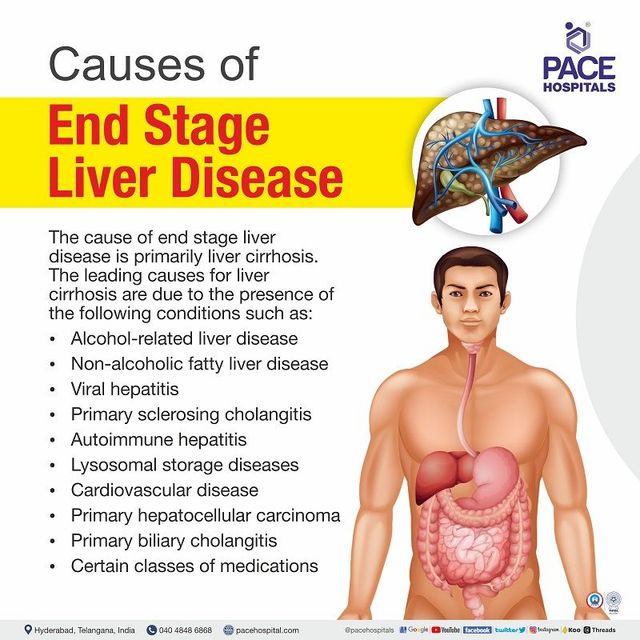
While the medical journey to liver failure is complex and varies significantly based on the underlying cause – be it viral hepatitis, alcoholic liver disease, non-alcoholic fatty liver disease (NAFLD), autoimmune disorders, or genetic conditions – the terminal phase often presents a recognizable set of systemic challenges. These final stages are characterized by a profound decline in liver function, leading to a cascade of complications that significantly impact a patient’s quality of life and survival.

Understanding the Declining Function
The liver, a multitasking powerhouse, is responsible for over 500 vital functions. When it enters its final stages of failure, these functions begin to systematically shut down. This decline isn’t an overnight event; it’s a gradual deterioration that can be exacerbated by various factors.
The Multifaceted Role of the Liver
To appreciate the impact of liver failure, it’s important to acknowledge the liver’s diverse responsibilities:
- Detoxification: The liver acts as the body’s primary filter, breaking down toxins, waste products, and drugs, preventing them from accumulating and causing harm.
- Metabolism: It plays a central role in processing carbohydrates, fats, and proteins, converting them into usable energy and essential nutrients. It also produces bile, which aids in fat digestion.
- Protein Synthesis: The liver synthesizes crucial proteins like albumin, which maintains fluid balance in the bloodstream, and clotting factors, essential for stopping bleeding.
- Storage: It stores vital nutrients like glycogen (for energy), vitamins (A, D, E, K, B12), and minerals like iron.
- Immune Function: The liver houses specialized immune cells that help fight off infections.
When these functions are compromised, the body’s internal balance is thrown into disarray, leading to the characteristic symptoms of liver failure.
The Progression of Damage
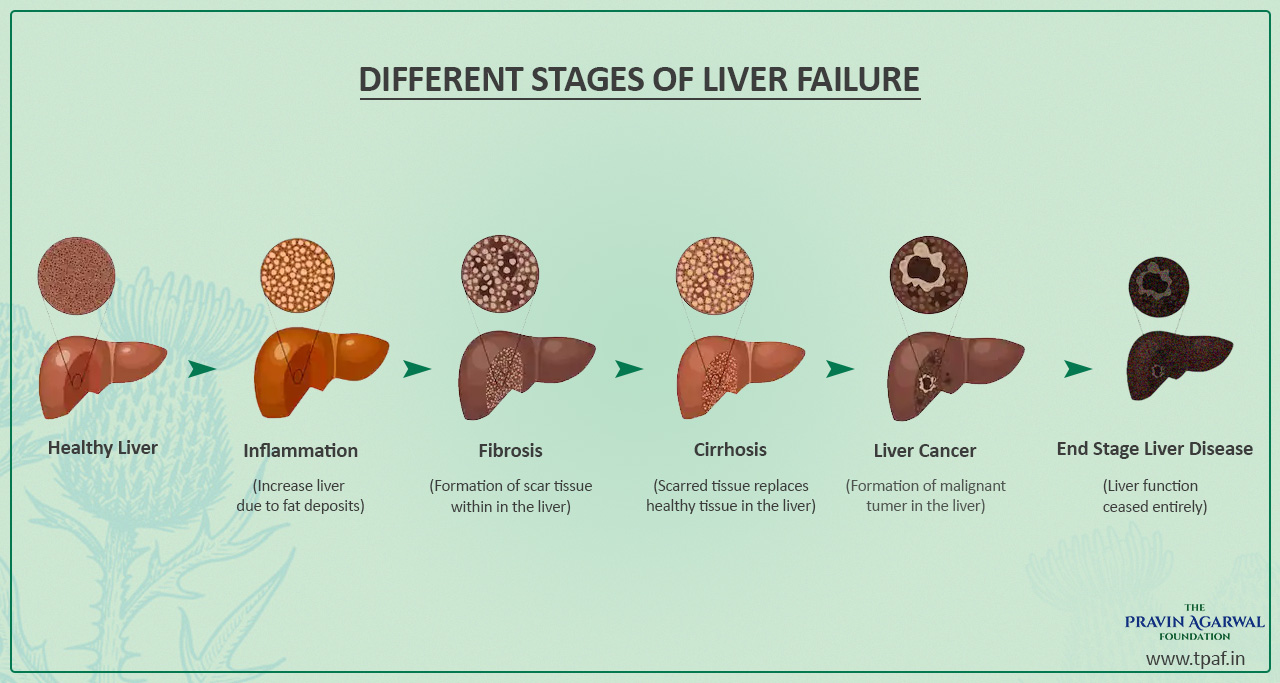
Liver failure typically evolves through several stages, moving from initial damage to more severe dysfunction. The early stages might involve inflammation (hepatitis) or fatty infiltration (steatosis). As the damage progresses, scar tissue begins to form, a process known as fibrosis. Widespread fibrosis leads to cirrhosis, a severe and irreversible form of scarring that disrupts the liver’s structure and blood flow. Cirrhosis is often considered the precursor to end-stage liver disease, where the liver’s ability to function is critically impaired.
Symptoms and Complications in the Last Stages
The symptoms experienced during the final stages of liver failure are a direct consequence of the liver’s inability to perform its vital roles. They can range from subtle but distressing to severe and life-threatening.
Hepatic Encephalopathy: A Cognitive Cascade
One of the most debilitating complications is hepatic encephalopathy (HE). When the liver fails to filter toxins from the blood, particularly ammonia, these substances can reach the brain. This accumulation can lead to a range of neurological symptoms, from mild confusion and forgetfulness to severe disorientation, personality changes, and even coma.
Subtle Signs to Watch For:
- Changes in sleep patterns: Increased sleepiness during the day, insomnia at night.
- Mild confusion or forgetfulness: Difficulty concentrating, misplacing items, or forgetting appointments.
- Mood swings or irritability: Unexplained anger, anxiety, or depression.
- Impaired judgment: Making poor decisions or exhibiting uncharacteristic behavior.
Progressing Stages of HE:
- Mild (Grade 1-2): Characterized by subtle cognitive impairment, asterixis (a flapping tremor of the hands), and mild personality changes.
- Moderate (Grade 3): Patients may experience significant confusion, disorientation, slurred speech, and pronounced behavioral changes.
- Severe (Grade 4): This stage can involve stupor, unresponsiveness, and a coma.
The management of HE often involves dietary adjustments (limiting protein intake), medications like lactulose and rifaximin to reduce ammonia levels in the gut, and addressing any precipitating factors such as infections or dehydration.
Ascites and Edema: Fluid Imbalance
The liver plays a critical role in producing albumin, a protein that helps maintain fluid balance in the bloodstream. In liver failure, albumin levels drop, leading to fluid accumulation in the abdominal cavity (ascites) and in the legs and feet (edema).
Ascites: The buildup of fluid in the abdomen can cause significant discomfort, bloating, shortness of breath, and a feeling of fullness. In severe cases, it can lead to spontaneous bacterial peritonitis (SBP), a serious infection of the fluid. Treatment for ascites typically involves a low-sodium diet, diuretic medications to help the body eliminate excess fluid, and paracentesis, a procedure to drain the accumulated fluid.
Edema: Swelling in the extremities is another common symptom. This can make walking and daily activities challenging.
Jaundice: The Yellowing of Skin and Eyes
As the liver’s ability to process bilirubin, a byproduct of red blood cell breakdown, diminishes, bilirubin accumulates in the bloodstream and tissues. This leads to jaundice, a characteristic yellowing of the skin, whites of the eyes, and sometimes the mucous membranes. Jaundice can be accompanied by intense itching (pruritus), which can be extremely distressing.
Gastrointestinal Bleeding: The Danger of Varices
The impaired blood flow through the cirrhotic liver can cause pressure to build up in the portal vein, leading to the formation of swollen blood vessels called varices, most commonly in the esophagus and stomach. These varices are fragile and prone to rupture, which can cause severe and life-threatening gastrointestinal bleeding. Symptoms of bleeding include vomiting blood (hematemesis), black, tarry stools (melena), and significant blood loss leading to dizziness, weakness, and even shock. Managing varices often involves medications to reduce portal pressure and endoscopic procedures to band or sclerose them.
Other Significant Manifestations
Beyond these primary complications, the last stages of liver failure can present with a constellation of other challenging symptoms:
- Malnutrition and Muscle Wasting: The liver’s role in metabolism and nutrient absorption is crucial. When it fails, patients often struggle with poor appetite, nausea, vomiting, and malabsorption, leading to significant weight loss and muscle wasting (sarcopenia).
- Increased Susceptibility to Infections: The liver’s immune function is compromised, making patients more vulnerable to bacterial, viral, and fungal infections. These infections can be severe and difficult to treat.
- Kidney Dysfunction (Hepatorenal Syndrome): In advanced liver disease, blood flow to the kidneys can be severely reduced, leading to a specific type of kidney failure known as hepatorenal syndrome (HRS). This is a grave complication with a poor prognosis.
- Coagulopathy: The liver produces clotting factors. With liver failure, these factors are deficient, leading to an increased risk of bleeding and bruising.
- Fatigue and Weakness: The overall decline in the body’s ability to function leads to profound and persistent fatigue and generalized weakness, significantly impacting daily activities.
- Cognitive and Behavioral Changes (beyond HE): While HE is the primary driver of neurological symptoms, chronic liver disease can also lead to more generalized cognitive decline and personality changes.
Navigating Treatment and Palliative Care
The management of end-stage liver disease focuses on slowing the progression of symptoms, preventing complications, and improving the patient’s quality of life. For many, liver transplantation offers the only definitive cure.
The Liver Transplant Option
Liver transplantation is a complex surgical procedure that involves replacing a diseased liver with a healthy one from a donor. It is a life-saving treatment for carefully selected patients with end-stage liver disease who meet strict medical and psychosocial criteria. The availability of donor organs is a significant limiting factor, and patients are typically placed on a waiting list.
The Transplant Evaluation Process:
- Comprehensive Medical Assessment: To determine overall health and suitability for surgery.
- Psychosocial Evaluation: To ensure the patient has adequate support systems and understands the demands of post-transplant care.
- Nutritional Assessment: To address any malnutrition.
- Addiction Screening: For patients with alcohol-related liver disease.
The success rates for liver transplantation have improved significantly over the years, but it remains a major medical undertaking with a lifelong commitment to immunosuppression and medical follow-up.
Palliative Care and End-of-Life Support
For patients who are not candidates for transplantation, or for whom transplantation is not feasible, palliative care becomes paramount. Palliative care focuses on providing relief from the symptoms and stress of serious illness to improve quality of life for both the patient and the family.
Key Aspects of Palliative Care in Liver Failure:
- Symptom Management: Aggressively addressing pain, nausea, itching, fatigue, and psychological distress.
- Nutritional Support: Working with dietitians to optimize intake and manage malnutrition.
- Emotional and Spiritual Support: Providing counseling and support to patients and their families as they navigate difficult decisions and emotional challenges.
- Advance Care Planning: Discussing wishes regarding medical treatment, resuscitation, and end-of-life care to ensure patient autonomy.
- Hospice Care: For patients with a prognosis of six months or less, hospice care provides comprehensive support focused on comfort and dignity.
The last stages of liver failure are a period of profound physical and emotional challenge. Open communication with the healthcare team, a strong support network, and a focus on maintaining the best possible quality of life are essential for patients and their loved ones during this critical time. While the path may be difficult, understanding the complexities of end-stage liver disease empowers informed decision-making and provides comfort in the face of adversity.
aViewFromTheCave is a participant in the Amazon Services LLC Associates Program, an affiliate advertising program designed to provide a means for sites to earn advertising fees by advertising and linking to Amazon.com. Amazon, the Amazon logo, AmazonSupply, and the AmazonSupply logo are trademarks of Amazon.com, Inc. or its affiliates. As an Amazon Associate we earn affiliate commissions from qualifying purchases.