
Interest rates are often described as the “price of money.” To the average consumer, they represent the difference between an affordable mortgage and a financial burden, or the difference between a stagnant savings account and a growing nest egg. To the global economy, interest rates are the most powerful lever available to central banks to control inflation and stimulate growth. Because they permeate every facet of personal and business finance, understanding what interest rates are—and how they are determined—is essential for anyone looking to navigate the modern financial landscape.
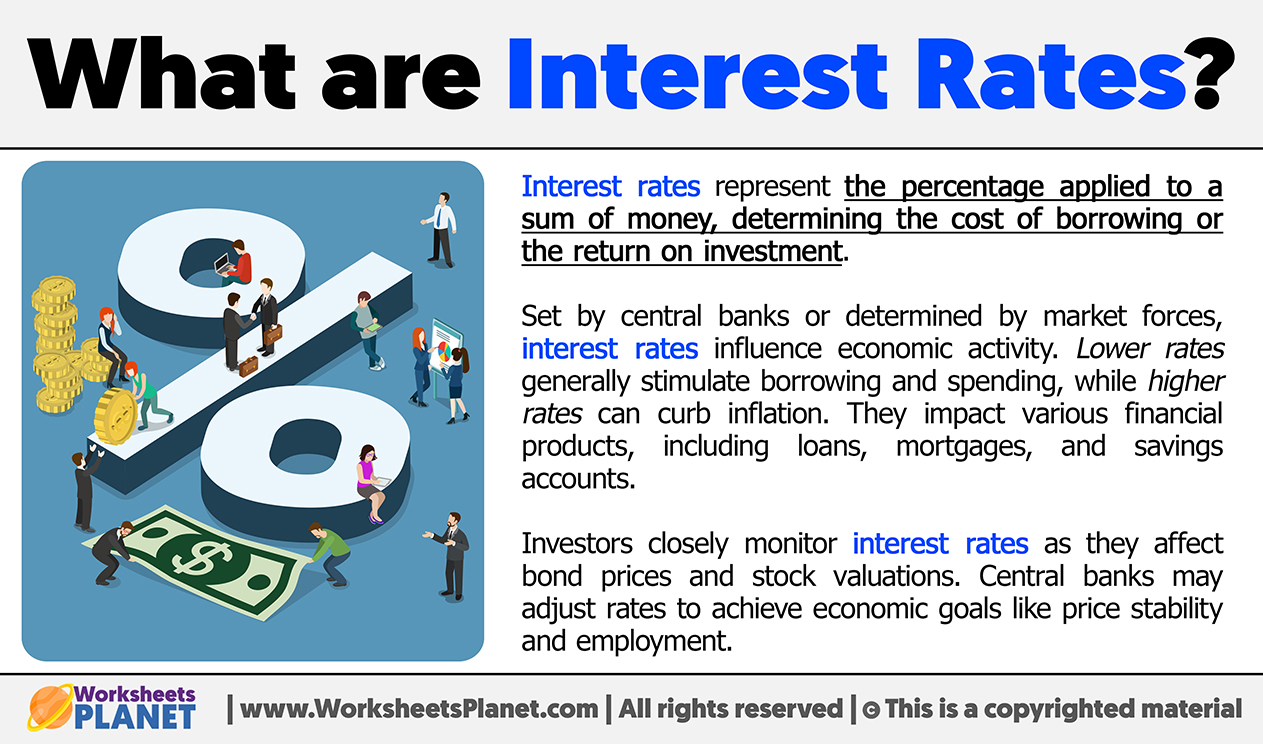
In this guide, we will explore the mechanics behind interest rate fluctuations, their direct impact on your personal debt, and the strategies you can employ to turn a changing rate environment into a financial advantage.
The Mechanics of Interest Rates and Central Bank Policy
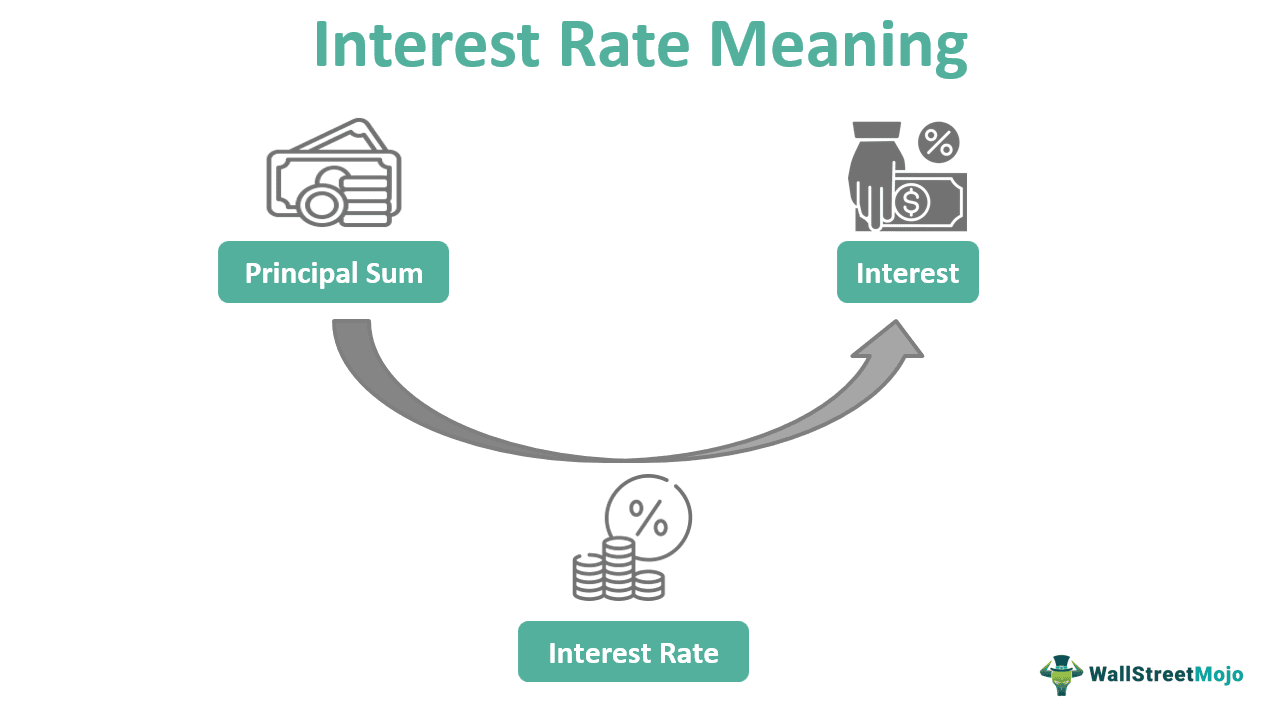
At its core, an interest rate is the percentage of a principal amount charged by a lender to a borrower for the use of assets. However, the rates you see on your credit card statement or your savings account dashboard do not exist in a vacuum. They are largely dictated by the monetary policy of a nation’s central bank, such as the Federal Reserve in the United States.
The Federal Funds Rate and Its Ripple Effect
The most influential interest rate in the world is the Federal Funds Rate. This is the rate at which commercial banks lend to one another overnight to meet reserve requirements. While the average consumer cannot borrow at this rate, it serves as the benchmark for almost all other interest rates.
When the Federal Reserve raises the funds rate, it becomes more expensive for banks to borrow money. To maintain their profit margins, these banks pass those costs down to consumers by raising the “Prime Rate”—the base interest rate that commercial banks charge their most creditworthy corporate customers. Consequently, your personal loans, mortgages, and credit cards see a corresponding increase in their Annual Percentage Rates (APR).
Inflation Control: Why Rates Rise and Fall
Central banks use interest rates as a thermostat for the economy. When the economy is growing too quickly and inflation begins to erode the purchasing power of the currency, central banks raise interest rates. Higher rates make borrowing more expensive, which slows down spending and business investment, effectively “cooling” the economy.
Conversely, during a recession or a period of economic stagnation, central banks lower interest rates. By making money “cheap” to borrow, they encourage businesses to expand and consumers to spend, thereby stimulating economic activity. Understanding this cycle allows investors and borrowers to anticipate whether rates are likely to climb or tumble based on monthly inflation reports and employment data.
The Consumer Impact: Mortgages, Credit, and Personal Debt
For the individual, interest rates are most visible through the lens of debt. Whether you are buying a home or managing a revolving credit balance, the prevailing interest rate environment dictates your monthly cash flow and your long-term wealth accumulation.
Navigating the Housing Market in a High-Rate Environment
The mortgage market is perhaps the most sensitive sector to interest rate fluctuations. A 1% or 2% difference in a mortgage rate can translate into hundreds of thousands of dollars in interest over the life of a 30-year loan.
When rates are high, prospective homebuyers often face a “lock-in effect,” where current homeowners are reluctant to sell because they do not want to trade their existing low-rate mortgage for a new, expensive one. For buyers, the strategy shifts toward finding ways to mitigate these costs, such as “buying down the rate” with points or opting for Adjustable-Rate Mortgages (ARMs) if they anticipate that rates will fall in the near future. Understanding the relationship between the 10-year Treasury yield and mortgage rates is vital for anyone timing a real estate purchase.
Managing High-Interest Consumer Debt
While mortgages are generally considered “long-term debt,” credit cards and personal loans represent “short-term debt” that is often tied directly to the Prime Rate. Because most credit cards have variable interest rates, a hike by the Federal Reserve usually results in an immediate increase in the interest charged on unpaid balances.
In a rising rate environment, the cost of carrying debt increases exponentially. Financial planners often recommend the “avalanche method”—prioritizing the repayment of debts with the highest interest rates first—to minimize the total amount paid over time. Furthermore, for those with high-interest debt, periods of rising rates are the most critical time to look into debt consolidation or balance transfer offers before those promotional windows close.

Strategies for Savers and Investors
While high interest rates are a burden for borrowers, they are a boon for savers. For over a decade, interest rates remained near zero, leaving many savers with negligible returns on their cash. However, as the economic cycle shifts, new opportunities emerge for those looking to grow their capital with minimal risk.
Maximizing Yields in High-Yield Savings and CDs
When interest rates rise, retail banks eventually begin to compete for consumer deposits. This is the era of the High-Yield Savings Account (HYSA) and the Certificate of Deposit (CD). Unlike traditional “big bank” savings accounts that may offer a measly 0.01% interest, HYSAs—often offered by online-only institutions—can offer rates that are 10 to 20 times higher.
The Certificate of Deposit (CD) offers an even more strategic tool: the “CD Ladder.” By opening multiple CDs with different maturity dates (e.g., 6 months, 12 months, 18 months), an investor can lock in high current rates while ensuring that a portion of their liquidity becomes available at regular intervals. This protects the saver against “reinvestment risk”—the danger that rates will fall by the time their money is returned to them.
The Inverse Relationship Between Interest Rates and Bond Prices
For those with more sophisticated portfolios, understanding the relationship between interest rates and the bond market is non-negotiable. There is a fundamental rule in finance: when interest rates go up, bond prices go down.
This happens because new bonds are issued with higher coupon rates, making existing bonds with lower rates less attractive to investors. If you hold a bond or a bond fund during a period of rising rates, you may see the “paper value” of your investment decline. However, if you are an investor looking to enter the market, higher rates mean you can lock in higher yields for the long term. Balancing “duration”—the sensitivity of a bond’s price to interest rate changes—is a key component of a resilient investment strategy.
Business Finance and the Broader Economy
Beyond personal finance, interest rates serve as the foundation for corporate strategy. The cost of capital determines which projects a company will greenlight and which it will shelve.
Corporate Borrowing and the Cost of Capital
For businesses, interest rates represent the hurdle rate for investment. When rates are low, corporations can issue debt cheaply to fund research and development, acquire competitors, or buy back shares. This environment typically favors “Growth” stocks—companies that are expected to be highly profitable in the future but require heavy investment today.
When rates rise, the “Cost of Capital” increases. Companies with high debt loads see their interest expenses eat into their net income, and investors begin to favor “Value” stocks—established companies with strong cash flows and low debt. This shift can cause significant volatility in the stock market as capital moves from speculative tech ventures to more stable, dividend-paying sectors like utilities or consumer staples.
Looking Ahead: Forecasting Interest Rate Trends
Predicting the future of interest rates is notoriously difficult, even for seasoned economists. However, by monitoring the “Dot Plot” (a chart updated quarterly that shows the projections of Federal Reserve officials) and keeping a close eye on the Consumer Price Index (CPI), individuals can make educated guesses.
If inflation remains “sticky” or higher than the 2% target, rates are likely to remain “higher for longer.” If the labor market begins to show signs of significant weakness, the central bank may be forced to cut rates to prevent a deep recession. For the proactive financier, the goal is not to predict the exact number, but to build a financial plan that is “rate-agnostic”—a plan that remains robust whether rates are at 2% or 7%.
Conclusion
Interest rates are more than just a figure on a bank’s website; they are the heartbeat of the global financial system. They dictate the flow of capital, the cost of living, and the valuation of every asset on the planet. By understanding the link between central bank policy and your personal wallet, you can move from being a passive observer of the economy to an active participant.
Whether you are focusing on paying down high-interest debt, searching for the best yield for your emergency fund, or rebalancing your investment portfolio, keeping a pulse on interest rates is the most effective way to ensure long-term financial stability. In a world where the only constant is change, mastering the “price of money” is the ultimate competitive advantage.
aViewFromTheCave is a participant in the Amazon Services LLC Associates Program, an affiliate advertising program designed to provide a means for sites to earn advertising fees by advertising and linking to Amazon.com. Amazon, the Amazon logo, AmazonSupply, and the AmazonSupply logo are trademarks of Amazon.com, Inc. or its affiliates. As an Amazon Associate we earn affiliate commissions from qualifying purchases.