
Understanding home loan interest rates is arguably the single most critical aspect of financing a home. It’s not just a number; it’s the cost of borrowing money, directly influencing your monthly payments, your overall financial commitment, and ultimately, your ability to afford the home of your dreams. In a dynamic economic landscape, these rates are in constant flux, shaped by a multitude of economic indicators, Federal Reserve policies, and your personal financial standing. For prospective homebuyers and current homeowners alike, grasping the intricacies of interest rates is paramount to making informed, strategic decisions that can save tens, if not hundreds, of thousands of dollars over the lifetime of a mortgage.

This guide will demystify home loan interest rates, breaking down their components, exploring the forces that drive their movements, and equipping you with the knowledge to navigate the mortgage market effectively. Whether you’re a first-time buyer embarking on your homeownership journey or considering a refinance, a deep dive into the world of interest rates is an essential step towards financial empowerment.
The Core Mechanics of Home Loan Interest Rates
To truly understand the “what” behind interest rates, we must first establish their fundamental role in the mortgage equation and differentiate between the various structures available to borrowers.
Defining Interest Rates in the Mortgage Context
At its simplest, a home loan interest rate is the percentage charged by a lender for the money you borrow to purchase a property. It represents the primary cost of your loan, distinct from the principal amount you repay. This rate is the multiplier that determines how much extra you’ll pay each month on top of your principal repayment, and critically, how much interest you’ll pay over the entire loan term. A seemingly small difference in the interest rate can translate into a substantial financial impact over 15 or 30 years, significantly affecting your overall affordability and long-term wealth accumulation. It’s the engine driving the amortization schedule, dictating how much of your early payments go towards interest versus principal.
Fixed-Rate vs. Adjustable-Rate Mortgages (ARMs): Choosing Your Path
The mortgage market primarily offers two distinct types of interest rate structures, each with its own benefits and risks:
-
Fixed-Rate Mortgages: As the name suggests, a fixed-rate mortgage comes with an interest rate that remains constant throughout the entire loan term. This provides unparalleled payment predictability, as your principal and interest portion of the monthly payment will never change. Common fixed-rate terms are 15, 20, or 30 years. The stability of a fixed-rate mortgage is highly appealing to homeowners who prioritize budget certainty and plan to stay in their homes for an extended period. While the initial interest rate might be slightly higher than an equivalent ARM’s introductory rate, the peace of mind offered by predictable payments often outweighs this difference, particularly in volatile economic environments.
-
Adjustable-Rate Mortgages (ARMs): ARMs offer a different proposition. They typically begin with a fixed interest rate for an initial period (e.g., 3, 5, 7, or 10 years), after which the rate adjusts periodically (e.g., annually) based on an underlying market index (like the Secured Overnight Financing Rate – SOFR) plus a fixed margin set by the lender. ARMs are often attractive due to their lower initial interest rates, which can make homeownership more accessible in the short term or allow buyers to qualify for a larger loan amount. However, the trade-off is the inherent uncertainty; future interest rate adjustments can lead to higher or lower monthly payments. Most ARMs include rate caps (periodic and lifetime) that limit how much the rate can change at each adjustment and over the life of the loan, offering some degree of protection against extreme fluctuations. ARMs are often favored by borrowers who anticipate selling their home or refinancing before the fixed-rate period ends, or those who expect their income to rise significantly in the future.
Key Factors Influencing Your Personalized Rate
While market conditions set the baseline, your specific interest rate is highly individualized, determined by a thorough assessment of your financial health and the loan characteristics:
- Credit Score: Your credit score is a numerical representation of your creditworthiness. Lenders use it to gauge the likelihood of you repaying your loan. A higher credit score (typically 740 and above for the best rates) indicates lower risk, translating into access to more favorable interest rates. Conversely, a lower score will signal higher risk, leading to higher rates to compensate the lender.
- Debt-to-Income (DTI) Ratio: Your DTI ratio compares your total monthly debt payments to your gross monthly income. Lenders use it to assess your ability to manage additional debt. A lower DTI (generally below 43%) indicates you have more disposable income to cover mortgage payments, which can help secure a better rate.
- Loan-to-Value (LTV) Ratio & Down Payment: The LTV ratio compares the amount of your loan to the appraised value of the home. A larger down payment reduces your LTV, meaning you’re borrowing a smaller percentage of the home’s value. A lower LTV (e.g., 80% or less, meaning a 20% or more down payment) typically translates into a lower interest rate because the lender perceives less risk. A substantial down payment also often eliminates the need for private mortgage insurance (PMI) on conventional loans.
- Loan Term: Shorter loan terms, such as a 15-year fixed mortgage, generally come with lower interest rates than longer terms, like a 30-year fixed. This is because the lender is exposed to interest rate risk for a shorter period. However, shorter terms also mean significantly higher monthly payments.
- Loan Type: The type of loan you choose (e.g., Conventional, FHA, VA, USDA) also influences the interest rate. Government-backed loans like FHA, VA, and USDA often have slightly different rate structures and eligibility criteria, designed to help specific borrower groups.
- Property Type and Occupancy: Lenders may offer different rates for primary residences versus investment properties or second homes, with investment properties typically carrying higher rates due to higher perceived risk.
Current Market Dynamics and Rate Fluctuations
Home loan interest rates are not static; they are highly responsive to broader economic forces. Understanding these dynamics is key to anticipating movements and timing your mortgage decisions.
Macroeconomic Forces at Play
Several powerful economic factors collectively dictate the prevailing interest rate environment:
- Federal Reserve Policy: While the Federal Reserve does not directly set mortgage rates, its monetary policy decisions have a profound indirect impact. When the Fed raises or lowers the federal funds rate (the target rate for overnight lending between banks), it signals its stance on the economy. Higher federal funds rates generally lead to higher rates across the board, including mortgage rates, as the cost of borrowing for banks increases. Conversely, lower federal funds rates aim to stimulate economic activity by making borrowing cheaper. The Fed’s actions regarding quantitative easing (buying bonds) or quantitative tightening (selling bonds) also directly influence the supply and demand for mortgage-backed securities, which in turn affect mortgage rates.
- Inflation: Inflation, the rate at which prices for goods and services rise, is a significant driver of interest rates. When inflation is high, lenders demand higher interest rates to compensate for the eroding purchasing power of the money they will be repaid in the future. They want to ensure their real return on investment remains positive. Central banks often raise interest rates to combat inflation by cooling down the economy.
- Economic Growth and Employment Data: A robust economy, characterized by strong GDP growth and low unemployment, often leads to higher interest rates. This is because a strong economy can fuel inflation, prompting the Fed to act. Conversely, during periods of economic slowdown or recession, interest rates tend to fall as central banks try to encourage borrowing and investment to stimulate growth. Job reports, consumer confidence indices, and manufacturing data are all closely watched indicators.
- Global Events: Geopolitical stability, international trade relations, and global economic crises can all send ripples through financial markets, impacting bond yields and, consequently, mortgage rates. During times of global uncertainty, investors often flock to safer assets like U.S. Treasury bonds, which can drive down their yields and potentially pull mortgage rates lower in the short term.
The Role of Mortgage-Backed Securities (MBS)
Mortgage-backed securities (MBS) play a crucial, yet often overlooked, role in determining mortgage rates. When you take out a home loan, your mortgage is often bundled with thousands of others and sold to investors as an MBS. These securities are traded on a secondary market, and their yields (the return investors earn) directly correlate with mortgage rates. When demand for MBS is high, their prices rise, and yields fall, leading to lower mortgage rates. Conversely, when demand is low, prices fall, yields rise, and mortgage rates tend to increase. This market is highly sensitive to economic forecasts, inflation expectations, and Federal Reserve actions, providing a real-time barometer for future mortgage rate movements.
Tools and Strategies for Tracking Rates
Staying informed about current interest rate trends is essential. Here’s how you can monitor the market effectively:
- Reputable Financial News Outlets: Major financial news sources (e.g., Wall Street Journal, Bloomberg, Reuters) provide daily updates and analysis on mortgage rates and the factors influencing them.
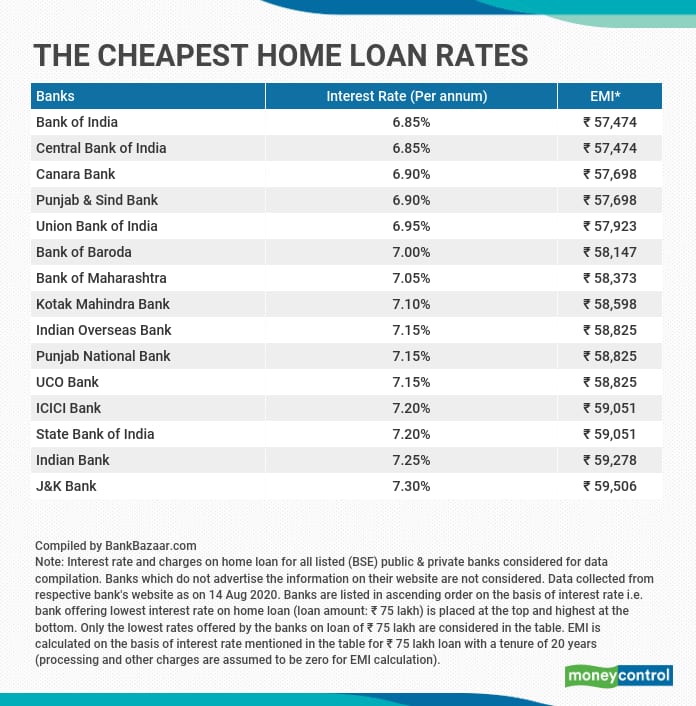
- Online Mortgage Rate Aggregators: Websites specializing in mortgage rates (e.g., Bankrate, LendingTree, Zillow Mortgages) allow you to compare rates from multiple lenders based on your specific criteria, offering a snapshot of current market offerings.
- Direct Lender Quotes: The most accurate way to understand the rates available to you is to obtain personalized quotes from several different lenders. This is crucial because advertised rates are often for ideal candidates, and your specific rate will depend on your unique financial profile.
- Understanding APR vs. Interest Rate: Be sure to distinguish between the nominal interest rate and the Annual Percentage Rate (APR). The interest rate is solely the cost of borrowing the principal. The APR, however, includes the interest rate plus certain other fees and charges (like origination fees, discount points, and some closing costs) expressed as an annual percentage. It provides a more comprehensive measure of the true cost of your loan.
Optimizing Your Application for the Best Rates
While market forces are largely beyond your control, your personal financial preparation significantly impacts the interest rate you’ll ultimately secure. Proactive steps can make a substantial difference.
Fortifying Your Financial Profile
Before even speaking to a lender, investing time in improving your financial standing can pay dividends:
- Credit Score Improvement: A higher credit score signals lower risk to lenders, making you eligible for better rates. Pay all bills on time, keep credit card balances low (below 30% utilization), avoid opening new credit accounts unnecessarily, and regularly review your credit reports for errors that could unfairly depress your score. Dispute any inaccuracies promptly.
- Debt Reduction: Lowering your debt-to-income (DTI) ratio is crucial. Focus on paying down high-interest debts like credit card balances or personal loans. A lower DTI demonstrates to lenders that you have more financial capacity to comfortably handle your mortgage payments.
- Saving a Larger Down Payment: A substantial down payment (ideally 20% or more) achieves several objectives. It reduces your loan-to-value (LTV) ratio, signaling lower risk to the lender and often resulting in a lower interest rate. It can also eliminate the need for Private Mortgage Insurance (PMI) on conventional loans, further reducing your monthly housing costs. A significant down payment also demonstrates financial discipline and stability.
- Document Preparation: Being organized and having all necessary financial documents ready (pay stubs, tax returns, bank statements, investment account statements) can streamline the application process and prevent delays. Delays can be costly if interest rates rise while your loan is pending.
The Power of Comparison Shopping
This cannot be overstated: getting quotes from multiple lenders is perhaps the single most effective way to secure the best interest rate. Don’t simply accept the first offer you receive. Even a difference of 0.125% or 0.25% in the interest rate can save you tens of thousands of dollars over the life of a 30-year mortgage.
- Shop Diverse Lender Types: Obtain quotes from a variety of sources: large national banks, local credit unions, independent mortgage brokers, and online lenders. Each may have different pricing structures and programs. Mortgage brokers, in particular, can be valuable as they work with multiple wholesale lenders and can often find competitive rates without you having to apply to each one individually.
- Get Quotes Within a Short Window: To ensure you’re comparing apples to apples and to minimize the impact on your credit score from multiple inquiries, aim to gather all your mortgage quotes within a 14-45 day window. Credit scoring models typically count multiple mortgage inquiries within this timeframe as a single inquiry.
- Focus on the Loan Estimate: Once you’ve applied, lenders are required to provide a Loan Estimate within three business days. This document details your interest rate, monthly payment, closing costs, and other loan terms. Carefully compare the APR, closing costs, and the interest rate itself across all your received Loan Estimates.
Understanding and Negotiating Loan Costs
The interest rate isn’t the only factor affecting your mortgage’s overall cost. Other fees and charges can also be significant.
- Discount Points (or Mortgage Points): These are optional upfront fees paid directly to the lender at closing in exchange for a lower interest rate. One point typically equals 1% of the loan amount. You must calculate the “break-even point” to determine if paying points is financially advantageous for you – how long will it take for the monthly savings from the lower rate to offset the upfront cost of the points? If you plan to stay in your home for a long time, paying points might be worthwhile.
- Closing Costs: Beyond interest, lenders charge various fees to process your loan, including origination fees, appraisal fees, title insurance, attorney fees, and escrow fees. While some fees are fixed, others may be negotiable or “shoppable.” Review your Loan Estimate carefully and ask lenders to explain each charge. Don’t hesitate to negotiate or ask if certain fees can be waived or reduced.
- Lender Credits: Conversely, some lenders may offer “lender credits” to cover some or all of your closing costs. The trade-off is usually a slightly higher interest rate. This option can be beneficial if you’re short on cash for closing but increases your overall loan cost over time.
Long-Term Implications and Future Considerations
Securing a home loan is a long-term commitment. Understanding the enduring impact of interest rates and preparing for future financial decisions is crucial for sustained financial health.
Calculating the True Cost of Your Mortgage
The interest rate you secure profoundly impacts the total amount you will pay over the life of your loan. While a 30-year fixed-rate mortgage offers lower monthly payments, it typically results in significantly more interest paid compared to a 15-year fixed-rate mortgage. For example, on a $300,000 loan, a 30-year mortgage at 7% could accrue over $400,000 in interest alone, totaling over $700,000 repaid. The same loan at 6.5% would save you tens of thousands in interest. In contrast, a 15-year loan at a slightly lower rate (say, 6.25%) might accrue only $160,000 in interest, though with a much higher monthly payment. Understanding these long-term implications allows you to balance monthly affordability with overall cost-efficiency. Utilizing online mortgage calculators can help you visualize these differences and make a truly informed choice.
Refinancing: A Strategic Tool
Refinancing involves taking out a new mortgage to pay off your existing one, often with new terms. It’s a strategic tool that homeowners can leverage under specific circumstances:
- Lowering Your Interest Rate: The most common reason to refinance is to secure a lower interest rate than your current mortgage. Even a fractional drop can lead to substantial savings on monthly payments and total interest paid over the remaining term. This is particularly appealing when market rates have fallen significantly since you originated your loan.
- Changing Your Loan Term: You might refinance from a 30-year to a 15-year mortgage to pay off your home faster, or from a 15-year to a 30-year to reduce monthly payments, albeit at the cost of more interest over the longer term.
- Switching Loan Types: Homeowners with an Adjustable-Rate Mortgage (ARM) might refinance into a fixed-rate mortgage to lock in stability and protect themselves from potential rate increases. Conversely, some might switch from an FHA loan to a conventional loan to remove mortgage insurance premiums.
- Tapping Into Home Equity (Cash-Out Refinance): A cash-out refinance allows you to borrow against your home’s equity, receiving a lump sum of cash at closing. This cash can be used for home improvements, debt consolidation, or other large expenses. However, it increases your loan amount and total interest paid.
It’s crucial to calculate the “break-even point” for any refinance – how long will it take for the savings from the new loan to offset the closing costs associated with the refinance? If you plan to move before reaching that point, refinancing might not be financially beneficial.

Preparing for Rate Changes and Market Volatility
While predicting future interest rate movements with certainty is impossible, staying aware of the economic landscape allows you to prepare:
- For Fixed-Rate Holders: If you have a fixed-rate mortgage, you enjoy the peace of mind of stable payments regardless of market fluctuations. Your primary concern would be monitoring rates for potential refinancing opportunities if they drop significantly.
- For ARM Holders: If you have an ARM, understanding your adjustment periods, index, margin, and rate caps is vital. As your fixed period approaches its end, closely monitor market rates and economic forecasts. Prepare for potential payment increases, and consider refinancing into a fixed-rate loan if rates are favorable or if you anticipate future increases you cannot afford.
- General Advice: Regularly review your financial situation and your mortgage terms. Stay informed about Federal Reserve announcements, inflation reports, and employment data. This awareness empowers you to make proactive decisions, whether it’s setting aside extra funds for potential payment increases (for ARMs) or identifying optimal times for a strategic refinance.
In conclusion, understanding what interest rates are on home loans goes far beyond knowing a single percentage. It involves appreciating the complex interplay of personal financial health, market dynamics, and macroeconomic forces. By taking the time to educate yourself, optimize your financial profile, diligently shop for the best rates, and plan for the long term, you can transform the daunting task of securing a mortgage into a powerful step towards achieving your homeownership goals and building lasting financial security.
aViewFromTheCave is a participant in the Amazon Services LLC Associates Program, an affiliate advertising program designed to provide a means for sites to earn advertising fees by advertising and linking to Amazon.com. Amazon, the Amazon logo, AmazonSupply, and the AmazonSupply logo are trademarks of Amazon.com, Inc. or its affiliates. As an Amazon Associate we earn affiliate commissions from qualifying purchases.