
Interest rates are the heartbeat of the global economy, dictating everything from the cost of a morning cup of coffee (via business operating loans) to the feasibility of homeownership. After a decade of historic lows, the financial landscape has shifted dramatically. Understanding what the interest rates are now requires more than just looking at a single percentage; it necessitates an analysis of the Federal Reserve’s monetary policy, the current state of inflation, and the resulting ripple effects across various credit and savings products.
Today’s interest rate environment is defined by a “higher for longer” sentiment. Following an aggressive series of hikes designed to cool rampant inflation, rates have stabilized at levels not seen since before the 2008 financial crisis. For consumers and investors, this creates a dual-edged sword: borrowing has become significantly more expensive, but for the first time in a generation, “cash” is no longer a drag on a portfolio.
The Macroeconomic Driver: The Federal Reserve’s Mandate
To understand current interest rates, one must look directly at the Federal Open Market Committee (FOMC). The Federal Reserve operates under a dual mandate: to promote maximum employment and maintain stable prices. When inflation surged to 40-year highs, the Fed responded by raising the federal funds rate—the benchmark interest rate at which commercial banks borrow and lend to each other overnight.
The Federal Funds Rate Explained
The federal funds rate currently sits in a target range that represents a significant departure from the near-zero rates of the 2010s. This benchmark does not directly set the interest rate you pay on a credit card or a mortgage, but it serves as the foundation. When the Fed raises this rate, it becomes more expensive for banks to borrow money. To maintain their profit margins, banks pass these costs on to consumers in the form of higher Prime Rates.
Why Inflation Dictates Your Wallet
The primary reason rates remain elevated today is the stickiness of inflation, particularly in the service and housing sectors. While the Consumer Price Index (CPI) has cooled from its peak, the Federal Reserve remains cautious about cutting rates too early. The fear is a repeat of the 1970s, where premature rate cuts led to a second wave of inflation that was even harder to contain. Consequently, the current “plateau” in interest rates is a strategic holding pattern designed to ensure that inflation returns to the 2% target without triggering a deep recession.
The Mortgage Market: Navigating the New Normal
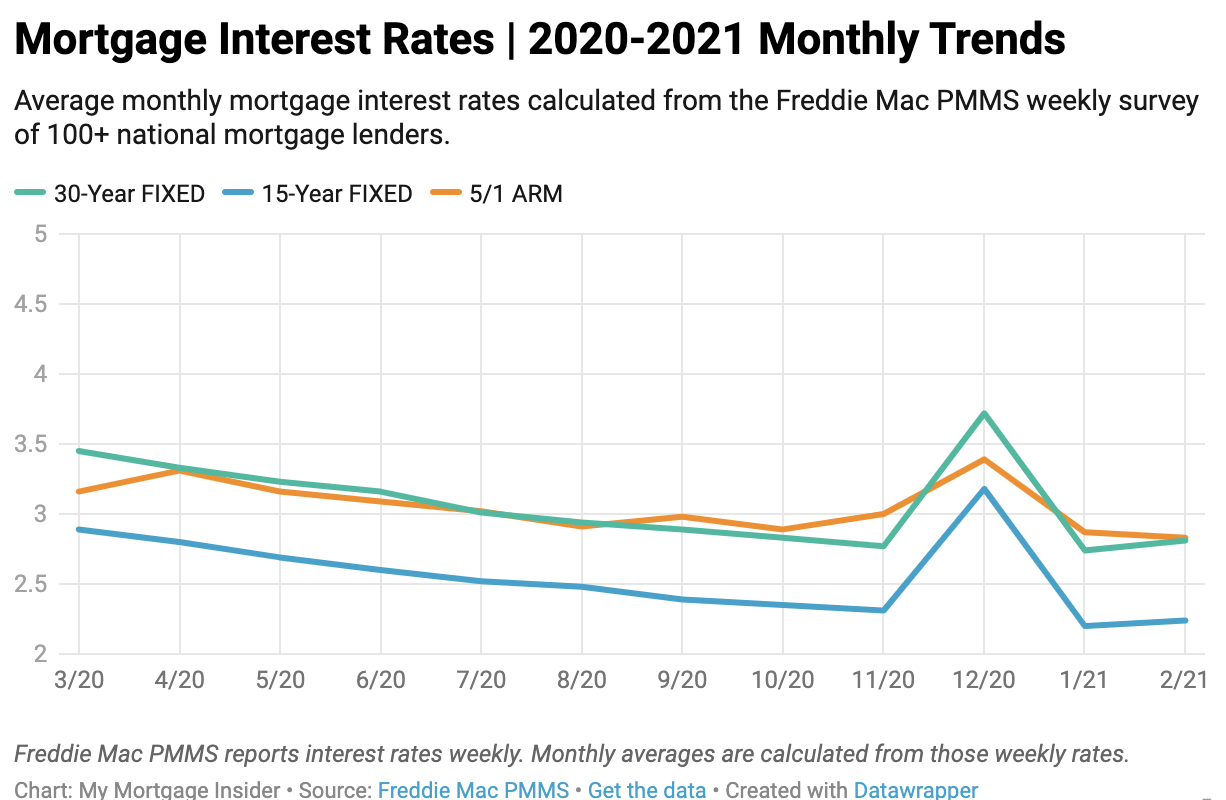
Perhaps nowhere is the impact of current interest rates felt more acutely than in the housing market. For years, 3% mortgage rates were the gold standard, fueling a massive boom in homebuying and refinancing. Today, the landscape is fundamentally different, characterized by rates that have doubled or even tripled from their pandemic-era lows.
Fixed vs. Adjustable-Rate Mortgages
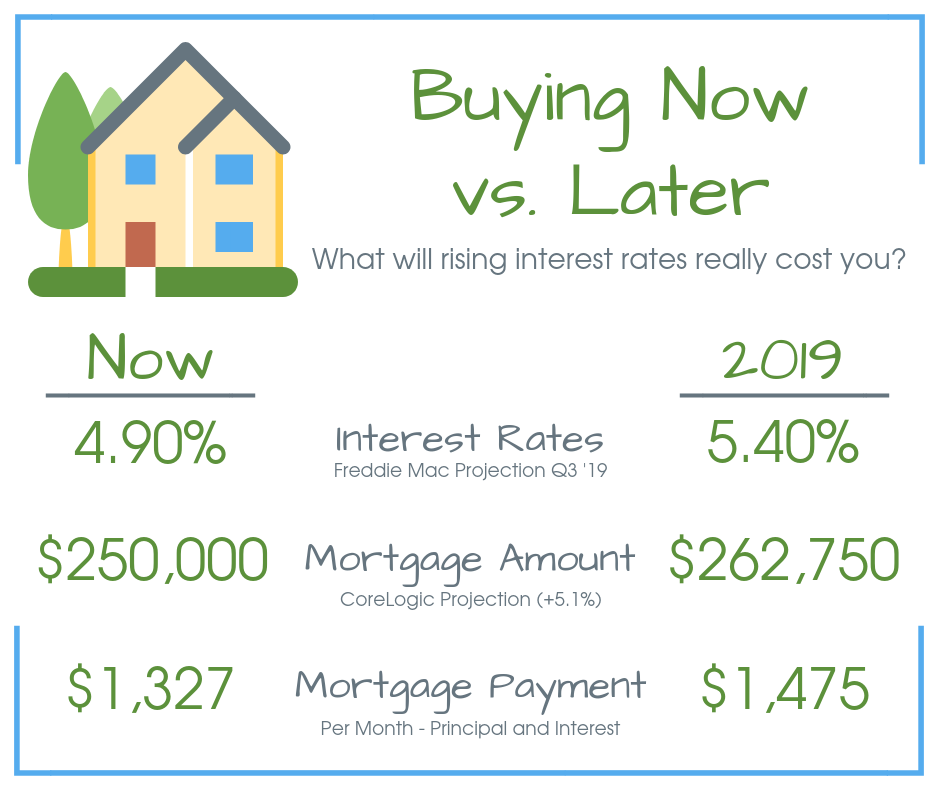
The 30-year fixed-rate mortgage remains the most popular product in the United States, but its current pricing has fundamentally altered housing affordability. Prospective buyers are now facing monthly payments that are hundreds, sometimes thousands, of dollars higher than they would have been just a few years ago.
This has led to a resurgence in interest for Adjustable-Rate Mortgages (ARMs). While ARMs offer a lower initial rate for a set period (usually 5, 7, or 10 years), they carry the risk of upward adjustments in the future. In the current environment, many borrowers are opting for ARMs with the hope that they can refinance into a lower fixed rate before the adjustment period kicks in—a strategy known as “marrying the house and dating the rate.”
The Impact on Housing Inventory and Prices
High interest rates have created a “lock-in effect.” Homeowners who secured 2.5% or 3% rates during the 2020-2021 window are reluctant to sell, as moving would mean trading their low-cost debt for a new mortgage at 6% or 7%. This has led to a stagnation in housing inventory. Paradoxically, even as rates have risen, home prices in many markets have remained resilient because the supply of available homes is so low. For the first-time homebuyer, this creates a challenging environment where both the cost of the asset and the cost of the financing are near all-time highs.
Consumer Credit: The Rising Cost of Debt
While mortgages are the largest form of household debt, the impact of current interest rates on short-term consumer credit is equally significant. Most consumer debt products are “variable,” meaning they track the Prime Rate closely.

Credit Card APRs and Debt Management
Credit card Annual Percentage Rates (APRs) have hit record highs, often exceeding 20% or even 25% for many consumers. Because credit cards are typically pegged to the Prime Rate plus a margin, every hike by the Federal Reserve has a near-instant impact on the interest charged on revolving balances.
In this high-rate environment, the “cost of carrying a balance” has become punitive. Financial advisors are increasingly emphasizing debt consolidation or the use of 0% intro APR balance transfer cards as essential tools for financial survival. However, qualifying for these products requires a strong credit score, leaving those with lower scores trapped in a cycle of high-interest payments.
The Auto Loan Crisis
The automotive market has also been hit hard. Gone are the days of 0% financing from manufacturers on a wide range of models. Today, even well-qualified buyers are often seeing rates between 5% and 8%, while subprime borrowers may face rates nearing 20%. This has led to an increase in the average monthly car payment, pushing many consumers toward used vehicles or extending loan terms to 72 or 84 months—a move that often results in the borrower being “underwater” on the loan.
The Silver Lining: High-Yield Savings and Fixed Income
While borrowers are feeling the pinch, savers are finally reaping the rewards of a high-interest-rate environment. For over a decade, “saving” was a losing game as inflation outpaced the meager 0.01% yields offered by traditional big-box banks. That has changed.
Maximizing Returns with HYSA and CDs
High-Yield Savings Accounts (HYSAs) and Certificates of Deposit (CDs) are currently offering yields that haven’t been seen in nearly 20 years. Competitive online banks are offering HYSAs with rates significantly higher than the national average. For individuals with an emergency fund or short-term cash needs, these accounts represent a safe, liquid way to earn a meaningful return.
CD ladders have also become a popular strategy. By staggering the maturity dates of different CDs, investors can lock in current high rates for a portion of their capital while maintaining liquidity as different “rungs” of the ladder mature. This is particularly attractive for retirees or those looking for a guaranteed return without the volatility of the stock market.
The Resurgence of the Bond Market
The “60/40” portfolio (60% stocks, 40% bonds) had a disastrous year when rates first began to rise, as bond prices move inversely to interest rates. However, now that rates have stabilized at higher levels, the “income” portion of fixed income has returned. Treasury bonds, corporate bonds, and municipal bonds are now providing genuine yield, making them an attractive alternative to equities for risk-averse investors. Short-term Treasury bills (T-Bills), in particular, have become a favorite for institutional and retail investors alike, offering yields that rival or exceed the historical average return of the stock market in some periods, but with zero default risk.
Navigating the Future: Investment and Planning Strategies
In a world where interest rates are no longer zero, the rules of personal finance have been rewritten. Strategic planning now requires a more nuanced approach to capital allocation and risk management.
The Refinancing Waiting Game
For those who purchased homes or cars during the recent peak of interest rates, the question is not “if” they should refinance, but “when.” Market analysts are closely watching Fed commentary for signs of a “pivot”—the moment when the central bank begins to lower rates. When that happens, there will likely be a surge in refinancing activity. Smart consumers are keeping their credit scores high and their equity positions healthy to ensure they can take advantage of lower rates the moment they become available.
Investment Rebalancing
The era of “easy money” benefited growth stocks and speculative assets (like pre-revenue tech companies and certain cryptocurrencies) because future earnings were discounted at very low rates. In a high-rate environment, investors tend to favor “value” stocks—companies that have strong cash flows, low debt, and the ability to pay dividends now.
Higher rates also increase the “hurdle rate” for any investment. If you can get a 5% guaranteed return from a Treasury bill, a risky business venture or a stock must offer a significantly higher expected return to justify the risk. This shift in mindset is forcing a more disciplined approach to investing across all asset classes.
Conclusion: The Importance of Agility
What are the interest rates now? They are a reflection of an economy in transition. We have moved from an era of capital abundance to an era of capital discipline. Whether you are a homebuyer looking at a 7% mortgage, a saver enjoying a 5% HYSA, or a business owner managing a floating-rate line of credit, the current environment demands agility.
Monitoring the Federal Reserve’s statements, understanding the relationship between the 10-year Treasury yield and consumer loans, and maintaining a diversified financial strategy are the keys to thriving in this high-rate world. While the cost of debt is higher, the opportunity for prudent savers and disciplined investors has rarely been better in the modern era. The “new normal” of interest rates is not necessarily a threat; it is simply a different set of rules that requires a different playbook for financial success.
aViewFromTheCave is a participant in the Amazon Services LLC Associates Program, an affiliate advertising program designed to provide a means for sites to earn advertising fees by advertising and linking to Amazon.com. Amazon, the Amazon logo, AmazonSupply, and the AmazonSupply logo are trademarks of Amazon.com, Inc. or its affiliates. As an Amazon Associate we earn affiliate commissions from qualifying purchases.