
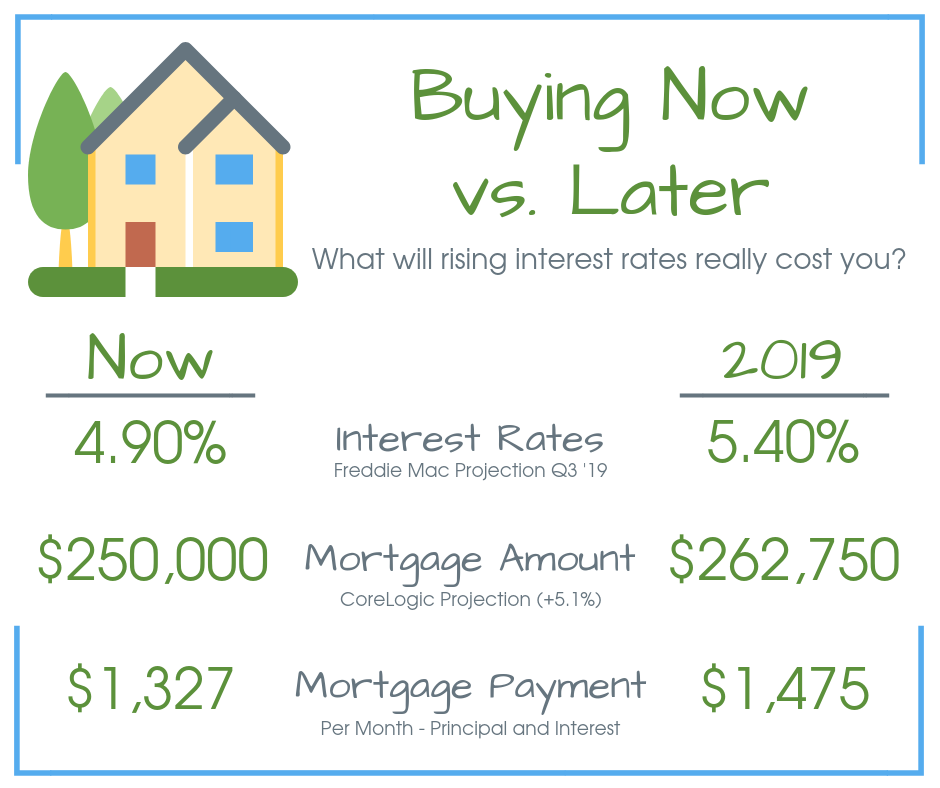
Navigating the housing market requires more than just finding the perfect property; it demands a deep understanding of the financial mechanisms that determine the total cost of ownership. At the heart of this complexity lies the interest rate. For most homebuyers, the interest rate is the single most influential factor in determining their monthly mortgage payment and the total interest paid over the life of the loan. However, interest rates are not static figures. They are fluid, influenced by a delicate balance of macroeconomic indicators, central bank policies, and the individual financial profile of the borrower. To understand what the interest rates are for buying a house today, one must look beyond the daily headlines and examine the structural forces of the financial markets.
Understanding the Macroeconomic Drivers of Mortgage Rates
Mortgage rates do not exist in a vacuum. While many consumers believe that the Federal Reserve sets mortgage rates directly, the reality is more nuanced. The interest rates offered by commercial lenders are influenced by a series of interconnected economic signals.
The Role of the Federal Reserve and the Federal Funds Rate
The Federal Reserve exerts significant influence over the cost of borrowing through the Federal Funds Rate—the interest rate at which commercial banks borrow and lend to each other overnight. When the Fed raises this rate to combat inflation, it increases the cost of capital for banks. To maintain their margins, banks pass these costs onto consumers in the form of higher interest rates for credit cards, personal loans, and mortgages. Conversely, when the Fed lowers rates to stimulate economic growth, mortgage rates typically trend downward.
Inflation and the Purchasing Power of Lenders
Inflation is perhaps the greatest enemy of fixed-income investors, including those who buy mortgage-backed securities (MBS). If inflation is high, the future value of the interest payments a lender receives is eroded. To compensate for this loss of purchasing power, lenders demand higher interest rates. This is why mortgage rates often spike even before official central bank rate hikes if the market anticipates rising inflation.
The 10-Year Treasury Yield Connection
Historically, there is a strong correlation between the yield on the 10-Year U.S. Treasury Note and the 30-year fixed-rate mortgage. Mortgage lenders often use the 10-year yield as a benchmark, adding a “spread” to account for the additional risk of a mortgage compared to a government-backed bond. When investors flock to the safety of Treasuries, yields drop, often pulling mortgage rates down with them. When the economy is booming and investors move toward riskier assets, Treasury yields rise, and mortgage rates usually follow suit.
Personal Financial Factors That Determine Your Specific Rate
While the national average interest rate provides a general benchmark, the specific rate offered to an individual borrower is highly personalized. Lenders use a process called “risk-based pricing” to determine how likely a borrower is to default on their loan.
Credit Score: The Primary Lever
Your credit score is the most significant individual factor in the interest rate equation. Lenders use FICO scores to categorize borrowers into risk tiers. A borrower with a “prime” score (typically 740 or higher) will qualify for the lowest available rates, while a borrower with a score in the low 600s may face rates that are 1% to 2% higher. Over a 30-year loan, this seemingly small difference in percentage points can translate into hundreds of thousands of dollars in extra interest.
Debt-to-Income Ratio (DTI)
Lenders examine your Debt-to-Income ratio to ensure you have the financial capacity to take on a new mortgage. This ratio compares your total monthly debt obligations to your gross monthly income. A high DTI suggests that a borrower is overextended, making them a higher risk. To mitigate this risk, lenders may charge a higher interest rate or require a larger down payment.
Down Payment and Loan-to-Value (LTV)
The amount of equity you have in a home from day one influences your rate. A larger down payment reduces the lender’s Loan-to-Value (LTV) ratio. A lower LTV means the lender has a greater cushion if the property value drops or if the borrower defaults. Typically, a down payment of 20% or more allows borrowers to avoid Private Mortgage Insurance (PMI) and often unlocks more competitive interest rates.
Loan Amount and Property Type
The size of the loan and the nature of the property also play a role. “Jumbo” loans—loans that exceed the conforming limits set by Fannie Mae and Freddie Mac—often carry different interest rates than standard loans, depending on market liquidity. Similarly, interest rates for investment properties or second homes are almost always higher than those for primary residences, as these properties are statistically more likely to be defaulted on during financial hardship.
Comparing Different Mortgage Products and Their Rate Structures
Interest rates are also dictated by the structure of the loan product itself. Choosing the right type of mortgage involves balancing the desire for a low initial rate with the need for long-term stability.
The 30-Year vs. 15-Year Fixed-Rate Mortgage
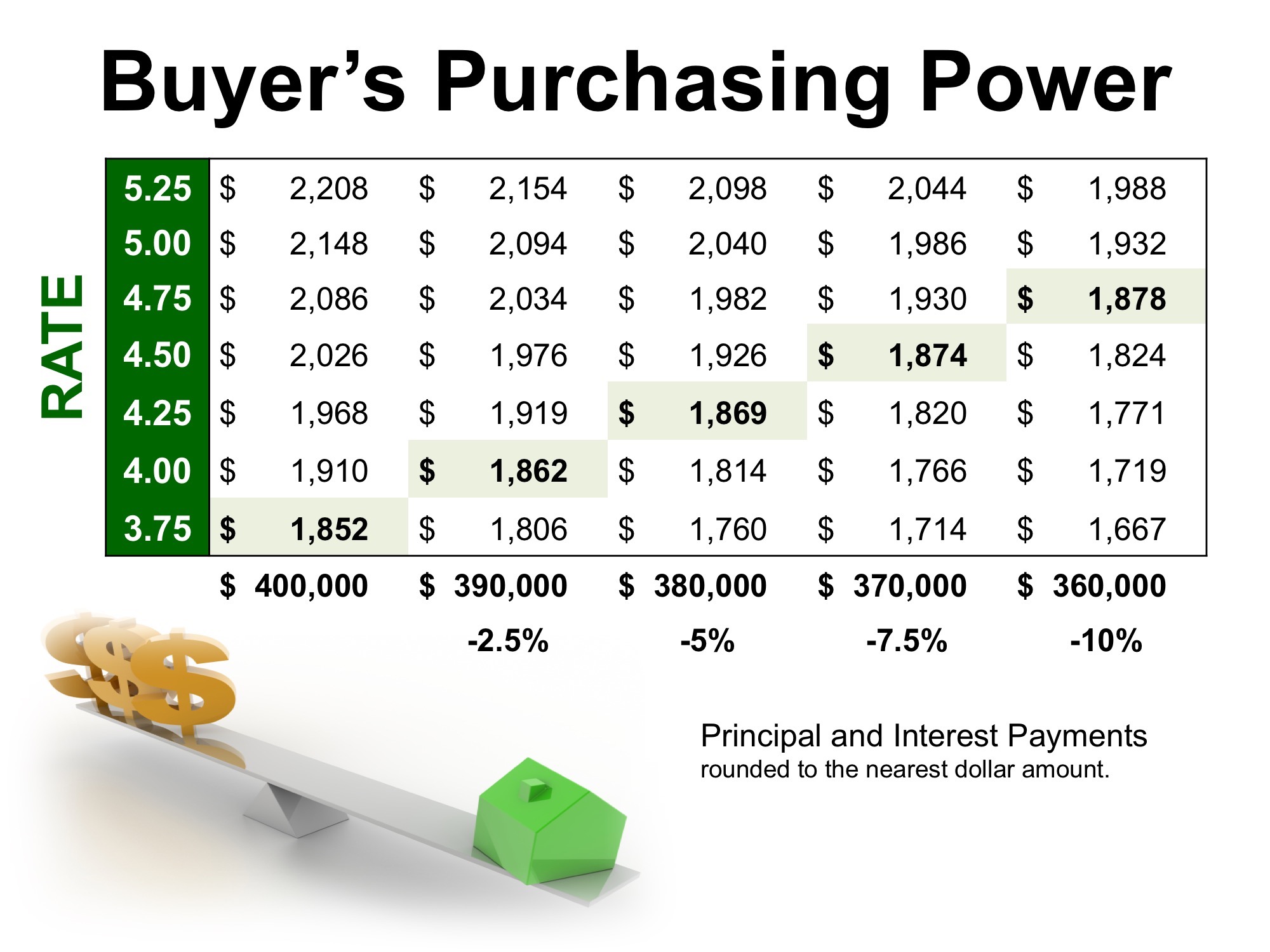
The 30-year fixed-rate mortgage is the standard-bearer of the American housing market, offering predictable payments for three decades. However, because the lender is taking on the risk of interest rate fluctuations for a longer period, 30-year rates are higher than 15-year rates. A 15-year mortgage typically offers a significantly lower interest rate and allows the borrower to build equity much faster, though it requires much higher monthly payments.
Adjustable-Rate Mortgages (ARMs)
Adjustable-rate mortgages offer an initial “teaser” rate that is usually lower than the prevailing fixed rates. This rate remains stable for a set period (e.g., 5, 7, or 10 years) before adjusting annually based on a market index. ARMs can be beneficial for buyers who plan to sell or refinance before the initial period ends, but they carry the risk of significantly higher payments if market rates rise in the future.
Government-Backed Loans: FHA, VA, and USDA
For borrowers who may not meet the strict requirements of conventional loans, government-backed programs offer an alternative. FHA loans, insured by the Federal Housing Administration, often have competitive interest rates for those with lower credit scores. VA loans, available to veterans and active-duty service members, frequently offer the lowest rates on the market with no down payment requirement. While these loans have lower base rates, it is important to factor in the cost of mortgage insurance premiums, which can affect the overall Annual Percentage Rate (APR).
Strategies to Secure the Lowest Possible Interest Rate
Securing a favorable interest rate is not a passive process. Savvy borrowers can take proactive steps to lower their borrowing costs before they ever sign a closing document.
Buying Down the Rate with Discount Points
Borrowers have the option to “buy” a lower interest rate by paying discount points at closing. One point typically costs 1% of the total loan amount and reduces the interest rate by a predetermined increment (often 0.25%). This is essentially prepaying interest. To determine if this is a wise financial move, borrowers must calculate the “break-even point”—the number of months it will take for the monthly savings to exceed the upfront cost of the points.
The Importance of Shopping Multiple Lenders
Interest rates can vary significantly from one lender to another. Large national banks, local credit unions, and online mortgage brokers all have different overhead costs and risk appetites. By obtaining at least three different Loan Estimates, borrowers can compare not only the base interest rate but also the closing costs and the APR. Even a 0.125% difference in the rate can save thousands of dollars over time.
Utilizing a Rate Lock
Mortgage rates fluctuate daily, sometimes even hourly. Once a borrower finds a rate they are comfortable with, they should consider a rate lock. A rate lock guarantees a specific interest rate for a set period (usually 30 to 60 days) while the loan is being processed. This protects the buyer from rate spikes during the underwriting period. Some lenders even offer “float-down” options, which allow the borrower to take advantage of lower rates if they drop before closing, while still protecting against increases.
The Broader Economic Outlook and Its Impact on Your Decision
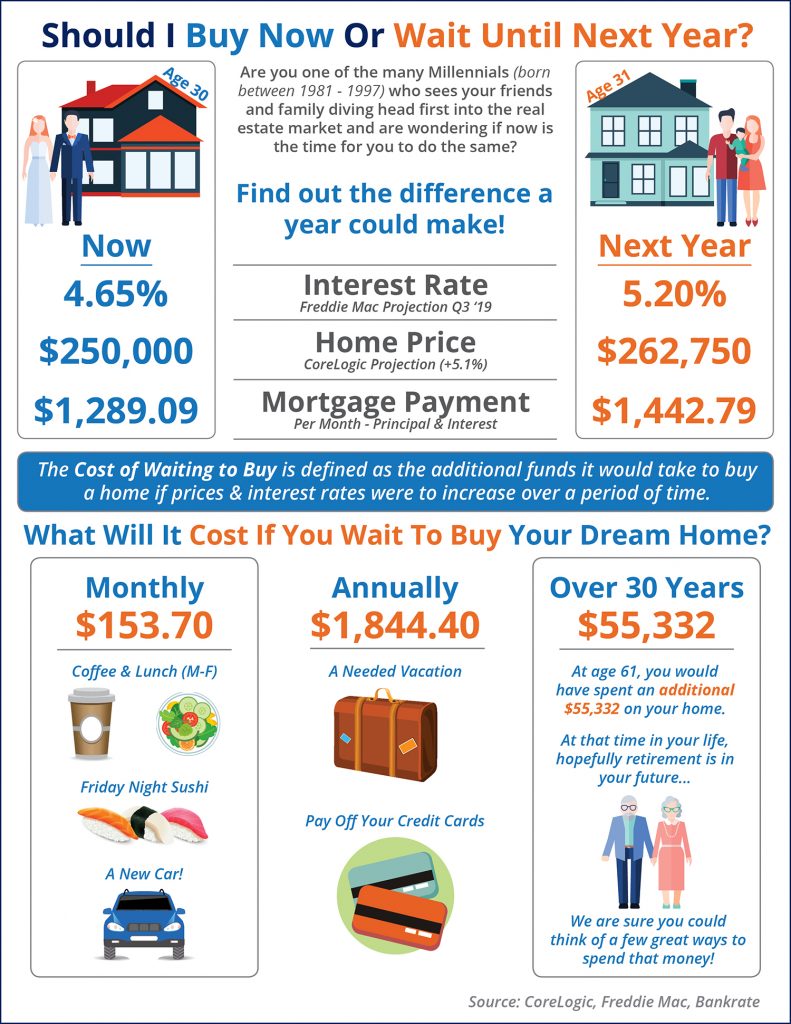
Deciding when to enter the market involves an assessment of the current economic cycle. When interest rates are high by historical standards, many potential buyers adopt a “wait and see” approach. However, this strategy carries its own risks. If rates drop significantly in the future, the resulting surge in demand can drive home prices higher, potentially offsetting the savings from a lower interest rate.
Conversely, buying when rates are higher may offer less competition and more room for price negotiation. Borrowers who buy in a high-rate environment often do so with the intention of refinancing later. Refinancing involves replacing the current high-interest mortgage with a new one at a lower rate when market conditions improve. While this requires paying closing costs again, it can drastically reduce long-term costs.
Ultimately, the interest rate for buying a house is a reflection of both the global economy and your personal financial health. By maintaining a strong credit profile, understanding the various loan products available, and keeping a close eye on economic indicators, you can navigate the complexities of the mortgage market and secure a financing deal that aligns with your long-term wealth-building goals. Interest rates will always fluctuate, but a well-informed borrower is always in a better position to capitalize on the opportunities those fluctuations present.
aViewFromTheCave is a participant in the Amazon Services LLC Associates Program, an affiliate advertising program designed to provide a means for sites to earn advertising fees by advertising and linking to Amazon.com. Amazon, the Amazon logo, AmazonSupply, and the AmazonSupply logo are trademarks of Amazon.com, Inc. or its affiliates. As an Amazon Associate we earn affiliate commissions from qualifying purchases.