
When you’re struggling to find restful sleep and battling aches and pains, Tylenol PM often emerges as a go-to solution. Its promise is simple: to alleviate discomfort and usher in a peaceful night’s sleep. But what exactly lies within that familiar blue pill? Understanding the ingredients of Tylenol PM is not just about satisfying curiosity; it’s about making informed decisions about your health and understanding how medications interact with your body. This article will explore the key components of Tylenol PM, shedding light on their individual roles, their combined effects, and how this medication fits into the broader landscape of health, wellness, and consumer products.

While the core function of Tylenol PM is medicinal, the journey from understanding its ingredients to managing your well-being touches upon themes central to our website: Tech (in how we access and disseminate health information, and the technology behind drug development), Brand (in the trust and reputation built around pharmaceutical products), and Money (in the cost of healthcare, over-the-counter medications, and financial planning for health needs).
The Dual Action: Unpacking Tylenol PM’s Core Ingredients
Tylenol PM is a combination medication, meaning it contains more than one active ingredient designed to tackle different symptoms simultaneously. This dual-action approach is key to its effectiveness for individuals experiencing both pain and sleeplessness.
Acetaminophen: The Pain Reliever
The primary ingredient responsible for pain relief in Tylenol PM is acetaminophen. You might know it better by its brand name, Tylenol, which is why Tylenol PM is such a recognizable product. Acetaminophen is classified as an analgesic (pain reliever) and an antipyretic (fever reducer). Its exact mechanism of action isn’t fully understood, but it’s believed to work by inhibiting the production of prostaglandins in the central nervous system. Prostaglandins are chemicals that contribute to inflammation, pain, and fever. By reducing their levels, acetaminophen effectively dulls pain signals and lowers body temperature when it’s elevated.
- Role in Tylenol PM: In Tylenol PM, acetaminophen’s role is straightforward: to alleviate mild to moderate pain. This could be anything from headaches and muscle aches to backaches and the discomfort associated with a cold or flu. Its presence makes Tylenol PM a versatile option for managing common ailments that can disrupt sleep.
- Safety and Dosage: Acetaminophen is generally considered safe when taken as directed. However, it’s crucial to adhere to recommended dosages, as exceeding them can lead to severe liver damage. This is a vital point for personal finance and health management: understanding the risks associated with medication misuse can prevent costly and dangerous health consequences. Always read the label and consult a healthcare professional if you have any doubts.
Diphenhydramine: The Sleep Aid
The “PM” in Tylenol PM signifies its nighttime use, and that’s thanks to its second active ingredient: diphenhydramine hydrochloride. Diphenhydramine is an antihistamine. While many people associate antihistamines with allergy relief, diphenhydramine is specifically used in Tylenol PM for its sedating side effect.
- Mechanism of Action (as a sleep aid): Diphenhydramine works by blocking the action of histamine, a natural substance in the body that plays a role in alertness. By inhibiting histamine receptors in the brain, it promotes drowsiness, making it easier to fall asleep. It’s also the active ingredient in many over-the-counter sleep aids like Benadryl (though Benadryl is primarily marketed for allergies).
- Role in Tylenol PM: The inclusion of diphenhydramine is what transforms Tylenol PM from a simple pain reliever into a dual-action product designed for nighttime symptom management. It helps quiet the body and mind, allowing individuals to drift off to sleep even when experiencing pain.
- Side Effects: As with any medication, diphenhydramine can have side effects. The most common is drowsiness, which is desired in this context. However, other potential side effects include dry mouth, blurred vision, constipation, and urinary retention. In some individuals, it can also cause paradoxical excitation, leading to restlessness rather than sleepiness, especially in children. Understanding these potential side effects is crucial for making informed choices about your health and avoiding unintended consequences, tying into the Tech aspect of readily accessible health information.
Beyond the Active Ingredients: Understanding the Formulation
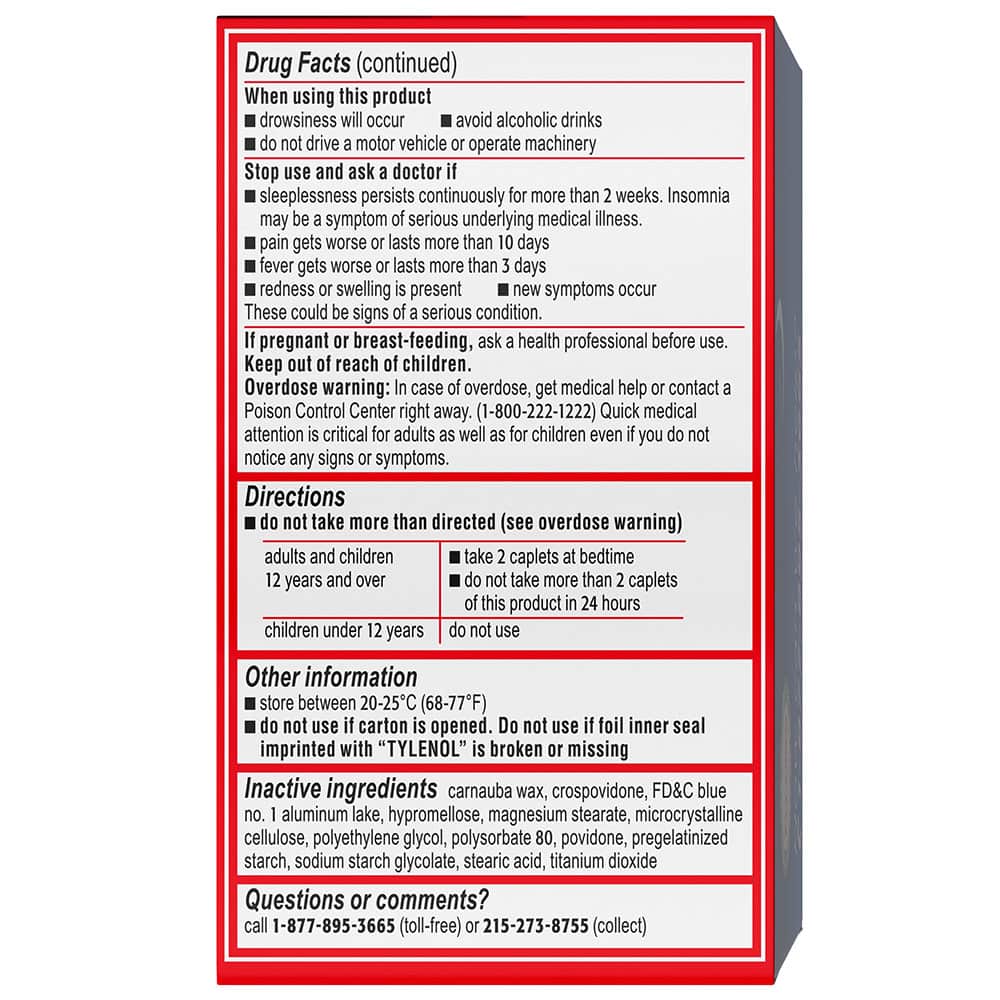
While acetaminophen and diphenhydramine are the stars of the show, Tylenol PM also contains inactive ingredients. These components are not intended to have medicinal effects but are necessary for creating the final product, ensuring its stability, ease of administration, and shelf life.
The Supporting Cast: Inactive Ingredients
The specific inactive ingredients can vary slightly between different formulations and manufacturers, but common ones include:
- Cellulose: A plant-derived carbohydrate that serves as a binder and filler, giving the tablet its structure.
- Croscarmellose Sodium: A disintegrant that helps the tablet break down in the digestive tract, allowing the active ingredients to be absorbed.
- Magnesium Stearate: A lubricant that prevents the ingredients from sticking to manufacturing equipment.
- Polyethylene Glycol: Often used as a coating agent to make the tablet easier to swallow and to protect it from moisture.
- Povidone: Another binder used to hold the tablet together.
- Pregelatinized Starch: Modified starch that acts as a binder and disintegrant.
- Sodium Starch Glycolate: Another disintegrant.
- Stearic Acid: A fatty acid used as a lubricant.
- Titanium Dioxide: Used as an opacifier and colorant (often contributing to the white color of many tablets).
These inactive ingredients are generally recognized as safe for consumption. However, individuals with specific allergies or sensitivities should always review the product’s full ingredient list. This meticulous attention to detail in product formulation highlights the sophisticated processes within the pharmaceutical industry, a blend of Tech and meticulous quality control, and speaks to the Brand reputation that pharmaceutical companies strive to maintain by ensuring product safety and efficacy.
Navigating the Landscape: Tylenol PM in the Context of Health and Commerce
Understanding the ingredients of Tylenol PM is more than a simple factual inquiry; it has implications that extend into various aspects of our lives, resonating with the core topics of our website.
The Role of Brands and Trust in Pharmaceutical Products
The Tylenol brand itself is built on decades of trust and perceived reliability. When consumers reach for Tylenol PM, they are often opting for a product from a familiar and reputable brand. This brand recognition plays a significant role in purchasing decisions.
- Building Brand Equity: Pharmaceutical companies invest heavily in building brand trust. This involves not only the efficacy of their products but also consistent quality, clear communication about ingredients and usage, and a strong reputation for safety. The “Tylenol” name has become synonymous with pain relief, and the “PM” addition clearly communicates its intended nighttime use.
- Consumer Confidence: In the realm of health, consumer confidence is paramount. Knowing the active ingredients and trusting the brand behind them allows individuals to make informed choices about their self-care. This trust is a powerful asset, built over time through rigorous testing, regulatory approval, and positive consumer experiences. The Brand topic is central here, as the company’s reputation is directly linked to the perceived safety and effectiveness of its products.
The Financial Implications of Over-the-Counter Medications
Over-the-counter (OTC) medications like Tylenol PM represent a significant segment of the healthcare market. Understanding their ingredients and effects also touches upon personal finance and investment.
- Cost-Effectiveness: For many common ailments, OTC medications offer a cost-effective alternative to prescription drugs or doctor’s visits. Tylenol PM provides a dual solution for pain and sleep issues, potentially saving money and time compared to purchasing separate pain relievers and sleep aids.
- Informed Spending: Being aware of what’s in Tylenol PM allows consumers to make informed spending decisions. If an individual only needs pain relief, they might opt for plain Tylenol to save money. If they are experiencing significant sleep disruption but minimal pain, a dedicated sleep aid might be a more targeted and potentially less expensive option. This financial prudence is a key aspect of effective personal finance management.
- The Pharmaceutical Industry as an Investment: For those interested in Money and investing, understanding the pharmaceutical industry is crucial. Companies that develop and market successful products like Tylenol PM are often strong performers in the stock market. Their innovation, research and development (R&D), and brand loyalty contribute to their financial success. The development and labeling of medications are subject to rigorous Tech and scientific processes, further underscoring the intricate relationship between science, consumer goods, and financial markets.
Technology’s Role in Health Information and Access
The ease with which we can now access information about medications like Tylenol PM is a testament to the advancements in Tech.
- Digital Health Literacy: Websites, drug information databases, and even the packaging of medications provide readily accessible information about active and inactive ingredients, potential side effects, and drug interactions. This digital accessibility empowers consumers to become more proactive in managing their health.
- Advancements in Drug Development: The very creation of combination drugs like Tylenol PM is a product of scientific and technological advancements. Researchers use sophisticated techniques to identify effective compounds, understand their interactions, and formulate them into safe and stable dosage forms. This ongoing Tech innovation drives the development of new and improved medications.
- Personalized Health and AI: While Tylenol PM is a one-size-fits-all OTC product, the broader Tech landscape is moving towards personalized health solutions. AI tools are beginning to analyze individual health data to recommend the most suitable treatments, potentially even advising on whether a product like Tylenol PM is the optimal choice for a given individual’s specific symptoms and medical history.
Responsible Usage and When to Seek Professional Advice
While Tylenol PM is a convenient option for many, responsible usage is paramount. Understanding its ingredients is the first step, but it’s also crucial to be aware of its limitations and potential risks.
Understanding Interactions and Contraindications
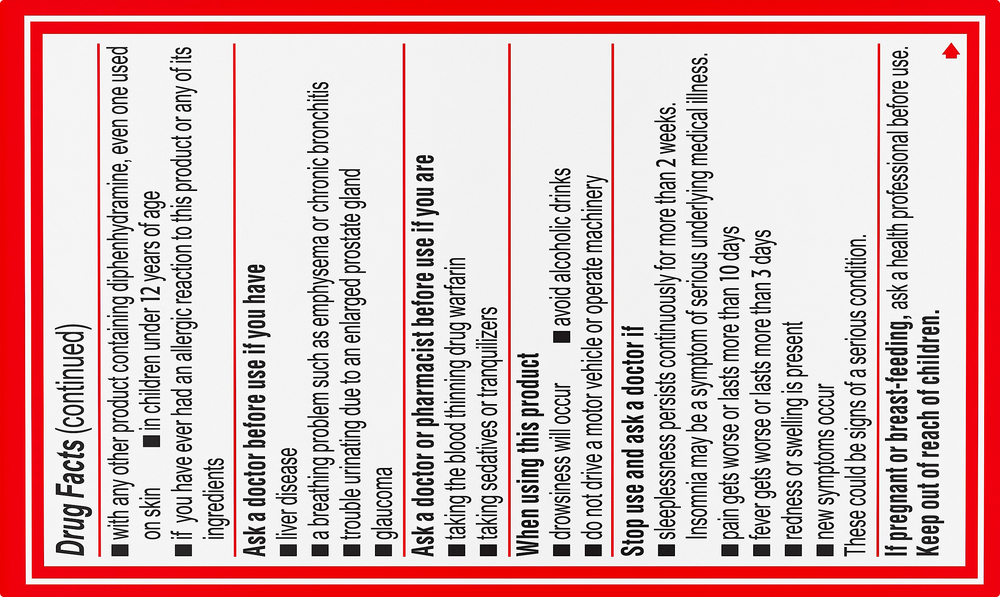
- Alcohol Consumption: It is strongly advised to avoid alcohol when taking Tylenol PM. Acetaminophen can be toxic to the liver, and alcohol consumption significantly increases this risk. Diphenhydramine’s sedating effects are also amplified by alcohol, leading to excessive drowsiness and impaired coordination.
- Other Medications: Always check with your doctor or pharmacist before taking Tylenol PM if you are on other medications. Acetaminophen is present in many other OTC and prescription drugs, and taking multiple products containing it can lead to an accidental overdose. Diphenhydramine can also interact with certain antidepressants, anxiety medications, and other sedatives.
- Pre-existing Conditions: Individuals with certain health conditions, such as liver disease, kidney disease, or glaucoma, should consult a healthcare professional before using Tylenol PM. The active ingredients may exacerbate these conditions.
When to Consult a Healthcare Professional
While Tylenol PM is designed for short-term use, persistent pain or sleep difficulties warrant professional medical attention.
- Persistent Symptoms: If your pain or sleeplessness continues for more than a week, or if it worsens, it’s essential to consult a doctor. These symptoms could be indicative of an underlying medical condition that requires diagnosis and treatment.
- Severe Side Effects: If you experience any severe side effects from Tylenol PM, such as difficulty breathing, severe dizziness, or signs of an allergic reaction, seek immediate medical help.
- Pregnancy and Breastfeeding: Pregnant or breastfeeding individuals should always consult their doctor before taking any medication, including Tylenol PM.
In conclusion, understanding the ingredients of Tylenol PM – acetaminophen for pain relief and diphenhydramine for sleep – is fundamental to its safe and effective use. This knowledge, coupled with an awareness of the brand’s reputation, the financial implications of OTC medications, and the technological advancements that facilitate health information access, empowers consumers to make better decisions about their well-being. As with any medication, responsible usage and consultation with healthcare professionals are key to ensuring optimal health outcomes.
aViewFromTheCave is a participant in the Amazon Services LLC Associates Program, an affiliate advertising program designed to provide a means for sites to earn advertising fees by advertising and linking to Amazon.com. Amazon, the Amazon logo, AmazonSupply, and the AmazonSupply logo are trademarks of Amazon.com, Inc. or its affiliates. As an Amazon Associate we earn affiliate commissions from qualifying purchases.