
The New York Stock Exchange (NYSE) stands as a towering symbol of global capitalism and a critical engine for financial markets worldwide. For anyone involved in investing, trading, or simply understanding the rhythm of the global economy, knowing the NYSE’s operating hours is not just a matter of trivia; it’s fundamental to strategy, risk management, and opportunity identification. While often perceived as a continuous, 24/7 financial landscape, the primary trading sessions of major exchanges like the NYSE operate within specific, well-defined windows. Understanding these hours, alongside the extended trading periods, holiday schedules, and the underlying logic behind them, is essential for navigating the complexities of modern finance.

The NYSE’s hours dictate when the vast majority of price discovery occurs for thousands of publicly traded companies, influencing everything from the daily headlines to long-term investment strategies. These defined periods create concentrated liquidity, ensuring fair and efficient execution of trades. Yet, the financial world doesn’t stop when the closing bell rings, extending into pre-market and after-hours sessions that offer different dynamics and risks. This comprehensive guide delves into the intricacies of NYSE operating hours, exploring their significance for various market participants and peering into the future of market accessibility.
The Regular Trading Session: The Core of Market Activity
The heartbeat of the New York Stock Exchange pulsates most vigorously during its regular trading session. This is the period when the vast majority of trading volume occurs, liquidity is at its peak, and the market experiences its most transparent and regulated activity. For many, these hours define the “trading day.”
The Iconic Opening and Closing Bells
The trading day at the NYSE is famously bookended by the ringing of the opening and closing bells. These ceremonies, often presided over by corporate executives, celebrities, or dignitaries, are more than just symbolic gestures; they mark the official start and end of the continuous auction period.
- The Opening Bell: At 9:30 AM Eastern Time (ET), the opening bell signals the commencement of the trading session. This moment is often accompanied by significant volatility as accumulated orders from the pre-market session, and any overnight news, flood the market. It’s a critical time for price discovery as buying and selling pressures collide, setting the initial tone for the day. For day traders and those reacting to immediate news, the first few minutes after the opening bell can be highly lucrative yet equally risky.
- The Closing Bell: At 4:00 PM ET, the closing bell brings the regular trading session to an end. Similar to the opening, the final minutes leading up to the close can see increased activity as institutional investors and traders seek to balance positions, execute large block trades, or influence end-of-day prices. The closing price established at 4:00 PM ET is often the benchmark price referenced in financial reports and news summaries until the next trading day begins.
Defining the Standard Trading Hours
The standard operating hours for the New York Stock Exchange are 9:30 AM Eastern Time (ET) to 4:00 PM ET, Monday through Friday. This six-and-a-half-hour window is where the bulk of stock market activity unfolds. It’s crucial for investors to remember that all times referenced by the NYSE are in Eastern Time, which means individuals in different time zones must adjust accordingly. For instance, a trader in California (Pacific Time) would begin their trading day at 6:30 AM PT, while someone in London (GMT) would be monitoring the NYSE from 2:30 PM to 9:00 PM GMT.
During these hours, a continuous auction market operates, where buyers and sellers meet, and prices are determined by supply and demand. Market makers and specialists ensure order and liquidity, facilitating the smooth exchange of securities. This regulated and structured environment is designed to ensure fairness, transparency, and efficiency for all participants.
Beyond the Standard: Pre-Market and After-Hours Trading
While the regular trading session commands the most attention, the financial markets are not entirely dormant outside of these core hours. Electronic trading networks have enabled significant activity in the pre-market and after-hours sessions, offering extended opportunities and presenting unique challenges.
Navigating Pre-Market Trading
Pre-market trading refers to the period before the official 9:30 AM ET opening bell. For the NYSE, this typically begins as early as 4:00 AM ET and extends until 9:30 AM ET. This extended window allows investors to react to news released before the market opens, such as corporate earnings reports, economic data, or breaking geopolitical events, without waiting for the regular session.
- Characteristics: Pre-market trading is generally characterized by lower liquidity and higher volatility compared to the regular session. Fewer participants mean that relatively small orders can have a disproportionate impact on stock prices. Bid-ask spreads tend to be wider, and execution prices can be less favorable.
- Participants: This period is often utilized by institutional traders, professional investors, and active retail traders who wish to gain an edge by reacting swiftly to new information.
- Mechanism: Trades during this period are primarily executed through Electronic Communication Networks (ECNs) rather than the traditional NYSE floor. ECNs match buy and sell orders electronically, bypassing the need for human intermediaries.
Understanding After-Hours Trading
After-hours trading occurs following the 4:00 PM ET closing bell, typically running from 4:00 PM ET until 8:00 PM ET. Similar to pre-market, this session provides an avenue for investors to trade outside regular hours, often in response to late-day news, analyst reports, or updated economic figures. Many companies release their quarterly earnings reports after the market closes, making after-hours trading a critical period for investors to react immediately.
- Characteristics and Risks: Like pre-market trading, after-hours trading suffers from reduced liquidity and increased volatility. The reduced volume can lead to larger price swings and difficulty in executing large orders without significantly impacting the price. Individual investors might also find it harder to get their orders filled at desired prices due to the limited number of participants.
- Strategic Use: Active traders might use after-hours sessions to capitalize on rapid price movements following news announcements, while long-term investors might use it to make minor adjustments to their portfolios based on significant developments. However, the risks associated with wider spreads and lower liquidity necessitate caution.
- The Role of ECNs: Again, ECNs are the primary facilitators of after-hours trading, connecting buyers and sellers directly and automatically.
Impact on Investors and Trading Strategies
The various market hours have distinct implications for different types of investors and their trading strategies. A clear understanding of these dynamics is crucial for effective decision-making and risk management in the financial markets.
Strategic Considerations for Active Traders
For day traders, swing traders, and other active market participants, the precise timing of NYSE hours is paramount.
- Volatility and Opportunity: The opening and closing hours of the regular session are often the most volatile, presenting both the greatest opportunities for quick gains and the highest risks. Day traders frequently focus on these periods, using technical analysis to identify trends and entry/exit points.
- News Reaction: Active traders must be vigilant about news releases, particularly those scheduled before market open or after market close. Pre-market and after-hours sessions allow for immediate reaction, but with the caveat of lower liquidity and wider spreads. A disciplined approach to managing risk during these extended hours is essential.
- Liquidity Management: Understanding when liquidity is highest (regular hours) and lowest (extended hours) informs trade sizing and execution strategy. Attempting to move large blocks of shares during low-liquidity periods can lead to significant price slippage.
The Long-Term Investor’s Perspective
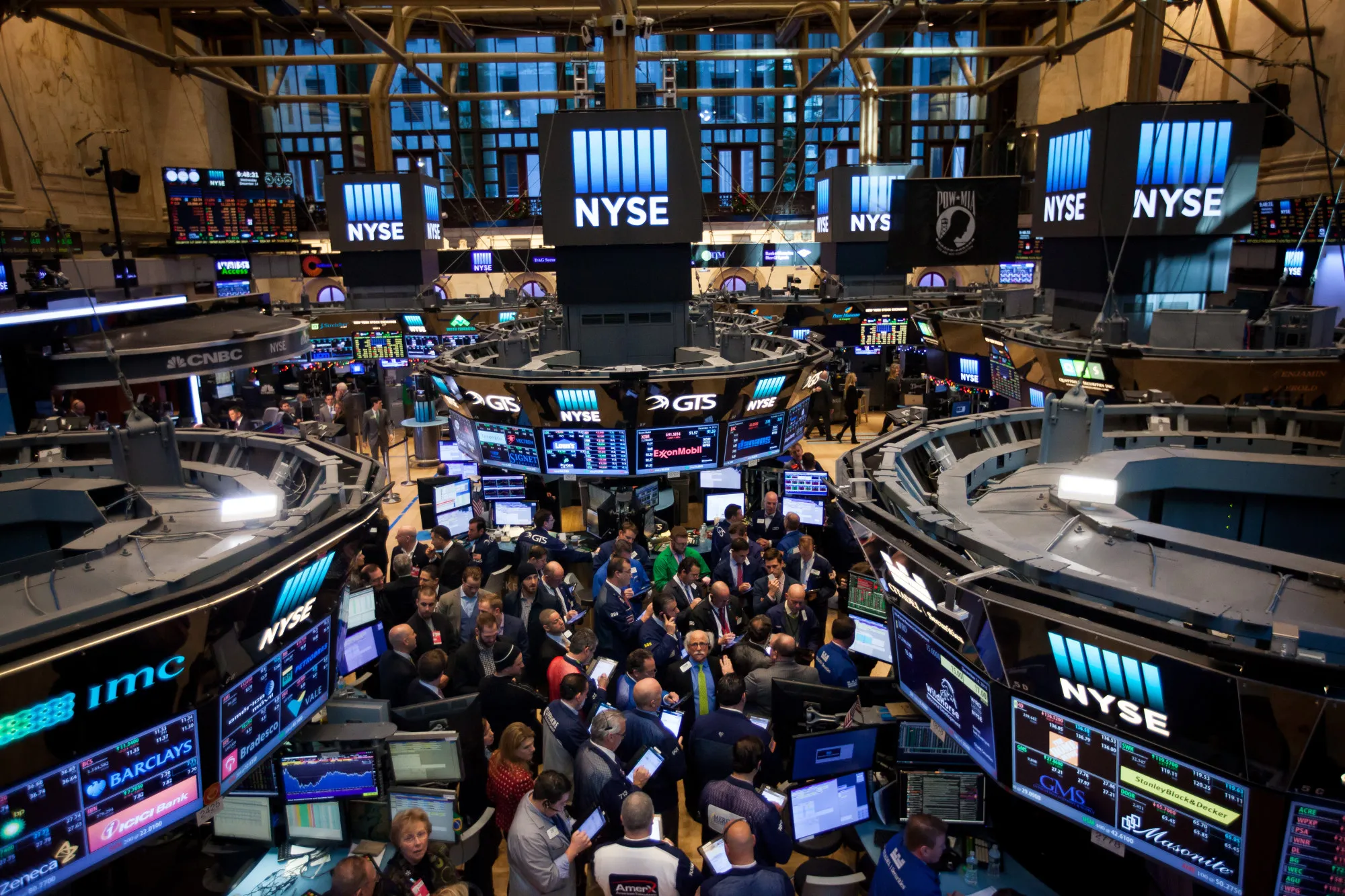
While active traders live by the minute, long-term investors generally have a more relaxed relationship with the NYSE’s daily hours.
- Fundamental Focus: Long-term investors prioritize a company’s fundamentals, growth prospects, and valuation over short-term price fluctuations. The exact time a trade is executed within a day is often less critical than the decision to buy or sell based on thorough research.
- Awareness of Major Events: Nevertheless, long-term investors should remain aware of market hours, especially around significant events like earnings reports, dividend announcements, or major economic policy changes. These can trigger substantial price movements that might prompt a review of their portfolio strategy, even if they don’t engage in frequent trading.
- Dollar-Cost Averaging: Many long-term investors employ strategies like dollar-cost averaging, where they invest a fixed amount at regular intervals, regardless of market highs or lows. For these investors, the specific market hours are largely irrelevant beyond ensuring their automated investments are executed during the regular trading session for optimal liquidity.
Global Market Interconnectivity
It’s also important to view NYSE hours within the broader context of global financial markets. While the NYSE has its specific operating times, other major exchanges around the world (e.g., London Stock Exchange, Tokyo Stock Exchange, Hong Kong Stock Exchange) operate on their own schedules. This creates a continuous, albeit fragmented, 24/5 trading environment. News from Asian markets can influence European openings, which in turn can set the tone for the NYSE. This interconnectedness means that even when the NYSE is closed, factors influencing its future opening prices are constantly in play across other time zones.
Special Circumstances and Market Closures
The regular and extended trading hours form the baseline, but there are specific situations where these schedules are altered. Awareness of these exceptions is vital for preventing missed opportunities or unexpected delays in trading.
Holiday Schedule: When the Market Takes a Break
The NYSE observes a number of national holidays, during which the exchange is completely closed. It’s crucial for investors to know these dates well in advance to plan their trading and investment activities accordingly.
Common NYSE holidays include:
- New Year’s Day
- Martin Luther King, Jr. Day
- Presidents’ Day
- Good Friday
- Memorial Day
- Juneteenth National Independence Day
- Independence Day
- Labor Day
- Thanksgiving Day
- Christmas Day
In some instances, the market may also have early closures on days adjacent to holidays (e.g., the day after Thanksgiving or Christmas Eve). The NYSE publishes its official holiday schedule annually on its website, which is the definitive source for this information. Trading platforms and financial news outlets also widely disseminate these schedules.
Early Closures and Unscheduled Halts
Beyond scheduled holidays, the NYSE may occasionally have early closures or unscheduled trading halts.
- Early Closures: These are rare but can occur for various reasons, such as severe weather events impacting New York City, or sometimes for specific events like the day after Thanksgiving (half-day session).
- Unscheduled Halts (Circuit Breakers): In extreme market volatility, the NYSE employs “circuit breakers” designed to temporarily halt trading across all U.S. exchanges. These halts are triggered when the S&P 500 index falls by certain percentages (7%, 13%, and 20%) within a single trading day. Such halts are intended to give investors a chance to process information and prevent panic selling, allowing for an orderly market reopening after a designated period. Individual stocks can also be halted due to news pending, excessive volatility, or regulatory concerns.
- Technical Glitches: While rare, technical issues with exchange systems can also lead to temporary trading halts or delays. The NYSE has robust systems, but no technology is entirely immune to disruption.
The Future of Trading Hours: Are 24/7 Markets Inevitable?
The discussion around NYSE hours often leads to a broader philosophical question: In an increasingly digital and globalized world, are 24/7 financial markets the inevitable future? The rise of cryptocurrencies, which trade around the clock, has further fueled this debate.
The Push for Extended Accessibility
Several factors are driving the conversation towards more extended or even continuous trading:
- Global Competition: Major exchanges globally compete for order flow. Extending hours could capture more international trading activity.
- Technological Advancements: Electronic trading platforms have made it technically feasible to operate 24/7, reducing reliance on physical trading floors.
- Investor Demand: A truly global investor base demands accessibility outside of traditional business hours in a single time zone.
- Crypto Influence: The always-on nature of cryptocurrency markets sets a precedent for continuous trading and influences expectations for traditional assets.
Pros and Cons of Continuous Trading
Moving to a 24/7 model for traditional exchanges like the NYSE would entail significant advantages and disadvantages:
- Pros:
- Increased Liquidity: Potentially more participants from across the globe, leading to tighter spreads and better execution.
- Immediate Reaction to News: Investors could react instantly to any global news, day or night.
- Greater Convenience: Flexibility for investors in different time zones.
- Cons:
- Investor Burnout: Constant market monitoring could lead to exhaustion and poor decision-making for individual and institutional traders.
- Regulatory Challenges: Oversight and surveillance would become significantly more complex for regulators.
- Operational Costs: Maintaining secure and reliable systems around the clock is expensive.
- Impact on Work-Life Balance: The notion of a “trading day” and “market close” provides a critical psychological and practical break for market participants.
While a full 24/7 trading schedule for the NYSE might not be on the immediate horizon, the trend towards extending accessibility through pre-market and after-hours sessions, and the broader global market’s continuous operation, indicates a clear direction. The balance between maximizing liquidity and accessibility versus ensuring market stability, regulatory oversight, and the well-being of market participants remains a critical consideration.

Conclusion
Understanding the operating hours of the New York Stock Exchange is far more than an academic exercise; it’s a fundamental aspect of financial literacy and a prerequisite for effective participation in the stock market. From the iconic clang of the opening and closing bells that define the regular, high-liquidity trading session, to the nuanced risks and opportunities present in pre-market and after-hours trading, each period offers a unique set of dynamics for investors and traders.
Being aware of the NYSE’s standard 9:30 AM to 4:00 PM ET schedule, its holiday closures, and the occasional special circumstances like early closes or circuit breaker halts, empowers individuals to make informed decisions. Whether you are a day trader seeking to capitalize on intraday volatility, a long-term investor focused on fundamental growth, or simply an observer of economic trends, knowing when the market is open and how it functions during various periods is indispensable. As technology continues to reshape financial landscapes, the dialogue around market hours will evolve, but the core principles of liquidity, transparency, and strategic timing will always remain at the heart of successful investing in the dynamic world of the New York Stock Exchange.
aViewFromTheCave is a participant in the Amazon Services LLC Associates Program, an affiliate advertising program designed to provide a means for sites to earn advertising fees by advertising and linking to Amazon.com. Amazon, the Amazon logo, AmazonSupply, and the AmazonSupply logo are trademarks of Amazon.com, Inc. or its affiliates. As an Amazon Associate we earn affiliate commissions from qualifying purchases.