
The concept of “futures” in the stock market often conjures images of complex financial instruments, high stakes, and rapid trading. While they can indeed be sophisticated tools, understanding futures contracts is fundamental for anyone looking to delve deeper into investing, risk management, or macroeconomics. Far from being exclusive to Wall Street veterans, these derivatives play a crucial role in price discovery, hedging, and speculative trading across various global markets. At their core, futures are standardized legal agreements to buy or sell something at a predetermined price at a specified time in the future. The “something” can be an incredibly diverse range of assets, from agricultural commodities and crude oil to stock market indices and interest rates.
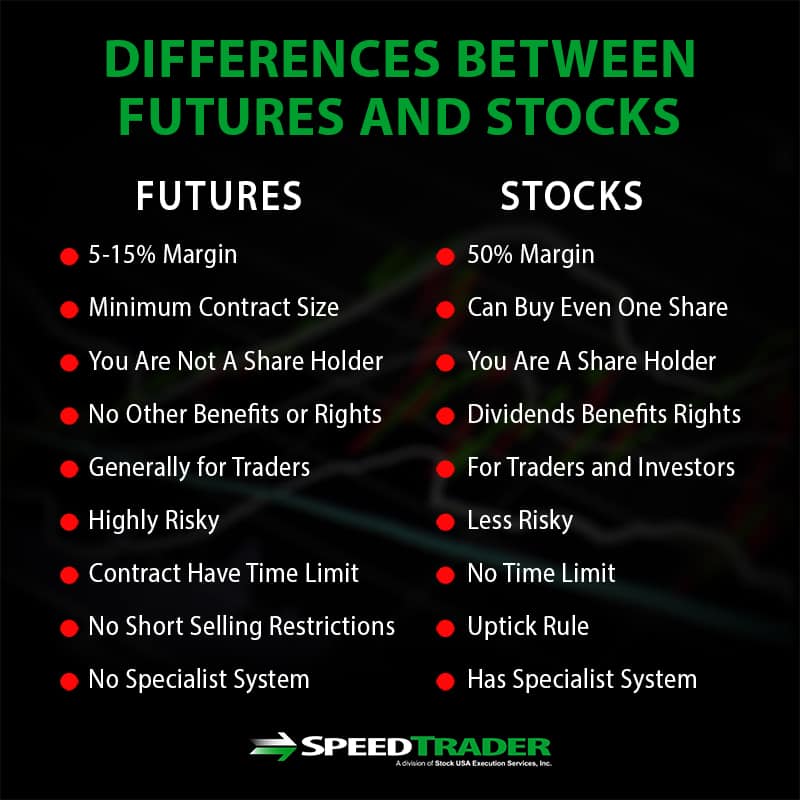
Decoding Futures Contracts: The Basics
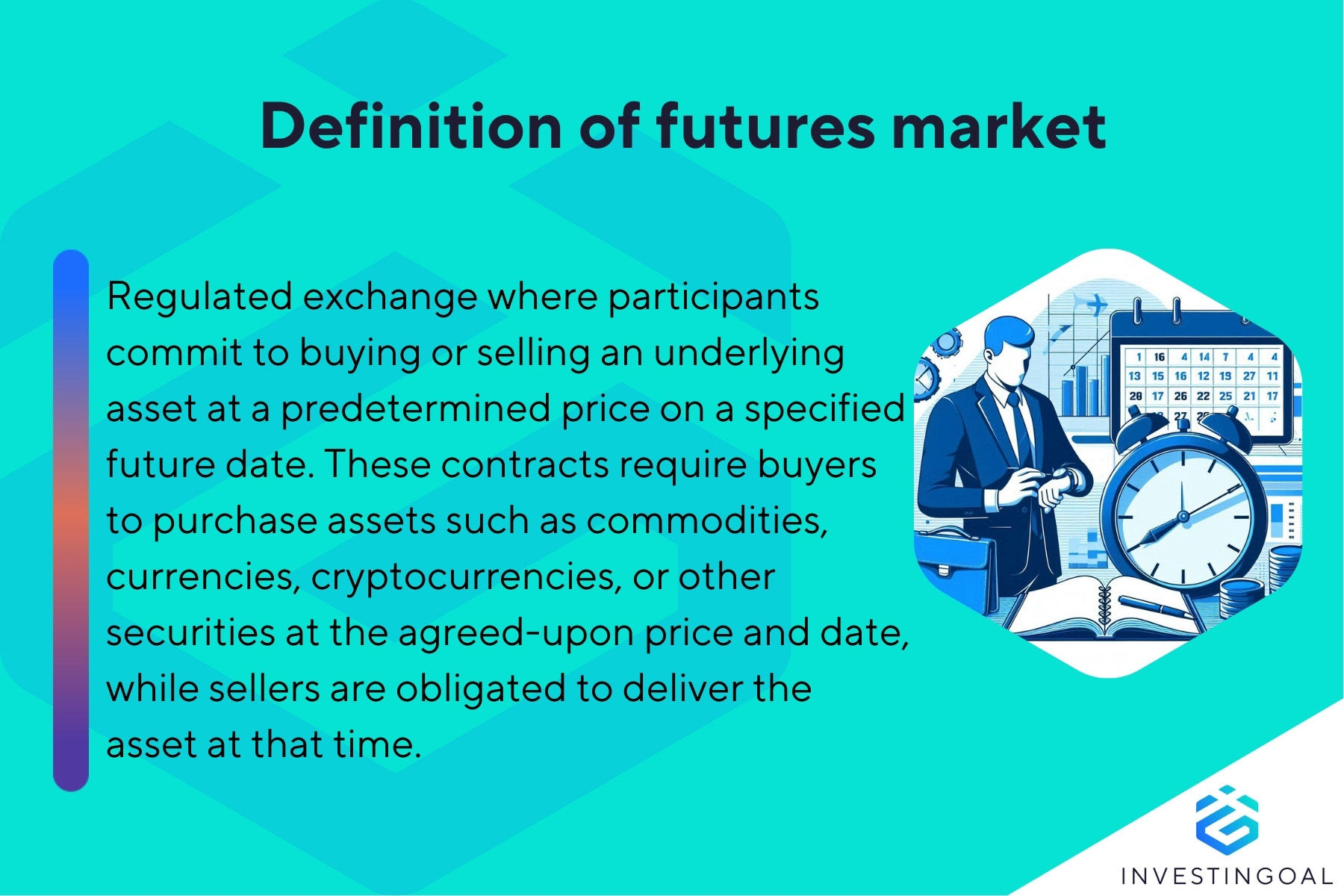
A futures contract is a derivative financial instrument that obligates the buyer to purchase, or the seller to sell, an asset at a predetermined price at a specified date in the future. This agreement is standardized, meaning its terms – the quantity and quality of the underlying asset, the delivery location (if applicable), and the expiration date – are set by the exchange where it trades. This standardization is critical for liquidity and transparency, allowing traders to easily enter and exit positions.
What is a Futures Contract?
Unlike a spot trade where assets are exchanged immediately, a futures contract locks in a price today for a transaction that will occur later. This forward-looking nature is what gives futures their power and complexity. The contract itself is merely a promise; no actual asset changes hands until the settlement date, or until the contract is offset by an opposite transaction. The value of a futures contract is derived from the value of its underlying asset, hence the term “derivative.”
Key Components: Underlying Asset, Expiration, Price, Contract Size
Every futures contract is defined by several key elements:
- Underlying Asset: This is the specific commodity, financial instrument, or index that the contract references. Examples include WTI crude oil, gold, corn, the S&P 500 index, or the Euro currency.
- Expiration Date: This is the specific future date on which the contract matures. Futures contracts typically have monthly or quarterly expiration cycles, and new contracts are continually issued.
- Contract Price: This is the price agreed upon today for the future transaction. It is discovered through supply and demand on the futures exchange.
- Contract Size: This specifies the exact quantity of the underlying asset covered by one contract. For instance, a crude oil futures contract might represent 1,000 barrels, while a gold futures contract might represent 100 troy ounces.
The Exchange’s Role
Futures contracts are traded on organized exchanges, such as the Chicago Mercantile Exchange (CME Group) or the Intercontinental Exchange (ICE). These exchanges provide a regulated marketplace, ensure price discovery through open outcry or electronic trading systems, and, crucially, act as the counterparty to every trade through their clearinghouses. The clearinghouse guarantees the performance of each party to the contract, eliminating counterparty risk and fostering confidence in the market. They achieve this by requiring traders to post margin, which acts as a good faith deposit.
Why Trade Futures? Hedging vs. Speculation
The primary reasons for participating in the futures market fall into two broad categories: hedging and speculation. While distinct, both roles are essential for the market’s efficiency and liquidity.
Hedging Against Price Volatility
Hedging is the practice of using futures contracts to mitigate the risk of adverse price movements in an underlying asset. It’s a risk management strategy typically employed by businesses or producers directly involved with the physical commodity or financial instrument.
- Producers: A farmer growing corn might sell corn futures contracts to lock in a price for their harvest, protecting themselves from a potential drop in corn prices before their crop is ready for sale.
- Consumers: An airline, a significant consumer of jet fuel (derived from crude oil), might buy crude oil futures contracts to cap their fuel costs, protecting against a sudden spike in oil prices.
By taking an opposite position in the futures market to their exposure in the physical market, hedgers reduce their exposure to price uncertainty, allowing them to better plan and budget.
Speculating on Market Movements
Speculation, on the other hand, involves taking a position in futures contracts with the aim of profiting from anticipated price movements. Speculators do not intend to take physical delivery of the asset; their goal is to buy low and sell high (or sell high and buy low) by offsetting their contracts before expiration.
- Bullish Bets: A speculator who believes the price of gold will rise might buy gold futures contracts. If their prediction is correct, they can sell the contracts at a higher price for a profit.
- Bearish Bets: Conversely, a speculator who expects an index like the S&P 500 to fall might sell S&P 500 futures. If the index declines, they can buy back the contracts at a lower price, netting a profit.
Speculators provide essential liquidity to the futures markets, making it easier for hedgers to enter and exit positions. Their willingness to take on risk helps facilitate efficient price discovery.
Leverage: Amplifying Gains and Losses
One of the most attractive, yet dangerous, features of futures trading is leverage. Because only a small percentage of the contract’s total value (the margin) is required to control a large position, futures offer significant leverage. This means that a small price movement in the underlying asset can translate into a substantial percentage gain or loss on the initial capital invested. While leverage can magnify profits, it can equally amplify losses, often exceeding the initial margin deposited.
Types of Futures Markets and Their Applications
The breadth of assets underlying futures contracts is vast, catering to a wide array of economic activities and investment strategies.
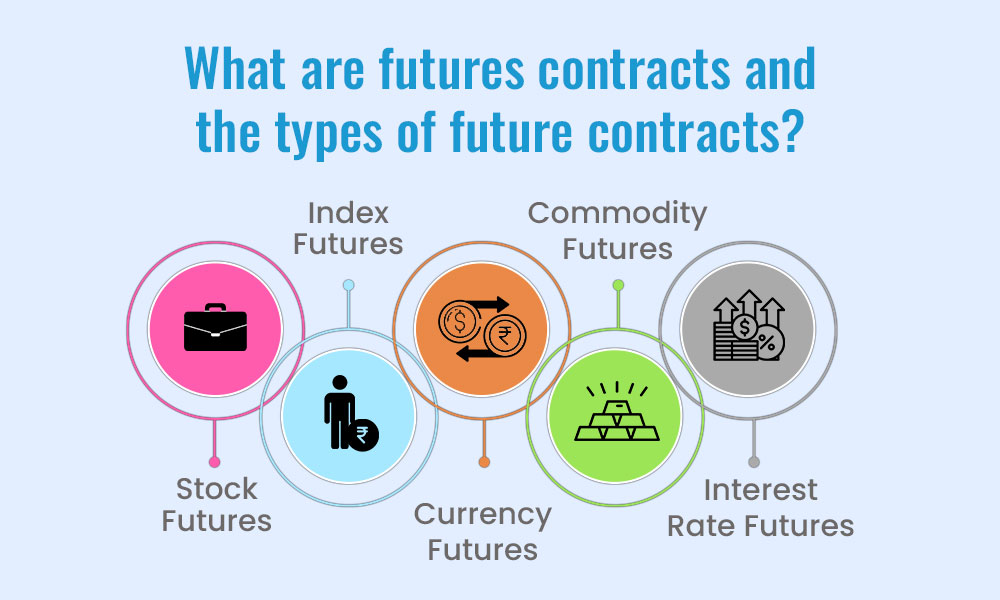
Commodity Futures
These are some of the oldest and most well-known futures markets. They involve tangible physical goods that are either consumed or used as raw materials in production.
- Agriculture: Corn, wheat, soybeans, cattle, coffee, sugar. Farmers, food processors, and agricultural traders use these to manage price risk and speculate on crop yields and demand.
- Energy: Crude oil, natural gas, heating oil, gasoline. Oil producers, refineries, airlines, and utility companies use these to hedge against volatile energy prices.
- Metals: Gold, silver, copper, platinum. Miners, jewelers, industrial manufacturers, and investors use metal futures for hedging production costs, securing raw materials, or as a safe-haven investment.
Financial Futures
Financial futures derive their value from financial instruments or indices rather than physical commodities. These markets are critical for banks, fund managers, corporations, and investors.
- Equity Indices: Futures contracts on major stock market indices like the S&P 500, Nasdaq 100, or Dow Jones Industrial Average. These allow investors to gain broad exposure to the stock market or hedge an existing equity portfolio with a single trade.
- Interest Rates: Futures on Treasury bonds, Eurodollar deposits, or federal funds rates. Financial institutions use these to hedge against interest rate fluctuations, which can impact lending and borrowing costs.
- Currencies (FX Futures): Contracts based on exchange rates between two currencies, such as the Euro/US Dollar (EUR/USD) or US Dollar/Japanese Yen (USD/JPY). International businesses use these to lock in exchange rates for future transactions, while speculators trade on currency pair movements.
Understanding Different Market Dynamics
Each type of futures market has unique drivers. Commodity futures are heavily influenced by supply and demand fundamentals, weather patterns, geopolitical events, and inventory levels. Financial futures, particularly equity index futures, often reflect broader economic sentiment, corporate earnings, and monetary policy decisions. Interest rate futures respond directly to central bank actions and inflation expectations, while currency futures are driven by economic data, interest rate differentials, and political stability between nations. Recognizing these distinct dynamics is crucial for effective analysis and trading.
The Mechanics of Futures Trading
Beyond understanding what futures are and why they are used, grasping the practical mechanics of how they trade is essential for any participant.
Margin Requirements and Leverage
To enter a futures trade, participants must deposit a fraction of the contract’s total value, known as the initial margin, into a brokerage account. This isn’t a down payment; it’s a performance bond to ensure that traders can cover potential losses. Due to this margin requirement, futures trading involves significant leverage. If the market moves against a trader’s position, and the account equity falls below a predetermined level called the maintenance margin, the trader will receive a margin call, requiring them to deposit additional funds to bring their account back up to the initial margin level. Failure to meet a margin call can result in the forced liquidation of the position.
Daily Settlement (Marking-to-Market)
Futures markets operate on a system of daily settlement, also known as “marking-to-market.” At the end of each trading day, every open futures position is revalued based on the day’s closing price. Profits or losses are credited or debited to the trader’s account daily. This means that gains can be withdrawn, and losses must be covered immediately. This daily cash flow adjustment mechanism prevents the accumulation of large losses between counterparties and is a key feature that distinguishes futures from other forward contracts.
Delivery vs. Cash Settlement
Upon expiration, a futures contract is settled. Settlement can occur in one of two ways:
- Physical Delivery: In some commodity futures (e.g., agricultural products, metals), the seller delivers the actual physical commodity to the buyer. This is less common for retail traders and more typical for commercial hedgers.
- Cash Settlement: Most financial futures (e.g., equity indices, interest rates) and many commodity futures (e.g., crude oil, natural gas) are cash-settled. This means that at expiration, the difference between the contract’s entry price and the final settlement price is paid in cash, rather than the underlying asset changing hands. Most speculative traders offset their positions before expiration to avoid the complexities of settlement.
Contract Expiration and Rollover
Futures contracts have finite lifespans. As a contract approaches its expiration date, its liquidity often decreases, and traders must decide whether to close their position or “roll over” to a more distant contract month. Rolling over involves simultaneously closing the expiring contract and opening a new position in a contract with a later expiration date. This process allows traders to maintain their market exposure without taking physical delivery or being cash settled.
Advantages and Risks of Futures Trading
Futures contracts are powerful financial instruments, but their power comes with both significant opportunities and considerable risks.
Benefits: Liquidity, Price Discovery, Leverage, Diversification
- High Liquidity: Futures markets are typically very liquid, especially for popular contracts, allowing traders to enter and exit positions efficiently without significantly impacting prices.
- Efficient Price Discovery: The constant buying and selling of futures contracts by a diverse group of participants (hedgers, speculators, arbitrageurs) leads to highly efficient price discovery, reflecting current and anticipated supply and demand dynamics.
- Leverage: As discussed, futures offer substantial leverage, meaning a relatively small capital outlay can control a large amount of an underlying asset. This can lead to significant percentage returns on invested capital.
- Diversification: For sophisticated investors, futures can provide diversification benefits by offering exposure to asset classes like commodities, currencies, and interest rates that may behave differently than traditional stocks and bonds. They can also be used to hedge existing portfolios against market downturns.
Risks: High Volatility, Significant Leverage Risk, Margin Calls, Complexity
- High Volatility: Many futures markets are highly volatile, particularly those for commodities or rapidly moving financial indices. Price swings can be sudden and dramatic, leading to rapid gains or losses.
- Significant Leverage Risk: While leverage can magnify gains, it equally magnifies losses. A small adverse price movement can quickly deplete an entire margin deposit, and traders can lose more than their initial investment, especially in volatile markets.
- Margin Calls: The daily settlement process and maintenance margin requirements mean that traders must have sufficient capital to meet margin calls promptly. Failure to do so results in forced liquidation, often at unfavorable prices.
- Complexity: Futures trading involves complex terminology, market dynamics, and risk management considerations. It is not suitable for all investors, especially those without a thorough understanding of these instruments and their associated risks.
Regulatory Oversight
Due to the significant leverage and potential for large losses, futures markets are heavily regulated. In the United States, the Commodity Futures Trading Commission (CFTC) oversees the futures and options markets, aiming to protect market users and the public from fraud, manipulation, and abusive practices. The National Futures Association (NFA) is a self-regulatory organization for the U.S. futures industry, further enforcing ethical standards and protecting market integrity. Understanding the regulatory framework is crucial for participants, ensuring fair and orderly markets.
In conclusion, futures contracts are a cornerstone of modern financial markets, serving vital functions for risk management, price discovery, and capital allocation. While they offer compelling opportunities for sophisticated investors and businesses, their inherent leverage and complexity demand a deep understanding and a robust risk management strategy. For those willing to navigate their intricacies, futures represent an indispensable tool in the dynamic world of finance and investing.
aViewFromTheCave is a participant in the Amazon Services LLC Associates Program, an affiliate advertising program designed to provide a means for sites to earn advertising fees by advertising and linking to Amazon.com. Amazon, the Amazon logo, AmazonSupply, and the AmazonSupply logo are trademarks of Amazon.com, Inc. or its affiliates. As an Amazon Associate we earn affiliate commissions from qualifying purchases.