
In an era saturated with digital entertainment options, identifying genuine value within subscription services becomes a critical exercise for consumers. Amazon Prime, a multifaceted subscription that began primarily with expedited shipping, has evolved into a comprehensive ecosystem, with Amazon Prime Video standing as a cornerstone of its digital offerings. For many subscribers, the allure of “free movies” is a primary driver, yet understanding what this truly entails within the Prime Video technological framework requires a nuanced perspective. This article delves into the technological underpinnings and user interface considerations that define the “free” movie experience on Amazon Prime, positioning it firmly within the broader context of digital technology, streaming software, and user engagement.

Decoding the Amazon Prime Video Experience
Amazon Prime Video is far more than just a content library; it’s a sophisticated streaming application built on robust cloud infrastructure, designed to deliver a personalized entertainment experience across a myriad of devices. The term “free movies” within this ecosystem is not a simple categorization but rather a reflection of the content licensed or produced by Amazon that is included with the Prime subscription, distinct from titles available for separate rental or purchase.
Beyond the Subscription: Understanding “Free” Content
The fundamental technological premise of “free” movies on Amazon Prime hinges on its licensing agreements and proprietary content strategy. Unlike ad-supported free services, Prime Video’s “free” tier is bundled with the overarching Prime membership fee. From a software perspective, the Prime Video application dynamically categorizes content: those included with your subscription, those available for rent, and those for purchase. This differentiation is handled by sophisticated backend systems that manage content rights, availability windows, and regional licensing. When a user browses, the app’s algorithms query these databases to present the correct pricing and availability status, ensuring that content flagged as “included with Prime” is accessible without further transactional steps. This intricate data management is crucial for maintaining compliance with distribution agreements and delivering an accurate user experience.
The Prime Video Interface: Navigating for Value
The user interface (UI) and user experience (UX) design of the Prime Video app are critical in helping subscribers discover these “free” movies. Amazon has invested heavily in creating an intuitive navigation system that highlights Prime-included content. Dedicated sections such as “Included with Prime,” “Prime Originals,” and various genre categories with a distinct “Prime” badge are common UI elements. Search functionality is another technologically advanced feature, employing natural language processing and robust indexing to allow users to find specific titles or explore broader themes. Filters for “Prime-eligible” content further empower users to narrow their search, minimizing frustration and maximizing the discovery of included titles. The seamless integration of these UI/UX elements ensures that the technological complexity of content management remains transparent to the end-user, providing a streamlined path to entertainment.
Device Compatibility and Seamless Streaming
A key technological strength of Amazon Prime Video lies in its ubiquitous device compatibility. The Prime Video application is meticulously engineered to run across a vast array of platforms: smart TVs (via embedded apps or HDMI dongles), streaming sticks (Fire TV, Roku, Apple TV), gaming consoles (PlayStation, Xbox), mobile devices (iOS, Android), and web browsers. Each version of the app is optimized for its respective operating system and hardware capabilities, ensuring consistent performance and a familiar user experience. This cross-device compatibility is a testament to sophisticated software development and API integrations, allowing users to start watching a “free movie” on one device and seamlessly resume it on another, facilitated by cloud-synced watch histories and progress tracking. The underlying streaming protocols adapt to network conditions and device capabilities, dynamically adjusting video quality to prevent buffering and deliver an uninterrupted viewing experience.
Curating Your Free Movie Watchlist on Prime
The selection of “free movies” on Amazon Prime is not static but a dynamic, algorithmically curated library influenced by licensing agreements, user data, and strategic content investments. Understanding this dynamism is key to effectively leveraging the service.
The Dynamic Nature of Prime’s Free Library
The inventory of movies included with a Prime subscription is in constant flux. Licensing deals with film studios and distributors have expiration dates, meaning titles can appear and disappear from the “free” tier regularly. Amazon’s content acquisition teams use sophisticated data analytics and market trend analysis to inform their licensing decisions, aiming to offer a compelling mix of popular blockbusters, critically acclaimed films, and niche content. Furthermore, Amazon’s investment in its own original content, “Prime Originals,” guarantees a stable and growing library of exclusive titles that are always included with the subscription. The Prime Video backend systems continuously update the content catalog, pushing these changes to the various client applications, often with notifications for expiring titles to encourage last-minute viewing. This dynamic content strategy requires robust content management systems and efficient data synchronization across Amazon’s global server infrastructure.
Genre Exploration: Discovering Hidden Gems
From a technology perspective, the discovery of “free movies” by genre is facilitated by advanced categorization and tagging systems. Every movie in the Prime Video catalog is meticulously tagged with metadata—genre, sub-genre, actors, director, keywords, themes, and more. These tags are then processed by recommendation engines that power the personalized genre carousels and curated lists displayed to users. While common genres like action, comedy, and drama are easily accessible, the platform also offers deeper dives into independent films, foreign cinema, documentaries, and cult classics. These “hidden gems” are often surfaced through a combination of manual curation by content specialists and algorithmic discovery based on user viewing patterns and similarity metrics. The effectiveness of these discovery tools directly impacts user satisfaction and engagement within the Prime Video app.
Original Content vs. Licensed Titles: A Deep Dive
A significant portion of the “free” movie offerings on Prime Video consists of “Prime Originals” and “Exclusives.” These are films produced or acquired solely by Amazon Studios, representing a strategic technological and content investment. Unlike licensed third-party titles, Originals offer a permanent, stable library of content for Prime subscribers, insulating Amazon from the fluctuating costs and availability challenges of external licensing. From a technological standpoint, the production of these originals involves massive data management for raw footage, post-production assets, and global distribution. Their exclusive nature also plays a role in the platform’s personalization algorithms, as Amazon has complete data control over viewership patterns for these titles, allowing for more precise recommendations and targeted marketing within the app itself. The distinction between Originals and licensed content is clearly presented in the UI, often with unique branding elements to emphasize their exclusivity.
Maximizing Your Prime Video Membership
Beyond simply finding “free movies,” advanced technological features within the Prime Video platform empower users to optimize their viewing experience and manage content access efficiently.
Leveraging Search and Filter Functions
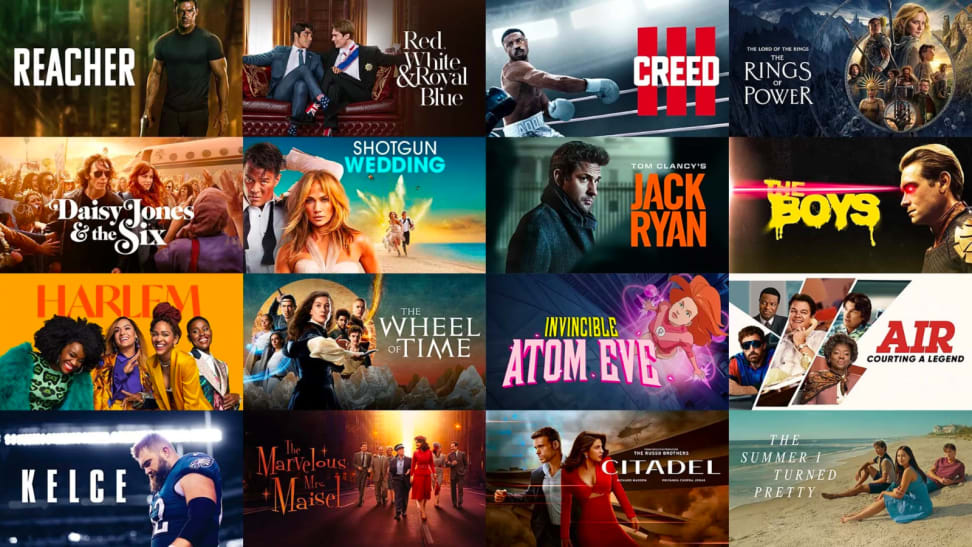
The search and filter capabilities within Prime Video are powered by sophisticated indexing and database query technologies. Users can apply multiple filters simultaneously, combining criteria such as “Included with Prime,” genre, release year, IMDb rating, and even specific actors or directors. This multi-faceted filtering allows for highly granular searches, enabling users to pinpoint exactly the type of “free movie” they are looking for, or to explore new options within very specific parameters. The responsiveness of these search functions, delivering results in milliseconds from a vast catalog, is a testament to efficient data structures and optimized backend processing. Understanding and utilizing these digital tools is crucial for extracting maximum value from the subscription.
Parental Controls and Family Sharing
For households, Prime Video offers robust parental control features, which are an essential aspect of responsible digital content management. These controls, configured within the app’s settings, allow account holders to restrict access to content based on maturity ratings (e.g., G, PG, R). PIN protection ensures that only authorized users can bypass these restrictions. Technologically, this involves user profile management and content metadata tagging. Each piece of content is assigned a rating, and the system dynamically checks this rating against the user profile’s parental control settings before allowing playback. Furthermore, the ability to create multiple user profiles within a single Prime account facilitates family sharing while maintaining individualized watchlists and recommendation algorithms, ensuring a tailored experience for each family member, all managed through a single technological framework.
Offline Viewing: Entertainment On-the-Go
One of the most appreciated technological features of Prime Video is the ability to download “free movies” for offline viewing. This functionality is particularly valuable for users with limited or no internet access during travel or commutes. When a user chooses to download a title, the Prime Video app (on mobile devices or certain desktop apps) initiates a secure transfer of the encrypted video file to the device’s local storage. This process involves DRM (Digital Rights Management) technologies to protect copyrighted content, ensuring that downloaded files can only be played back through the Prime Video app and expire after a set period or when the subscription ends. The app also manages download quality settings, allowing users to balance file size with video fidelity, an important consideration for device storage capacity.
The Technology Behind Prime Video’s Delivery
The seamless delivery of “free movies” to millions of users globally is a monumental technological feat, relying on a complex interplay of network infrastructure, video compression, and data analytics.
Adaptive Streaming and Video Quality
The cornerstone of modern streaming technology is adaptive bitrate streaming (ABS). Prime Video employs ABS protocols (like MPEG-DASH or HLS) to deliver video content. When you play a movie, the app continuously monitors your internet connection speed and device capabilities. It then dynamically switches between different video quality streams (e.g., 480p, 720p, 1080p, 4K) to provide the best possible viewing experience without buffering. This intricate dance of real-time data analysis and stream switching happens imperceptibly in the background, ensuring smooth playback even as network conditions fluctuate. High-efficiency video coding (HEVC/H.265) is also utilized for 4K content, significantly reducing file sizes while maintaining superior visual quality, thereby optimizing bandwidth usage and server load.
User Interface Design and Personalization Algorithms
The effectiveness of Prime Video’s UI isn’t just about aesthetics; it’s deeply integrated with its personalization algorithms. Every click, search, watch, and pause generates data that feeds into Amazon’s sophisticated machine learning models. These algorithms analyze individual viewing habits, genre preferences, and even the time of day content is consumed, to generate highly personalized recommendations for “free movies.” This isn’t just about showing similar titles; it’s about anticipating user desires and surfacing content they are most likely to enjoy, thereby increasing engagement and perceived value of the subscription. The UI then presents these recommendations in intelligently ordered carousels and dedicated sections, constantly refining the home screen based on real-time interactions.
The Cloud Infrastructure Powering Your Entertainment
Amazon Web Services (AWS) is the backbone of Prime Video’s global operations. Hosting the vast content library, managing user data, processing streaming requests, and powering the recommendation engines all rely on AWS’s scalable and resilient cloud infrastructure. Content Delivery Networks (CDNs) are strategically deployed worldwide to cache popular movie titles closer to end-users, drastically reducing latency and improving streaming quality. Serverless computing, managed databases, and advanced analytics services within AWS enable Prime Video to handle millions of concurrent streams, process petabytes of data, and scale operations rapidly in response to demand spikes, ensuring that the “free movies” are always just a click away, regardless of your location.
Future Trends and Evolution of Streaming Content
The technological landscape of streaming is constantly evolving, and Prime Video is at the forefront of adopting new innovations to enhance its “free movie” offerings and user experience.
AI-Driven Recommendations and Discovery
The future of content discovery on Prime Video will be increasingly dominated by advanced AI. Expect even more sophisticated recommendation engines that go beyond simple genre matching to predict user preferences based on emotional responses, nuanced thematic interests, and even real-time mood analysis. AI could also play a role in optimizing content presentation, dynamically adjusting the UI layout and content prominence based on individual user profiles. Furthermore, generative AI might be used for creating personalized trailers or summaries, making the process of finding “free movies” even more efficient and engaging.
The Shifting Landscape of Exclusive Content
As competition in the streaming market intensifies, the battle for exclusive content and original productions will escalate. Amazon’s strategy of investing heavily in “Prime Originals” ensures a sustainable competitive edge. Technologically, this involves massive infrastructure for content production, secure distribution networks, and sophisticated analytics to measure the ROI of these investments. The future may see more interactive storytelling or branching narratives within original content, blurring the lines between passive viewing and active participation, driven by advancements in interactive video technologies.
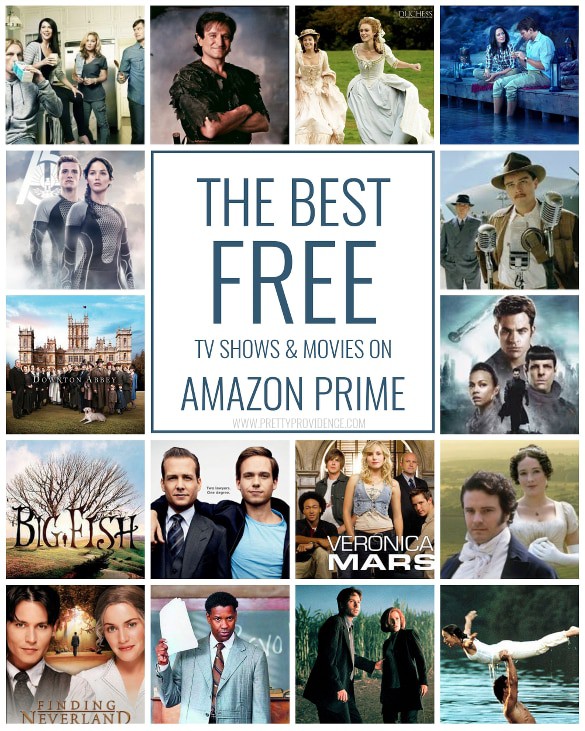
Integrating New Technologies: VR/AR in Streaming
While still nascent, the integration of virtual reality (VR) and augmented reality (AR) into streaming experiences presents an exciting future. Imagine watching a “free movie” in a virtual cinema with friends from across the globe, or interacting with AR elements that bring movie scenes into your living room. Amazon’s technological prowess in cloud computing and device manufacturing (e.g., Kindle, Echo devices) positions it well to explore these immersive entertainment experiences. Though widespread adoption is still years away, initial experiments could include VR-enhanced behind-the-scenes content or AR overlays for interactive movie posters, pushing the boundaries of what “free movies” can offer beyond a traditional screen.
In conclusion, the concept of “free movies on Amazon Prime” is intricately woven into a complex tapestry of cutting-edge technology. From robust cloud infrastructure and sophisticated streaming protocols to intuitive user interfaces and advanced AI algorithms, every aspect of Prime Video is engineered to deliver a seamless, personalized, and high-value entertainment experience. For subscribers, understanding these technological layers enhances their ability to navigate the platform, discover its vast “free” content library, and truly maximize the value of their digital subscription.
aViewFromTheCave is a participant in the Amazon Services LLC Associates Program, an affiliate advertising program designed to provide a means for sites to earn advertising fees by advertising and linking to Amazon.com. Amazon, the Amazon logo, AmazonSupply, and the AmazonSupply logo are trademarks of Amazon.com, Inc. or its affiliates. As an Amazon Associate we earn affiliate commissions from qualifying purchases.