
Parenthood is a journey filled with love, challenges, and constant learning. While the core of raising a child remains timeless, the environment in which they grow has dramatically evolved. Today’s parents are tasked with navigating a world saturated with technology, where brand influences are pervasive, and financial literacy is more crucial than ever for their children’s future. Understanding established parenting styles provides a foundational framework, but how do these classic approaches intersect with the realities of the 21st century? This article explores the four primary parenting styles, examining their characteristics and offering insights into how they can be adapted and applied in today’s tech-driven, brand-conscious, and financially complex world.

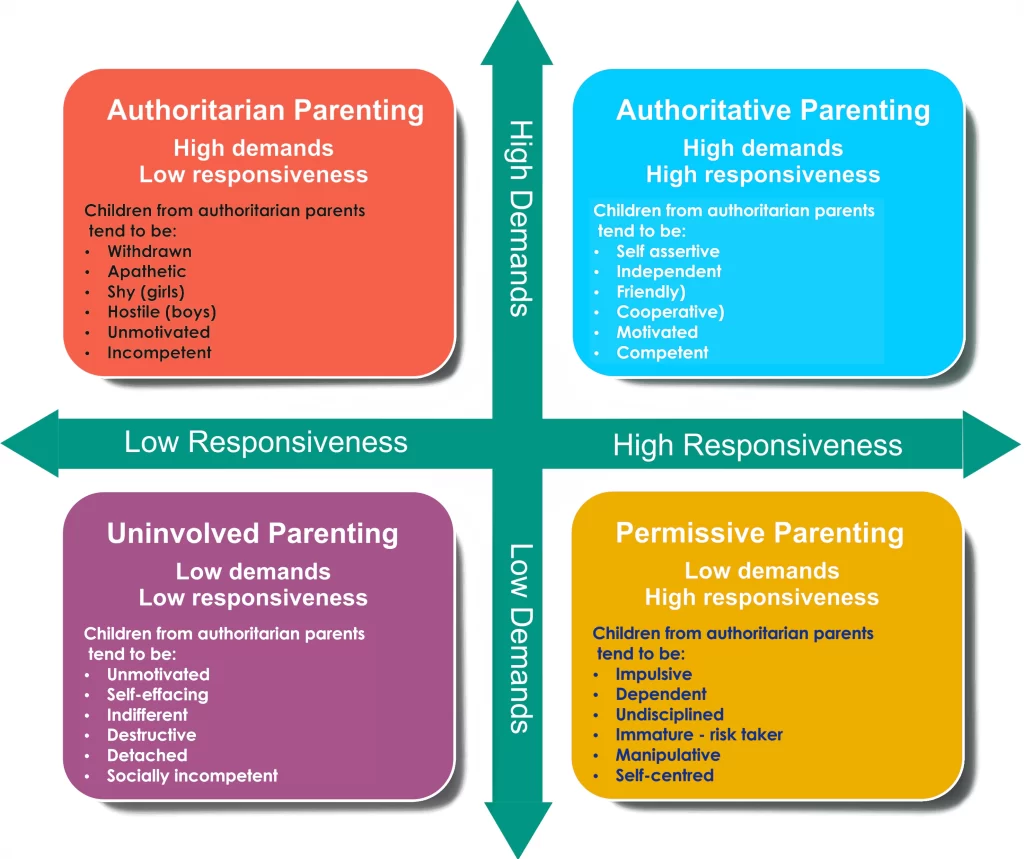
The concept of parenting styles was popularized by developmental psychologist Diana Baumrind in the 1960s. Baumrind’s research identified three distinct styles based on two crucial dimensions: parental responsiveness (warmth and support) and parental demandingness (expectations and control). Later research expanded upon this, often adding a fourth style. These styles are not rigid categories but rather common patterns that can help us understand the diverse ways parents interact with and guide their children.
Understanding the Four Pillars of Parenting: Authoritative, Authoritarian, Permissive, and Uninvolved
Before we delve into how technology, branding, and money influence these styles, it’s essential to have a clear grasp of each. Each style carries its own set of characteristics, expectations, and potential outcomes for child development.
The Authoritative Parent: The Balanced Approach
Authoritative parenting is widely considered the most effective and beneficial style by child development experts. This approach strikes a healthy balance between high demands and high responsiveness. Authoritative parents set clear, reasonable expectations and rules for their children, but they are also warm, nurturing, and supportive. They encourage open communication, listen to their children’s perspectives, and explain the reasons behind their rules. Discipline is firm but fair, focusing on teaching and guiding rather than punishment.
Key Characteristics of Authoritative Parenting:
- High Demands, High Responsiveness: They expect a lot from their children but are also highly attuned to their emotional needs.
- Clear Rules and Expectations: Rules are established and enforced, but they are also explained and can be discussed.
- Open Communication: Children are encouraged to express their thoughts and feelings, and parents actively listen.
- Supportive Discipline: Discipline focuses on teaching and problem-solving, with consequences that are appropriate and explained.
- Encouragement of Independence: Children are given age-appropriate autonomy and encouraged to develop their own decision-making skills.
- Warm and Nurturing: Parents show affection and emotional support.
Children raised by authoritative parents tend to be more independent, responsible, academically successful, and possess higher self-esteem. They are often good at self-regulation, social skills, and have fewer behavioral problems.
The Authoritarian Parent: The “My Way or the Highway” Approach
Authoritarian parenting is characterized by high demands and low responsiveness. These parents are strict and expect obedience without question. They often rely on punishment to enforce rules and have little tolerance for defiance. Communication is typically one-sided, with parents dictating and children expected to comply. There’s a strong emphasis on control and order, with little room for negotiation or individual expression.
Key Characteristics of Authoritarian Parenting:
- High Demands, Low Responsiveness: Strict rules and high expectations are paramount, with little regard for the child’s feelings or input.
- Strict Rules and Obedience: Rules are absolute and must be followed without question.
- Punitive Discipline: Discipline often involves punishment, which can be harsh, with little explanation.
- Limited Communication: Children are expected to listen and obey, with little opportunity for discussion or negotiation.
- Lack of Warmth: Emotional expression from parents may be minimal, and children may feel less connected.
Children of authoritarian parents may exhibit obedience and proficiency, but they can also be anxious, withdrawn, and have lower self-esteem. They may struggle with social skills and be more prone to rebellion or, conversely, become overly dependent on external guidance.
The Permissive Parent: The “Friend” Approach
Permissive parenting, also known as indulgent parenting, is characterized by low demands and high responsiveness. These parents are warm and nurturing but set very few rules or expectations. They often avoid confrontation and may struggle to enforce boundaries. They are more like friends to their children than authority figures, allowing considerable freedom and rarely imposing consequences.
Key Characteristics of Permissive Parenting:
- Low Demands, High Responsiveness: Parents are nurturing and loving but set few boundaries or expectations.
- Few Rules and Consequences: Rules are minimal or non-existent, and consequences are rarely enforced.
- Child-Centered: The child’s desires and feelings often take precedence over parental guidance.
- Avoidance of Conflict: Parents may go to great lengths to avoid upsetting their children.
- Friend-Like Relationship: The parent-child dynamic is often more like a friendship than an authoritative relationship.
Children raised by permissive parents may struggle with self-control and have difficulty respecting authority. They can sometimes be impulsive, demanding, and have academic challenges due to a lack of structure and accountability.
The Uninvolved Parent: The Neglectful Approach
The uninvolved or neglectful parenting style is characterized by low demands and low responsiveness. These parents are often emotionally detached and provide little guidance, supervision, or support. Their focus is typically on their own needs rather than the child’s. While not always intentional, this style can have the most detrimental effects on a child’s development, as they lack the basic guidance and emotional security needed to thrive.
Key Characteristics of Uninvolved Parenting:
- Low Demands, Low Responsiveness: Parents are largely detached, offering minimal supervision, guidance, or emotional support.
- Lack of Involvement: Parents are not actively engaged in their child’s life or development.
- Minimal Supervision and Guidance: Children are often left to their own devices.
- Emotional Distance: A lack of warmth and emotional connection is a hallmark of this style.
Children of uninvolved parents are at a higher risk for a wide range of developmental issues, including academic failure, behavioral problems, emotional difficulties, and issues with social relationships.
Parenting Styles in the Digital Spotlight: Tech’s Influence on Modern Parenting
The omnipresence of technology has fundamentally reshaped the landscape of childhood and, consequently, parenting. From the moment a child is born, they are exposed to screens, apps, and the vast digital world. This constant digital immersion presents unique challenges and opportunities for parents, regardless of their core parenting style.
The Authoritative Parent in the Tech Era: Guiding Digital Citizenship
Authoritative parents are well-equipped to navigate the digital world with their children. Their core principles of setting clear expectations, fostering open communication, and providing supportive guidance translate effectively to technology use.
- Setting Digital Boundaries: Authoritative parents will establish clear rules around screen time, content consumption, and online interactions. These rules won’t be arbitrary but will be explained, emphasizing safety, well-being, and balanced development. For example, instead of simply saying “no phones at dinner,” they might explain, “We put our phones away at dinner so we can connect with each other and share our day without distractions.”
- Fostering Digital Literacy and Safety: Beyond just setting limits, authoritative parents will proactively educate their children about online safety, digital footprints, cyberbullying, and the responsible use of AI tools. They’ll encourage critical thinking about the content they consume and create.
- Open Communication About Online Experiences: When a child encounters something concerning or confusing online, authoritative parents create an environment where they feel safe to discuss it. This open dialogue allows parents to offer guidance and support, turning potential negative experiences into learning opportunities.
- Leveraging Tech for Learning and Connection: Authoritative parents can also harness technology positively. They might use educational apps, introduce coding tools, or connect with family members through video calls, ensuring technology serves as a tool for growth and connection, not isolation.
The Authoritarian Parent and Technology: Control vs. Caution
Authoritarian parents might approach technology with a focus on strict control, often driven by fear of the unknown or potential dangers.
- Restrictive Measures: This could manifest as severe restrictions on screen time, limited access to specific apps or websites, and constant monitoring without much explanation. The emphasis is on preventing any perceived misstep.
- Lack of Digital Dialogue: The one-sided communication style can hinder a child’s ability to seek help or discuss their online experiences, potentially leading them to hide their digital activities.
- Missed Opportunities for Digital Literacy: While aiming for safety, overly restrictive approaches can prevent children from developing essential digital literacy skills, making them vulnerable when they eventually gain more independence online.
The Permissive Parent and Technology: The Digital Wild West
Permissive parents, with their tendency to avoid conflict and set few boundaries, may find themselves in a “digital wild west” scenario.

- Unfettered Access: Children may have unlimited access to devices and the internet with little to no supervision or age-appropriate restrictions.
- Passive Observation: Parents might be aware of their child’s online activities but hesitate to intervene, fearing a backlash or seeing it as an inevitable part of growing up.
- Lack of Guidance on Digital Etiquette: Without clear expectations, children may not develop healthy digital habits, leading to issues with excessive use, exposure to inappropriate content, or poor online communication skills.
The Uninvolved Parent and Technology: The Unsupervised Digital Frontier
For uninvolved parents, technology use by their children often goes unnoticed or unaddressed.
- Complete Lack of Oversight: Children are left to their own devices, both literally and figuratively, with no guidance on what they are doing online.
- No Digital Safety Net: This lack of involvement leaves children highly vulnerable to online predators, cyberbullying, and exposure to harmful content without any support system.
- Amplified Risks: The absence of parental guidance in the digital realm exacerbates the risks associated with neglect, potentially leading to severe long-term consequences for the child’s development and well-being.
Branding Your Child’s Future: The Influence of Brand and Identity in Parenting
In a world where brands are increasingly influential, parents are not only shaping their children’s character but also indirectly influencing their understanding of identity and value through the brands they expose them to and the personal brands they cultivate themselves.
Authoritative Parenting and Brand Awareness: Cultivating Discerning Consumers
Authoritative parents can use their guiding principles to help children develop a healthy relationship with brands.
- Teaching Critical Consumption: They will encourage children to question marketing messages, understand the difference between needs and wants, and not be swayed solely by trends or brand names. Discussions can revolve around why certain brands are popular and whether their products truly deliver on their promises.
- Modeling Ethical Consumerism: Authoritative parents can model responsible purchasing habits, choosing brands that align with their values (e.g., sustainability, fair labor practices). This teaches children about making conscious choices.
- Developing Personal Brands (Age-Appropriate): As children grow, authoritative parents can support them in developing their own positive personal brands – their unique strengths, talents, and values that they present to the world, whether in school, extracurriculars, or future career pursuits. This isn’t about superficial image but about genuine self-expression and contribution.
Authoritarian Parenting and Brand Influence: The Appeal of Authority
Authoritarian parents might unconsciously reinforce the authority of certain brands.
- Brand Loyalty by Decree: They might expect children to use or prefer specific brands that they deem superior, without much room for the child’s preference or exploration.
- Focus on Status Symbols: If the parent values status, they might encourage the use of luxury or trendy brands as a way of projecting success.
Permissive Parenting and Brand Exposure: A Free-for-All
Permissive parents might allow brands to heavily influence their children without much guidance.
- Unchecked Brand Influence: Children may be exposed to extensive advertising and peer pressure, leading to a strong desire for branded goods without a critical understanding of their value.
- Brand as a Status Indicator: The focus might shift to acquiring the “right” brands to fit in, with parents not intervening to question the underlying motivations.
Uninvolved Parenting and Brand Identity: A Vacuum of Influence
In the absence of parental guidance, children are left to form their brand perceptions entirely on their own, often influenced by peers and pervasive advertising.
- Vulnerability to Marketing: Without critical filters, children are highly susceptible to the allure of brands, potentially developing materialistic tendencies or forming an identity based on consumption.
- Lack of Personal Brand Development: Their own unique strengths and values may be overlooked as they are influenced by external brand narratives.
The Future of Finance: Money Matters in Parenting Styles
Financial literacy is no longer an optional skill; it’s a necessity for navigating the modern world. Parents play a crucial role in instilling healthy financial habits and understanding from an early age.
Authoritative Parenting and Financial Literacy: Building a Secure Future
Authoritative parents are best positioned to equip their children with sound financial knowledge and practices.
- Teaching Budgeting and Saving: They will involve children in age-appropriate discussions about family finances, introduce concepts of budgeting, saving for goals (e.g., a toy, an experience), and explain the value of money. Allowance systems can be a powerful tool for this.
- Explaining Investing and Earning: As children get older, authoritative parents can introduce the basics of investing, the concept of earning through side hustles or chores, and the importance of making informed financial decisions.
- Modeling Responsible Financial Behavior: Parents who manage their own finances well, discuss financial challenges and solutions openly (in an age-appropriate manner), and avoid impulsive spending provide invaluable real-world lessons.
- Encouraging Entrepreneurial Thinking: They can foster an understanding of business finance by supporting children’s nascent entrepreneurial ideas, whether it’s a lemonade stand or a small online venture.
Authoritarian Parenting and Financial Views: Strict Control and Limited Understanding
Authoritarian approaches to money can lead to a rigid and fear-based understanding of finances.
- Money as a Command: Financial rules might be imposed without explanation, leading to a child who fears spending or is overly obedient to financial directives.
- Limited Exposure to Earning and Investing: The focus may be solely on controlled spending or saving, with little opportunity for children to learn about earning potential or investment growth.
Permissive Parenting and Financial Habits: A Lack of Structure
Permissive parenting can result in children who struggle with financial responsibility.
- Entitlement and Overspending: Children might expect to have their desires met without understanding the effort or financial planning involved, leading to impulsive spending and a lack of saving habits.
- Limited Financial Education: The absence of clear financial expectations or discussions can leave children unprepared for the realities of managing money.
Uninvolved Parenting and Financial Neglect: A Void of Knowledge
For children with uninvolved parents, financial education is often non-existent.
- Lack of Financial Foundation: These children may grow up with a significant deficit in financial literacy, making them more susceptible to debt, poor financial decisions, and economic instability.
- Missed Opportunities for Growth: The lack of guidance means missed opportunities to learn about earning, saving, investing, and building long-term financial security.
Conclusion: Adapting Parenting for the Modern Age
The four parenting styles provide a valuable framework for understanding how parents interact with their children. However, in the dynamic landscape of the 21st century, these styles are not static. Technology, the pervasive influence of brands, and the critical need for financial literacy all demand that parents adapt and integrate these foundational principles into a modern context.
Authoritative parenting, with its emphasis on balance, communication, and guidance, offers the most robust approach to navigating these complexities. By setting clear digital boundaries, fostering critical brand awareness, and actively teaching financial literacy, authoritative parents can empower their children to thrive in an increasingly interconnected and complex world. Ultimately, the goal of all parenting styles is to raise well-adjusted, capable, and responsible individuals. By understanding the core tenets of each style and consciously adapting them to the realities of modern life, parents can better equip their children with the skills and resilience they need to succeed.
aViewFromTheCave is a participant in the Amazon Services LLC Associates Program, an affiliate advertising program designed to provide a means for sites to earn advertising fees by advertising and linking to Amazon.com. Amazon, the Amazon logo, AmazonSupply, and the AmazonSupply logo are trademarks of Amazon.com, Inc. or its affiliates. As an Amazon Associate we earn affiliate commissions from qualifying purchases.