
Understanding leukemia is crucial, but for those seeking information within the Tech, Brand, and Money spheres, the connection might not be immediately apparent. While leukemia is a complex medical condition, exploring its classification and implications can surprisingly intersect with our areas of expertise, particularly when considering the rapid advancements in medical technology, the branding of health organizations, and the financial burden associated with treatment and research. This article aims to demystify the four primary types of leukemia, offering clarity on their distinctions and providing context that may resonate with professionals and enthusiasts in technology, branding, and finance.
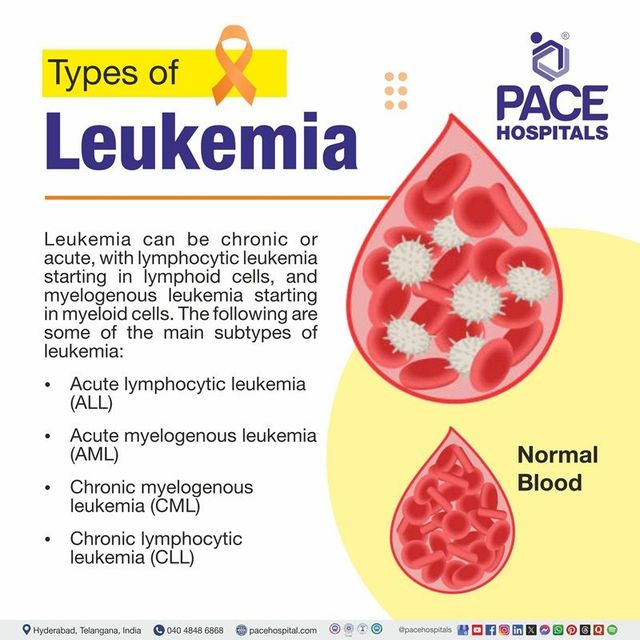
Decoding the Complexity: A Foundation in Leukemia Classification
Leukemia, fundamentally, is a cancer of the blood-forming tissues, including bone marrow and the lymphatic system. It affects the body’s ability to fight infection by producing abnormal white blood cells. These abnormal cells, called leukemia cells, grow uncontrollably and crowd out normal blood cells. The four main types of leukemia are categorized based on two key factors:
-
The speed at which the leukemia progresses (acute vs. chronic):
- Acute leukemia progresses rapidly, with immature blood cells (blasts) accumulating quickly and interfering with the production of normal blood cells. These cells cannot function properly and multiply rapidly. Acute leukemia requires immediate medical attention.
- Chronic leukemia progresses slowly. Mature, but abnormal, white blood cells are produced. These abnormal cells can still perform some functions, and the disease may not cause symptoms in its early stages. Chronic leukemias may progress slowly for years.
-
The type of white blood cell affected (lymphocytic vs. myeloid):
- Lymphocytic leukemia affects lymphocytes, a type of white blood cell that forms part of the immune system.
- Myeloid leukemia affects myeloid cells, which are the cells that develop into other types of blood cells, such as red blood cells, platelets, and other types of white blood cells.
Combining these two classifications leads to the four main types of leukemia:
Acute Lymphocytic Leukemia (ALL)
Acute Lymphocytic Leukemia (ALL), also known as Acute Lymphoblastic Leukemia, is the most common type of cancer in children. However, it can also occur in adults. ALL develops when the bone marrow produces too many immature lymphocytes, a type of white blood cell that normally fights infection. These immature lymphocytes, called lymphoblasts oroblastic cells, cannot fight infection and multiply rapidly, crowding out healthy blood cells.
The Role of Technology in ALL Detection and Treatment
In the realm of Tech, the advancements in diagnostics and treatment for ALL have been revolutionary.
- Advanced Imaging and Genetic Profiling: Techniques like flow cytometry and gene sequencing are crucial for identifying specific subtypes of ALL, which can significantly impact treatment decisions and prognosis. These technologies allow for a highly personalized approach to medicine, identifying genetic mutations that make certain cells susceptible to specific therapies.
- Minimally Invasive Procedures: The development of robotic surgery and advanced endoscopic techniques has reduced the invasiveness of bone marrow biopsies and aspirations, improving patient comfort and recovery times.
- Targeted Therapies and Immunotherapy: While chemotherapy remains a cornerstone of ALL treatment, the integration of targeted therapies and immunotherapies represents a significant technological leap. These treatments are designed to specifically attack leukemia cells while sparing healthy cells, leading to fewer side effects and improved efficacy. For instance, CAR T-cell therapy, a form of immunotherapy where a patient’s own T-cells are genetically engineered to attack cancer cells, has shown remarkable success in treating relapsed or refractory ALL.
- AI in Data Analysis and Drug Discovery: Artificial intelligence (AI) is increasingly being employed to analyze vast datasets of patient information, identifying patterns that might predict treatment response or potential side effects. AI is also accelerating the drug discovery process, helping researchers identify promising new drug candidates more efficiently.
- Digital Health and Remote Monitoring: The proliferation of wearable devices and telehealth platforms allows for continuous monitoring of patients’ vital signs and treatment adherence, especially beneficial for those undergoing long-term treatment or living in remote areas. This technology facilitates timely intervention if complications arise.
Acute Myeloid Leukemia (AML)
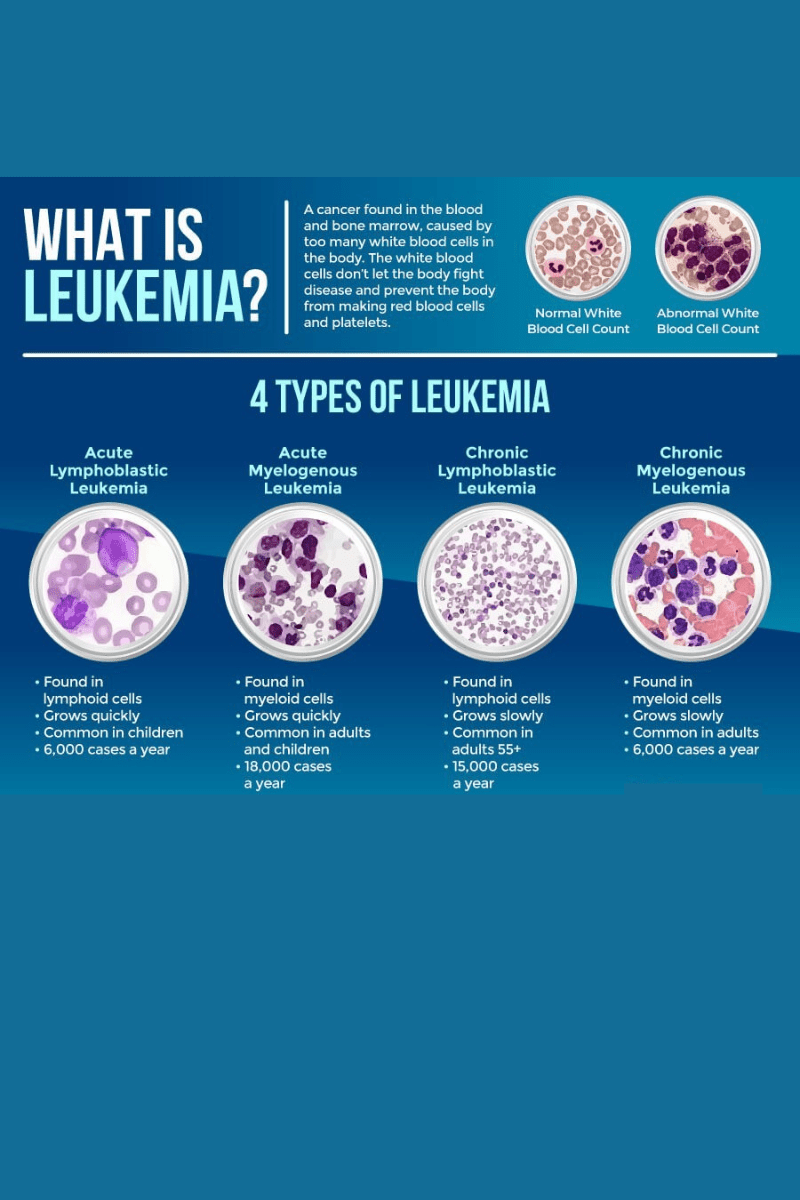
Acute Myeloid Leukemia (AML) is a cancer that starts in the bone marrow, the soft tissue inside bones that produces blood cells. AML develops when immature myeloid cells (a type of white blood cell that normally develops into red blood cells, platelets, or other white blood cells) grow out of control and kill normal blood cells. AML is more common in adults than in children, and the risk increases with age.
Branding and Trust in AML Care
From a Brand perspective, the perception and communication surrounding AML treatment facilities and research institutions are paramount.
- Building Trust Through Transparency: Healthcare providers and research organizations involved in AML care need to cultivate strong brands built on trust and transparency. This involves clearly communicating treatment options, success rates, and the scientific rigor behind their research.
- Patient-Centric Branding: Brands that focus on patient support, empathy, and empowerment tend to resonate more strongly. This includes offering comprehensive resources for patients and their families, highlighting patient success stories, and fostering a sense of community.
- Reputation Management in Medical Research: Institutions conducting AML research rely heavily on their reputation for scientific excellence and ethical conduct. Case studies showcasing successful research outcomes and collaborations with leading technology firms can bolster their brand image.
- The Role of Design in Patient Experience: The physical and digital environments of AML treatment centers, from hospital waiting rooms to online patient portals, are crucial elements of their brand. Thoughtful design can create a calming and supportive atmosphere, enhancing the overall patient experience.
- Marketing of Breakthrough Treatments: Effectively communicating the benefits and accessibility of new AML treatments requires sophisticated marketing strategies, ensuring that patients and referring physicians are aware of the latest advancements.
Chronic Lymphocytic Leukemia (CLL)
Chronic Lymphocytic Leukemia (CLL) is a type of cancer that starts in the lymphocytes in the bone marrow. It progresses slowly and may not cause symptoms for years. In CLL, the bone marrow makes too many abnormal lymphocytes, which don’t mature properly and don’t function correctly. These abnormal cells can build up in the blood, bone marrow, lymph nodes, spleen, and liver. CLL is the most common type of leukemia in adults in Western countries, and it primarily affects older adults.
Financial Implications and Investment in CLL Research
The Money aspect of CLL is multifaceted, encompassing the costs of treatment, the economic impact on patients and their families, and the investment in ongoing research.
- Cost of Treatment and Insurance Coverage: CLL treatment, especially in its later stages or when complications arise, can be very expensive. Understanding insurance coverage, navigating co-pays, and exploring financial assistance programs are critical concerns for patients and their families. Financial tools and resources are essential for managing these costs.
- Impact on Earning Potential: For individuals diagnosed with CLL, particularly those in their working years, the disease can significantly impact their ability to work and earn income. This highlights the importance of disability insurance and exploring potential side hustles or online income streams to supplement lost wages.
- Investment in Pharmaceutical Research: The development of new and improved treatments for CLL requires substantial financial investment from pharmaceutical companies, research institutions, and government grants. Understanding the market dynamics and investment opportunities in the biotechnology sector can be of interest to those in finance.
- Economic Burden of Chronic Disease: CLL, being a chronic condition, places a long-term economic burden not only on individuals but also on healthcare systems. Analyzing this burden requires understanding healthcare finance models and the long-term cost-effectiveness of different treatment strategies.
- Philanthropy and Fundraising: Many organizations dedicate themselves to raising funds for CLL research and patient support. Understanding the strategies and impact of these financial initiatives can offer insights into the philanthropic landscape within healthcare.
Chronic Myeloid Leukemia (CML)
Chronic Myeloid Leukemia (CML) is a slow-growing cancer that starts in the bone marrow. In CML, there is a specific genetic abnormality – a translocation between chromosome 9 and chromosome 22, known as the Philadelphia chromosome. This abnormality leads to the production of an abnormal protein called BCR-ABL, which causes the bone marrow to produce too many white blood cells. CML is primarily a disease of adults and is rarely diagnosed in children.

Synergy Between Tech, Brand, and Money in CML Management
The management of CML offers a compelling illustration of how advancements in Tech, robust Brand building, and shrewd Money management converge to improve patient outcomes.
- Technological Breakthroughs in Targeted Therapy: The development of tyrosine kinase inhibitors (TKIs) has revolutionized CML treatment. These drugs, a direct result of technological innovation in understanding molecular biology and drug development, specifically target the BCR-ABL protein. Technologies like high-throughput screening and advanced molecular diagnostics were instrumental in identifying and developing these life-changing medications.
- The Brand of Precision Medicine: CML is a prime example of successful precision medicine. The brand of treatments like imatinib (Gleevec) became synonymous with hope and a paradigm shift in cancer therapy. The pharmaceutical companies behind these innovations have built powerful brands based on scientific breakthroughs and tangible patient benefits.
- Financial Accessibility and Global Health: While TKIs are highly effective, their cost can be a significant barrier to access for many. This presents a challenge for Money and public health, requiring innovative pricing models, generic drug development, and international collaboration to ensure equitable access. Case studies in global health initiatives highlight how strategic financial planning and partnerships can overcome these hurdles.
- Digital Platforms for Patient Support and Data Collection: Technology plays a vital role in CML management beyond drug development. Digital platforms facilitate adherence monitoring, symptom tracking, and provide educational resources for patients. This data can then be used for further research, enhancing the brand of continuous improvement in CML care.
- Investment in Next-Generation Therapies: Ongoing research into CML, fueled by financial investment, aims to further refine treatments, overcome resistance, and potentially find a cure. This includes exploring novel drug targets, combination therapies, and understanding the long-term impact of existing treatments.
In conclusion, while the direct focus of the title “What Are the Four Types of Leukemia?” is medical, a deeper examination reveals profound connections to the domains of Technology, Brand, and Money. Understanding these distinct types of leukemia not only provides essential medical knowledge but also highlights the intricate interplay between scientific innovation, effective communication and trust-building, and the financial realities of healthcare and research. By appreciating these intersections, we gain a more comprehensive perspective on the multifaceted landscape of cancer management and its impact on individuals and society.
aViewFromTheCave is a participant in the Amazon Services LLC Associates Program, an affiliate advertising program designed to provide a means for sites to earn advertising fees by advertising and linking to Amazon.com. Amazon, the Amazon logo, AmazonSupply, and the AmazonSupply logo are trademarks of Amazon.com, Inc. or its affiliates. As an Amazon Associate we earn affiliate commissions from qualifying purchases.