
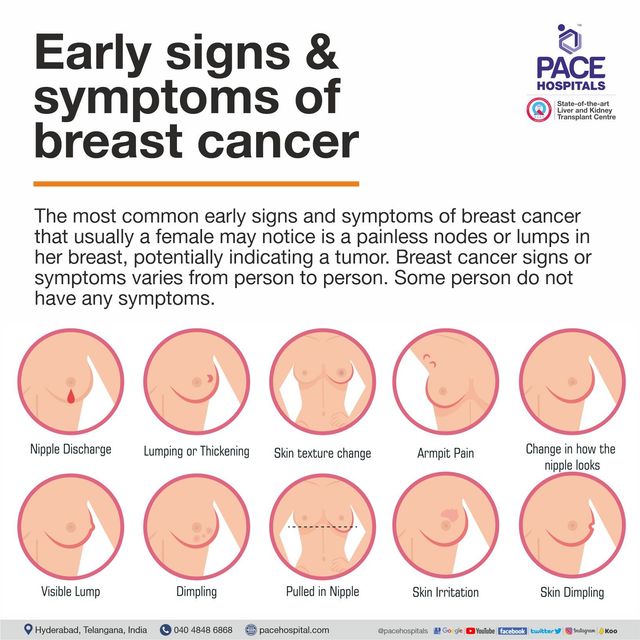
Metastatic breast cancer, also known as stage IV breast cancer, is a diagnosis that brings a wave of concern and questions, and understandably so. While early detection of primary breast cancer is crucial for improved treatment outcomes, understanding the potential signs of cancer that has spread (metastasized) is equally vital. This understanding empowers individuals to seek prompt medical attention, which can lead to more effective management and potentially better quality of life.
It’s important to preface this discussion with a critical caveat: this article is for informational purposes only and should never substitute professional medical advice. If you have any concerns about your health, please consult a qualified healthcare provider immediately. Self-diagnosis can be dangerous, and only a medical professional can accurately diagnose and treat any health condition.

The journey of understanding metastatic breast cancer begins with recognizing that cancer cells can break away from the original tumor in the breast and travel through the bloodstream or lymphatic system to other parts of the body. When this happens, the cancer is no longer considered localized but has spread. The “first signs” are not a singular, definitive symptom, but rather a constellation of potential indicators that can manifest differently in each individual. These signs are a consequence of the cancer growing in new locations, impacting the function of those organs or tissues.
Understanding the Spread: Where Metastases Typically Occur
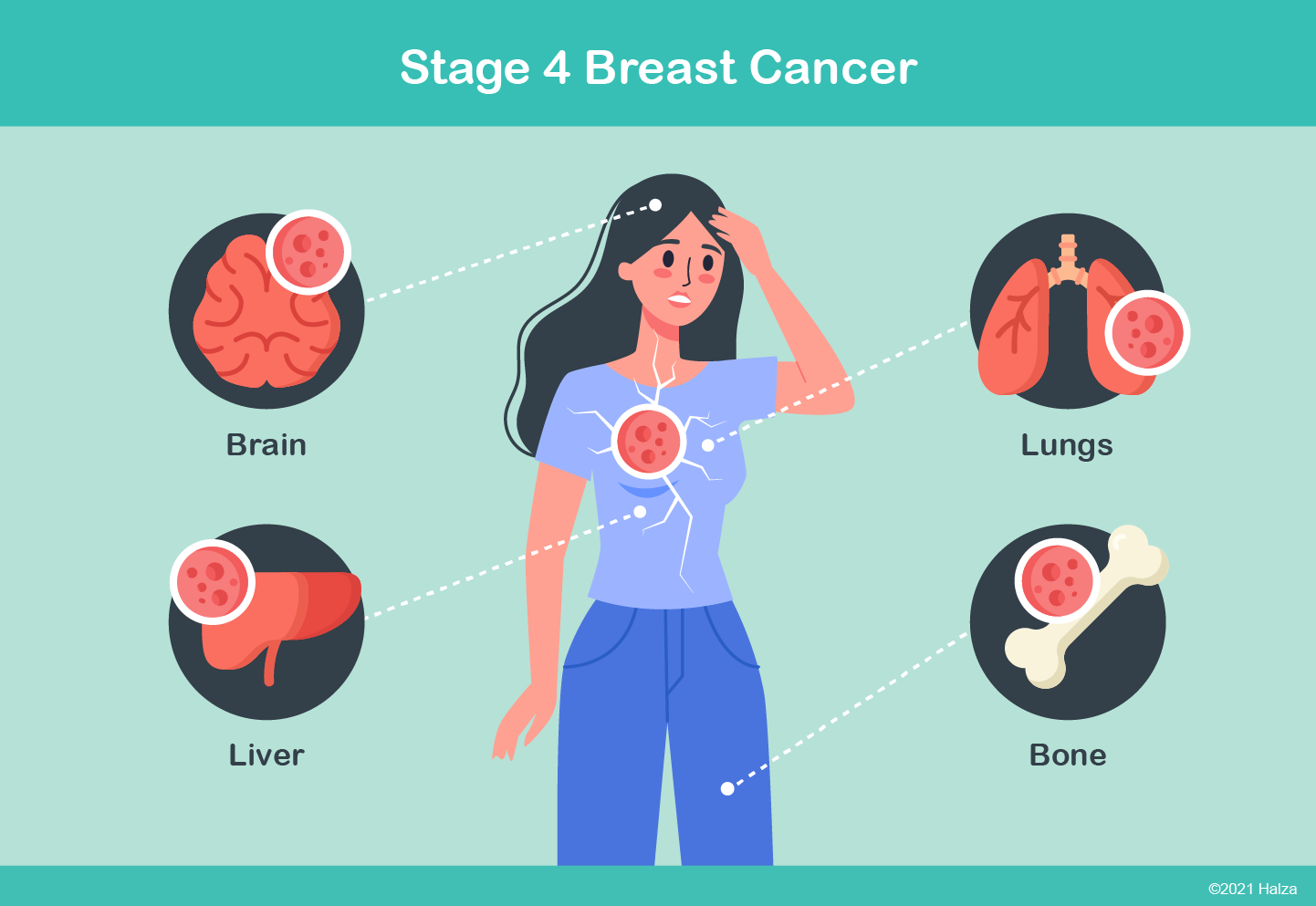
To grasp the potential signs, it’s helpful to understand where breast cancer commonly spreads. While it can metastasize to almost any part of the body, there are several frequent sites. Recognizing these common locations helps us anticipate the types of symptoms that might arise.
Bone Metastases
One of the most common sites for breast cancer metastasis is the bone. When breast cancer cells reach the bones, they can disrupt the normal bone-remodeling process, leading to several symptoms.
Bone Pain as a Primary Indicator
Bone pain is a hallmark symptom of bone metastases. This pain can vary in intensity, from a dull ache to a sharp, persistent throb. It might be localized to a specific bone or feel more widespread. Unlike the kind of muscle soreness you might experience after exercise, bone pain from metastases is often persistent and may worsen at night or with weight-bearing activities. It’s crucial to differentiate this from everyday aches and pains. If you experience new, unexplained, or worsening bone pain, especially in the ribs, spine, pelvis, or long bones of the arms and legs, it warrants medical investigation.
Fractures and Structural Weakness
As cancer weakens the bone structure, it can lead to pathological fractures. These are fractures that occur in a bone weakened by disease, often with minimal or no trauma. A bone might fracture during normal daily activities or even spontaneously. Signs of a potential fracture include sudden, severe pain, swelling, bruising, and difficulty moving the affected limb. This skeletal fragility is a significant concern that requires immediate medical attention to prevent further injury and manage pain.
Neurological Symptoms Due to Spinal Involvement
When breast cancer spreads to the spine, it can put pressure on the spinal cord or nerves. This compression can lead to a range of neurological symptoms. These might include numbness, tingling, or weakness in the limbs, difficulty with coordination, or even bowel or bladder dysfunction. In severe cases, spinal cord compression can lead to paralysis. These symptoms are serious and require urgent medical evaluation to decompress the spinal cord and prevent permanent nerve damage.
Lung Metastases
The lungs are another frequent destination for metastatic breast cancer. Symptoms related to lung involvement often manifest as respiratory issues.
Persistent Cough and Shortness of Breath
A persistent cough that doesn’t resolve with typical remedies can be a sign of lung metastases. This cough may be dry or produce mucus. Alongside the cough, individuals might experience increasing shortness of breath, particularly with exertion. This can feel like gasping for air or a feeling of tightness in the chest. These symptoms are often mistaken for other respiratory conditions like bronchitis or pneumonia, making it essential to seek medical advice for a proper diagnosis.
Chest Pain and Discomfort
Metastatic breast cancer in the lungs can also cause chest pain. This pain can range from a dull ache to a sharp, stabbing sensation. It might be more noticeable when taking deep breaths, coughing, or lying down. If you experience unexplained chest pain that is new or worsening, it’s important to have it evaluated by a doctor.
Difficulty Breathing While Lying Down (Orthopnea)
A more specific sign of lung involvement can be orthopnea, which is the sensation of breathlessness that occurs when lying down, often necessitating sleeping with multiple pillows to find relief. This is because lying flat can exacerbate fluid buildup in the lungs or put additional pressure on the respiratory system, making breathing more difficult.
Liver Metastases
The liver, a vital organ for detoxification and metabolism, is another common site for breast cancer spread. Symptoms here can be more general but are often noticeable.
Jaundice: Yellowing of the Skin and Eyes
One of the most recognized signs of liver dysfunction, including due to metastases, is jaundice. This condition causes a yellowing of the skin and the whites of the eyes. It occurs when there is a buildup of bilirubin, a pigment produced during the breakdown of red blood cells, which the liver normally processes. If the liver is significantly affected by cancer, its ability to process bilirubin can be impaired, leading to its accumulation in the bloodstream.
Abdominal Pain and Swelling
As cancer grows within the liver, it can cause enlargement of the organ, leading to a feeling of fullness or discomfort in the upper right side of the abdomen, where the liver is located. This can progress to noticeable abdominal swelling or distension. Pain in this area can also occur, ranging from a dull ache to a more intense sensation.
Loss of Appetite and Unexplained Weight Loss
When the liver is not functioning optimally, it can affect digestion and metabolism, leading to a loss of appetite. This can result in unintended weight loss, which is a concerning symptom that should always be investigated by a healthcare professional. These symptoms can be very non-specific and easily attributed to other causes, highlighting the importance of thorough medical evaluation.
Brain Metastases
While less common than bone, lung, or liver metastases, breast cancer can also spread to the brain. Symptoms here are often neurological in nature.
Headaches That Worsen Over Time
Headaches are a frequent symptom of brain metastases. What sets these apart from typical headaches is their tendency to worsen over time. They may be more severe in the morning or awaken an individual from sleep. The pain can be constant and may not respond well to over-the-counter pain relievers.
Neurological Changes: Seizures, Weakness, or Vision Problems
Brain metastases can disrupt normal brain function, leading to a variety of neurological symptoms. These can include new-onset seizures, which are uncontrolled electrical disturbances in the brain. Weakness or numbness in a limb or on one side of the body can also occur, depending on the location of the tumor. Changes in vision, such as blurred vision, double vision, or loss of peripheral vision, are also possible. Cognitive changes, like memory problems or confusion, can also manifest. These are serious symptoms that require immediate medical attention.
Beyond the Common: Other Potential Signs
While the aforementioned sites and symptoms are among the most frequent, it’s important to remember that metastatic breast cancer can present in other ways.
Fatigue and General Malaise
A profound and persistent feeling of fatigue that is not relieved by rest is a common, yet often overlooked, symptom in many advanced cancers, including metastatic breast cancer. This isn’t just feeling tired; it’s an overwhelming exhaustion that can significantly impact daily life. Coupled with a general sense of malaise – a vague feeling of being unwell or unwell – these symptoms can be early indicators that something is amiss.
Skin Changes
Occasionally, metastatic breast cancer can manifest as changes in the skin. This might include new lumps or bumps that are different from the original breast tumor, or skin that becomes red, inflamed, or has an orange-peel appearance (peau d’orange). While these can sometimes be signs of inflammatory breast cancer or local recurrence, in the context of known metastatic disease, they could indicate skin involvement elsewhere in the body.
The Importance of Vigilance and Medical Consultation
The first signs of metastatic breast cancer can be subtle, mimic other conditions, or be entirely non-specific. This underscores the critical importance of listening to your body and not dismissing persistent or concerning symptoms. Regular medical check-ups are invaluable for monitoring your health and can help in the early detection of any new issues.
If you have a history of breast cancer, you may be more attuned to changes in your body. However, it’s crucial to avoid self-diagnosis and to communicate any new or worsening symptoms to your healthcare provider promptly. They are equipped to conduct the necessary diagnostic tests, such as imaging scans (mammograms, CT scans, MRIs, bone scans), blood tests, and biopsies, to determine the cause of your symptoms.
The diagnosis of metastatic breast cancer is a challenging one, but understanding the potential signs is a crucial step in proactive health management. Early recognition, coupled with prompt medical evaluation and appropriate treatment, offers the best path forward for managing the disease and maintaining the highest possible quality of life. Your health is your most valuable asset, and staying informed and vigilant is a powerful way to protect it.
aViewFromTheCave is a participant in the Amazon Services LLC Associates Program, an affiliate advertising program designed to provide a means for sites to earn advertising fees by advertising and linking to Amazon.com. Amazon, the Amazon logo, AmazonSupply, and the AmazonSupply logo are trademarks of Amazon.com, Inc. or its affiliates. As an Amazon Associate we earn affiliate commissions from qualifying purchases.