
In the world of professional athletics, the heptathlon stands as the ultimate test of versatility, endurance, and technical precision. However, beyond the physical toll of competing in seven distinct disciplines over two days, there lies a complex economic framework that dictates the success of an elite athlete. To understand what the events in a heptathlon are is to understand a high-stakes business model where time, capital, and physical assets must be managed with surgical efficiency.
From a financial perspective, the heptathlon is not merely a sequence of track and field events; it is a diversified portfolio of physical investments. Each “event” carries its own overhead costs, specialized equipment requirements, and potential for return on investment (ROI) through sponsorships and prize money. This guide analyzes the seven events of the heptathlon through the lens of professional finance, personal branding, and career longevity.
The Capital Intensity of the Seven Disciplines
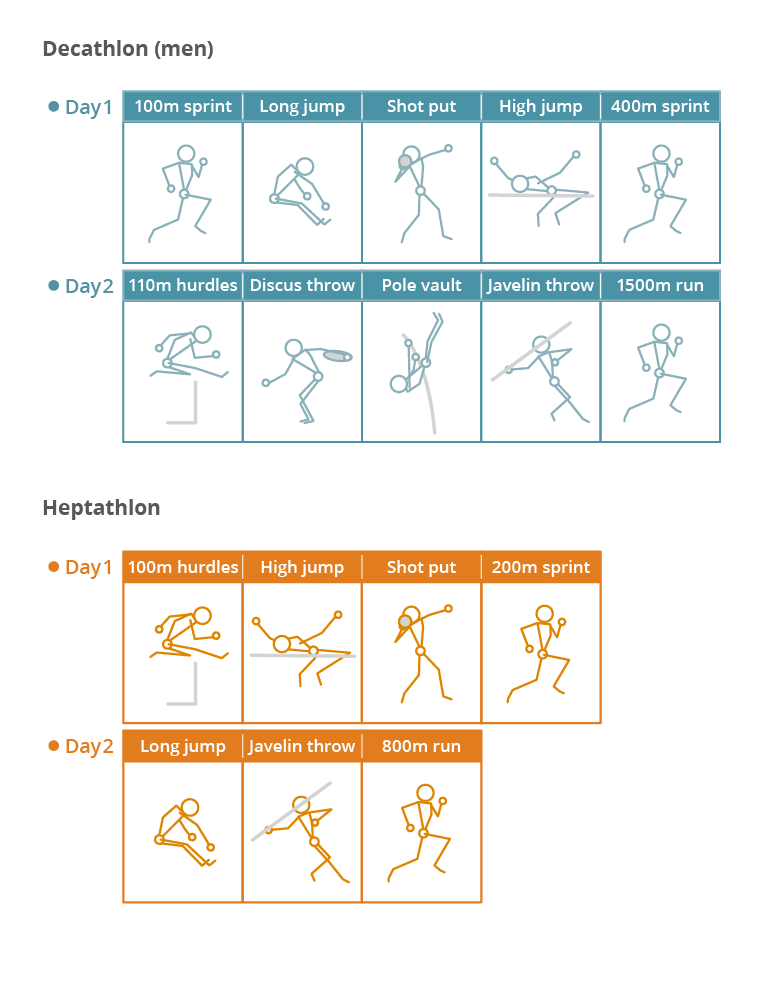
The heptathlon consists of seven events: the 100-meter hurdles, high jump, shot put, and 200-meter sprint on the first day, followed by the long jump, javelin throw, and 800-meter run on the second day. For a professional athlete, each of these events represents a specific “cost center” within their training budget.
Initial Investment: Equipment and Infrastructure
Unlike a specialist sprinter who may only require a single pair of high-end spikes and a track membership, a heptathlete must manage a massive inventory of specialized gear.
- The Hurdles and Sprints: Requires carbon-plated sprint spikes designed for explosive power.
- The Javelin: Requires specific boots with heel studs to prevent sliding during the throw, alongside the purchase of multiple javelins, which can cost anywhere from $500 to $1,200 each.
- The High Jump and Long Jump: Each demands distinct footwear with specialized support for different take-off angles.
- The Shot Put: Requires throwing shoes with a flat, smooth sole for rotational or glide speed.
When an athlete calculates their annual overhead, the equipment budget alone can exceed $10,000, factoring in the wear and tear of daily training. For those not yet signed to major brand deals with Nike, Adidas, or Puma, these costs represent a significant barrier to entry, necessitating a “side hustle” or reliance on national governing body (NGB) grants.
The Cost of Technical Proficiency
In finance, diversification is key to mitigating risk. In the heptathlon, diversification is mandatory. However, mastering seven events requires an immense “knowledge capital” investment. Most elite heptathletes do not work with a single coach; they employ a network of specialists.
Paying for a hurdles coach, a throws coach, and a jumps coach simultaneously can lead to monthly coaching fees that rival a high-end corporate retainer. From a business perspective, the heptathlete is a CEO managing a team of technical consultants, all aimed at optimizing a single output: the final point score.
Revenue Streams and Performance Incentives
The “events” in a heptathlon serve as the primary drivers of an athlete’s market value. Unlike team sports with guaranteed contracts, the income of a multi-event athlete is highly liquid and performance-dependent.
Prize Money Structures
The primary source of direct income for heptathletes comes from World Athletics (WA) sanctioned events and the Diamond League. However, the financial “events” on the calendar are few and far between. The heptathlon is rarely contested in its entirety at every track meet due to the logistical challenges of scheduling seven events over two days.
- Major Championships: The Olympics and World Championships offer the highest visibility but not always the highest immediate cash payouts. National federations often provide “medal bonuses,” which can range from $10,000 to $50,000 for a podium finish.
- Multistars Series: This is the “corporate circuit” for heptathletes. These specialized meets offer prize pools that reward consistency across the season. A top-ranking athlete in the World Athletics Combined Events Tour can earn a year-end bonus that stabilizes their annual income.
Appearance Fees and Performance Bonuses
For the world’s elite—the top 5% of heptathletes—the “events” are opportunities to collect appearance fees. Meeting directors pay premium rates to ensure that marquee names participate in their events to drive ticket sales and broadcast viewership. Furthermore, personal endorsement contracts often include “point bonuses.” For example, breaking the 6,800 or 7,000-point barrier can trigger a substantial six-figure bonus from a footwear sponsor, acting much like a corporate performance incentive.
Strategic Branding: Leveraging the All-Rounder Persona

In the “Money” niche, the concept of a “brand” is an asset that can be monetized. The heptathlete occupies a unique position in the sports market because they embody the “ultimate athlete” persona.
Endorsements as a Diversified Portfolio
The sheer variety of events in a heptathlon allows athletes to appeal to a broader range of sponsors. While a marathoner is limited largely to running brands and hydration supplements, a heptathlete can bridge the gap between various fitness sectors.
- Strength and Power: The shot put and javelin segments allow for partnerships with weightlifting gear and high-protein nutrition brands.
- Speed and Agility: The hurdles and sprints align the athlete with high-performance tech and apparel.
- Endurance: The 800-meter finale speaks to the cardiovascular and recovery market.
By positioning themselves as experts in multiple disciplines, heptathletes can secure a more “diversified portfolio” of endorsements, protecting them if one sector of the fitness market faces a downturn.
The Marketability of Versatility
From a digital income perspective, the heptathlon provides a wealth of “content events.” For an athlete-influencer, seven different events mean seven times the educational content, “behind-the-scenes” training footage, and product placement opportunities. This multi-faceted approach allows for higher engagement across social media platforms, which in turn increases the athlete’s “influencer score” and their ability to command higher rates for sponsored posts and digital partnerships.
The Business of Recovery and Longevity
The most significant risk factor in the heptathlon “business” is physical depreciation. The seven events are grueling, often leading to injuries that can sideline an athlete and halt their income streams overnight.
Protecting the Human Asset: Insurance and Medical Expenses
Elite heptathletes must view their bodies as their primary business asset. This requires a significant allocation of funds toward “maintenance and repairs.”
- Physiotherapy and Massage: Annual costs can exceed $15,000 for regular sessions to prevent the accumulation of micro-trauma from events like the high jump and hurdles.
- Insurance: High-performance athletes often take out specialized disability insurance policies. These policies are designed to provide “loss of income” protection in the event of a career-ending injury, acting as a financial hedge against the high physical risks of multi-event competition.
Longevity as a Compound Interest Strategy
In finance, the longer you stay invested, the more you benefit from compound interest. In the heptathlon, career longevity is the key to maximizing total lifetime earnings. An athlete who can compete at a high level across three Olympic cycles (12 years) will earn exponentially more than a specialist who peaks for only one. This requires a strategic “pacing” of the events—knowing when to push for a personal best and when to focus on “points management” to avoid burnout and injury.
Post-Competitive Financial Transitions
The final “event” in a heptathlete’s career is the transition from active competition to a sustainable post-athletic business model. The skills required to master seven events—discipline, time management, technical adaptability, and resilience—are highly transferable to the corporate and entrepreneurial worlds.

Consulting, Coaching, and Media Careers
Many former heptathletes transition into high-performance consulting or coaching, where they can command premium rates for their multi-disciplinary expertise. Others leverage their “ultimate athlete” brand to enter the media landscape as commentators or analysts, where the “events” they once competed in become the subject of their professional discourse.
Furthermore, the “online income” potential for retired heptathletes is significant. Creating digital training programs that teach the mechanics of the seven events allows for passive income streams that capitalize on their years of specialized “R&D” (Research and Development) in the field.
In conclusion, the events in a heptathlon are far more than just a series of athletic tests. They represent a complex financial ecosystem requiring heavy capital investment, strategic risk management, and a diversified approach to revenue. For the athlete who can master the economics of the sport alongside the physical demands, the heptathlon offers a path to becoming not just a champion, but a highly successful “athlete-entrepreneur” in the modern sports economy. By treating each event as a strategic milestone in a larger financial journey, the modern heptathlete ensures that their legacy—and their bank account—remains robust long after the final 800-meter race is run.
aViewFromTheCave is a participant in the Amazon Services LLC Associates Program, an affiliate advertising program designed to provide a means for sites to earn advertising fees by advertising and linking to Amazon.com. Amazon, the Amazon logo, AmazonSupply, and the AmazonSupply logo are trademarks of Amazon.com, Inc. or its affiliates. As an Amazon Associate we earn affiliate commissions from qualifying purchases.