
Nuclear power, a potent source of carbon-free electricity, often sparks debate due to its inherent complexities and perceived risks. While its ability to generate vast amounts of energy with minimal greenhouse gas emissions is a significant advantage in the fight against climate change, a thorough examination of its drawbacks is crucial for informed decision-making in our energy future. These challenges span technological hurdles, financial considerations, and the ever-present concern of safety and environmental impact. Understanding these multifaceted drawbacks is essential for policymakers, investors, and the public alike as we navigate the evolving energy landscape.
The High Cost of Entry and Ongoing Financial Burdens
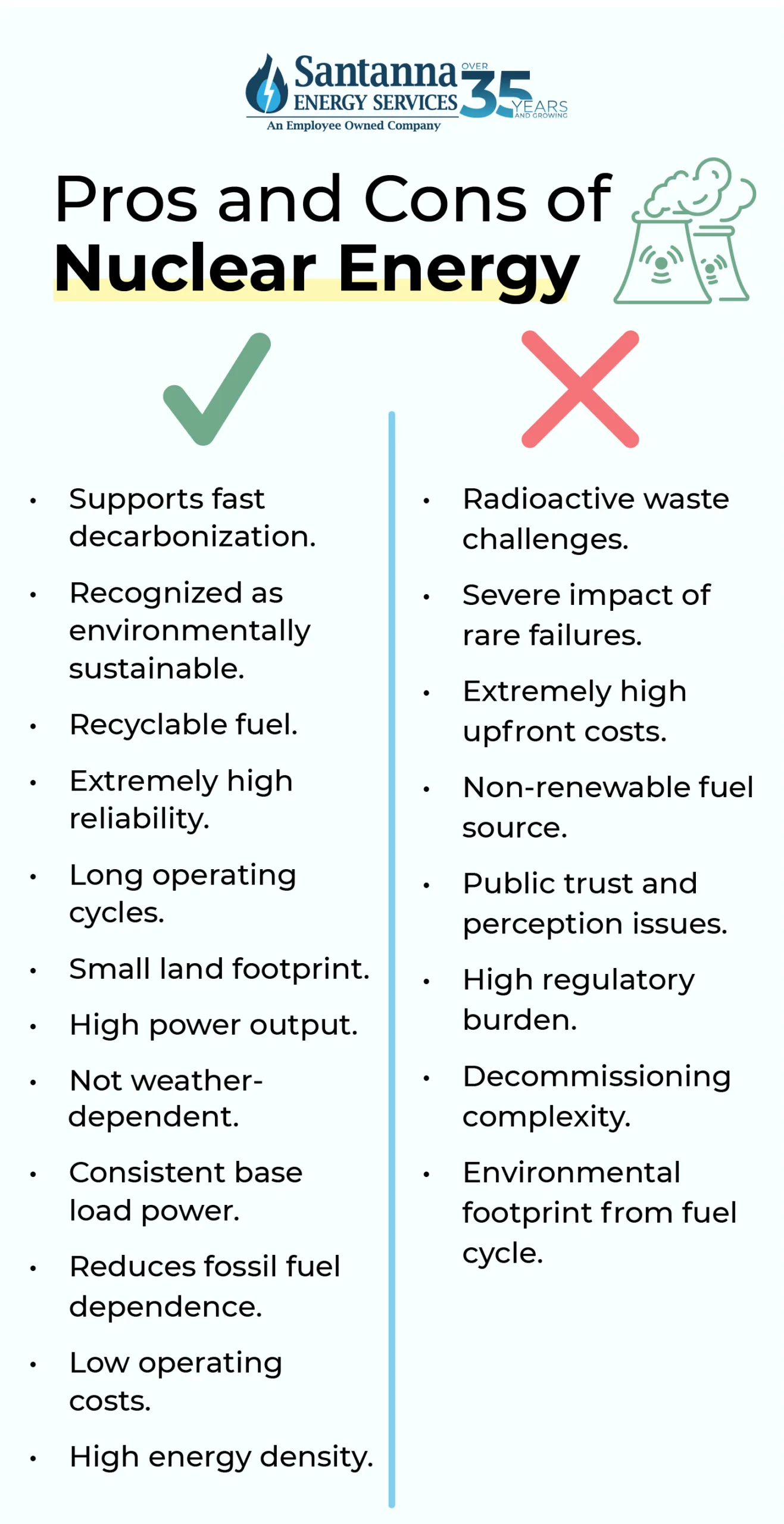
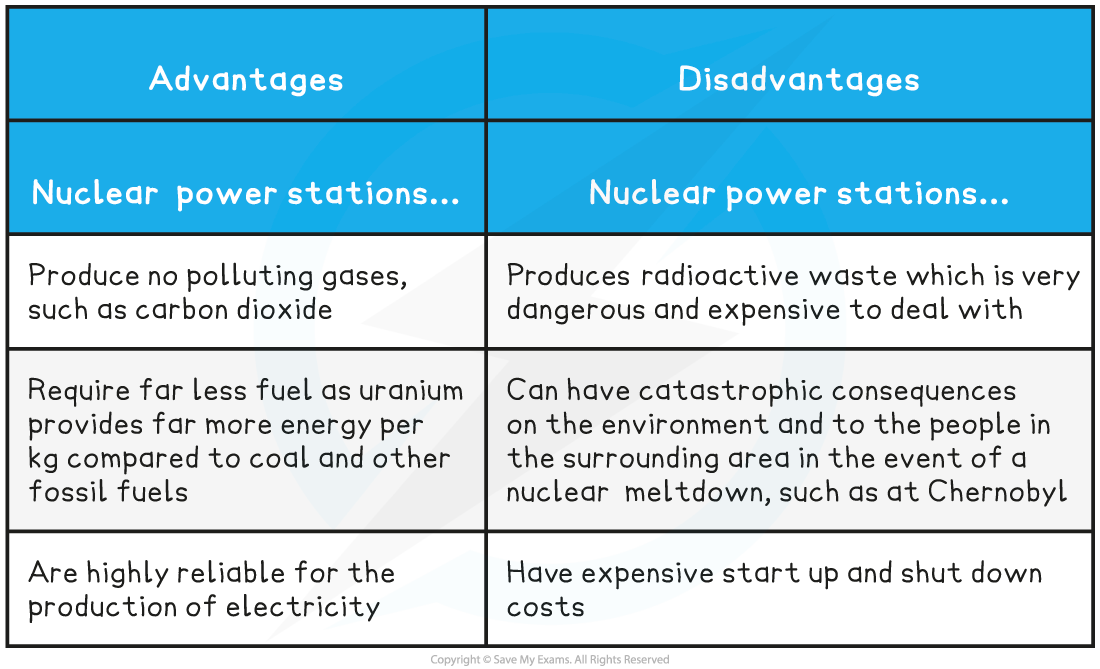
The economic realities of nuclear power present one of its most significant drawbacks. The initial capital investment required to construct a nuclear power plant is astronomically high, often running into billions of dollars. This massive upfront cost, coupled with lengthy construction times and the potential for cost overruns, makes nuclear power a financially risky proposition for investors and governments. Beyond construction, the operational and decommissioning expenses also contribute to the overall financial burden, demanding careful long-term planning and robust financial models.
Astronomical Upfront Capital Costs
Building a nuclear power plant is a colossal undertaking, rivaling the scale of major infrastructure projects like entire highway systems or large-scale aerospace endeavors. The sheer complexity of the engineering, the specialized materials required, and the stringent safety regulations all contribute to these exorbitant initial costs. These expenses include:
- Site Preparation and Infrastructure: Acquiring suitable land, ensuring geological stability, and building extensive infrastructure, including roads, cooling water systems, and security perimeters, are all substantial investments.
- Reactor Design and Construction: The core of the plant, the nuclear reactor, is a marvel of engineering but also an incredibly expensive component. Specialized materials resistant to extreme temperatures and radiation are necessary, and the precision required in their fabrication and assembly is unparalleled.
- Safety and Security Systems: Redundant safety systems, robust containment structures, and sophisticated security measures to prevent sabotage or unauthorized access add significantly to the overall price tag. These systems are designed to mitigate a wide range of potential accidents, from meltdowns to external threats.
- Regulatory Approval and Licensing: Navigating the complex and lengthy regulatory approval processes, which involve extensive environmental impact assessments, safety reviews, and public consultations, can add years and millions of dollars to the project timeline and cost.
These upfront costs are not easily absorbed. They often necessitate significant government subsidies, long-term loan guarantees, or large-scale private investment, all of which carry their own financial implications and risks.
Long Construction Times and Project Delays
The construction of nuclear power plants is notoriously lengthy. Years, often decades, can pass from the initial planning stages to the plant’s operational launch. This protracted timeline is a direct consequence of the inherent complexity of the technology, the rigorous safety standards that must be met at every stage, and the extensive regulatory oversight involved.
- Design and Engineering Complexity: The intricate design and engineering required for safe and efficient operation demand meticulous planning and execution. Any unforeseen technical challenges can lead to significant delays.
- Supply Chain and Specialized Labor: The specialized components and highly skilled labor required for nuclear construction can be difficult to procure and manage, leading to bottlenecks and delays.
- Regulatory Hurdles: As mentioned, the multi-stage approval process by regulatory bodies can be a significant source of delays, with each phase requiring thorough review and sign-off.
- Economic Fluctuations: Over the extended construction period, economic conditions can change, impacting the availability and cost of materials and labor, further contributing to delays and cost overruns.
These delays translate directly into higher financing costs, as interest accrues on loans over a longer period, and the plant’s projected revenue streams are pushed further into the future. The opportunity cost of this capital being tied up for so long is also a considerable financial drawback.
High Decommissioning Costs and Waste Management
Once a nuclear power plant reaches the end of its operational life, typically after 40-60 years, the process of decommissioning is another significant financial and logistical challenge. This involves safely dismantling the plant, decontaminating radioactive components, and managing the radioactive waste generated during its operation.
- Dismantling Radioactive Structures: The most challenging aspect is the dismantling of the reactor core and associated highly radioactive structures. This requires specialized robotics, remote handling equipment, and extensive safety protocols to protect workers and the environment.
- Long-Term Waste Storage: Spent nuclear fuel remains radioactive for thousands of years, posing a long-term storage and disposal challenge. While interim storage solutions exist, permanent geological repositories, which are considered the safest long-term option, are complex to develop and face significant public and political opposition. The cost of managing this waste over such immense timescales is substantial and often not fully accounted for in the initial economic assessments of nuclear power.
- Environmental Remediation: Extensive efforts are required to decontaminate the site and ensure it can be safely reused after decommissioning. This can involve the removal of contaminated soil and water, further adding to the overall expense.
The precise costs of decommissioning and long-term waste management are difficult to estimate accurately due to the long timescales involved and the evolving technologies for waste handling. However, it is universally acknowledged to be a substantial financial liability that must be factored into the overall cost-effectiveness of nuclear power.
Safety Concerns and the Specter of Accidents
Despite advancements in safety technology, the inherent nature of nuclear fission and the potential for catastrophic accidents remain a significant public concern and a major drawback. While the probability of severe accidents is low, the consequences, as evidenced by historical events, can be devastating, impacting human health, the environment, and the economy for generations.
The Risk of Meltdowns and Radiation Release
The primary safety concern associated with nuclear power is the possibility of a reactor meltdown, a severe accident where the nuclear fuel overheats and melts. This can lead to the release of highly radioactive materials into the environment.
- Core Overheating: Meltdowns can be triggered by a loss of coolant, failure of control systems, or external events like earthquakes or terrorist attacks that disrupt the plant’s safety mechanisms. When the cooling systems fail, the residual heat from radioactive decay can cause the fuel rods to overheat, leading to structural damage and potential breach of containment.
- Radiation Dispersion: A meltdown can result in the release of a radioactive plume that can spread over vast distances, contaminating land, water, and air. The severity of the contamination depends on the amount and type of radioactive isotopes released, as well as weather conditions.
- Long-Term Health Impacts: Exposure to radiation can lead to a range of health problems, including increased cancer risk, genetic mutations, and acute radiation sickness. The long-term health consequences for populations exposed to significant levels of radiation can be profound and persist for decades.
- Evacuation and Displacement: In the event of a major accident, large areas may need to be evacuated, leading to the displacement of communities and significant social and economic disruption. The long-term habitability of affected regions can be compromised, creating “exclusion zones” that remain uninhabitable for extended periods.
While modern nuclear power plants incorporate multiple layers of redundant safety systems and robust containment structures designed to prevent or mitigate meltdowns, the potential for human error, equipment failure, or unprecedented external events cannot be entirely eliminated.
Nuclear Waste Disposal and Environmental Contamination
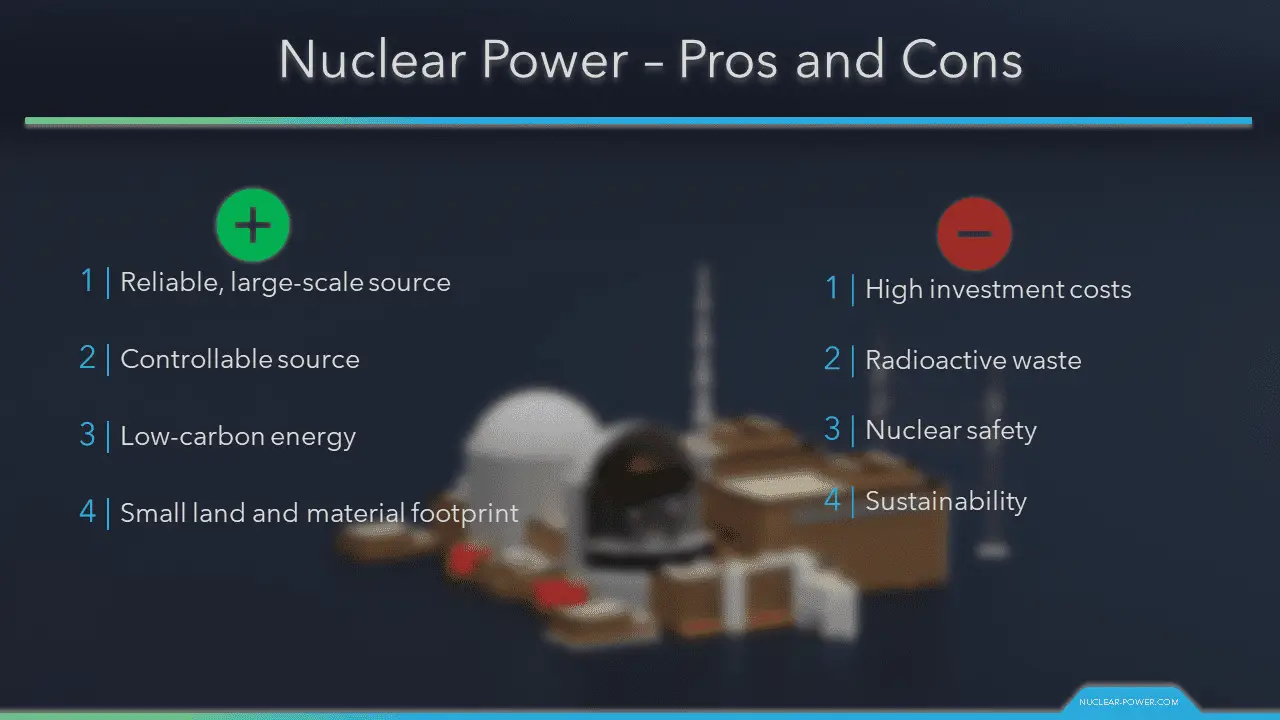
The long-term management and disposal of radioactive waste generated by nuclear power is a formidable challenge. Spent nuclear fuel and other radioactive byproducts remain hazardous for thousands of years, posing a persistent environmental risk if not handled and stored with extreme care.
- Interim Storage Solutions: Currently, most spent nuclear fuel is stored on-site at nuclear power plants in specialized pools or dry cask storage systems. While these methods are considered safe for the short to medium term, they are not a permanent solution.
- The Search for Permanent Repositories: The ideal long-term solution involves isolating radioactive waste deep underground in stable geological formations. However, identifying suitable sites, gaining public acceptance, and constructing these repositories are incredibly complex and politically charged endeavors. Many countries are still struggling to establish these permanent disposal facilities.
- Risk of Leakage and Contamination: The risk of leaks from storage facilities or during transportation of radioactive waste, however small, could lead to localized or widespread environmental contamination. This contamination could render land unusable, pollute water sources, and pose serious health risks to flora and fauna.
- Security of Nuclear Materials: The secure management of nuclear materials is also a concern. Ensuring that spent fuel and other radioactive substances do not fall into the wrong hands, potentially for illicit purposes, requires robust security measures and international cooperation.
The unresolved nature of permanent nuclear waste disposal remains a significant ethical and environmental drawback, placing a burden on future generations to manage a problem created today.
Security Threats and Proliferation Concerns
Nuclear power facilities are potential targets for terrorism, and the materials used in nuclear reactors could be diverted for the production of nuclear weapons. This dual concern about security and proliferation adds another layer of complexity and drawback to nuclear energy.
- Terrorist Attacks: A successful terrorist attack on a nuclear power plant could have catastrophic consequences, including the release of radiation and widespread panic. This necessitates extremely high levels of security, including physical barriers, surveillance systems, and well-trained security forces, which adds to the operational costs.
- Nuclear Proliferation: The technology and materials involved in civilian nuclear power programs can, in theory, be adapted for military purposes. While international safeguards are in place to prevent the diversion of fissile materials, the risk of proliferation, particularly in regions with political instability, remains a global concern.
- Cybersecurity Threats: As with any modern infrastructure, nuclear power plants are increasingly reliant on digital systems, making them vulnerable to cyberattacks. A sophisticated cyberattack could disrupt safety systems, compromise operational control, or even lead to the release of radioactive materials. Ensuring the cybersecurity of these critical facilities is an ongoing and costly challenge.
These security and proliferation risks require constant vigilance, international cooperation, and significant investment in protective measures, further contributing to the overall drawbacks of relying heavily on nuclear power.
Environmental and Social Hurdles
Beyond the direct safety and financial implications, nuclear power faces environmental and social challenges that can impede its development and acceptance. These include the environmental impact of uranium mining, the public perception of nuclear risks, and the significant lead times for new projects, which can slow down the transition to a low-carbon economy.
Uranium Mining and its Environmental Footprint
The lifecycle of nuclear power begins with the extraction of uranium, a process that carries its own set of environmental drawbacks. Uranium mining, like other large-scale mining operations, can have significant impacts on local ecosystems and communities.
- Land Disturbance and Habitat Destruction: Open-pit uranium mining, a common method, involves the removal of vast quantities of earth and rock, leading to significant land disturbance, habitat destruction, and potential soil erosion. Underground mining, while less visually impactful, can still lead to subsidence and groundwater contamination.
- Water Contamination: Uranium mining operations can release radioactive elements and heavy metals into local water sources, posing risks to human health and aquatic ecosystems. Acid mine drainage, a common problem in mining, can also leach contaminants into rivers and streams.
- Radioactive Tailings: The mining process generates large volumes of radioactive tailings – waste material that contains residual uranium and other naturally occurring radioactive materials. These tailings require secure containment and long-term management to prevent the release of radon gas and the leaching of contaminants into the environment.
- Health Risks for Workers and Local Populations: Miners and nearby communities can be exposed to elevated levels of radiation and hazardous chemicals associated with uranium mining, increasing their risk of certain cancers and other health problems.
While efforts are made to mitigate these impacts through regulation and best practices, the environmental footprint of uranium extraction remains a significant concern that must be considered in the overall assessment of nuclear power’s sustainability.
Public Perception and Opposition
Public perception plays a crucial role in the acceptance and deployment of nuclear power. Despite the technological advancements and stringent safety regulations, historical accidents, concerns about waste disposal, and the association with nuclear weapons have fostered a deep-seated public apprehension in many parts of the world.
- Fear of Accidents: The specter of Chernobyl and Fukushima continues to influence public opinion, leading to a heightened fear of catastrophic accidents, even if the likelihood is statistically low. This fear can translate into strong opposition to new nuclear projects.
- Concerns about Waste: The unresolved issue of long-term nuclear waste disposal is a major source of public anxiety. The idea of storing hazardous materials for millennia is difficult for many to accept, and the perceived lack of a definitive solution fuels opposition.
- “Not In My Backyard” (NIMBY) Syndrome: Even with a general acceptance of nuclear power’s role, local communities often oppose the construction of new plants or waste repositories in their immediate vicinity due to concerns about safety, property values, and environmental impact.
- Influence of Environmental Groups: Environmental organizations often play a significant role in shaping public opinion and advocating against nuclear power, citing its risks and waste challenges, and promoting renewable energy alternatives.
This public opposition can lead to lengthy legal battles, political delays, and ultimately, the cancellation of proposed nuclear projects, even when they are deemed technically feasible and economically viable.
Long Lead Times and Slowdown of Energy Transition
The significant lead times required to plan, license, and construct new nuclear power plants can be a major impediment to rapidly decarbonizing the energy sector. In the urgent fight against climate change, the ability to deploy new energy sources quickly is paramount.
- Protracted Planning and Permitting: The complex regulatory framework, environmental impact assessments, and public consultations required for nuclear projects can take many years to complete. This process is often more extended and intricate than for other energy technologies.
- Construction Delays: As discussed previously, construction itself can take a decade or more, further delaying the introduction of new carbon-free capacity. This means that the benefits of nuclear power in terms of emissions reduction are realized much later compared to other, faster-deployable technologies.
- Opportunity Cost for Renewables: The immense capital and resources tied up in long-term nuclear projects could potentially be allocated to the more rapid deployment of renewable energy sources like solar and wind power, which can be built and scaled much more quickly.
- Flexibility and Adaptability: The long lifespan and high upfront cost of nuclear power plants make them less flexible to changing energy demands or technological advancements compared to modular renewable energy systems.
In a global race to reduce greenhouse gas emissions, the slow pace of nuclear development can be seen as a drawback, potentially hindering the urgent transition to a cleaner energy future.
aViewFromTheCave is a participant in the Amazon Services LLC Associates Program, an affiliate advertising program designed to provide a means for sites to earn advertising fees by advertising and linking to Amazon.com. Amazon, the Amazon logo, AmazonSupply, and the AmazonSupply logo are trademarks of Amazon.com, Inc. or its affiliates. As an Amazon Associate we earn affiliate commissions from qualifying purchases.