
In the landscape of global sports, few entities have mastered the art of corporate identity and market segmentation as effectively as the National Football League (NFL). While the casual observer might view the league’s divisional structure as a mere logistical necessity for scheduling, a deeper analysis reveals a masterclass in brand strategy. The divisions of the NFL are not just geographic groupings; they are curated sub-brands designed to foster fierce consumer loyalty, optimize media rights valuations, and maintain a narrative “hero-villain” arc that keeps the audience engaged year-round.

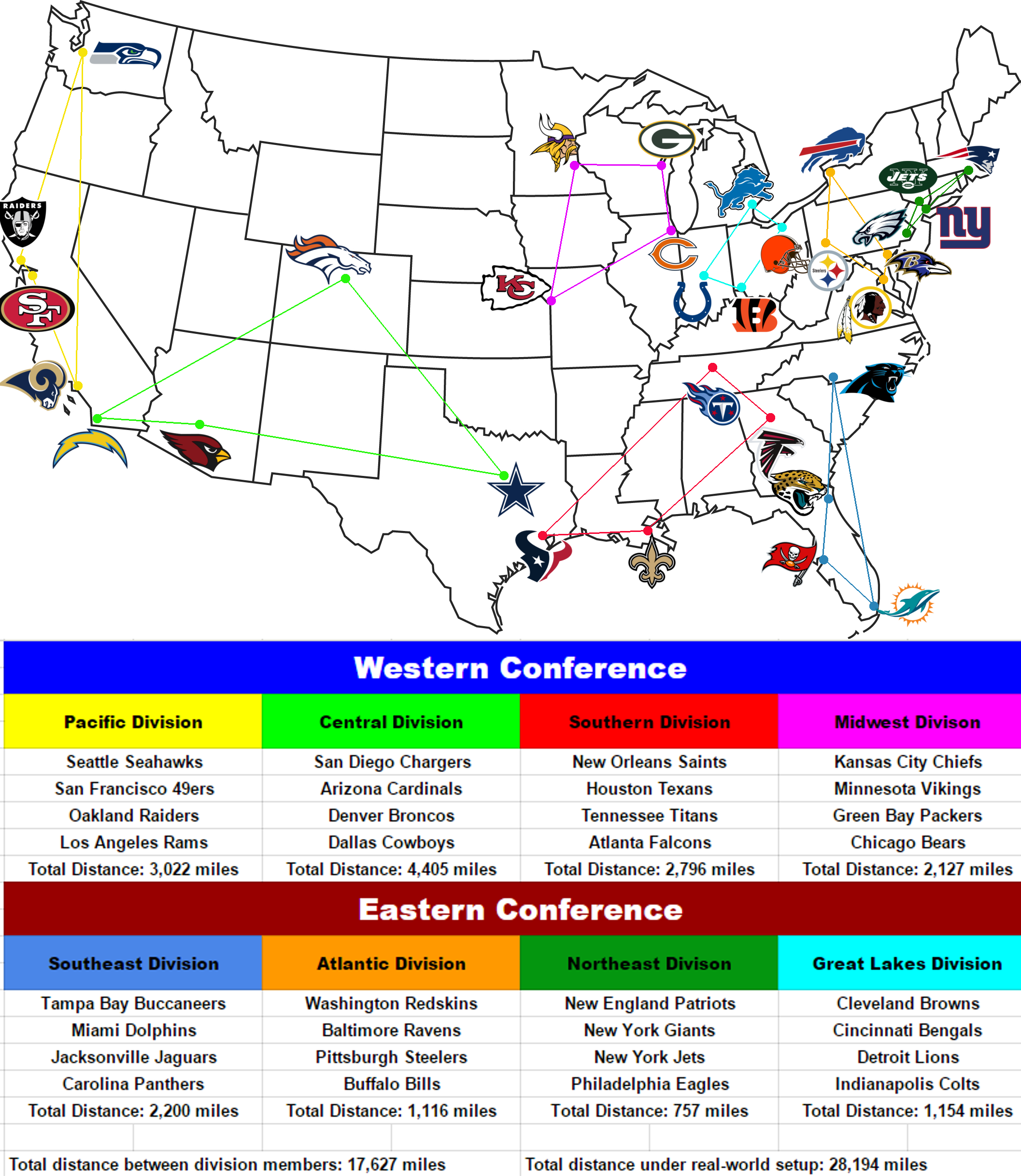
Understanding the divisions of the NFL requires looking past the scoreboard and into the mechanisms of brand equity. By dividing 32 franchises into two conferences (the American Football Conference and the National Football Conference) and further into eight distinct divisions, the NFL has created a localized marketing machine that ensures every game carries the weight of a high-stakes brand confrontation.
The Structural Foundation: How Divisions Shape the NFL Brand
The architecture of the NFL is built on a dual-conference system, a legacy of the 1970 merger between the NFL and the AFL. From a brand strategy perspective, this mirrors a “multi-brand” approach where two distinct identities operate under a single corporate umbrella. This structure allows the league to offer two parallel paths to a singular climax—the Super Bowl—effectively doubling the narrative opportunities for storytelling.
Regional Identity and Market Saturation
The four divisions within each conference—North, South, East, and West—act as regional brand silos. By grouping teams geographically, the NFL taps into the inherent tribalism of local markets. Brand strategy relies heavily on “belonging,” and the divisional structure ensures that a fan in Philadelphia isn’t just a fan of a football team; they are part of the “NFC East” culture. This regionality allows the league to tailor marketing efforts to specific demographics, weather patterns, and cultural nuances, ensuring that the brand feels “homegrown” regardless of where it is consumed.
The Power of Legacy Branding
The NFL utilizes its divisional history to reinforce its brand authority. Legacy divisions, such as the NFC North (formerly the Central), lean heavily into “heritage branding.” By emphasizing the “Black and Blue Division” persona, the NFL markets a specific brand of rugged, historical football that appeals to traditionalists. This legacy creates a high barrier to entry for competitors, as the emotional investment in decades-long divisional battles cannot be replicated by newer sports leagues or digital entertainment platforms.
Creating “Tribal” Loyalty through Divisional Rivalries
In brand strategy, the most valuable asset is “emotional equity.” The NFL maximizes this equity through divisional rivalries. Because teams within the same division play each other twice every season, the league creates a “recurring revenue” model of attention. These games are not just sporting events; they are biannual brand activations that capitalize on historical grievances and regional pride.
Emotional Connection and Fan Sentiment
A brand is defined by how it makes the consumer feel. The NFL’s divisional structure is designed to elicit high-intensity emotions: hope, rivalry, and territorialism. When the Dallas Cowboys face the New York Giants, the NFL isn’t just selling a game; it is selling a clash between the “America’s Team” brand and the “Big Blue” corporate identity. These interactions solidify fan loyalty, as the “us versus them” mentality within a division ensures that even during a losing season, a win against a divisional rival provides enough brand satisfaction to retain the customer for the following year.
The Narrative Arc as a Marketing Tool
Every division tells a story. The AFC West might be branded as the “High-Octane/Offensive” division, while the AFC North is marketed as “Gritty and Defensive.” These narratives are essential for media partners like ESPN and Fox, who use these divisional “personalities” to frame their broadcasts. By categorizing teams into these narrative-driven divisions, the NFL ensures that every game has a “hook,” turning a standard product into a must-see event. This is the essence of brand storytelling: creating a context that makes the product indispensable.
Market Expansion and Media Rights Optimization
The true genius of the NFL’s divisional branding lies in how it scales the product for mass consumption. From a corporate strategy standpoint, the divisions serve as a mechanism to guarantee that premium “brand matchups” occur with predictable frequency. This predictability is what makes the NFL the most valuable media property in North America.
The Broadcast Strategy and Time-Slot Management
The divisional split into East and West is a strategic move to dominate the television clock. By having a clear “NFC West” brand, the league can anchor its late-afternoon and prime-time slots with West Coast teams, ensuring the “NFL Brand” is visible from 1:00 PM ET until midnight. This temporal saturation is only possible because the divisional structure organizes teams into logical time zones, allowing the league to sell its brand to different regional markets throughout the day without cannibalizing its own audience.
Tiered Market Exposure
The NFL uses its divisions to manage “Brand Dilution.” Not every team can be a global powerhouse like the New England Patriots or the Green Bay Packers. However, by placing smaller-market teams (like the Indianapolis Colts or the Jacksonville Jaguars) in competitive divisions, the league ensures these “challenger brands” receive consistent exposure. When a small-market team wins its division, it is catapulted into the national spotlight, increasing its individual brand value and, by extension, the collective value of the league.
Future-Proofing the League: Branding the Modern Division
As the NFL moves further into the digital age, the concept of a “division” is evolving from a geographic boundary to a digital community. The brand strategy is shifting toward how these divisions translate to social media engagement, fantasy football, and international expansion.
Digital Integration and Social Branding
In the digital realm, divisions act as “hashtags” or community hubs. Fans congregate online based on their divisional affiliations, creating micro-economies of content creation. The NFL encourages this by branding divisional “weeks” or “showdowns” on social media, using data analytics to see which divisional matchups drive the most engagement. This digital footprint allows the league to maintain brand relevance among younger demographics who may not watch a full three-hour broadcast but will engage with the “NFC South” brand via highlights and memes.
Global Branding and the “International Division”
The NFL’s long-term brand strategy includes the potential for an international division. By contemplating a “London” or “European” division, the league is looking to export its successful divisional model to a global market. The strategy remains the same: create a localized cluster of teams that can build internal rivalries and regional loyalty, then plug that cluster into the existing NFL corporate framework. This would allow the NFL to transition from a North American brand to a global sporting hegemon, using the divisional structure as the blueprint for expansion.

Conclusion: The Division as a Strategic Asset
When we ask, “What are the divisions of the NFL?” the answer isn’t just a list of teams like the AFC East or the NFC West. The answer is that the divisions are the primary strategic assets of the league. They are the frameworks through which the NFL manages its brand identity, cultivates an obsessive fan base, and secures multi-billion dollar media contracts.
By balancing regional tradition with modern marketing tactics, the NFL has ensured that its divisional structure remains the gold standard for organizational branding in sports. Every rivalry, every geographic alignment, and every historical narrative is a deliberate choice made to strengthen the “Shield.” In the competitive world of entertainment, the NFL’s divisions prove that how you organize your brand is just as important as the product you put on the field. Through this lens, the divisions are not just rows on a standings sheet; they are the pillars of a brand empire that shows no signs of crumbling.
aViewFromTheCave is a participant in the Amazon Services LLC Associates Program, an affiliate advertising program designed to provide a means for sites to earn advertising fees by advertising and linking to Amazon.com. Amazon, the Amazon logo, AmazonSupply, and the AmazonSupply logo are trademarks of Amazon.com, Inc. or its affiliates. As an Amazon Associate we earn affiliate commissions from qualifying purchases.