
For individuals seeking a robust career path with significant earning potential and job security, obtaining a Commercial Driver’s License (CDL) often presents a compelling opportunity. Far from being a mere driving permit, a CDL is a professional credential that unlocks access to an entire industry of transportation and logistics, directly influencing one’s income, financial stability, and potential for entrepreneurial ventures. Understanding the different types of CDL licenses and their associated endorsements is crucial for anyone looking to invest in this career, as each class opens doors to specific vehicle types and, consequently, distinct income streams and financial trajectories.
The Financial Gateway of a CDL: An Investment in Your Future
A CDL is more than just a license; it’s an investment in a specialized skill set that is consistently in high demand. The transportation sector is the backbone of the economy, ensuring goods and people move efficiently, making qualified commercial drivers indispensable. This consistent demand translates into competitive salaries, benefits, and often, opportunities for overtime, bonuses, and even starting your own business as an owner-operator. The initial outlay for CDL training and licensing fees is typically recouped quickly through strong earning potential, making it a sound financial decision for many.
The earning capacity within the commercial driving sector is diverse, influenced by factors such as the type of license held, specific endorsements, years of experience, employer, and whether one works locally, regionally, or long-haul. Moreover, the flexibility offered by many driving jobs can provide significant lifestyle benefits, allowing individuals to tailor their work to their financial goals, whether that means maximizing income through long-haul routes or preferring a local route for family considerations.
Unpacking the Core CDL Classes and Their Earning Implications
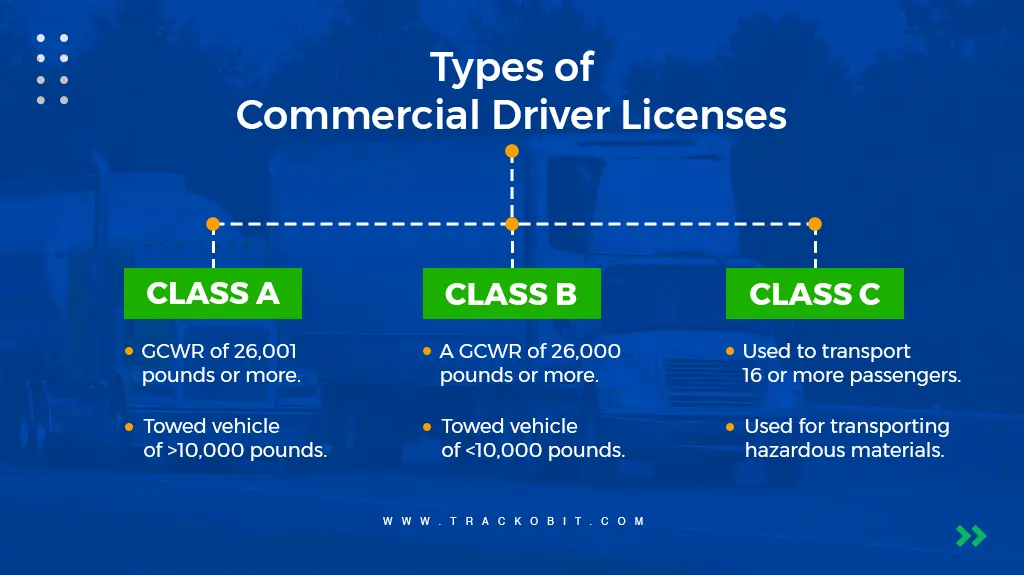
The Federal Motor Carrier Safety Administration (FMCSA) defines three primary classes of CDLs, each dictating the gross vehicle weight rating (GVWR) or gross combination weight rating (GCWR) of the vehicles one is permitted to operate. Each class offers unique career paths and, importantly, different income potentials.
Class A CDL: The Ultimate Earning Potential
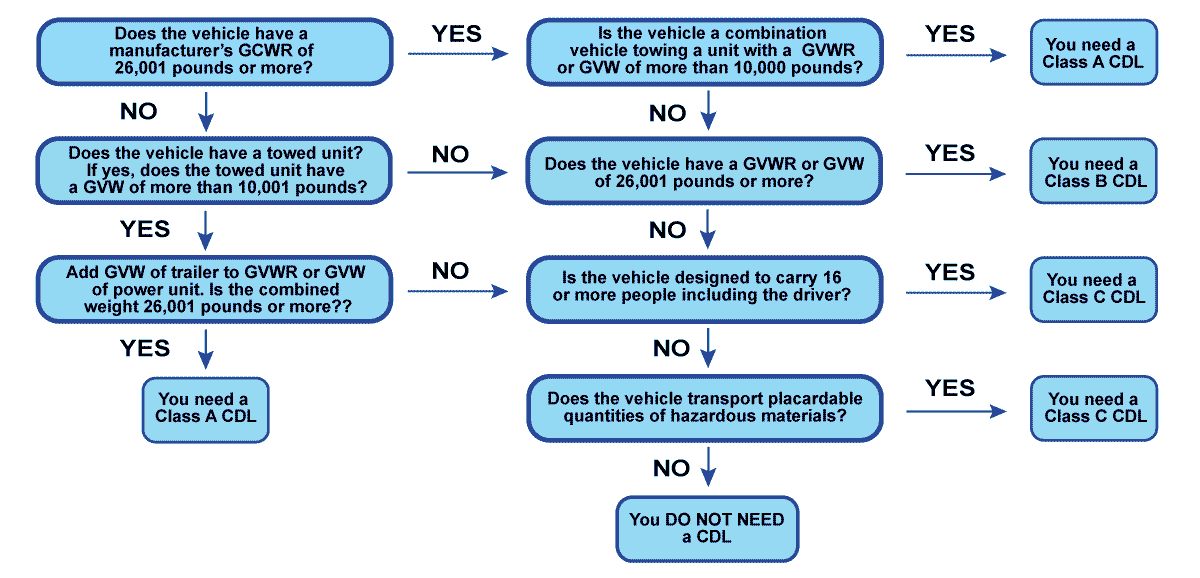
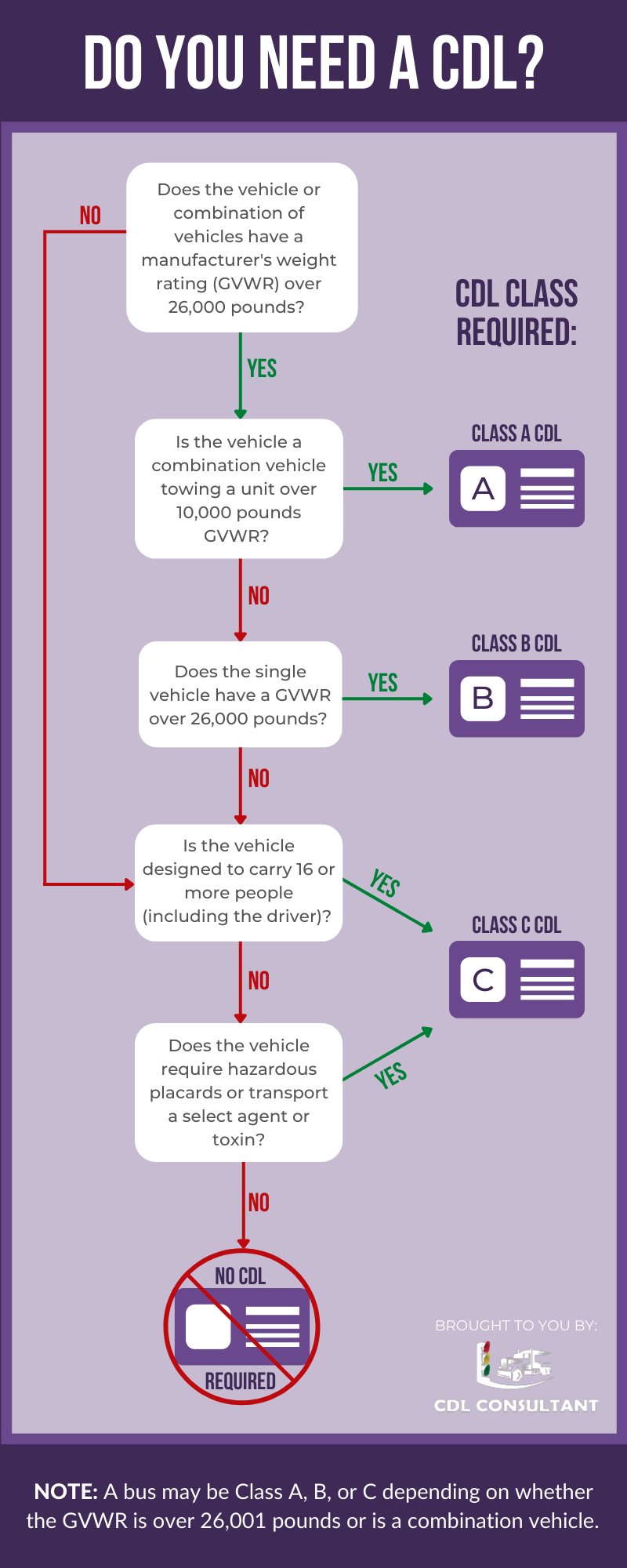
A Class A CDL is the most comprehensive commercial driver’s license. It permits the holder to operate any combination of vehicles with a GCWR of 26,001 pounds or more, provided the towed unit has a GVWR of more than 10,000 pounds. This includes tractor-trailers, truck and trailer combinations, flatbeds, livestock carriers, and tanker vehicles (with appropriate endorsements).
- Career and Income Opportunities: Holders of a Class A CDL are typically eligible for the highest-paying driving jobs. These roles often involve long-haul trucking, which can offer substantial per-mile rates, per diem allowances, and accessorial pay for tasks like loading/unloading, detention time, or hazardous materials handling. Many Class A drivers earn upwards of $60,000 to $80,000+ annually, with experienced and specialized drivers potentially exceeding $100,000, particularly those who transition to owner-operator roles. The ability to haul the heaviest and most valuable freight across state lines provides a broad and lucrative job market.
- Investment Perspective: The training for a Class A CDL is generally the most extensive and thus can be the most expensive, but the return on investment is often the highest. It provides the broadest range of employment options and the greatest flexibility for income growth.
Class B CDL: Solid Local and Regional Income
A Class B CDL allows the operation of a single vehicle with a GVWR of 26,001 pounds or more, or a vehicle towing a trailer with a GVWR of no more than 10,000 pounds. This category includes many types of straight trucks, large buses (city buses, tour buses), dump trucks, garbage trucks, and delivery trucks.
- Career and Income Opportunities: While generally offering slightly lower maximum income potential than Class A, a Class B CDL still provides a very respectable income and often comes with the benefit of more local or regional routes, allowing drivers to be home more frequently. Common roles include city bus drivers, school bus drivers (with a School Bus endorsement), local delivery drivers (e.g., beverage or parcel delivery), construction site drivers, and utility vehicle operators. Annual incomes typically range from $45,000 to $65,000, with specialized roles or union positions potentially pushing higher.
- Investment Perspective: The training for a Class B CDL is usually less intensive and costly than Class A, making it an attractive option for those seeking a quicker entry into a stable, well-paying professional driving career with a preference for local routes and consistent schedules.
Class C CDL: Specialized Niche and Supplemental Income
A Class C CDL is for vehicles designed to transport 16 or more passengers (including the driver) or vehicles transporting hazardous materials that do not meet the criteria for a Class A or Class B CDL. These are typically smaller hazardous materials vehicles or passenger vans/small buses.
- Career and Income Opportunities: Class C roles are more specialized and often offer more modest incomes compared to Class A or B, though they can still be very stable. Examples include small shuttle bus drivers, airport transport drivers, or drivers of smaller hazmat vehicles. These positions might be full-time, offering incomes in the $35,000 to $50,000 range, or they might serve as excellent part-time or supplemental income sources, fitting well into strategies for debt repayment or savings.
- Investment Perspective: The training and licensing for a Class C CDL are typically the least expensive, making it an accessible entry point for specific driving roles or as a stepping stone.
Endorsements: Supercharging Your Earning Potential
Beyond the basic CDL classes, specialized endorsements act as crucial income multipliers, allowing drivers to operate vehicles with specific characteristics or cargo. Each endorsement requires additional knowledge and testing, but the financial payoff can be substantial, opening up higher-paying niches within the transportation industry.
- Hazardous Materials (H) Endorsement: This is one of the most valuable endorsements. It permits the transport of placarded hazardous materials. Due to the stringent safety regulations and specialized training required, HazMat drivers command a premium in wages, often earning 10-20% more than general freight drivers.
- Tanker (N) Endorsement: Required for transporting liquids or gaseous materials in tanks. Often combined with the HazMat endorsement (X endorsement), it leads to lucrative opportunities in fuel delivery, chemical transport, and other specialized liquid bulk hauls, significantly boosting income.
- Passenger (P) Endorsement: Necessary for operating vehicles designed to transport 16 or more passengers. Essential for bus drivers (city, school, tour), contributing to the income potential of Class B CDL holders in passenger transport.
- Double/Triple Trailers (T) Endorsement: Allows Class A drivers to pull more than one trailer. This endorsement is highly sought after by LTL (less-than-truckload) carriers and parcel services, as it increases efficiency and cargo volume, directly translating into higher pay for drivers.
- School Bus (S) Endorsement: A specialized version of the Passenger endorsement, specifically for school buses, often requiring additional background checks and testing. Provides stable, community-oriented income, frequently with benefits and summer breaks.
Each endorsement represents an additional skill that the market values, making a driver more versatile and capable of handling more complex or critical loads, thereby increasing their financial leverage in the job market. Many experienced drivers accumulate multiple endorsements to maximize their income potential and career flexibility.
Strategic Financial Planning with a CDL Career
Embarking on a CDL career path is a strategic financial decision. It involves understanding the upfront costs of training, the potential for financing options, and the long-term income trajectory. For many, it represents a direct route to middle-class income without the burden of a four-year college degree and associated student loan debt.
The industry also offers a clear path to entrepreneurship. Many drivers, after gaining experience and saving capital, transition from company drivers to owner-operators. This involves purchasing their own truck and running their own business, taking on contracts directly. While carrying more risk and requiring business acumen, the financial rewards for successful owner-operators can be significantly higher, offering true financial independence and wealth creation opportunities.
In essence, a CDL is more than a license; it’s a professional credential that underpins a vital industry, providing consistent demand, competitive wages, and clear pathways for financial growth and independence. Choosing the right class and investing in relevant endorsements are key steps in maximizing the financial benefits of a commercial driving career.
aViewFromTheCave is a participant in the Amazon Services LLC Associates Program, an affiliate advertising program designed to provide a means for sites to earn advertising fees by advertising and linking to Amazon.com. Amazon, the Amazon logo, AmazonSupply, and the AmazonSupply logo are trademarks of Amazon.com, Inc. or its affiliates. As an Amazon Associate we earn affiliate commissions from qualifying purchases.