
Figurative language is the art of using words and phrases in a way that deviates from their literal meaning to create a more vivid, impactful, and memorable impression. It’s the secret sauce that makes communication sparkle, whether you’re discussing groundbreaking AI tools, crafting a compelling brand identity, or explaining complex financial strategies. While the core principles of figurative language remain constant, their application and effectiveness can be amplified and tailored to the specific nuances of fields like technology, branding, and finance.
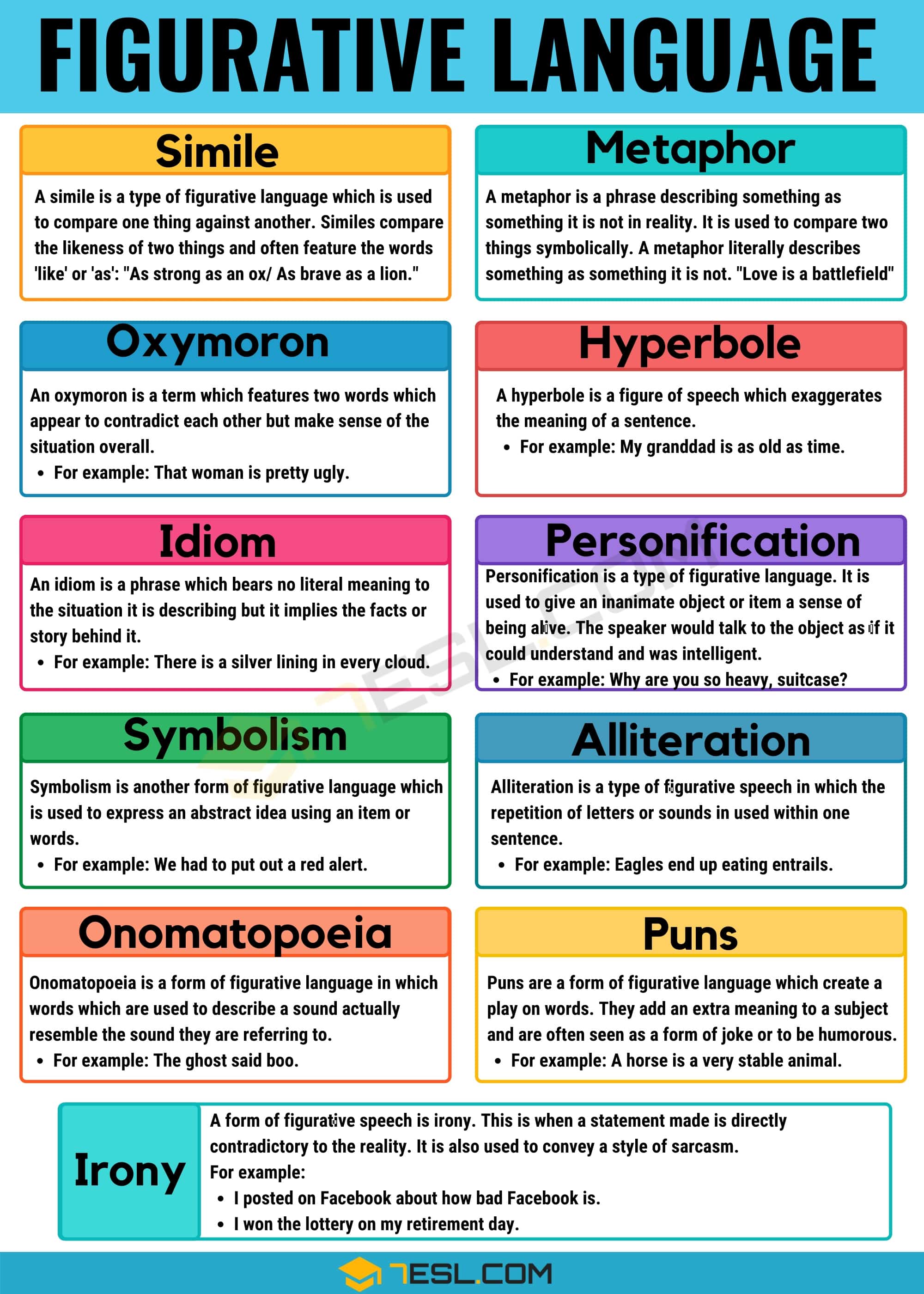
In today’s information-saturated world, simply stating facts isn’t enough. To truly capture attention, foster understanding, and drive action, we need to move beyond the literal and embrace the power of evocative language. This article explores the diverse spectrum of figurative language and delves into how its strategic deployment can revolutionize communication within the interconnected realms of Tech, Brand, and Money.
The Building Blocks of Evocative Expression: Core Figurative Language Devices
Before we explore their specialized applications, it’s crucial to understand the fundamental tools in the figurative language toolbox. These are the bedrock upon which more sophisticated expressions are built.
1. Metaphor and Simile: Drawing Powerful Comparisons
At the heart of much figurative language lie metaphors and similes, both designed to illuminate one thing by comparing it to another.
-
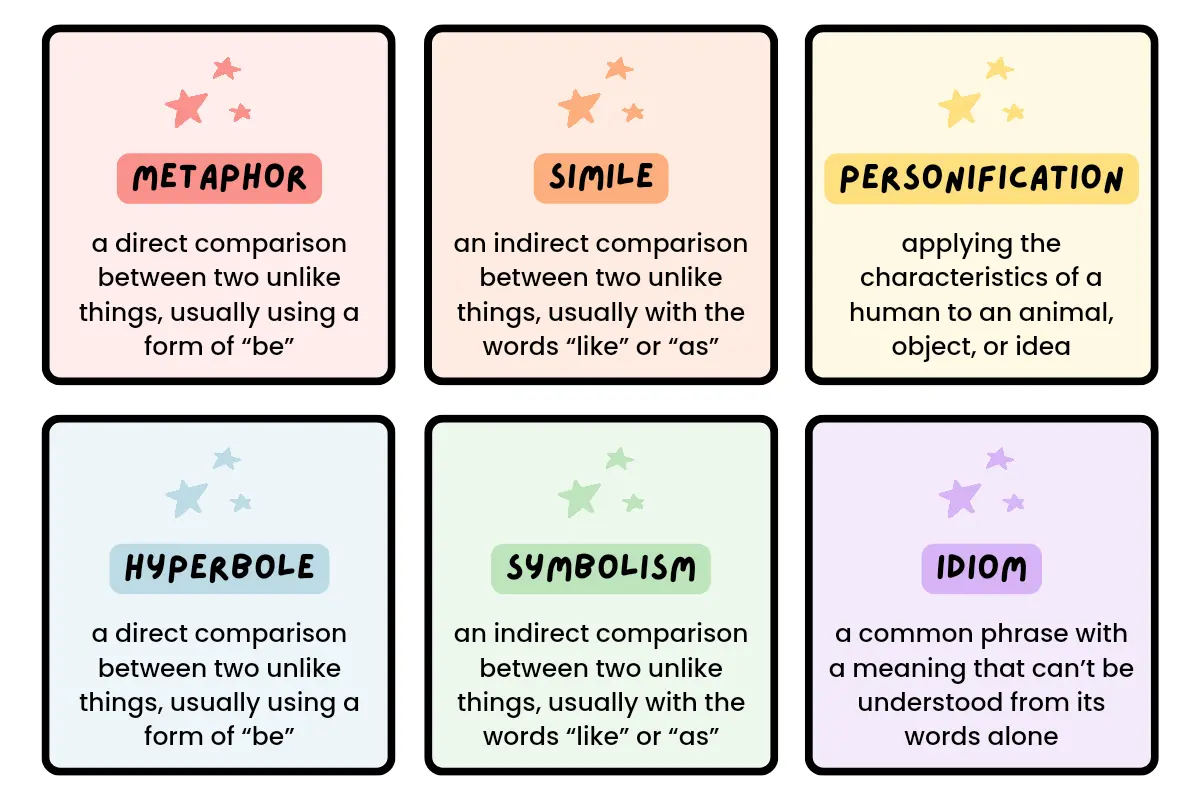
Metaphor: This is a direct comparison where one thing is described as being another, without using “like” or “as.” It asserts an identity for rhetorical effect.
- Example: “The internet is an information superhighway.” This metaphor implies speed, connectivity, and the vastness of data accessible online.
- Example: “Her brand was a fortress, impenetrable to competitors.” This suggests strength, security, and a solid defense.
- Example: “The stock market is a roller coaster.” This vividly conveys its inherent volatility and unpredictable nature.
-
Simile: A simile makes a comparison between two unlike things using “like” or “as.” It’s a more explicit comparison than a metaphor.
- Example: “The new AI chatbot is as responsive as a seasoned customer service agent.” This highlights the AI’s speed and helpfulness.
- Example: “Her personal brand shone like a beacon in a crowded marketplace.” This emphasizes its distinctiveness and attractiveness.
- Example: “Investing in this startup felt like a gamble, as risky as betting on a long shot.” This clearly communicates the high level of risk involved.
2. Personification: Giving Life to the Inanimate
Personification imbues inanimate objects, abstract ideas, or animals with human qualities, emotions, or actions. This technique makes abstract concepts more relatable and concrete.
- Example: “The software learned our user’s habits.” Here, “learned” is a human action attributed to software.
- Example: “The brand’s reputation whispered tales of innovation.” “Whispered” is a human action that gives life to the abstract concept of reputation.
- Example: “Opportunity knocked, but financial prudence held the door shut.” “Knocked” and “held the door” are human actions applied to abstract concepts.
3. Hyperbole: Exaggeration for Emphasis
Hyperbole involves deliberate exaggeration for emphasis or comedic effect, not meant to be taken literally. It amplifies a point to make it more striking.
- Example: “This new gadget is so fast it breaks the sound barrier.” While not literally true, it emphasizes the incredible speed.
- Example: “Our marketing campaign went viral, reaching a billion eyeballs overnight.” This exaggerates the reach to convey massive success.
- Example: “I’ve told you a million times to diversify your portfolio!” This hyperbole emphasizes the speaker’s repeated advice.
4. Understatement: The Power of Restraint
The opposite of hyperbole, understatement uses deliberate downplaying of something to create emphasis. It can be used for irony or to highlight the magnitude of something by not overstating it.
- Example: “Running that marathon was ‘a bit tiring’.” This understatement ironically highlights the extreme exhaustion.
- Example: “We experienced ‘some initial challenges’ with the product launch.” This likely means there were significant problems.
- Example: “Losing a substantial investment can be ‘somewhat disappointing’.” This is a stark understatement of significant financial loss.
5. Alliteration and Assonance: The Music of Language
These devices focus on the sounds of words, creating a pleasing rhythm and enhancing memorability.
-
Alliteration: The repetition of initial consonant sounds in words that are close together.
- Example: “Seamless software solutions”
- Example: “Brilliant branding builds big business.”
- Example: “Financial freedom flourishes.”
-
Assonance: The repetition of vowel sounds within words that are close together.
- Example: “The easy eagle eats.” (The ‘ee’ sound)
- Example: “A long road grows slow.” (The ‘o’ sound)
6. Onomatopoeia: Sound Words

Words that imitate the sound they represent.
- Example: “The server crashed with a thud.”
- Example: “The buzz of excitement surrounding the new product was palpable.”
- Example: “The market dipped with a soft sigh.”
Figurative Language in Tech: Illuminating Innovation and Complexity
The tech industry is often characterized by abstract concepts, rapid advancements, and a need to simplify complex functionalities. Figurative language is indispensable here for making the intangible tangible, generating excitement, and fostering understanding among both experts and laypeople.
The Metaphorical Backbone of Tech Communication
- Explaining the Intangible: How do you describe the internet, cloud computing, or artificial intelligence to someone who isn’t an expert? Metaphors and similes are crucial. The “internet as a highway,” “cloud as a storage locker,” or “AI as a digital brain” are simple yet effective analogies. Tutorials often use metaphors like “navigating the interface” or “unlocking features.”
- Highlighting Speed and Efficiency: Terms like “blazing fast,” “lightning-quick,” or “seamless integration” are hyperbole and metaphors that convey the desired performance characteristics of software and hardware. “Productivity hacks” are metaphorical shortcuts to efficiency.
- Describing User Experience: “Intuitive design” is a form of personification, implying that the design itself understands and guides the user. “User-friendly” is another relatable concept. Phrases like “cutting-edge technology” or “bleeding-edge innovation” use metaphorical imagery to convey novelty and advanced development.
- Addressing Digital Security: “Digital fortress,” “firewall,” and “cyber-attack” are all metaphorical terms that help us visualize and understand the abstract nature of online threats and defenses. “Phishing scams” uses the metaphor of fishing to describe the deceptive practice.
- AI and Machine Learning: The anthropomorphism inherent in discussing AI—”the AI learned,” “it understands,” “it predicts”—is a form of personification that makes these complex algorithms more approachable. When discussing AI’s capabilities, metaphors like “a tireless assistant” or “a data-crunching machine” are common.
The Power of Sound and Action in Tech Narratives
- Alliteration and Assonance for Catchiness: Tech companies often employ alliterative slogans or product names for memorability. Think “Google Glass” or “Microsoft Momentum.” Tutorials might use alliterative phrases to make steps easier to recall, like “Click, Connect, Configure.”
- Onomatopoeia for Impact: Describing the satisfying “click” of a well-designed button or the “whirr” of a powerful processor adds sensory detail. Even the “crash” of a system can be described vividly to emphasize the severity of the issue.
Branding and Marketing: Crafting Identities and Emotional Connections
In the competitive landscape of branding and marketing, figurative language is not just decorative; it’s a strategic imperative. It’s the primary tool for creating memorable identities, forging emotional bonds with consumers, and differentiating products and services.
Building a Brand Through Vivid Imagery
- Brand Personality as a Person: Brands often develop a distinct personality using personification. “Our brand is your trusted friend,” or “This product is your adventurous companion.” This allows consumers to connect with a brand on a more personal level.
- Metaphors for Value Proposition: Companies use metaphors to communicate the core benefit of their product. “Our software is the key to unlocking your potential,” “This service is your financial safety net.” These metaphors highlight the perceived value.
- Hyperbole in Advertising: Exaggeration is rampant in advertising to emphasize superiority or desirability. “The best coffee in the world,” “The ultimate driving machine.” While often recognized as hyperbole, it effectively conveys aspirational qualities.
- Similes for Relatability: “As easy as pie,” “Works like a charm.” These similes tap into shared experiences and make product benefits immediately understandable and relatable.
- Slogans as Memorable Metaphors: Many iconic slogans are metaphorical. Nike’s “Just Do It” is an imperative metaphor for action and overcoming inertia. Apple’s “Think Different” is a metaphorical call to embrace originality.
The Art of Storytelling and Emotional Resonance
- Narrative Personification: Brand stories often personify challenges and triumphs. “We faced down the giants of the industry,” or “Our brand emerged from the ashes of adversity.” This creates a narrative arc that resonates emotionally.
- Sensory Language: While not strictly figurative, sensory descriptions that evoke taste, touch, smell, and sound are often amplified through figurative language. Describing a perfume as “sunshine in a bottle” or a car’s engine sound as a “purr” uses metaphor to enhance the sensory experience.
- Alliteration and Assonance in Jingles and Taglines: The musicality of language is vital for jingles and memorable taglines. “Melts in your mouth, not in your hand” (M&M’s) uses alliteration. Many jingles employ assonance to create a catchy rhythm.
Money and Finance: Demystifying Complexity and Inspiring Confidence
The world of money and finance can often feel abstract and intimidating. Figurative language is a powerful tool for demystifying complex concepts, building trust, and encouraging sound financial decision-making.
Simplifying Financial Concepts with Analogies
- Metaphors for Financial Instruments: Understanding stocks, bonds, and derivatives is challenging. Metaphors like “stocks as pieces of a company,” “bonds as IOUs,” or “options as insurance policies” provide accessible entry points.
- Similes for Risk and Reward: “Investing in this startup is as risky as a tightrope walk” or “The returns on this fund were as steady as a rock.” These similes help people grasp the potential volatility and stability of financial products.
- Personification for Market Dynamics: We often hear of “the market roaring,” “the economy recovering,” or “inflation biting.” These personifications make abstract economic forces feel more dynamic and understandable.
- Hyperbole for Financial Disasters or Successes: “A market crash that wiped out fortunes” or “an investment that made him a millionaire overnight” use hyperbole to convey the extreme nature of financial events.
- Understatement for Caution: When advising on risky investments, financial planners might use understatement: “There is ‘some potential for downside’ risk.” This subtly warns without causing panic.
Building Trust and Encouraging Action
- Metaphors for Financial Goals: “Building a nest egg,” “financial freedom,” “your financial north star.” These metaphors frame financial aspirations in positive and achievable terms.
- Personification for Financial Planning: “Let your money work for you” is a classic personification that encourages active financial management. “Budgeting is your financial guardian angel” highlights its protective role.
- Alliteration and Assonance for Financial Advice: Catchy phrases like “Save Smart, Spend Less” or “Invest Wisely, Live Wealthily” use alliteration to make financial advice memorable.
- Narrative for Financial Education: Case studies often use narrative structures, personifying individuals who overcome financial challenges or achieve success, making the advice more engaging and actionable.
Conclusion: The Enduring Power of Figurative Language
From the intricate logic of software to the aspirational narratives of brands and the crucial decisions surrounding our finances, figurative language is the indispensable thread that weaves clarity, impact, and memorability into our communication. It’s not merely about making things sound pretty; it’s about making them understandable, relatable, and ultimately, more persuasive.
By mastering the art of metaphor, simile, personification, hyperbole, and other devices, professionals in Tech, Brand, and Money can elevate their messaging, connect more deeply with their audiences, and achieve their goals with greater efficacy. In a world clamoring for attention, the ability to speak not just literally, but also figuratively, is a superpower that unlocks true communication mastery.
aViewFromTheCave is a participant in the Amazon Services LLC Associates Program, an affiliate advertising program designed to provide a means for sites to earn advertising fees by advertising and linking to Amazon.com. Amazon, the Amazon logo, AmazonSupply, and the AmazonSupply logo are trademarks of Amazon.com, Inc. or its affiliates. As an Amazon Associate we earn affiliate commissions from qualifying purchases.