
In the world of brand strategy and market positioning, age is far more than just a number. It is a portal into the collective psyche of a demographic, shaped by historical events, economic shifts, and technological breakthroughs. For brand architects and marketers, understanding the specific “generation years” is the first step in creating a resonant corporate identity. By categorizing consumers into cohorts—Baby Boomers, Generation X, Millennials, Generation Z, and Generation Alpha—brands can move beyond generic messaging and develop highly targeted, psychologically informed strategies that drive loyalty and conversion.
The following guide explores these generation years through the lens of brand strategy, examining how the era of one’s birth dictates their expectations of a brand, their purchasing triggers, and their long-term value to a business.

The Architecture of Generational Segmentation in Branding
Generational segmentation is a form of psychographic profiling that allows brands to predict behavior based on shared life experiences. While the exact start and end dates of these generations can vary slightly depending on the sociological source, the branding industry generally adheres to a standardized set of parameters to maintain consistency in market research.
Defining the Cohorts: From Boomers to Gen Alpha
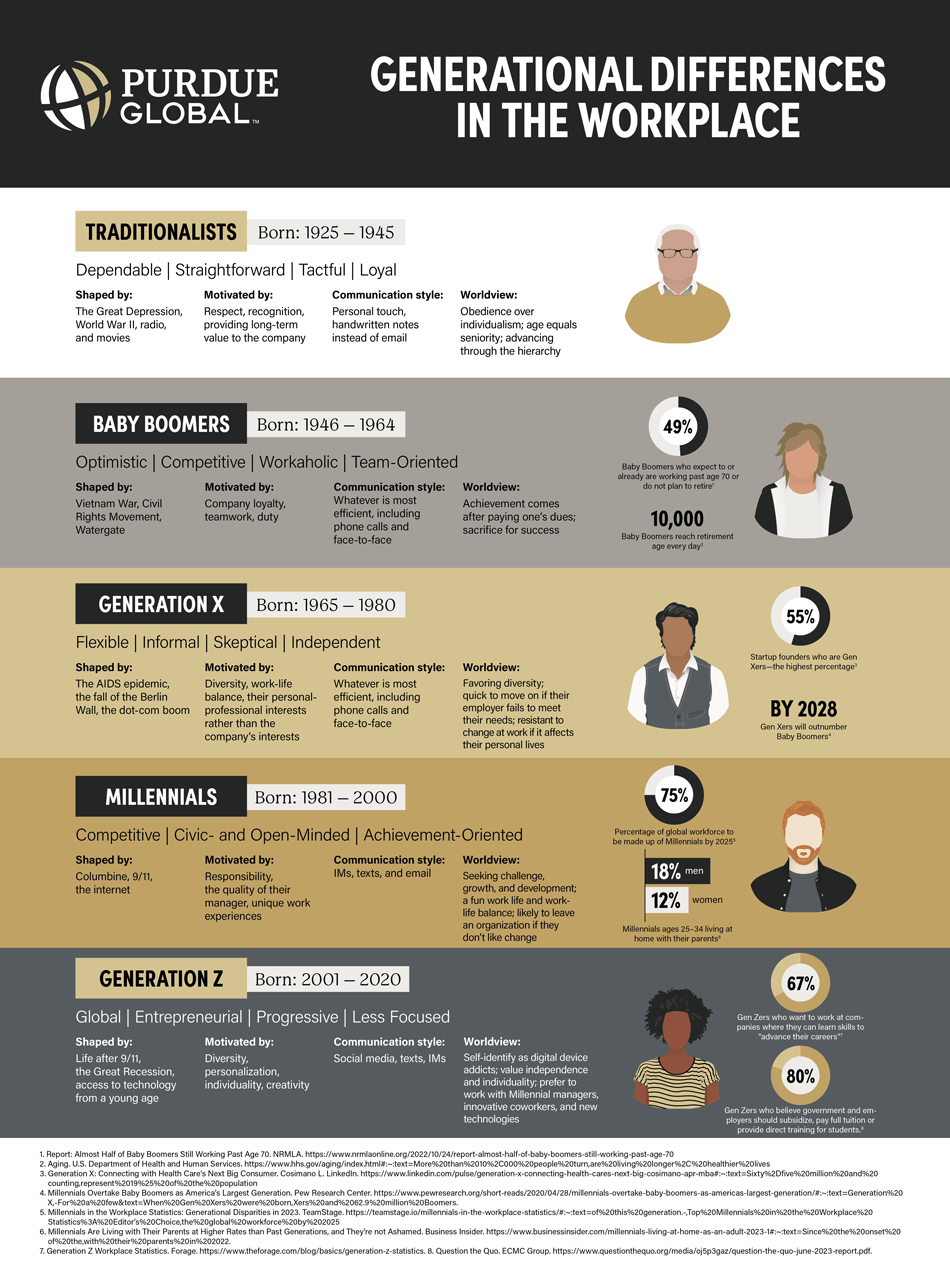
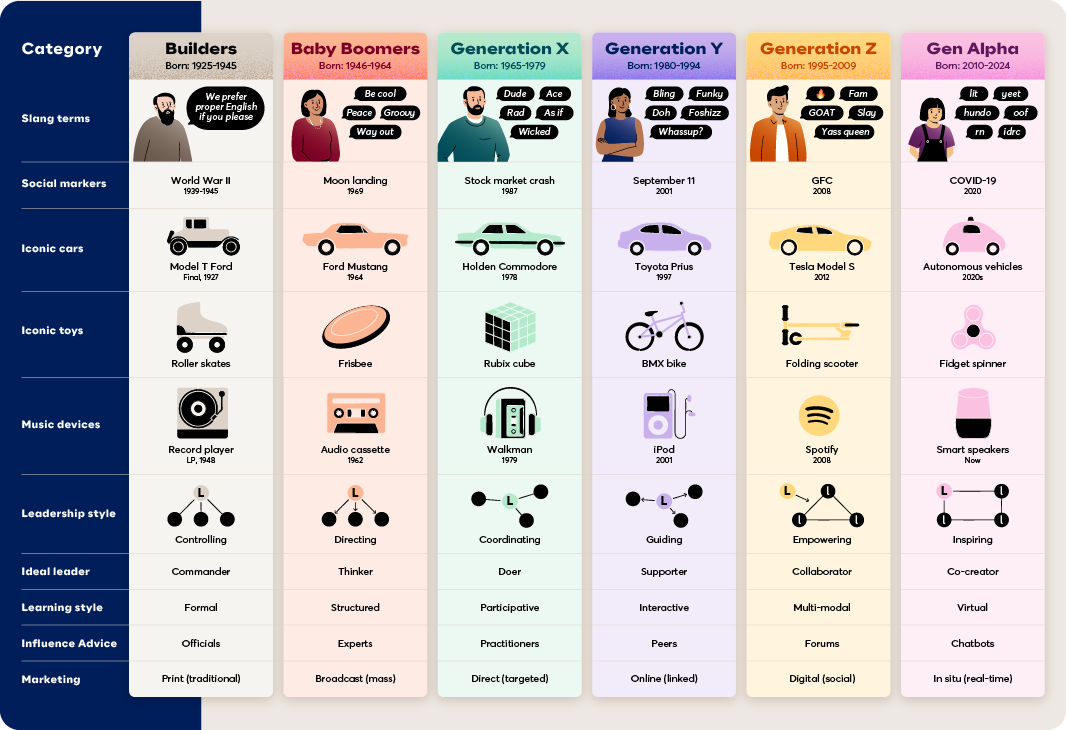
To effectively market a product, a brand must first know the chronological boundaries of its target audience. The consensus among researchers like the Pew Research Center defines the generations as follows:
-
Baby Boomers: Born 1946–1964.
-
Generation X: Born 1965–1980.
-
Millennials (Gen Y): Born 1981–1996.
-
Generation Z: Born 1997–2012.
-
Generation Alpha: Born 2013–mid-2020s.
Each of these timeframes represents a distinct cultural “vibe” that influences how a brand is perceived. For instance, a brand targeting Baby Boomers might emphasize stability and prestige, whereas a brand targeting Gen Z must prioritize speed, ethics, and digital fluency.
Why Demographics Matter for Corporate Identity
A brand’s identity is not just what the company says about itself; it is the emotional space it occupies in the consumer’s mind. If a brand fails to align its identity with the generational values of its core demographic, a disconnect occurs. For example, a “heritage” brand that relies heavily on nostalgia may resonate deeply with Generation X but may feel outdated or “cringe” to a Gen Z consumer who values disruptive innovation. By anchoring corporate identity in generational insights, companies can ensure their visual language, tone of voice, and value propositions are perfectly tuned to the ears of their intended audience.
Marketing to the Traditionalists: Baby Boomers and Gen X
Despite the buzz surrounding younger generations, Baby Boomers and Gen X still hold the vast majority of global household wealth. For luxury brands, financial services, and high-end automotive companies, these generation years represent the most lucrative segments.
Baby Boomers: The Value of Legacy and Loyalty
The Baby Boomer generation (1946–1964) grew up during a period of significant economic expansion. In the branding world, Boomers are often characterized by their appreciation for “The Golden Standard.” They value high-quality customer service, brand reliability, and the status associated with a purchase.
Strategies for this cohort should focus on:
-
Trust and Reputation: Boomers are less likely to take risks on unproven “disruptor” brands. They want to know that a company has a history of excellence.
-
Clear Communication: While they are increasingly active on social media (particularly Facebook), they prefer direct, clear, and jargon-free messaging.
-
The “Silver Economy”: This group is living longer and staying more active than previous generations. Brands that successfully pivot from “anti-aging” narratives to “pro-vitality” narratives are seeing massive success.
Generation X: The Bridge Between Analog and Digital
Often called the “Latchkey Generation,” Gen X (1965–1980) is perhaps the most overlooked yet influential demographic. They are the bridge between the analog childhood of the Boomers and the digital adulthood of the Millennials. From a branding perspective, Gen X is known for its skepticism. They were the first generation to be heavily targeted by mass-market television advertising, leading them to develop a keen “B.S. detector.”
To capture Gen X, brands must adopt an authentic, no-nonsense tone. This generation appreciates self-deprecating humor and realistic portrayals of life. They are also intensely loyal—once a brand earns a Gen X consumer’s trust by proving its utility and durability, they are likely to remain customers for decades.
The Digital Revolution: Engaging Millennials and Gen Z
The shift in generation years from Gen X to Millennials marked a fundamental change in how brands interact with the public. We moved from “push” marketing (interruption-based ads) to “pull” marketing (community and content-based engagement).
Millennials: Purpose-Driven Consumption and the Experience Economy
Millennials (1981–1996) were the first generation to come of age with the internet. They fundamentally changed the branding landscape by demanding that companies stand for something more than just profit. For a Millennial, a brand is an extension of their personal identity and social values.
Key branding pillars for Millennials include:
-
Corporate Social Responsibility (CSR): Millennials are likely to boycott brands that do not align with their ethical stances on climate change, diversity, and labor rights.
-
Experiences over Possessions: This generation pioneered the “experience economy.” Successful brands in this space focus on the story the product tells rather than just the product’s features.
-
User-Generated Content (UGC): Millennials trust their peers more than they trust celebrities. Brands that leverage testimonials and community-driven content build much higher levels of “brand equity.”
Gen Z: Authenticity, Social Commerce, and Short-Form Content
Generation Z (1997–2012) is the first “True Digital Native” cohort. They do not remember a world without smartphones. For brand strategists, Gen Z represents a move away from the “polished and perfect” Instagram aesthetic of the Millennials toward a more raw, unfiltered, and “memetic” style of communication.
Gen Z branding requires a mastery of “Social Commerce.” They don’t just see an ad on TikTok; they expect to be able to buy the product within two clicks without ever leaving the app. Furthermore, Gen Z values radical transparency. If a brand makes a mistake, Gen Z expects an immediate, honest apology. They value “inclusive branding” not as a marketing gimmick, but as a baseline requirement for doing business.
Building a Multi-Generational Brand Strategy
While segmenting by generation years is essential, the most successful global brands—such as Apple, Nike, and Coca-Cola—manage to appeal across the age spectrum. This requires a sophisticated balance of core brand values and platform-specific execution.
Data-Driven Personalization Across Age Gaps
In the modern branding toolkit, data is the equalizer. By using advanced CRM (Customer Relationship Management) tools, brands can deliver different versions of the same campaign to different generations. A luxury watch brand might target a Baby Boomer on LinkedIn with a message about “investment and legacy,” while targeting a Millennial on Instagram with a message about “sustainability and craftsmanship.”
This level of personalization ensures that the brand remains relevant to each cohort’s specific life stage. A 22-year-old and a 62-year-old might both want to buy the same sneakers, but the reason for that purchase—and the channel through which they discover the product—will be vastly different.
The Rise of Gen Alpha and Future-Proofing Your Brand
As we look toward the future, brand strategists are already turning their attention to Generation Alpha (born 2013–mid-2020s). These are the children of Millennials, and they are being raised in an era of AI-integrated living and the Metaverse.
To future-proof a brand, companies must recognize that Gen Alpha will have even higher expectations for interactivity and personalization than Gen Z. They are “prosumers”—consumers who also create. Brands that provide tools for Gen Alpha to co-create, customize, and gamify their brand experience will be the market leaders of the 2030s.
Conclusion
Understanding the different generation years is a fundamental requirement for any modern brand strategy. Each cohort brings a unique set of cultural baggage, technological habits, and emotional triggers to the table. From the loyalty-driven Baby Boomers and the skeptical Gen Xers to the purpose-driven Millennials and the hyper-connected Gen Z, the ability to speak the specific “language” of a generation is what separates a passing trend from a lasting household name.
In an increasingly fragmented marketplace, a brand’s success depends on its ability to navigate these chronological boundaries. By aligning corporate identity with generational values and leveraging data to bridge the gap between age groups, businesses can build a resilient brand that resonates today and evolves for the generations of tomorrow.
aViewFromTheCave is a participant in the Amazon Services LLC Associates Program, an affiliate advertising program designed to provide a means for sites to earn advertising fees by advertising and linking to Amazon.com. Amazon, the Amazon logo, AmazonSupply, and the AmazonSupply logo are trademarks of Amazon.com, Inc. or its affiliates. As an Amazon Associate we earn affiliate commissions from qualifying purchases.