
The advent of the internet and pervasive digital technologies has profoundly reshaped the landscape of human interaction, commerce, and governance. With this transformation comes a critical need to re-evaluate and redefine fundamental societal protections: civil rights and civil liberties. While traditionally understood within the physical realm of state and citizen, these concepts now face unprecedented challenges and expansions in the digital sphere, influenced by everything from AI algorithms to data privacy protocols. Understanding their distinctions and interdependencies is crucial for navigating a just and equitable technological future.
Foundational Concepts in a Connected World
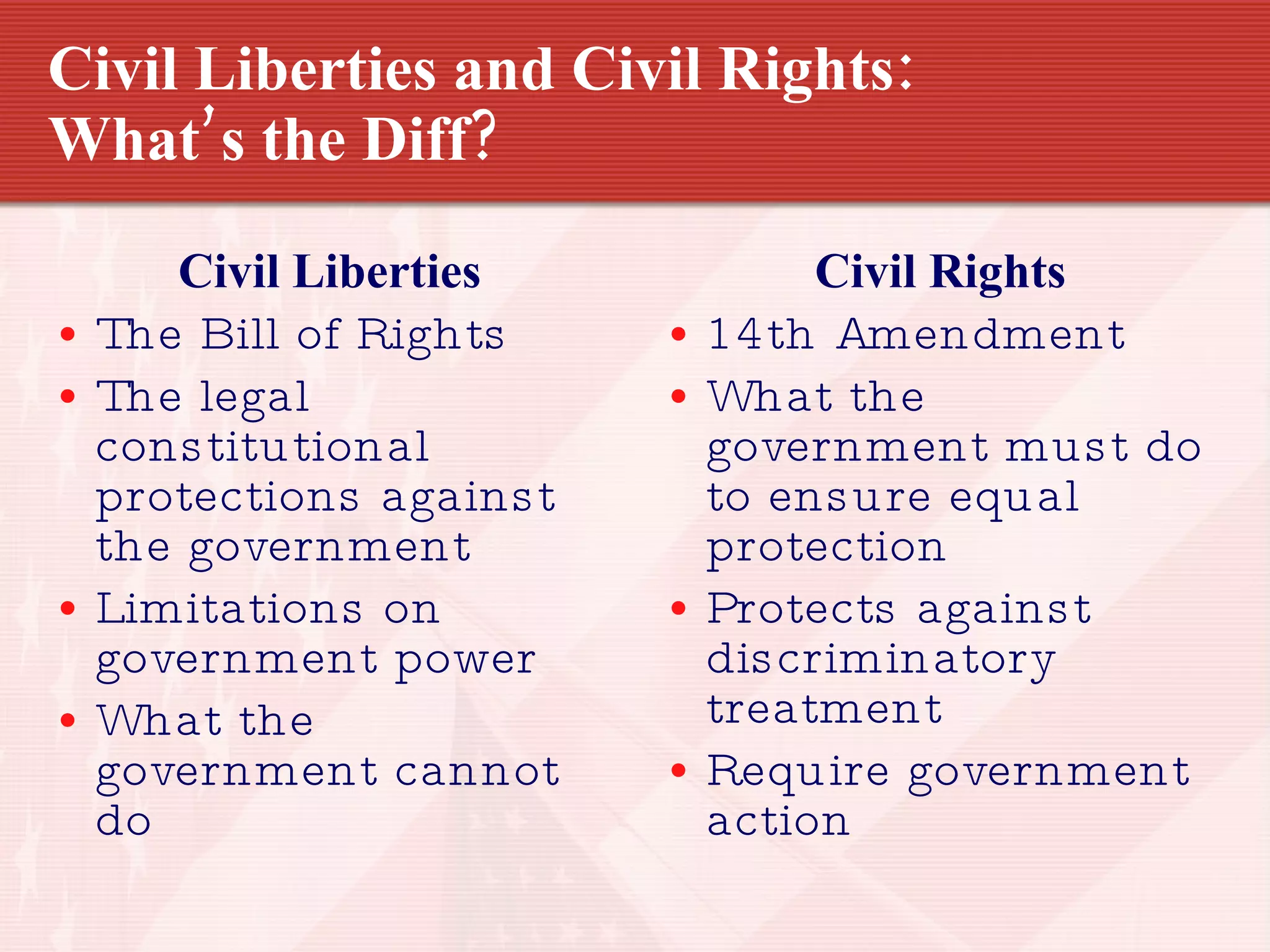
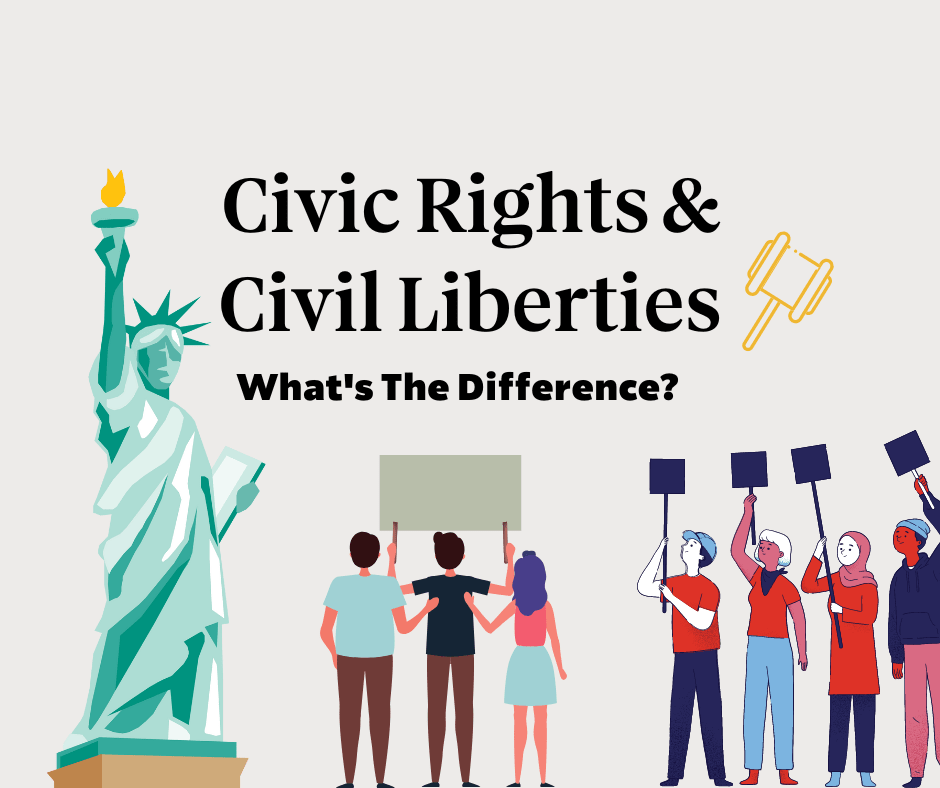
In their essence, civil rights and civil liberties are distinct yet interconnected pillars of a democratic society, safeguarding individual freedom and equality. In the digital age, these distinctions become particularly salient as we grapple with the capabilities and implications of advanced technology.
Defining Digital Civil Rights
Digital civil rights pertain to the guarantees of equal social opportunities and protection under the law for all individuals, without discrimination, in their access to and experience with digital technologies. These rights often require affirmative action or intervention from governments or regulatory bodies to ensure fairness and prevent systemic inequalities from being replicated or exacerbated online. For example, ensuring digital civil rights might involve policies to bridge the digital divide, providing equitable access to broadband internet and devices, especially in underserved communities.
Furthermore, digital civil rights extend to protection from algorithmic bias. As AI systems are increasingly used in critical areas like employment, housing, credit assessment, and even criminal justice, there is a substantial risk that these algorithms could inadvertently or explicitly discriminate against certain groups based on race, gender, socioeconomic status, or other protected characteristics. Ensuring algorithmic fairness and transparency, therefore, becomes a crucial aspect of upholding digital civil rights, demanding that technological systems do not perpetuate or amplify existing societal prejudices. This also encompasses the right to be free from digital harassment and hate speech, where platforms are often pressured to implement content moderation policies to protect users.
Understanding Digital Civil Liberties
Digital civil liberties, conversely, are the fundamental freedoms and protections individuals have from governmental intrusion or overreach in the digital realm. These are often considered “negative rights” because they generally restrict government action rather than demanding it. They include the right to privacy in one’s digital communications and data, freedom of expression online, and the right to access information without undue censorship or surveillance.
A paramount digital civil liberty is data privacy. In an era where personal data is meticulously collected, analyzed, and traded by corporations and governments alike, individuals possess a fundamental liberty to control their information. This includes the right to know what data is collected, how it’s used, and to whom it’s shared, alongside the right to data portability and deletion. Regulations like GDPR and CCPA are direct legislative efforts to enshrine these digital liberties. Another cornerstone is online freedom of speech, which encompasses the ability to express opinions, share information, and organize without fear of arbitrary censorship or retaliation from state actors. This liberty underpins movements, dissent, and the free exchange of ideas vital for a healthy democracy, though its boundaries are constantly tested by platform policies and national security concerns.
The Interplay of Rights and Liberties in Technology
The digital world often blurs the lines between civil rights and civil liberties, creating complex challenges that require nuanced solutions. Technology, by its nature, can both enhance and threaten these foundational protections simultaneously.
Consider the role of social media platforms. On one hand, they provide an unprecedented avenue for individuals to exercise their digital civil liberties, particularly freedom of expression, allowing voices from marginalized communities to be heard globally. On the other hand, the power these platforms wield in content moderation, their algorithms’ potential to amplify misinformation or extremist views, and their data collection practices raise significant questions about users’ digital civil rights and liberties. For instance, a platform’s “right” to set its terms of service and moderate content can clash directly with an individual’s “liberty” to express themselves freely. The need for platforms to act against hate speech (a civil rights concern) can, in some instances, be perceived as an infringement on free speech (a civil liberty concern).
Another critical intersection lies in cybersecurity and government surveillance. While robust cybersecurity measures are essential for national security and protecting citizens from cyber threats, government access to encrypted communications or mass data collection programs can directly infringe upon digital civil liberties, specifically the right to privacy. The balance between collective security (which can be framed as a societal civil right to safety) and individual privacy (a civil liberty) is a perpetual tension in the digital age. Civil rights often require government action to ensure equality and protection (e.g., regulating AI for fairness), whereas civil liberties often protect individuals from government overreach (e.g., freedom from unwarranted surveillance).
Emerging Battlegrounds: AI, Data, and Cybersecurity
The rapid advancement of AI, the explosion of big data, and the ever-present threat of cyberattacks are creating new frontiers where civil rights and civil liberties are being actively contested and redefined.
Algorithmic Bias and Discrimination
Artificial intelligence and machine learning algorithms are designed to process vast amounts of data to identify patterns and make predictions or decisions. However, if the data used to train these algorithms reflects existing societal biases or is incomplete, the AI can perpetuate or even amplify discrimination. For example, facial recognition systems have shown higher error rates for women and people of color, leading to potential misidentification and unjust arrests. Predictive policing algorithms, when trained on biased historical crime data, can disproportionately target minority neighborhoods. In hiring or loan application processes, AI systems could inadvertently screen out qualified candidates from certain demographic groups. Addressing these issues is a core civil rights challenge in the digital age, demanding transparent algorithms, robust auditing mechanisms, and the development of ethical AI frameworks that prioritize fairness, accountability, and non-discrimination. The “right to explanation” for AI decisions affecting individuals is emerging as a critical component of digital civil rights.
Data Privacy and Surveillance Capitalism
The pervasive collection and monetization of personal data have given rise to what some call “surveillance capitalism,” where user data is continuously harvested to predict and influence behavior. This extensive data collection, often without explicit and informed consent, directly challenges digital civil liberties, particularly the right to privacy. From targeted advertising to personalized content feeds, the constant monitoring of online activities raises questions about individual autonomy and control over one’s digital identity. Governments and corporations both engage in data collection, prompting calls for stronger regulatory frameworks. Laws like the European Union’s General Data Protection Regulation (GDPR) and the California Consumer Privacy Act (CCPA) are landmark efforts to establish and protect digital privacy rights, giving individuals more control over their personal data and imposing obligations on data collectors. These regulations attempt to rebalance the power dynamic between individuals and the entities that process their data, safeguarding a crucial digital civil liberty.
Digital Security as a Prerequisite for Liberty
While often viewed as a technical concern, robust digital security is intrinsically linked to both civil rights and civil liberties. A lack of cybersecurity can undermine the ability to exercise digital freedoms and expose individuals to harm. For instance, if personal data is routinely breached, individuals lose their privacy (a civil liberty) and can become victims of identity theft or financial fraud, which can disproportionately affect vulnerable populations, becoming a civil rights issue. The freedom to communicate securely, to access information safely, and to participate in online civic discourse without fear of malicious attacks or surveillance relies heavily on the underlying security infrastructure. When websites are hacked, or digital identities are compromised, it restricts the legitimate exercise of online activities. Therefore, investing in and promoting strong cybersecurity practices, developing secure software, and educating users on digital hygiene are not merely technical imperatives but essential components for enabling and protecting digital civil rights and liberties.

Navigating the Future: Policy, Ethics, and User Empowerment
The rapid pace of technological innovation frequently outstrips the development of legal and ethical frameworks. Navigating the future of civil rights and civil liberties in the digital age requires a multifaceted approach involving robust policy, ethical design principles, and empowered users.
Legislation plays a crucial role in codifying and enforcing digital rights and liberties. Governments worldwide are grappling with the complexities of regulating tech giants, data use, and AI ethics. New laws, such as the EU’s Digital Services Act and Digital Markets Act, aim to create a safer and fairer digital space, addressing issues like content moderation, platform accountability, and anti-competitive practices. The ongoing debates around AI regulation seek to establish safeguards against bias, ensure transparency, and define liability. However, balancing innovation with protection remains a delicate act, requiring continuous adaptation and international cooperation.
Beyond legislation, the technology industry itself bears a significant responsibility. Ethical design principles must be embedded into the development lifecycle of all digital products and services. This includes privacy-by-design, security-by-design, and ensuring fairness and transparency in algorithmic decision-making. Companies must move beyond mere compliance to proactively consider the societal impact of their technologies on civil rights and liberties.
Finally, user empowerment through digital literacy and advocacy is vital. Educating individuals about their digital rights, how their data is used, and the potential biases in algorithms can enable them to make informed choices, protect themselves, and advocate for stronger protections. Citizen engagement, independent research, and civil society organizations play a critical role in holding both governments and corporations accountable and in shaping a digital future where fundamental rights and freedoms are not just preserved, but enhanced. The ongoing tension between technological advancement, national security, corporate interests, and individual rights demands a vigilant and proactive approach to ensure that the digital age truly serves humanity.
aViewFromTheCave is a participant in the Amazon Services LLC Associates Program, an affiliate advertising program designed to provide a means for sites to earn advertising fees by advertising and linking to Amazon.com. Amazon, the Amazon logo, AmazonSupply, and the AmazonSupply logo are trademarks of Amazon.com, Inc. or its affiliates. As an Amazon Associate we earn affiliate commissions from qualifying purchases.