
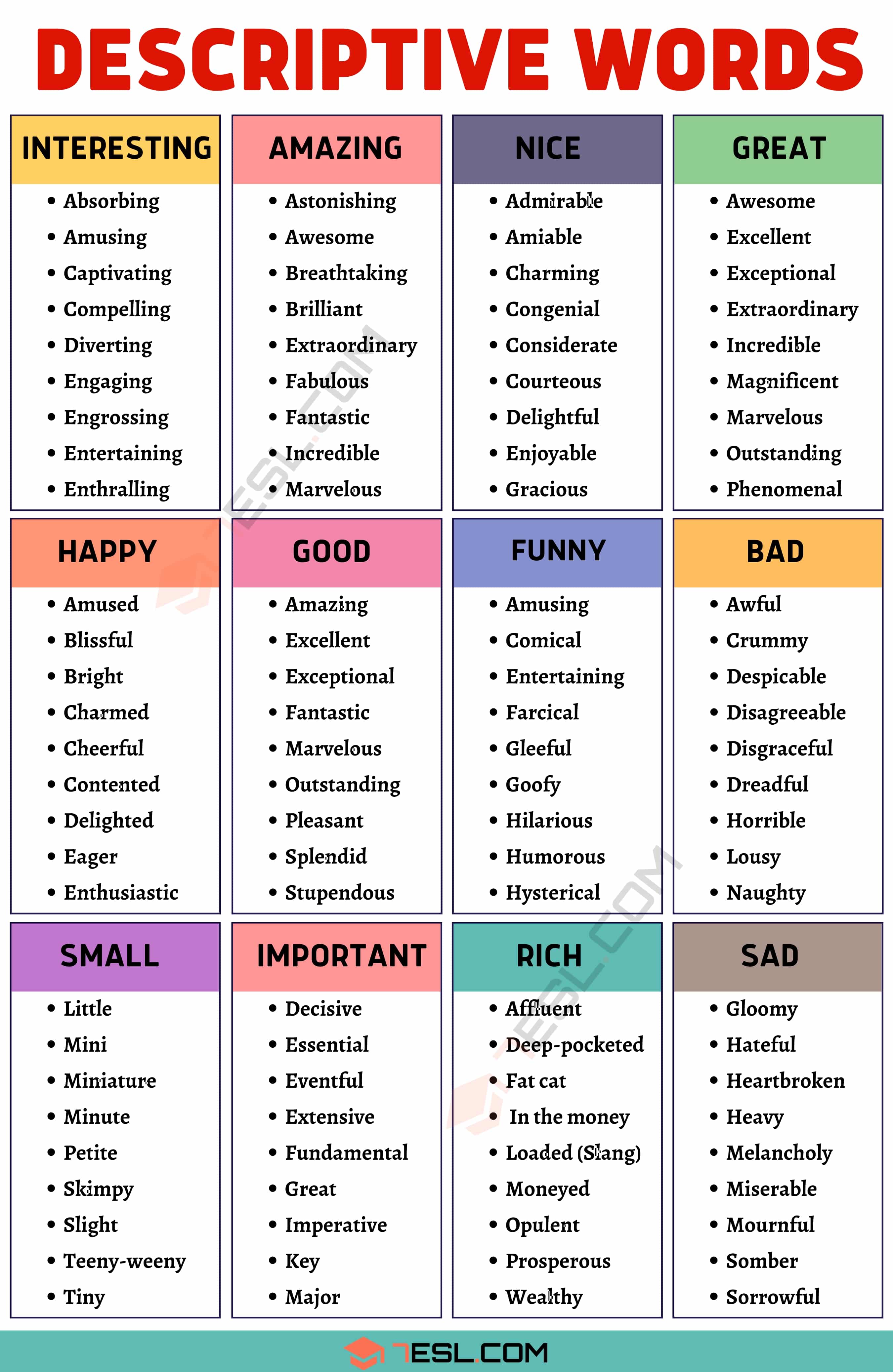
In the hyper-competitive landscape of modern commerce, a brand is far more than a logo or a product line. It is an emotional ecosystem, a promise made to the consumer, and a distinct personality that lives in the mind of the public. At the heart of this personality lies a curated selection of language. When we ask, “What are the descriptive words?” in a business context, we are really asking: What is the linguistic DNA of the brand?
The adjectives a company chooses to define itself dictate everything from the hex codes in its color palette to the tone of its customer service emails. Selecting the right descriptive words is a foundational exercise in brand strategy that bridges the gap between a corporate entity and a human connection.
1. The Psychology of Brand Adjectives: Why Words Matter
Before a consumer ever trials a product, they experience the brand’s “vibe.” This vibe is constructed through a deliberate selection of descriptive words that trigger specific psychological responses. The words a brand uses to describe itself act as a sensory shorthand, telling the consumer what to expect and how to feel.
The Impact on Consumer Perception
Psychologically, humans categorize information through association. If a brand describes itself as “rugged” and “enduring,” the brain immediately links it to concepts of strength, the outdoors, and reliability. This is known as semantic priming. By consistently using specific descriptive words, a brand can “prime” its audience to view its products through a particular lens. For instance, a luxury watch brand using the word “timeless” isn’t just describing a design; it is making a psychological claim about value and legacy.
Building Emotional Resonance
Facts tell, but stories sell—and adjectives are the color in those stories. Descriptive words move a brand from the functional (what it does) to the emotional (how it feels). A financial app could be “functional,” but if it chooses the word “empowering,” it shifts the focus from the software to the user’s emotional journey. This shift is crucial for building brand loyalty. When customers align with the descriptive words of a brand, they aren’t just buying a product; they are adopting an identity.
2. Categorizing the Brand Voice: A Taxonomy of Descriptive Words
Not all descriptive words are created equal. In brand strategy, we categorize adjectives into specific “buckets” or archetypes to ensure that the brand voice remains focused and doesn’t become a muddled mess of contradictory traits.
The Corporate and Authoritative Pillar
For industries where trust and expertise are paramount—such as legal services, high-end consulting, or healthcare—the descriptive words must lean toward stability.
- Keywords: Authoritative, Reliable, Insightful, Strategic, Disciplined, Prestigious.
These words communicate a sense of “safe hands.” They reassure the client that the brand is an expert in its field and possesses the gravitas required to handle complex challenges.
The Innovative and Modern Pillar
In the tech and creative sectors, the goal is often to signal a break from the status quo. These brands want to be seen as the future.
- Keywords: Disruptive, Agile, Progressive, Cutting-edge, Visionary, Kinetic.
Using these words positions a brand as a leader of change. It appeals to “early adopters” and those who value growth and novelty over tradition.
The Playful and Approachable Pillar
Direct-to-consumer (DTC) brands often move away from corporate stiffness to build a sense of community. They want to be the customer’s “friend.”
- Keywords: Whimsical, Candid, Vibrant, Relatable, Spontaneous, Empathetic.
These words break down the barrier between the corporation and the consumer, creating a sense of accessibility that is vital for social media engagement and brand advocacy.
3. The Strategy of Selection: How to Find Your Core Adjectives
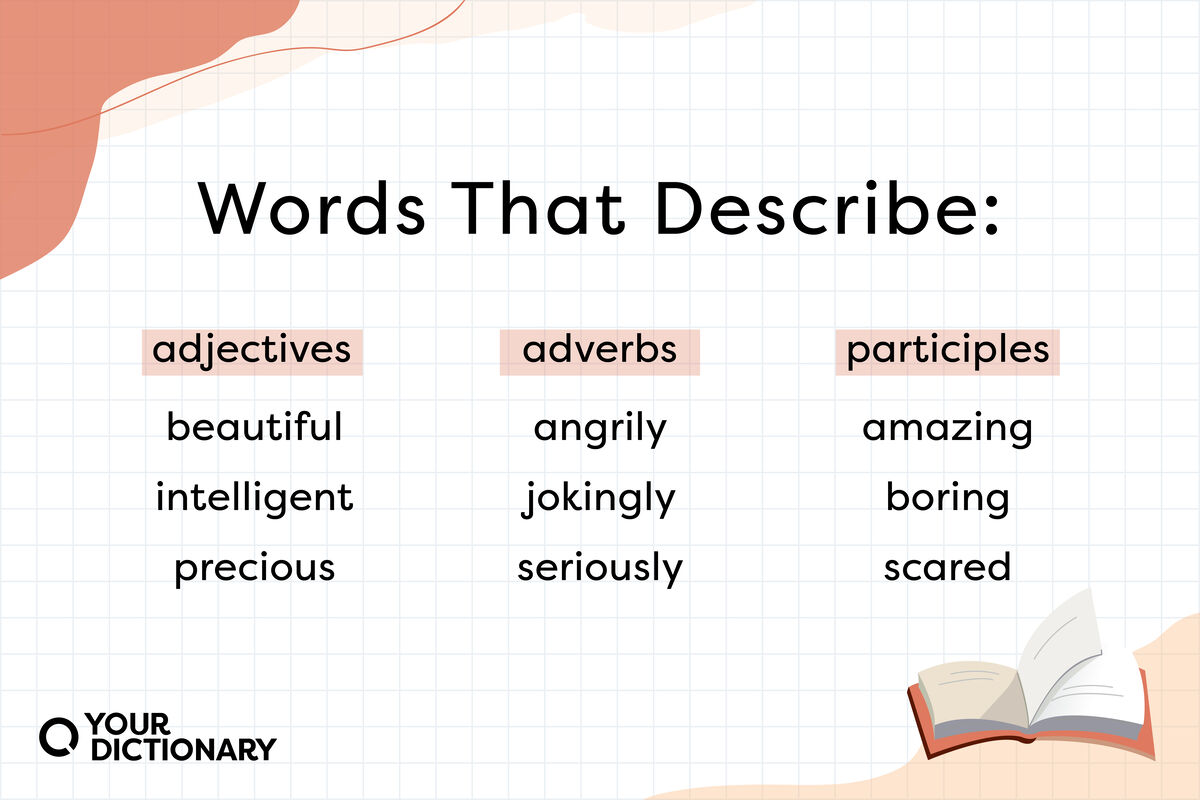
Choosing descriptive words is not an exercise in creative writing; it is an exercise in strategic alignment. A brand that tries to be everything to everyone ends up being nothing to anyone. The selection process requires a deep dive into the brand’s mission and its competitive environment.
The “Three-Word” Framework
A common strategy in personal and corporate branding is to distill the identity into exactly three core adjectives. This constraint forces clarity. One word should represent the brand’s foundation (e.g., “Quality”), the second should represent its personality (e.g., “Bold”), and the third should represent its impact (e.g., “Transformative”). This triad acts as a “North Star” for all future decisions. If a marketing campaign doesn’t feel “Bold,” it is discarded.
Authenticity vs. Aspiration
There is a fine line between who a brand is and who it wants to be. Descriptive words must be rooted in reality. If a legacy bank describes itself as “Radical,” the disconnect between the word and the customer’s actual experience (slow processes, many forms) will create “brand dissonance.” Effective strategy involves selecting words that are 80% authentic to the current state and 20% aspirational, providing a path for growth without losing the audience’s trust.
Competitive Differentiation
In any given niche, many brands will use the same descriptive words. In the skincare industry, everyone is “Natural.” To stand out, a brand must find a “blue ocean” adjective. Instead of “Natural,” perhaps the brand is “Raw,” “Scientific,” or “Botanical.” By choosing a more specific descriptive word, the brand carves out a unique space in the market landscape.
4. Operationalizing the Adjectives: From Strategy to Execution
Once the descriptive words are selected, they cannot simply live in a brand guidelines PDF. They must be operationalized across every touchpoint of the business. This is where brand strategy meets design and marketing execution.
Translating Words into Visual Design
Descriptive words serve as the creative brief for designers. If a brand is “Minimalist,” the visual identity will feature ample white space, sans-serif typography, and a limited color palette. If the brand is “Energetic,” the designer might opt for high-contrast colors, slanted lines, and bold, heavy fonts. The adjectives provide the “why” behind the “what” of graphic design, ensuring that the visual identity reinforces the brand’s verbal identity.
Content Strategy and Copywriting
For copywriters, these descriptive words are the guardrails for tone of voice. A “Sophisticated” brand will use complex sentence structures and elevated vocabulary. An “Urgent” brand will use short, punchy sentences and imperative verbs. By applying the brand’s core adjectives to every tweet, blog post, and product description, the company creates a cohesive narrative that feels like it is coming from a single, recognizable entity.
Internal Culture and Employee Alignment
Branding is as much internal as it is external. When employees understand the descriptive words of the brand, they know how to behave. If “Gracious” is a core brand adjective for a hotel, every staff member—from the concierge to the cleaning crew—understands the standard of hospitality they are expected to uphold. The words become a shortcut for decision-making at every level of the organization.
5. Case Studies: The Power of a Single Word
To see the effectiveness of descriptive words in action, we can look at some of the world’s most successful brands. These companies have successfully “owned” a specific adjective in the mind of the consumer.
Volvo: The Word is “Safe”
For decades, Volvo has centered its entire brand strategy around the word “Safe.” Every innovation, every advertisement, and every design choice is filtered through this single descriptive word. While other car companies might chase “Fast” or “Sexy,” Volvo’s commitment to “Safe” has built a level of brand equity that is virtually unshakeable. They don’t just sell cars; they sell peace of mind.
Apple: The Word is “Elegant”
While Apple is a technology company, it rarely leads its branding with technical specifications. Instead, it focuses on “Elegant” and “Intuitive.” These words describe the relationship between the user and the machine. By focusing on elegance, Apple justifies its premium pricing and creates a lifestyle brand that transcends the functional utility of a computer or a phone.
Patagonia: The Word is “Responsible”
Patagonia has carved out a massive market share by leaning into the word “Responsible.” By describing themselves not just as an outdoor gear company, but as an activist organization, they have attracted a fiercely loyal customer base. Their descriptive words—Sustainable, Honest, Activist—are backed up by their business practices, proving that when descriptive words are matched by action, they become a powerful tool for corporate identity and social change.

Conclusion: The Linguistic Foundation of Success
In conclusion, “What are the descriptive words?” is perhaps the most important question a brand strategist can ask. These words are the building blocks of perception, the blueprint for design, and the compass for corporate culture. By carefully selecting adjectives that are authentic, differentiated, and emotionally resonant, a brand can transcend the commodity trap and become a meaningful part of the consumer’s life. In the world of branding, words are not just talk—they are the very essence of the brand itself.
aViewFromTheCave is a participant in the Amazon Services LLC Associates Program, an affiliate advertising program designed to provide a means for sites to earn advertising fees by advertising and linking to Amazon.com. Amazon, the Amazon logo, AmazonSupply, and the AmazonSupply logo are trademarks of Amazon.com, Inc. or its affiliates. As an Amazon Associate we earn affiliate commissions from qualifying purchases.